Skip to content

That moment when your car makes a strange noise, and your wallet already feels lighter…
We’ve all been there. But what if you could handle many of those repairs yourself? The average DIYer saves $500-$1,200 annually by tackling car maintenance and repairs. The best part? The tools on this list will pay for themselves after just a few simple jobs.
Whether you’re just starting your DIY journey or looking to round out your existing collection, these ten essential tools will prepare you for everything from basic maintenance to unexpected roadside fixes.
Why Every Car Owner Should Have Basic Tools
Cost Savings That Add Up
Let’s talk real numbers: An oil change at the shop might cost you $60-$120 depending on your vehicle, while doing it yourself costs about $25-$40 for premium oil and filter. Brake pad replacement? Shops charge $250-$400, but DIY costs just $50-$100 in parts.
Convenience When You Need It Most
Nothing beats having the right tools when your car acts up at home or on the road. Instead of waiting days for a service appointment, you can often diagnose and fix issues immediately.
Confidence Boost
There’s something genuinely satisfying about solving your car’s problems yourself. Beyond the pride, you’ll better understand how your vehicle works.
Tool Quality Tip
You don’t need to spend a fortune on every item. Invest in quality for tools you’ll use weekly (like screwdrivers or ratchets). Budget options are often perfectly adequate for specialty tools used once a year.
Now, let’s get to the essentials:
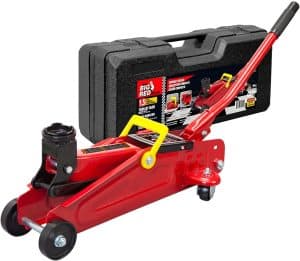
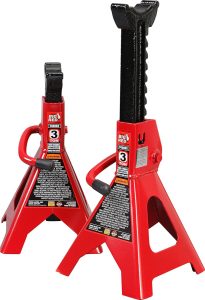
1. Jack & Jack Stands
Why it’s essential: You simply cannot work safely under a vehicle without proper lifting and support equipment. Full stop.
A hydraulic floor jack and a pair of sturdy jack stands are non-negotiable for most under-car work. When choosing these tools, always:
- Select jacks and stands rated for at least 25% more than your vehicle’s weight
- Learn your car’s designated jacking points (check your owner’s manual)
- Never, ever rely on just the jack alone to hold up your vehicle
- Place the jack stands on solid, level ground
- Give the car a firm shake test before getting underneath
Pro tip: Even with jack stands in place, a wheel under the vehicle’s frame provides an additional safety backup that could save your life if a stand fails.
2. Socket Set & Ratchets
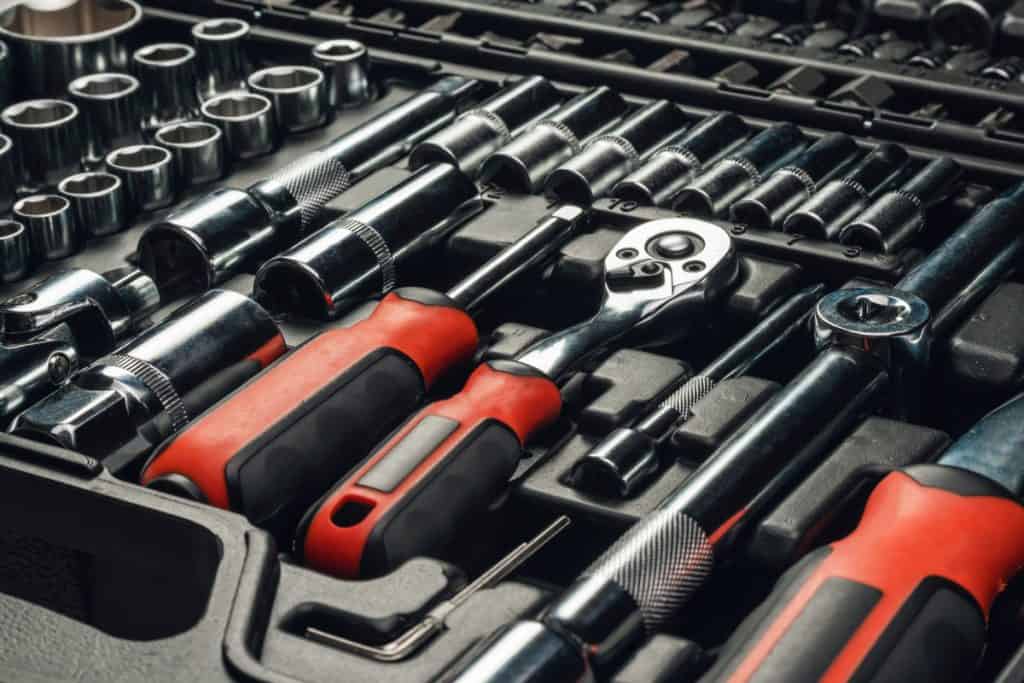
Why it’s essential: Consider this the foundation of your mechanical toolkit – you’ll reach for sockets during almost every repair job.
A comprehensive set should include:
- Multiple drive sizes: 1/4″ for tight spaces and delicate fasteners, 3/8″ for everyday use, and 1/2″ for high-torque applications like lug nuts
- Both standard and metric sizes (8mm-19mm and 5/16″-3/4″ cover most needs)
- Deep sockets for reaching recessed bolts, especially on suspension components
- Extensions and universal joints for accessing awkward spots
Pro tip: The 10mm socket is notorious for disappearing. Consider buying duplicates – you’ll thank me later!
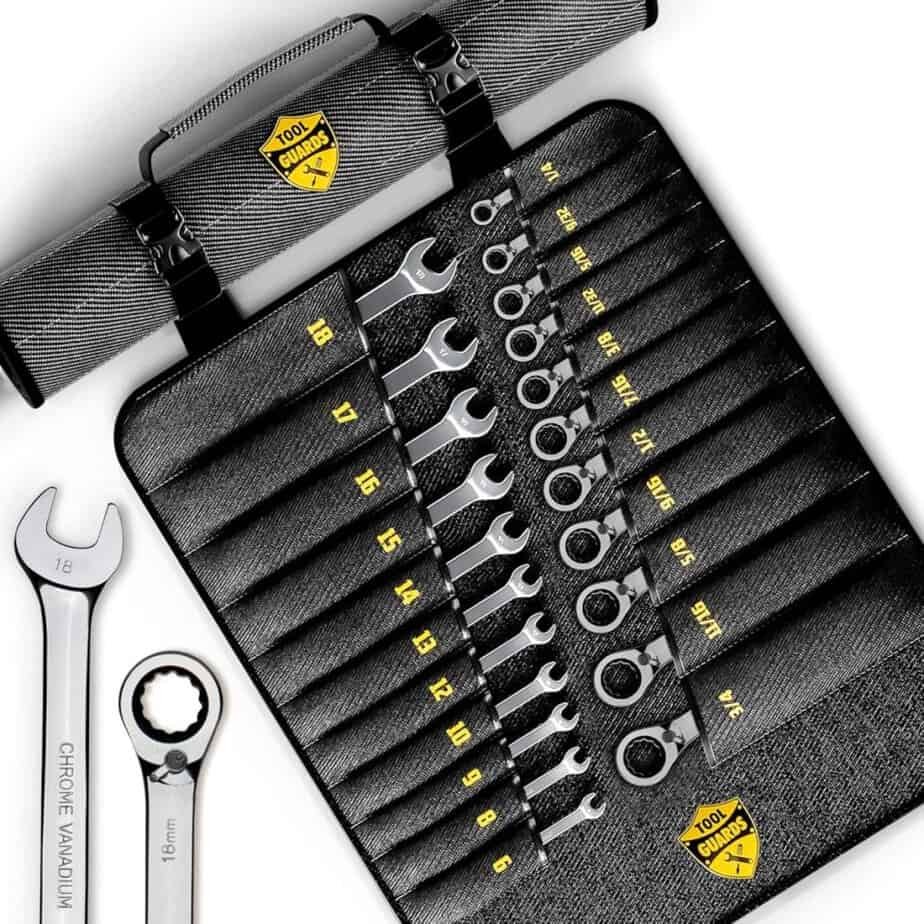
3. Wrench Collection
Why it’s essential: While sockets are versatile, wrenches often provide better access in tight spots or where a different angle of approach is needed.
Your wrench arsenal should include:
- Combination wrenches (one end open, one end boxed) in standard and metric sizes
- A quality adjustable wrench for odd-sized fasteners
- Specialty wrenches for specific jobs:
- Flare nut/line wrenches for brake lines and fuel systems
- Offset wrenches for extra clearance around obstacles
Different vehicle origins often use different fastener systems. Japanese and European cars typically use metric sizes, while older American vehicles might use standard/SAE measurements.
4. Screwdriver Set
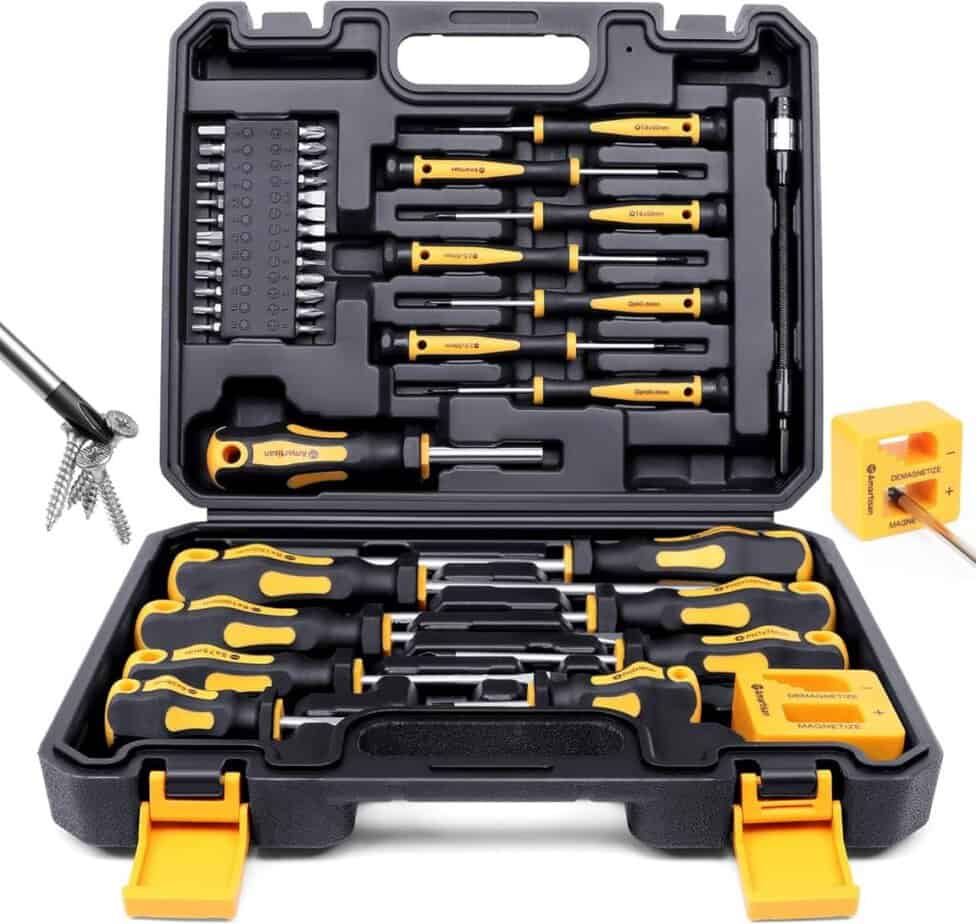
Why it’s essential: Screwdrivers are essential for handling countless tasks where finesse matters more than torque, from interior trim to electronic components.
A comprehensive set should include:
- Multiple sizes of Phillips and flathead drivers
- Torx drivers (increasingly common in modern vehicles)
- Specialty security bits for specific components
- Short and long-handled options for different access needs
Magnetic tip advantage: Magnetic screwdrivers are invaluable when working on dashboards or other areas where dropping a screw means a frustrating search-and-rescue mission.
5. Safety Equipment (Gloves & Glasses)
Why it’s essential: Your body is irreplaceable – protecting it isn’t optional.
At a minimum, your safety gear should include:
- Mechanic’s gloves with:
- Chemical resistance for handling fluids
- Cut resistance for sharp edges
- Oil grip for handling slippery components
- Safety glasses that:
- Meet ANSI Z87.1 standards for impact protection
- Provide side shields for splash protection
- Are comfortable enough that you’ll actually wear them
I once watched a friend get a tiny metal shard in his eye while working under a car without glasses. The medical bills and discomfort far outweighed the minor inconvenience of wearing proper protection.

6. OBD2 Scanner
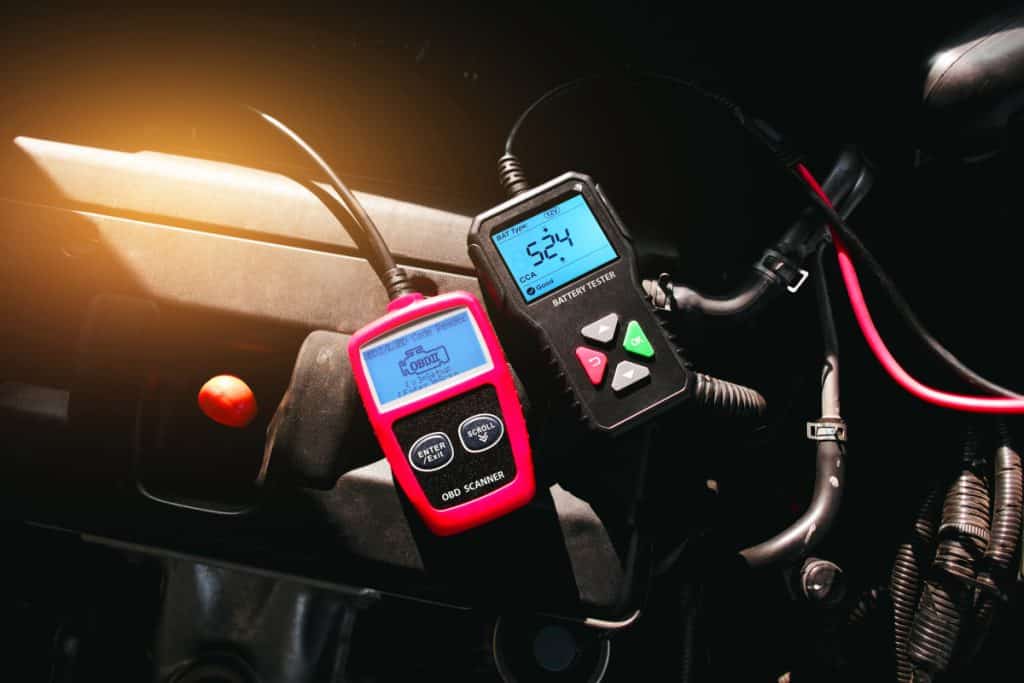
Why it’s essential: Modern vehicles are rolling computers – this tool speaks their language.
When that dreaded check engine light illuminates, an OBD2 scanner turns mysterious warning lights into actionable information. Consider:
- Basic code readers ($25-$50) that display the error code
- Intermediate scanners ($50-$150) that interpret codes and offer some live data
- Bluetooth/WiFi adapters that pair with smartphone apps for comprehensive diagnostics
Pro tip: Write down codes before clearing them. If the problem returns, having the history helps identify intermittent issues.
7. Multimeter
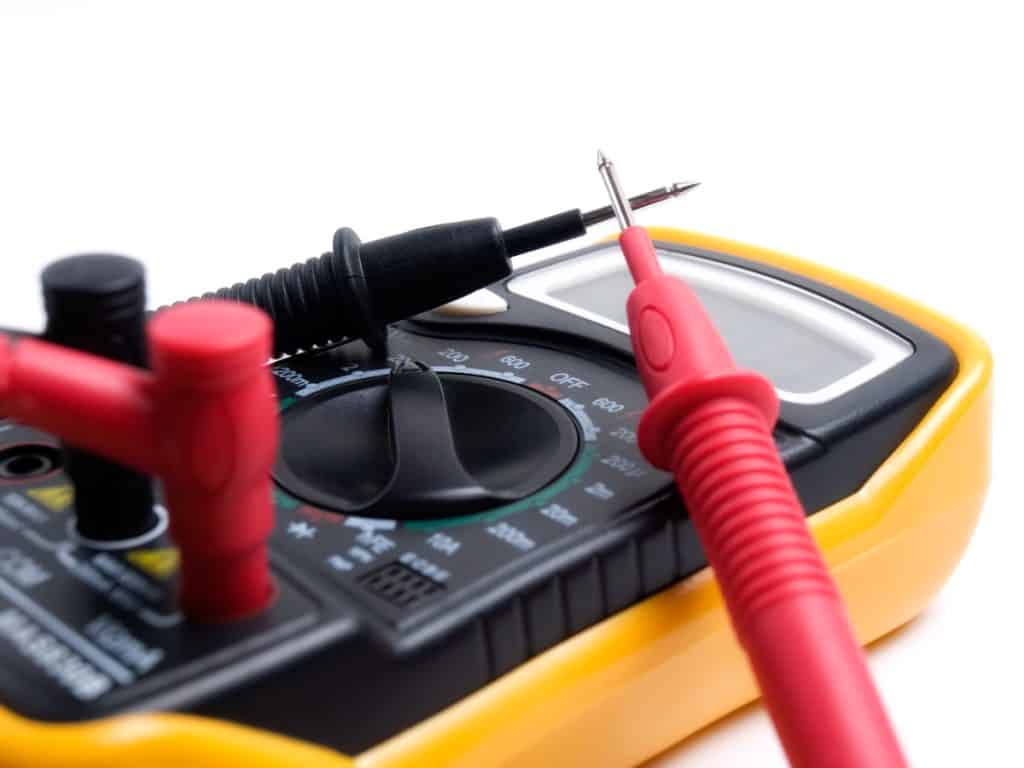
Why it’s essential: Electrical problems can be the most frustrating to diagnose – a multimeter removes the guesswork.
This versatile tool helps you:
- Test battery voltage (healthy batteries show 12.6V when off, 14-14.7V when running)
- Check for parasitic draws that kill batteries overnight
- Verify continuity in wires and connections
- Test sensors and switches before replacing expensive parts
When faced with electrical gremlins, start with the basics: check power, then ground, signal. A methodical approach with your multimeter will solve most electrical mysteries.
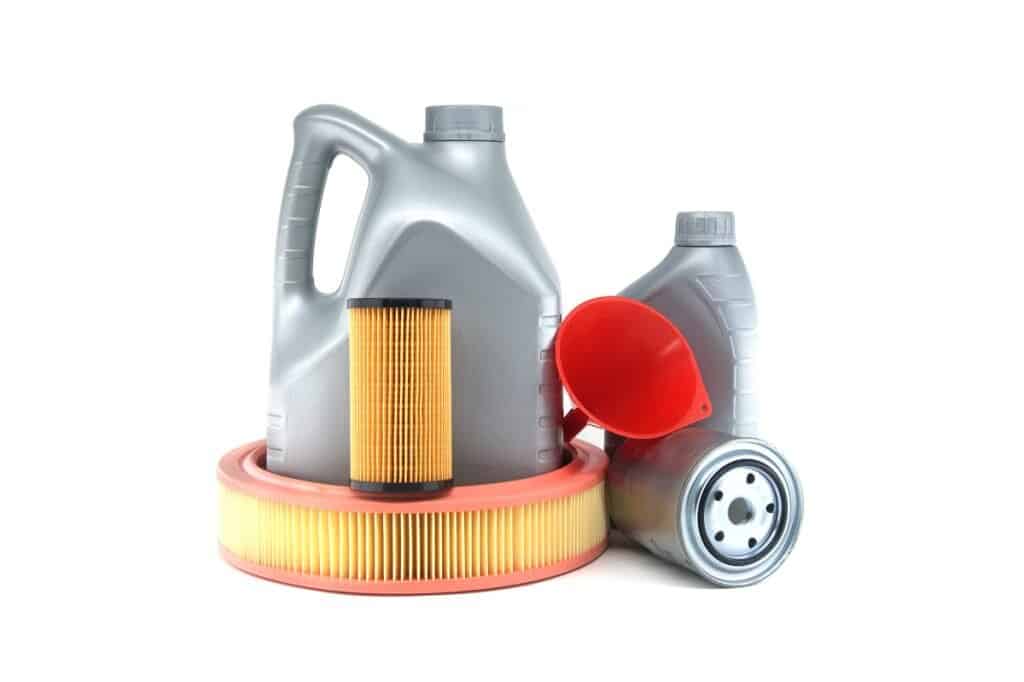
8. Oil Change Essentials
Why it’s essential: The most common DIY maintenance task deserves dedicated tools for a clean, efficient job.
Your oil change kit should include:
- Oil filter wrench specific to your vehicle’s filter type
- Drain pan with spill-proof pour spout
- Funnel with a flexible neck for clean refills
- Oil filter removal pliers for stubborn filters
- Disposable nitrile gloves
Environmental note: Most auto parts stores accept used oil for free recycling. Collect it in sealed containers (old oil bottles work well) and dispose of it responsibly.
9. Torque Wrench
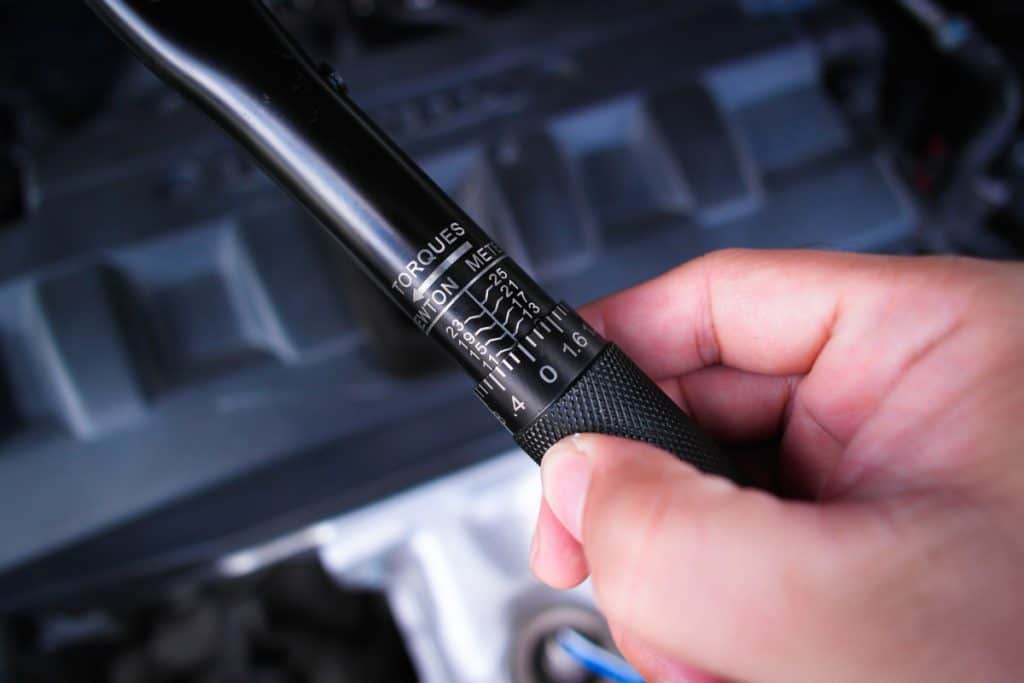
Why it’s essential: Proper fastener tension prevents damage and ensures safety for critical components.
Unlike standard wrenches, torque wrenches allow you to apply precise force when tightening fasteners. This is crucial for:
- Lug nuts (typically 80-100 ft-lbs, but check your specific vehicle)
- Oil drain plugs (usually 25-30 ft-lbs)
- Cylinder head bolts (sequence and torque are critical)
- Brake caliper bolts (typically 25-35 ft-lbs)
Care tip: Always store torque wrenches at their lowest setting to maintain spring tension and accuracy.
10. Fire Extinguisher
Why it’s essential: The one tool you hope never to use, but can’t afford to be without.
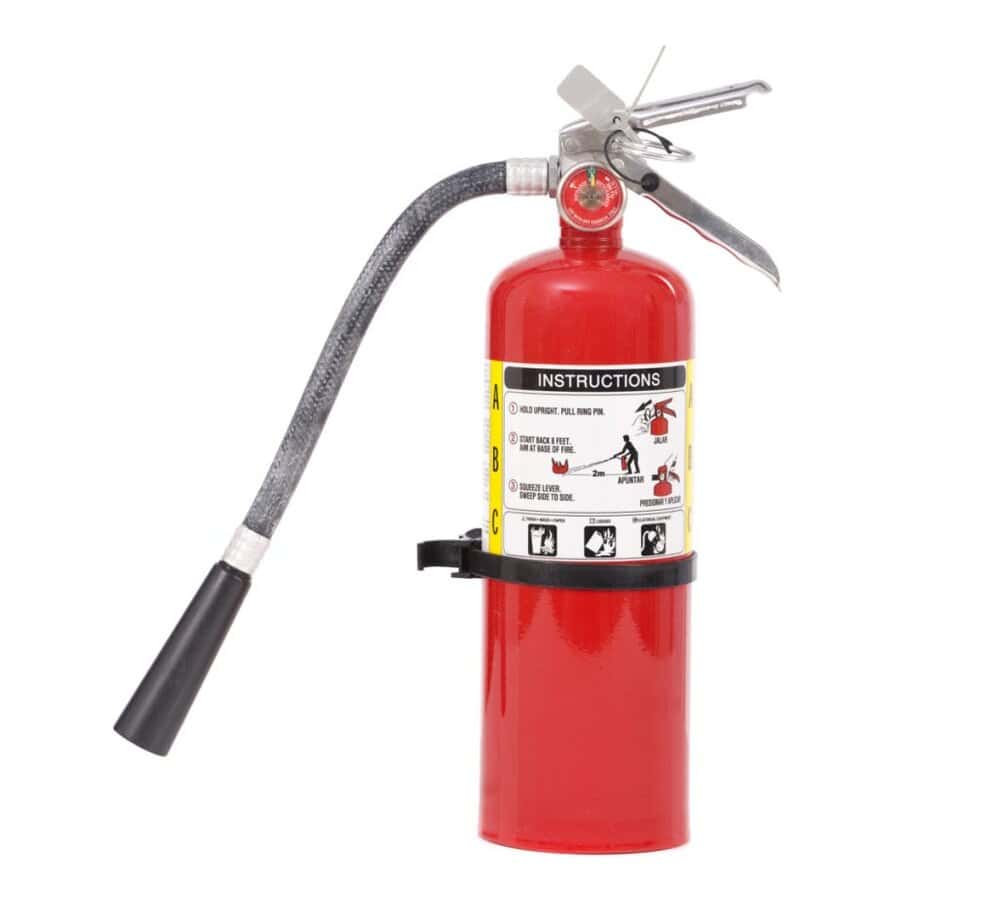
Every garage needs a properly rated fire extinguisher:
- Class B/C or ABC extinguishers are ideal for automotive work
- Place it within easy reach of your work area
- Check the pressure gauge monthly
- Have it professionally inspected annually
Potential fire hazards in automotive work include fuel leaks, electrical shorts, and chemical spills. An emergency extinguisher can mean the difference between a minor scare and a devastating garage fire.
Your Toolbox, Your Confidence
These ten essential tools will cover roughly 90% of the DIY auto repair tasks you’re likely to encounter. They represent not just purchases but investments in your skills, vehicle longevity, and wallet health.
Start small if needed – even acquiring just the safety equipment and basic hand tools will enable you to handle simple maintenance tasks. As your confidence grows, so can your collection.
What DIY repair has saved you the most money using these tools? Share your story in the comments!