 Skip to content

Do you prefer raw power or razor-sharp handling? Nissan 370Z and Subaru BRZ represent two different ways of achieving a sports car experience.
Knowing what each car can deliver will be important. Whether it’s its force, agile quickness, or perhaps a blend of both, knowing what to look for makes all the difference in making a proper choice.
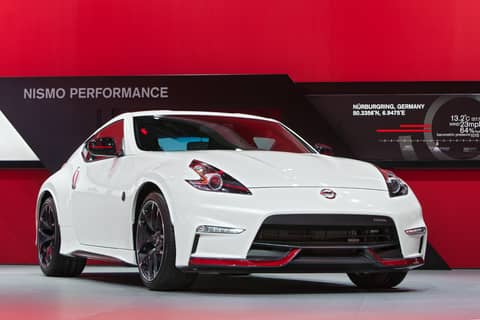
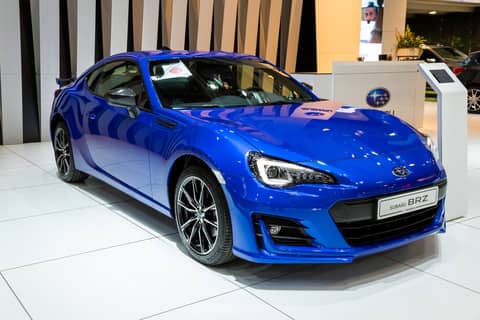
The Nissan 370Z and Subaru BRZ represent two far-flung extremes of today’s car marketplace. Whereas the 370Z is decidedly more old-school, knowing full well where it belongs in this particular segment of the car world by its power output and bloodline, the BRZ makes bold claims regarding sharp handling and style that are very much of this new age of rear-drive two-doors.
These differences shape buyer expectations and make these cars appeal to different drivers.
Performance and Driving Dynamics
The Nissan 370Z and Subaru BRZ sit at opposite ends of the performance spectrum. The 370Z, powered by a 3.7-liter V6 with 332 horsepower and 270 lb-ft of torque, delivers brisk acceleration that satisfies those craving raw power. In contrast, the Subaru BRZ’s flat-four engine produces 205 horsepower and 156 lb-ft of torque, but what it lacks in power, it makes up for in rev-happy responsiveness, making it a joy to drive in spirited conditions. The 370Z sight-line speed is impressive, while the BRZ’s handling shines on twisty roads thanks to its lighter weight and near-perfect 50/50 weight distribution.
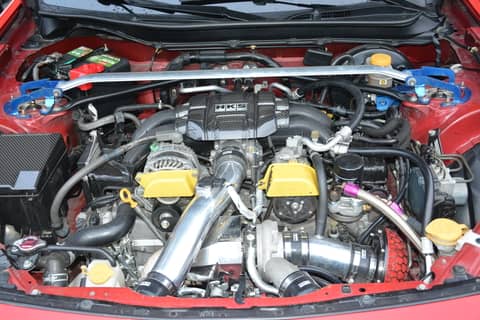
The Subaru BRZ is an agile machine that caters to driving enthusiasts in terms of handling. Its lightweight build, excellent balance, and rear-wheel-drive setup make it exceptionally responsive in corners—perfect for twisty roads. On the other hand, the heavier Nissan 370Z, with its more front-biased weight distribution, feels planted and stable, excelling in straight-line speed but feeling less nimble in tight corners.
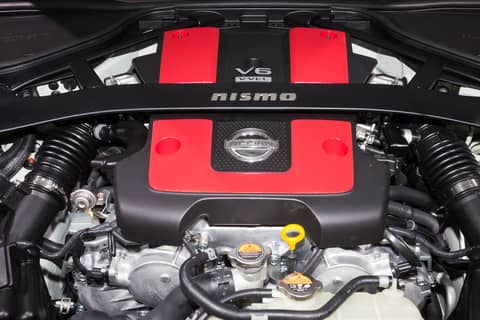
The braking and suspension setups highlight the different focuses of these cars. The Nissan 370Z features large, heavy-duty brakes with oversized rotors designed for high-speed stopping power and a stiff suspension that enhances stability at speed but sacrifices some comfort. Conversely, the Subaru BRZ’s brake system is optimized for quick stopping power in everyday scenarios, and its suspension—significantly when upgraded with Subaru BRZ coilovers—strikes a balance between comfort and sportiness, allowing it to perform well in various driving conditions.
Design and Comfort
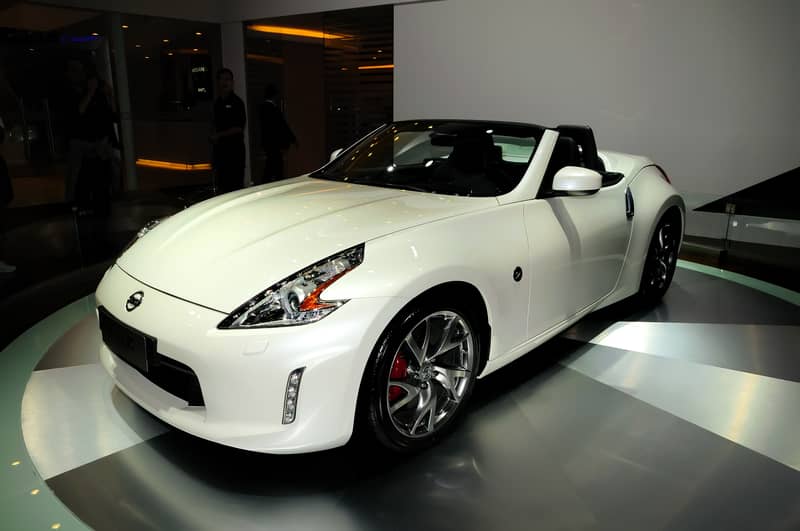
The exterior styling of the Nissan 370Z and Subaru BRZ reflect the different design philosophies adopted by these two sports cars. The 370Z’s muscular look sets it apart and draws comparisons with some of the greatest classic sports cars. This aggressive and iconic stance easily attracts any eye with a penchant for conventional sports car designs. However, this design may seem slightly outdated to a few.
Nissan 370Z:
- The design is muscular and bold.
- Very aggressive stance
- Iconic sports car design
- It can seem a little outdated to some buyers.
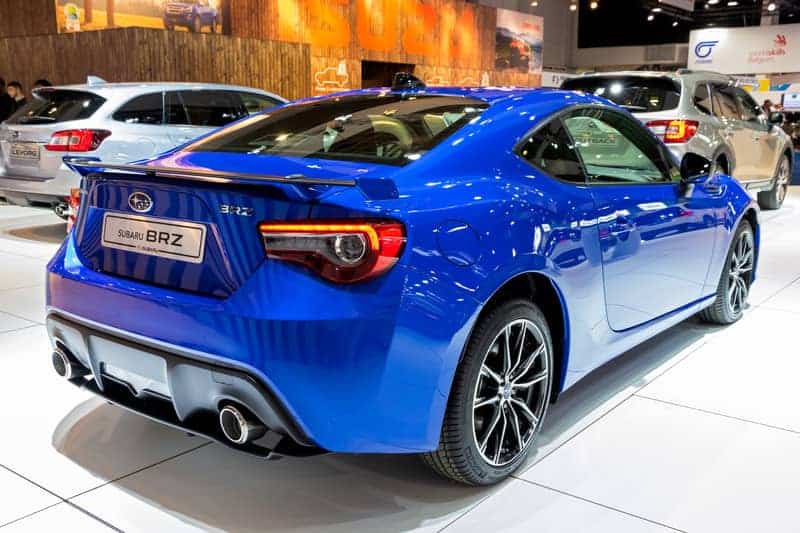
The Subaru BRZ features a sleeker, more modern design with clean lines and a sporty yet subtle appearance. It will also turn heads, especially for people who like something more modern.
Subaru BRZ:
- Slender and more modern design
- Clean and subtle lines
- Sporty yet discreet appearance
- Appeals to fans of modern design
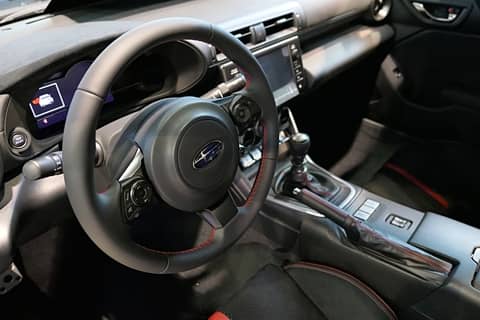
The Nissan 370Z’s cabin is quite driver-oriented inside. The interior feels sporty and SOS-like, wrapping one in a performance driving experience. The seats are comfortable, though perhaps somewhat archaic in total design, particularly with some of the more modern cabins.
The Subaru BRZ interior is less complicated and more functional. The ergonomics are much improved, with several modern touches that make the cabin much more usable on a daily basis. It also has a little more room in the rear seat, which helps lend a little versatility for those odd extra passengers.
Technology and Safety
In terms of technology, the Subaru BRZ would definitely be the clear winner over the competition. The BRZ’s somewhat modern and up-to-date infotainment system comes with a 7-inch touchscreen display featuring Apple CarPlay and Android Auto connectivity for added convenience and seamless user experience. Compared to the base 6.7-inch display for the Nissan 370Z’s basic infotainment system, which lacks those modern conveniences, it feels a touch out of date today.
Subaru BRZ:
- Infotainment: 7-inch touchscreen display.
- Connectivity: Integrates Apple CarPlay and Android Auto.
- User Experience: Intuitive interface; quick navigation.
Nissan 370Z:
- Infotainment: Basic 6.7-inch display with an available navigation system.
- Connectivity: Lacking Apple CarPlay or Android Auto.
- User Experience: Cleaner interface, but archaic compared to the modern era.
The Subaru BRZ also shines next to the Nissan 370Z in safety, particularly the newer models, which benefit from state-of-the-art ADAS, from adaptive cruise control to lane departure warning. The 370Z, being the older design, carries a few new active safety features and includes some basic active safety equipment, such as a backup camera and stability control.
Subaru BRZ:
- Driver Assistance: Adaptive cruise control, lane departure warning, newer models
- Safety Features: Pre-collision braking, rearview camera
- Air Bags: Front, side, and curtain protection
Nissan 370Z:
- Assistance to the Driver: Pretty limited, with generic features like a backup camera
- Safety Features: Traction control, stability control, anti-lock brakes
- Air Bags: Front and sides only
Practicality and Costs of Ownership
On the flip side, daily usability is more significant in the Subaru BRZ. The Subaru BRZ offers significantly more cargo space, and while the rear seats may not be spacious, they can serve as a convenient option for short trips around town or additional storage. The Nissan 370Z is poorly suited for daily use. The cargo space is smaller, and the back seats are only for decorative purposes; it is a two-seat car for all practical purposes.
The BRZ typically offers a lower price for ownership costs. Its small engine produces more fuel efficiency. Maintenance costs are also lower because the BRZ has fewer expensive parts and less engineering than the 370Z. The 370Z guzzles more fuel with a larger V6 and has higher maintenance costs, especially performance-related parts.
Aftermarket and Community Support
For car enthusiasts who like to tune and modify their cars, the Nissan 370Z and Subaru BRZ have very high aftermarket support. The Nissan 370Z is one of the oldest models for performance tuning, with many choices to upgrade engines, body kits, and suspension modifications. It’s It’s-liked by many who enjoy going full throttle in a car.
The Subaru BRZ also has very strong aftermarket support, largely in handling upgrades, aesthetic mods, and engine tuning. Its lightweight makes the Subaru offering a darling among enthusiasts who know a thing or two about the track—specifically, autocross and drifting, where handling is of the utmost importance.
Community support—both are very active and have enthusiastic followings. In the case of the 370Z, it is a more mature community with a strong focus on performance mods and track events.
In contrast, though younger, the BRZ community is vibrant and social, with many guys enjoying autocross, drifting, and group meets.
Final Verdict: Which is the Better Enthusiast Car, the Nissan 370Z or the Subaru BRZ?
While both the Nissan 370Z and Subaru BRZ have obvious strengths, the two cars appeal to different kinds of drivers. The Nissan 370Z enjoys an upper hand with its more power and classic sports car feel, but it is also highly performance-oriented. At the same time, the ownership costs are higher, and modern tech and safety features are missing.
The Subaru BRZ is better at handling features, practicality, and economy of use daily. It’s better suited to those who appreciate this balance and a car that’s easy to live with daily.
Ultimately, your decision between the Nissan 370Z and Subaru BRZ comes down to what you value most in a sports car—brute force or agility.
Recommendation:
Choose the Nissan 370Z if:
- You want a big, powerful, classic sports car drive experience or a V6 for less that delivers good acceleration.
- You love the heritage and aggressive styling of a classic sports car.
- You are willing to sacrifice some fuel economy and running costs for a more exhilarating driving experience.
Choose the Subaru BRZ if:
- You want a more agile-handling, lighter, better-balanced car that corners well.
- It would be best to have Apple CarPlay, Android Auto, and modern advanced safety features.
- You want a sports car that’s enough for daily driving but has better fuel economy and lower running costs.
Other Considerations:
For Tuners:
While both have good aftermarket support, the 370Z is ideally suited for people focused on power and performance improvements; the BRZ offers more opportunities to squeeze out better handling and cosmetic mods.
For Community and Social Driving:
This model has an active opportunity; the BRZ seems to participate more in social events, especially autocross and drifting scenes. On the other hand, 370Z owners tend to track days and make modifications that enhance performance.


