Skip to content

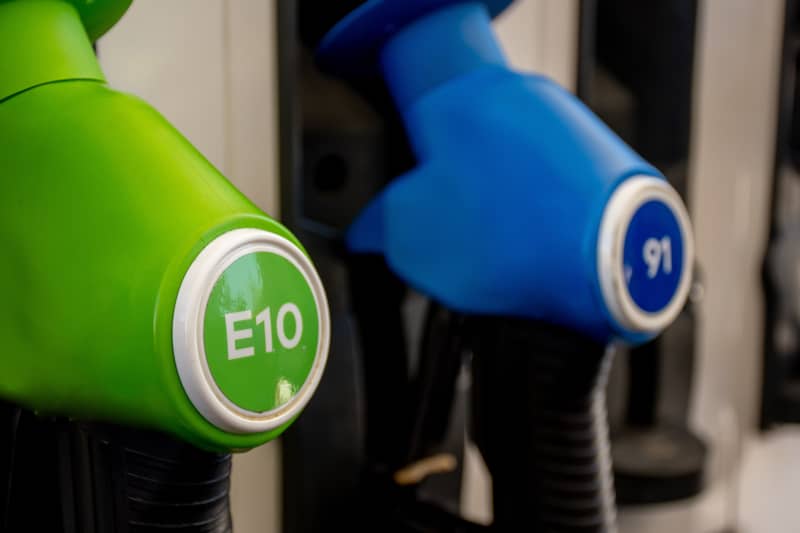
E10 petrol, which consists of 10% ethanol and 90% unleaded petrol, is becoming the standard at many stations. People praise it for reducing carbon emissions, but that doesn’t mean it’s the best choice for all car models.
Here are some essential issues for older car drivers or those with a model not mainly designed for ethanol blends.
In this article, we’ll cover three fundamental problems associated with E10 petrol and what you can do to manage them.
E10 Petrol Compatibility Issues with Older Vehicles
One of the major concerns associated with E10 petrol is compatibility issues related to an older vehicle. The ethanol content in E10 acts as a solvent. It proves hard on some specific materials often used in the fuel systems of an older vehicle, particularly one designed before the middle of the 1990s. Back then, most cars had parts that couldn’t handle ethanol because ethanol fuels were rare.
Why Older Cars Are at Risk
Cars built before the mid-1990s might have parts that don’t handle ethanol well. This can lead to issues like:
- Fuel hoses: Ethanol can make rubber hoses brittle, crack, and develop leaks over time.
- Seals and gaskets: Ethanol tends to degrade seals and gaskets, which causes the leakage of fuel and a reduction in pressure in the system
- Fuel tanks: Metal tanks, particularly in older cars, corrode in the presence of ethanol.
If you use E10 petrol in an older vehicle not designed to be compatible with E10 petrol, a range of problems could include leakages, blockages, and even severe damage to the engine itself. For example, if the fuel line has cracked, you could be at risk from a hazardous fuel leak. Likewise, degraded seals can cause problems with poor performance.
Potential Damage
Putting E10 petrol into an incompatible vehicle can cause fuel leaks, clogs, and even damage your engine. For example, a cracked fuel line may lead to a dangerous leak. Seals and gaskets may deteriorate and cause a loss of pressure in the fuel system, impacting your engine’s performance.
What You Can Do
If you drive an older vehicle, determine whether it can run E10 petrol. Some manufacturers provide lists of compatible vehicles. So it’s worth checking that out if you’re unsure. If your car can’t use E10 petrol, consider using non-ethanol fuel when available. Also, regular maintenance—like inspecting fuel lines and replacing old gaskets—can help you avoid some of these risks.
Impact of E10 Petrol on Engine Performance and Fuel Efficiency
E10 petrol might affect your engine performance and, at the same time, the distance your gas tank can take you through. This is major because it contains less energy, considering that ethanol does not produce as much power as gasoline; hence, it affects both performance and efficiency.
Performance Concerns
Ethanol has lower energy. This can reduce engine power. Your car might not run well if it’s not optimized for ethanol. What you can likely experience includes:
- Slower acceleration: It may miss that feeling of punch, especially when under a heavy load.
- Engine knocking: This happens when the engine isn’t tuned correctly for ethanol’s burning characteristics. Even though the E10 has a higher octane rating, engines that are not tuned for it may still experience knocking.
- Rough idling: The engine may not run as smoothly as pure petrol.
Fuel Efficiency Drop
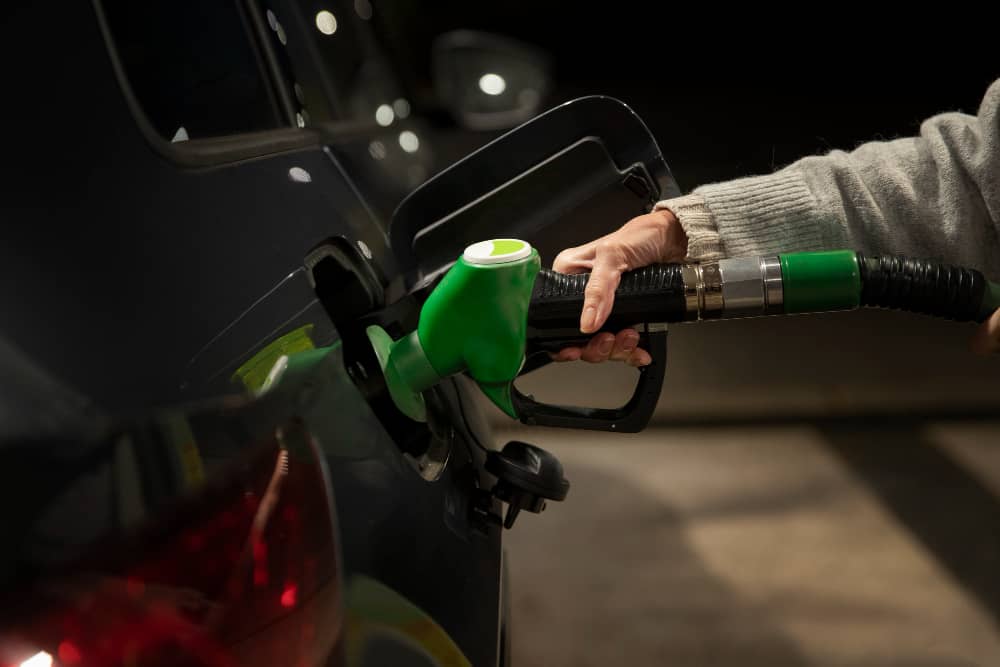
The other problem with E10 petrol is its effect on fuel efficiency. Due to ethanol having a lower energy content, you will probably notice a reduction in your miles per gallon. Research indicates that your fuel efficiency may be negatively impacted by:
- Fuel efficiency may decrease by 2-3%: This might not seem like much, but it adds up over time.
- More frequent refueling: You’ll need to fill up more often, which can increase your overall fuel costs.
Managing These Issues
Regular tune-ups may make the engine run more efficiently on E10 petrol. In case of significant performance losses, you can use a fuel additive developed to enhance ethanol-blended fuels. This will help reduce knocking and general engine response.
Potential Long-Term Engine Damage due to E10 Petrol
Long-term running on E10 petrol may also result in more serious engine problems, especially in vehicles that were not made to run on it. Ethanol can wear down an engine’s components over time.
Wear and Tear on Engine Components
Ethanol’s Solvent properties cause accelerated wear of some components of the engine. These components include the following:
- Fuel injectors: Ethanol can contribute to deposits building up that may eventually block the injectors and impinge on fuel delivery.
- Metal components: Ethanol is likely to corrode parts such as carburetors and fuel tanks of older engines, especially if the vehicle is not driven regularly and is thus not heated up, permitting moisture to accumulate.
- Carburetors: For those operating older, carbureted engines, ethanol causes corrosion and blockages, which affects the vehicle’s performance and raises maintenance frequency.
Risks of Prolonged Use of E10 Petrol
If you continue using E10 petrol in a vehicle that isn’t optimized for it, you could face:
- Increased maintenance costs: While frequent, repairs and replacement of parts start to add up over some time.
- Reduced lifespan: Your engine might not last as long as with pure petrol, especially if you deal with persistent corrosion/clogging issues.
- Potential breakdowns: E10 causes large-scale engine damage or complete failure after years of use.
Preventative Measures
Treat your engine with a fuel additive designed for ethanol-blended fuels. This may help avoid deposit buildup and general wear on the engine parts. Ensure regular servicing, including checking for and replacing fuel injectors and closer-than-usual monitoring for engine performance.
Final Thoughts on E10 Petrol
E10 petrol provides environmental benefits but also presents challenges for older cars or those not designed for ethanol blends. To make an old vehicle more fuel-efficient, it’s essential to understand these challenges. Knowing potential issues can help you choose the right fuel and avoid risks like incompatibility, reduced performance, and long-term engine damage. Maintaining good service practices and using fuel additives when needed will also help.