Skip to content

Heet vs. Iso-Heet
If you’ve ever worried about water in your fuel system, you’ve likely come across Heet vs. Iso-Heet. These products are ultra-popular for avoiding water issues with your fuel, mainly when the weather turns cold. But what exactly are Heet and Iso-Heet? How do they differ, and which one should you use?
In this article, we’ll explain the differences between Heet and Iso-Heet to help you decide.
Chemical Differences Between Heet vs. Iso-Heet
What’s in Heet?

Image from goldeagle.com
Heet is primarily made from methanol. Methanol is an alcohol that effectively absorbs water from your fuel. This helps prevent issues like fuel line freeze and poor engine performance. Adding Heet to your tank mixes with the water, allowing it to burn off during engine operation.
What’s in Iso-Heet?
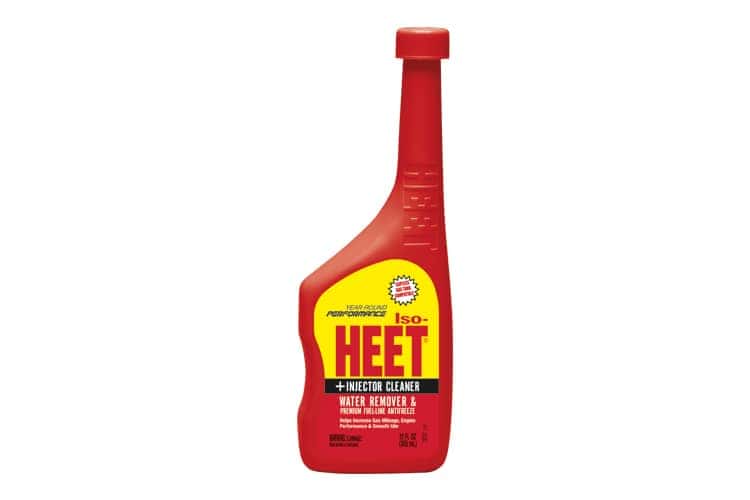
Image from goldeagle.com
Iso-Heet contains yet another type of alcohol—isopropanol. Isopropanol has a higher tolerance to water content than methanol, making it even more powerful when draining water from your fuel system. It’s also more compatible with icy weather conditions.
How Do Heet and Iso-Heet Work?
Both Heet and Iso-Heet work by removing water from your fuel. However, Iso-Heet’s isopropanol handles slightly more water and freezes better than Heet in cold climates.
When to Use Heet vs. Iso-Heet
Best Situations to Use Heet
Heet is the better choice for everyday use. It works well in gas engines and areas with mild to moderate climates. Heet is an excellent option to protect against minor water problems with your fuel.
When Iso-Heet is the Better Choice
Iso-Heet is perfect for colder climates or when there is a lot of water in your fuel. It can also be used with gasoline and diesel engines, making it versatile. So, if you deal with harsh winters or need a more potent water remover, Iso-Heet will better suit your needs.
Cold Weather Performance: Heet vs. Iso-Heet
How Heet and Iso-Heet Protect in Cold Weather
When temperatures drop, fuel line freeze becomes a serious concern. This is where Iso-Heet stands out. Its isopropanol base provides better protection against freezing than Heet’s. It ensures your engine starts and runs smoothly, even on the coldest days.
Which One is More Reliable in Winter?
Iso-Heet is generally more reliable in extreme cold. It’s specifically designed to prevent fuel line freeze in sub-zero temperatures. While Heet offers good protection, it might be less effective in severe winter conditions.
Impact on Engine and Fuel System Health
Effects of Heet and Iso-Heet on Your Engine
Both Heet and Iso-Heet are safe for regular use. They help keep your fuel system clean and free of water, which can extend the life of your engine. These products won’t harm your engine or fuel system when used as directed.
Long-Term Health of Your Fuel System with Heet or Iso-Heet
These products can benefit your fuel system over time by preventing rust, corrosion, and other water-related issues. However, it’s important not to overuse them. Stick to the recommended amount to avoid drying out rubber components in your fuel system.
Environmental and Safety Considerations with Heet and Iso-Heet
Environmental Impact of Using Heet and Iso-Heet
Both products are considered relatively safe when appropriately used regarding environmental safety. However, methanol (found in Heet) is more toxic than isopropanol (found in Iso-Heet), making Iso-Heet a slightly more environmentally friendly option.
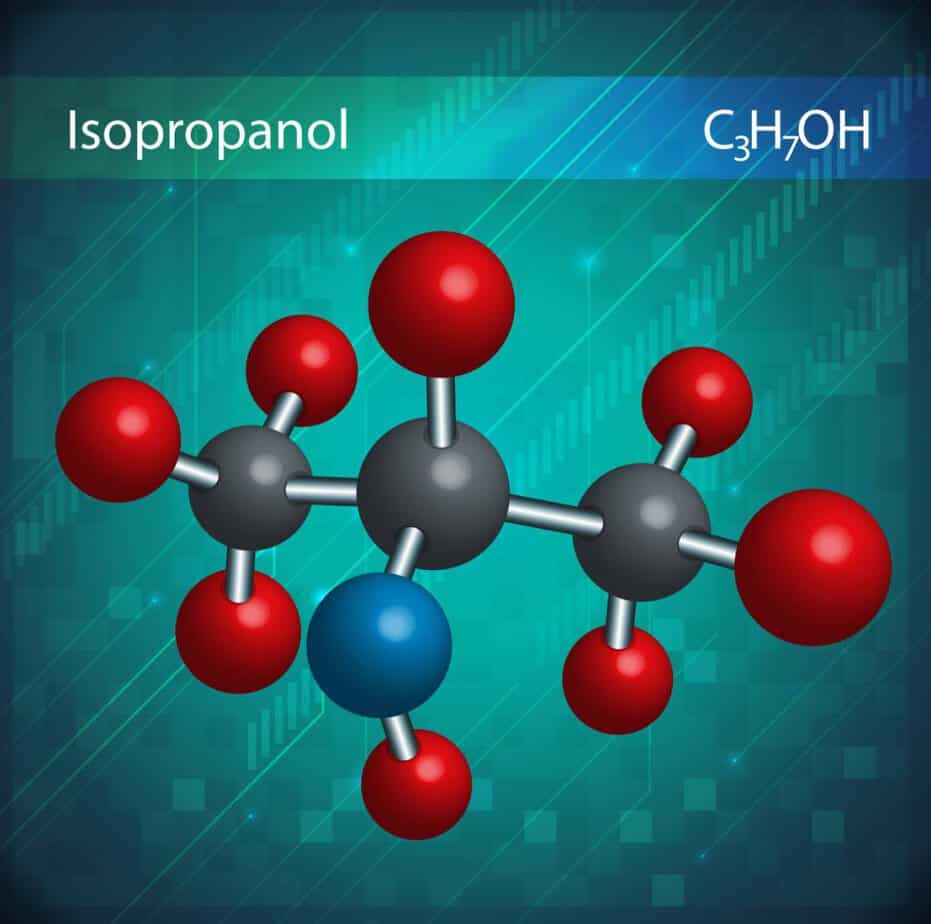
Also, methanol vapors are more dangerous to inhale than isopropanol vapors; thus, Heet should only be used in well-ventilated areas, and proper precautions should be taken while handling it.
Safety Tips for Handling Heet and Iso-Heet
Both Heet and Iso-Heet are flammable. It’s essential to store them safely, away from heat or open flames. Also, avoid skin contact or inhalation. Always follow the safety guidelines on the product label to avoid any accidents.
Comparing the Cost and Value of Heet vs. Iso-Heet
Both Heet and Iso-Heet are typically pretty close in pricing. However, Iso-Heet can sometimes be just a bit pricier, although it is more versatile if you work with diesel engines or in more harsh conditions.
If you are looking for the best value, Iso-Heet is generally worth the extra bucks if you need protection in extremely cold weather or are running a diesel vehicle. It is formulated to withstand more demanding conditions, so it is actually very good if you always have to endure freezing temperatures or, therefore, if you worry seriously about water in the fuel.
On the contrary, living in a milder climate and using gasoline, heet works fine and is very low-priced—it is a pretty good value for the money.
And here’s a tip: If you often have to deal with relatively cold weather or water contamination of the fuel, buying Iso-Heet in small containers is arguably cost-effective in the long run. A slightly higher basic investment pays off for the best performance and peace of mind.
Choosing Between Heet and Iso-Heet
| Feature | Heet | ISO-Heet |
| Primary Ingredient | Methanol | Isopropanol |
| Effectiveness in Removing Water | Effective for minor water issues | More effective for significant water contamination |
| Cold Weather Protection | Good in mild to moderate cold | Superior in extreme cold |
| Compatibility with Fuel Types | Gasoline engines | Gasoline and diesel engines |
| Environmental Impact | Toxic | Less toxic |
| Safety Considerations | Flammable | Flammable |
| Typical Use Case | General use in mild climates | Ideal for harsh winters and diesel vehicles |
| Cost | Generally less expensive | Slightly more expensive |
| Overall Value | Cost-effective for regular use | Better value for cold climates |
Heet and Iso-Heet are both effective at removing water from your fuel system. Heet is a reliable, cost-effective option for mild climates and gasoline engines. Iso-Heet, with its stronger water removal and cold weather protection, is the better choice for harsh winters and diesel engines. By understanding the differences between Heet and Iso-Heet, you can choose the right product to keep your fuel system healthy and your engine running smoothly.