Skip to content

Regarding rotary engines, porting plays a huge role in cranking up performance. Two of the most debated methods among enthusiasts are Peripheral Port (PP) and Bridgeport. Both offer serious power gains, but they cater to different needs depending on how you drive and what you aim for. So, which one gives you better performance for your rotary-powered build? Let’s dive in and compare the two.
Understanding Porting in Rotary Engines
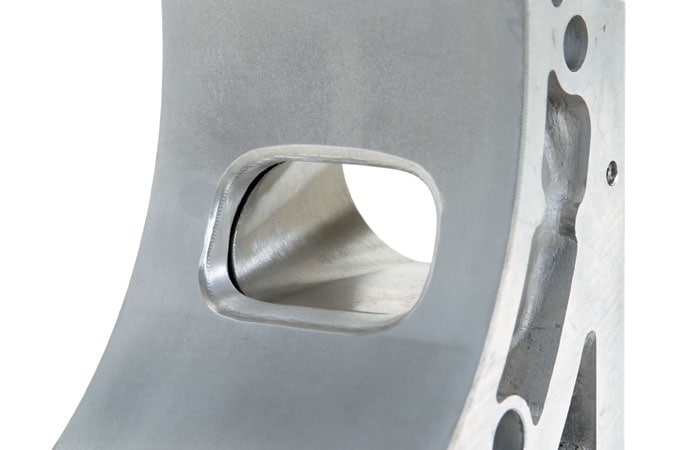
Before we jump into the specifics, here’s a quick refresher on what porting actually does. In a rotary engine, porting involves modifying the intake and exhaust ports to let more air and fuel flow through, which boosts power. The more airflow you get into the engine, the more power you can squeeze out.
Both Peripheral Porting and Bridgeporting are on the more aggressive side of porting methods. They’re all about ramping up that airflow and pushing performance. But each has its own pros and cons, depending on how you plan to use your engine.
What is a Peripheral Port (PP)?
Peripheral Porting shifts the intake from the side housings to the rotor housing itself. Instead of air entering through the standard side ports, it flows directly through large ports in the rotor housing.
Key Characteristics:
- Intake Location: Air enters through the rotor housing.
- Port Size: Larger, circular intake ports compared to side ports.
- Powerband: Built for high RPM performance.
- Sound: Loud, aggressive, and very distinct exhaust note.
Advantages of Peripheral Porting:
- Maximum Airflow for High RPM Power:
Peripheral ports let massive air into the engine, leading to big power gains, especially at high RPMs. This makes it perfect for racing or motorsport setups where you’re living in the upper RPM range. - Serious Horsepower Potential:
With the right tuning and mods, a peripheral port engine can push out 400-500+ horsepower, making it a go-to for drag racing or track-focused builds. - Simplified Design:
Since there are no side ports, the intake flow is straightforward, helping maximize efficiency at wide-open throttle.
Drawbacks of Peripheral Porting:
- Low-End Power Loss:
Peripheral ported engines shine at high RPMs but can feel sluggish at lower speeds. This lack of low-end power makes them a bad fit for daily drivers. - Fuel Efficiency:
These engines run rich, burning through fuel fast. Don’t expect great mileage—especially in city driving. - Cost and Complexity:
Modifying the rotor housing for PP isn’t cheap, and it requires custom tuning and upgraded fuel systems to handle all that extra airflow.
What is a Bridgeport?

Bridgeporting is a more moderate approach compared to PP. It involves enlarging the side ports and adding a “bridge” to support the apex seals as they pass over the widened port. This allows more airflow while keeping the engine’s reliability in check.
Key Characteristics:
- Intake Location: Air enters through enlarged side ports.
- Port Size: Bigger side ports, with an added bridge to protect the seals.
- Powerband: A balanced mix of mid-range and high-end power.
- Sound: Still aggressive but not as loud or raspy as a peripheral port.
Advantages of Bridgeporting:
- Balanced Power:
Bridgeports offer a nice mix of low-end drivability and high-end power, making them more versatile for street use and track days. - Solid Mid-Range Torque:
With better mid-range torque than a PP engine, Bridgeports are great for autocross or circuits where strong performance across a wider RPM range is required. - Less Invasive:
Since you’re just modifying the side ports, Bridgeporting is less complex (and less expensive) than going full peripheral port. It’s a more accessible option for many enthusiasts.
Drawbacks of Bridgeporting:
- Moderate High-End Gains:
While a Bridgeport engine delivers more power than a stock ported setup, it doesn’t match the extreme high-RPM horsepower potential of a peripheral port engine. - Louder and Rougher Idle:
Bridgeporting changes the engine’s airflow, which leads to a rougher, louder idle. It’s not as extreme as a PP engine, but it’s still noticeable, which might not appeal to everyone. - Fuel Consumption:
Like other aggressive porting methods, bridge ports increase fuel consumption. While it’s not as fuel-thirsty as PP, don’t expect it to be as efficient as a stock or mild street-ported engine.
Peripheral Port vs. Bridgeport: Head-to-Head Performance
Now that we know the basics, here’s how these two porting methods stack up in key areas:
| Category | Peripheral Port (PP) | Bridgeport |
| Max Power Output | Extreme high-end power potential (400-500+ hp) | High, but not as extreme as PP (300-400 hp) |
| Low-End Torque | Weak low-end, poor drivability | Better low-end and mid-range torque |
| RPM Range | Best for high RPM (6,000+ RPM) | Balanced, strong mid-to-high RPM (4,500+ RPM) |
| Fuel Efficiency | Poor, especially at low RPMs | Moderate fuel consumption |
| Street Use | Not ideal for daily driving | Suitable for street and track use |
| Cost & Complexity | High cost, complex installation | Moderate cost, easier install |
Which Porting Method is Right for You?
Choose Peripheral Porting If:
- You’re building a race car that spends most of its time in high RPMs.
- Top-end horsepower is your main goal, especially for drag racing or time attack.
- You’re okay with sacrificing low-end drivability and fuel efficiency for raw power.
Choose Bridgeporting If:
- You want a versatile, high-performance engine that can handle street use and the occasional track day.
- You’re looking for a balance of mid-range torque and top-end power.
- You want a performance boost without breaking the bank.
Which Delivers Better Performance?
The better porting method depends entirely on your goals. If you’re after maximum high-RPM power and don’t mind sacrificing low-end torque or fuel efficiency, Peripheral Porting is the way to go. But if you want a more street-friendly setup with solid mid-range performance, Bridgeporting might be your best bet.
Ultimately, it comes down to how you plan to use your rotary-powered car. For daily driving and occasional track days, Bridgeporting strikes a great balance. But if you’re a racer who’s always living at the redline, a Peripheral Port will give you the extreme power you’re looking for.