Skip to content

Wheel spacers have become a go-to mod for car enthusiasts who want to tweak their vehicle’s stance, widen the track, or fit larger wheels and brakes. But one big question keeps coming up: Are wheel spacers really safe? With plenty of debate in the automotive world, let’s break down the facts to uncover the truth about wheel spacers and whether they’re a smart option for your car.
What Are Wheel Spacers?
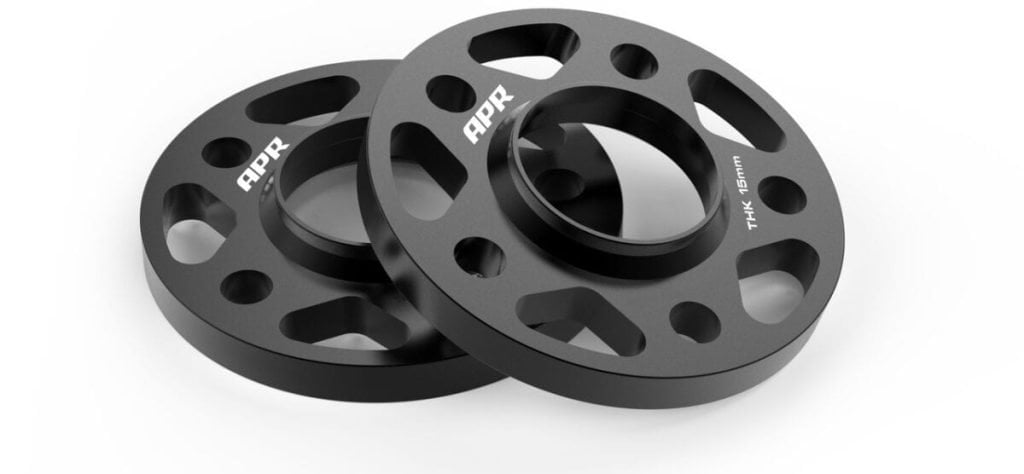
Wheel spacers are metal discs that sit between your vehicle’s hub and the wheel, pushing the wheel outward. The goal? To create a wider stance, improve aesthetics, or make room for bigger brake calipers and tires.

- Standard Sizes: Spacers range in thickness, usually between 3mm and 25mm (1 inch), depending on how much extra clearance or width you need.
- Materials: Most spacers are made from lightweight yet strong materials like aluminum or steel.
Why People Use Wheel Spacers
Car owners use wheel spacers for several reasons, including performance and appearance:
1. Improved Appearance
One of the main reasons people use spacers is to give their car a wider, more aggressive stance. Pushing the wheels outwards helps them sit flush with the fenders, improving the car’s overall look without needing to buy new wheels.
2. Better Handling
A wider track can boost handling by increasing stability and grip, especially when cornering. This added width can make your car feel more planted and responsive, which is why many performance enthusiasts use spacers for track days.
3. Clearance for Brakes or Suspension
Sometimes, wheel spacers are a necessity if you’re upgrading to larger brakes or aftermarket suspension components. They provide extra room to fit these parts without changing your wheel setup.
Are Wheel Spacers Safe? The Pros and Cons
While wheel spacers offer real benefits, their safety largely depends on proper installation, quality, and compatibility with your vehicle. Let’s weigh the pros and cons:
Pros of Wheel Spacers
- Enhanced Stability and Grip: When installed correctly, spacers can widen your vehicle’s track, improving stability, especially during high-speed cornering.
- Improved Aesthetics: Spacers help your wheels fit flush with the fenders, giving your car a more aggressive and appealing stance.
- Custom Fitment: Wheel spacers allow you to run larger tires or clear bigger brake calipers without changing your wheels entirely.
Cons of Wheel Spacers
- Increased Stress on Suspension Components: One downside is that spacers push the wheels further from the hub, which can add extra strain on suspension components like ball joints and wheel bearings. Over time, this can cause wear and tear, leading to potentially costly repairs.
- Potential for Wheel Vibration: Poor-quality or incorrectly installed spacers can cause wheel vibration at higher speeds. This is especially true if the spacers aren’t hub-centric, meaning they don’t perfectly match the hub and wheel diameters. Hub-centric spacers help reduce this risk by keeping everything aligned.
- Safety Issues with Cheap Spacers: Not all spacers are created equal. Cheap or poorly made spacers can fail under pressure, leading to dangerous situations, such as wheel separation. It’s crucial to use high-quality spacers from reputable brands.
- Legal and Insurance Concerns: In some areas, using wheel spacers may violate vehicle modification regulations, and they could affect your insurance policy. Always check local laws and consult your insurer before installing them.
Hub-Centric vs. Lug-Centric Spacers
One of the keys to ensuring wheel spacers are safe is choosing the right type:
- Hub-Centric Spacers: These spacers are designed to fit snugly over your vehicle’s hub, ensuring the wheel is properly centered and reducing the risk of vibration. These are considered the safer option.
- Lug-Centric Spacers: These rely on the lug nuts to center the wheel, which doesn’t provide the same level of alignment as hub-centric spacers. This increases the risk of misalignment and vibration, so they aren’t generally recommended.
Tip: If you’re planning to use spacers, go with hub-centric spacers for a secure and proper fit.
How to Safely Use Wheel Spacers
To ensure wheel spacers are safe for your vehicle, follow these guidelines:
- Use High-Quality Spacers: Only buy spacers from reputable manufacturers that use strong materials like aluminum or steel. Cheap spacers might save you money upfront, but they come with significant safety risks.
- Get the Right Size: Make sure you choose spacers that match the thickness and specifications your vehicle needs. Too thick spacers can lead to clearance issues or put more strain on your suspension.
- Ensure Proper Installation: Whether you’re doing it yourself or having a professional install the spacers, make sure they are torqued correctly and seated properly to prevent alignment or vibration issues.
- Check Alignment: After installing spacers, it’s a good idea to check and adjust your vehicle’s alignment if needed. Spacers can slightly change your suspension geometry, which could impact handling and tire wear.
- Regular Inspections: Like any aftermarket part, it’s important to regularly check your wheel spacers, lug nuts, and wheels to ensure they stay tight and in good condition.
Are Wheel Spacers Safe?
When used correctly, high-quality wheel spacers can be safe and provide benefits like better handling, improved looks, and custom fitment options. However, they need to be installed properly, and the right type of spacer—preferably hub-centric—should be used to avoid issues like vibration or increased stress on suspension components.
Wheel spacers can be a great option for those looking to enhance their car’s stance or handling, as long as safety and quality are a top priority. Avoid cheap or poorly installed spacers, and you’ll enjoy the benefits without the risks.
FAQ: Common Questions About Wheel Spacers
1. Do wheel spacers affect my car’s handling?
Yes, wheel spacers can affect handling—typically positively when installed correctly. By widening the track, spacers provide more stability and grip during cornering, which can improve the car’s performance, especially at higher speeds. However, improper installation or poor-quality spacers can negatively impact handling, so choosing the right ones and ensuring proper installation are crucial.
2. Are wheel spacers bad for my car’s suspension?
Wheel spacers can increase the load on suspension components like ball joints and wheel bearings by pushing the wheels further from the hub. Over time, this added stress may lead to faster wear and tear on these parts. Using the correct thickness, high-quality spacers, and regular vehicle maintenance can help reduce potential damage.
3. Can wheel spacers cause vibration?
Yes, if spacers are not installed properly or are not hub-centric, they can cause wheel vibration, especially at higher speeds. Hub-centric spacers are designed to align perfectly with your car’s hub and are generally a safer choice, minimizing the risk of vibration.
4. Are cheap wheel spacers safe to use?
Cheap or poorly made wheel spacers are not recommended. They may be made from inferior materials and are more prone to failure under stress, leading to dangerous situations like wheel separation. Always invest in high-quality spacers from trusted manufacturers to ensure safety and durability.
5. Do wheel spacers require any special maintenance?
While spacers themselves don’t require much maintenance, it’s essential to regularly check that the spacers, lug nuts, and wheels remain securely fastened. Over time, vibrations or driving conditions may cause components to loosen, so periodic inspections are key to preventing issues.
6. Will wheel spacers void my car’s warranty or insurance?
In some cases, using wheel spacers may void certain aspects of your car’s warranty, especially if they cause damage to suspension or wheel components. Additionally, spacers might affect your insurance if they are not legally allowed in your region or if you don’t disclose them as a modification. Always check local laws and consult your insurer before installing wheel spacers.
7. How thick should my wheel spacers be?
The thickness of your wheel spacers depends on your specific needs, such as clearance for larger brakes or improving your car’s stance. Choosing the correct thickness for your vehicle and avoiding going too thick is important, as this can cause alignment issues or add excessive stress to suspension components.