Skip to content

Maintaining your car goes beyond the regular oil change or tire rotation—your vehicle has other essential fluids that require attention too, like differential fluid. While differential fluid maintenance is often overlooked, it plays a crucial role in keeping your car running smoothly, especially when turning. In this article, we’ll break down what differential fluid is, why it’s important, and how to recognize when it’s time to change it.
What is Differential Fluid and Why Is It Important?
Understanding the Differential
Your vehicle’s differential is part of the axle system and helps the wheels rotate at different speeds when you turn. For instance, when you make a turn, the outside wheels need to spin faster than the inside wheels to keep your car stable and balanced. The differential makes this possible by distributing power to each wheel as needed, giving you a smooth and controlled driving experience.
The Role of Differential Fluid
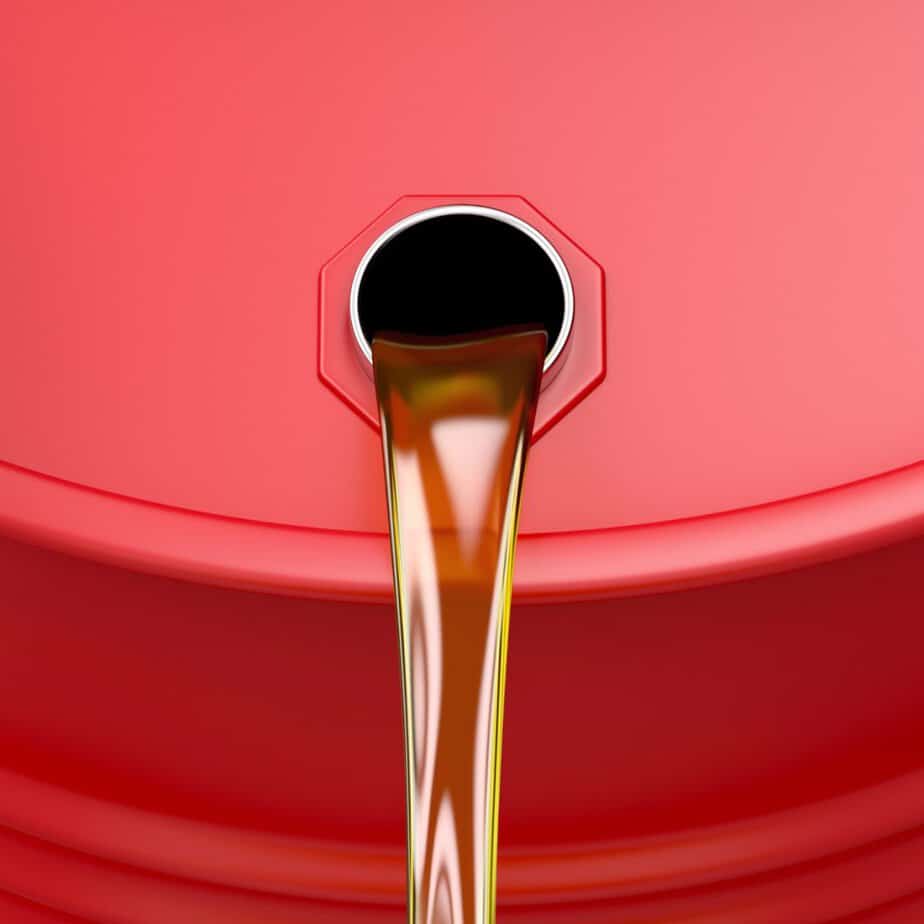
Differential fluid (sometimes called “gear oil”) is a specialized lubricant that keeps the gears inside the differential cool, lubricated, and functioning correctly. Over time, this fluid breaks down, becomes contaminated, and loses its ability to protect the differential’s moving parts. If left unchanged, worn differential fluid can lead to friction, overheating, and even damage to the differential, which can be a costly repair.
How Often Should You Change Differential Fluid?
Knowing when to change differential fluid isn’t always obvious, as it doesn’t have a warning light like oil changes. However, there are some general guidelines:
- Typical Mileage Intervals: Most mechanics recommend changing differential fluid every 30,000 to 60,000 miles. However, this can vary based on your vehicle type, so consult your owner’s manual for your car’s specific interval.
- Driving Conditions Matter: If you frequently tow heavy loads, drive off-road, or encounter extreme temperatures, you may need to change the fluid more often. Tougher driving conditions stress the differential, which can wear down the fluid faster.
Signs That It’s Time to Change Your Differential Fluid
While mileage intervals are a helpful guide, there are also clear signs that indicate it’s time for a differential fluid change. Here are some symptoms to watch out for:
- Noisy Differential or Whining Sounds: If you hear whining, grinding, or howling sounds coming from the rear or underside of your vehicle—especially when turning—it’s a sign that the differential fluid might be worn out or contaminated. Fresh fluid ensures a quiet, smooth ride, but old fluid can create friction between the gears, leading to these unusual noises.
- Burning Smell from Rear Axle Area: A burning odor around the rear axle or underside of the car can indicate overheated differential fluid. When fluid loses its ability to lubricate properly, the differential can overheat, causing that burnt smell. If you notice this odor, have your vehicle checked promptly to prevent further damage.
- Difficulty in Turning or Vibrations: If your car feels “off” when turning or you notice vibrations, it could be due to degraded differential fluid. Worn-out fluid can cause the gears to wear unevenly, leading to rough handling and difficulty turning. Changing the fluid can restore the smooth performance you’re used to.
- Visible Fluid Leaks: Any fluid leak under your vehicle is a warning sign, and if you see dark, thick fluid around the rear axle, it may be differential fluid. Leaks mean your differential could run low on fluid, putting the gears at risk of damage from inadequate lubrication. If you spot a leak, get it checked and, if necessary, refill or change the fluid.
How to Check Differential Fluid Condition
While checking differential fluid isn’t as straightforward as checking motor oil, it can be done with some help.
- Inspecting the Fluid Yourself: If you’re comfortable with basic vehicle maintenance, you can check the fluid yourself. Locate the differential cover on the axle, remove the fill plug, and inspect the fluid inside. Healthy differential fluid is typically golden or light brown. If the fluid looks dark, gritty, or has a burned smell, it’s time for a change.
- Taking It to a Mechanic: If DIY isn’t your style, a professional can easily check your differential fluid. A mechanic will inspect the fluid’s condition, top it off if necessary, or replace it if it’s contaminated or worn out.
The Process of Changing Differential Fluid
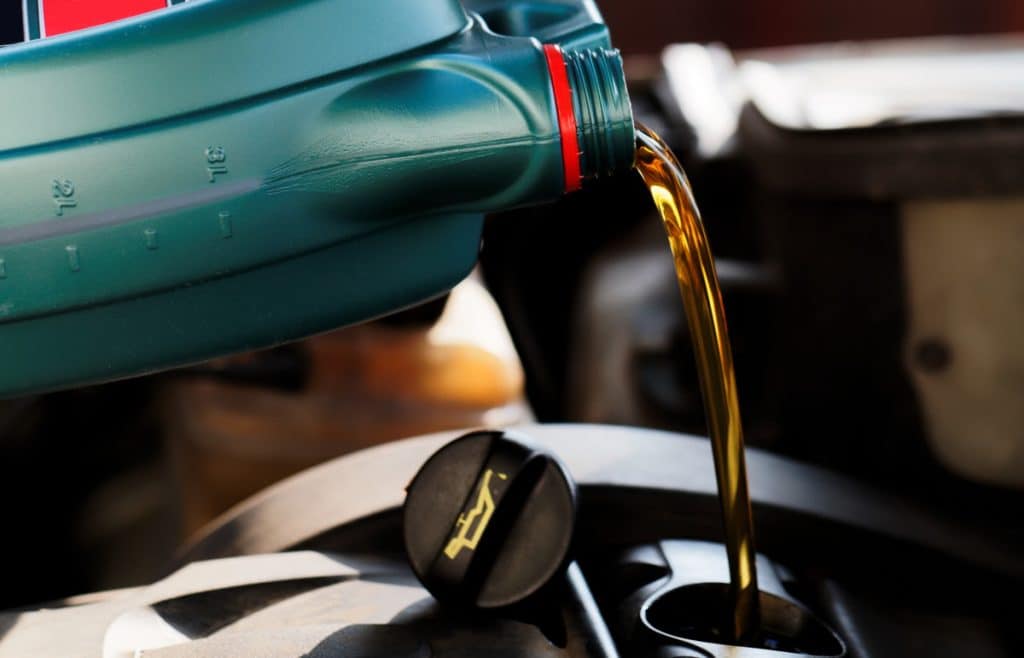
Differential fluid changes aren’t as routine as an oil change, but the process is manageable for those with some automotive knowledge. However, leaving it to a professional is a safe choice if you’re unsure. Here’s a brief overview:
- DIY vs. Professional Service: Changing differential fluid requires lifting the vehicle and draining the old fluid, so it’s a more involved process. Many DIY car enthusiasts can tackle it, but a mechanic can handle it safely if you’re unfamiliar with vehicle maintenance.
- Cost of a Differential Fluid Change: A differential fluid change generally costs between $80 and $150, depending on your vehicle type and location. While it’s not a frequent maintenance item, it’s a worthwhile investment to prevent costly repairs.
Why Ignoring Differential Fluid Changes Can Be Costly
Like any other essential fluid in your vehicle, differential fluid needs regular maintenance to keep the differential functioning smoothly. Neglecting it can lead to:
- Increased Wear and Damage: The worn fluid causes excessive friction over time, leading to wear and tear on the gears inside the differential. Ignoring it could result in significant damage, requiring an expensive repair or even a full differential replacement.
- Reduced Fuel Efficiency: When your differential isn’t properly lubricated, the engine has to work harder, slightly reducing fuel efficiency. Keeping the fluid fresh allows the differential to operate smoothly, helping optimize fuel usage.
- Safety Concerns: Differential fluid is critical for smooth, safe handling, especially during turns. Worn-out fluid can impact handling and stability, which could pose a safety risk, particularly on wet or icy roads.
Stay Proactive with Differential Fluid Maintenance
Changing your differential fluid may not be the first thing that comes to mind when thinking about car maintenance, but it’s a small step that can make a big difference in keeping your vehicle safe and reliable. Watching for the signs we covered—unusual noises, burning smells, or difficulty turning—can help you stay on top of your car’s needs.
By adding differential fluid checks to your regular maintenance list and consulting your owner’s manual, you’ll extend the life of your differential, enjoy a smoother ride, and avoid unexpected repairs. So the next time you schedule maintenance, give a little thought to the differential—it’ll keep your car rolling smoothly for many miles to come!