Skip to content

Electric vehicle (EV) adoption in the United States has reached a tipping point in 2025, with an unprecedented number of Americans transitioning to EVs. This shift is driven by a combination of factors, including environmental concerns, technological advancements, and government policies designed to promote sustainable transportation.
This article explores why EVs have become the vehicle of choice for many Americans and how the industry addresses challenges to drive this change.
Economic Drivers of the EVs Revolution
Lower Total Cost of Ownership
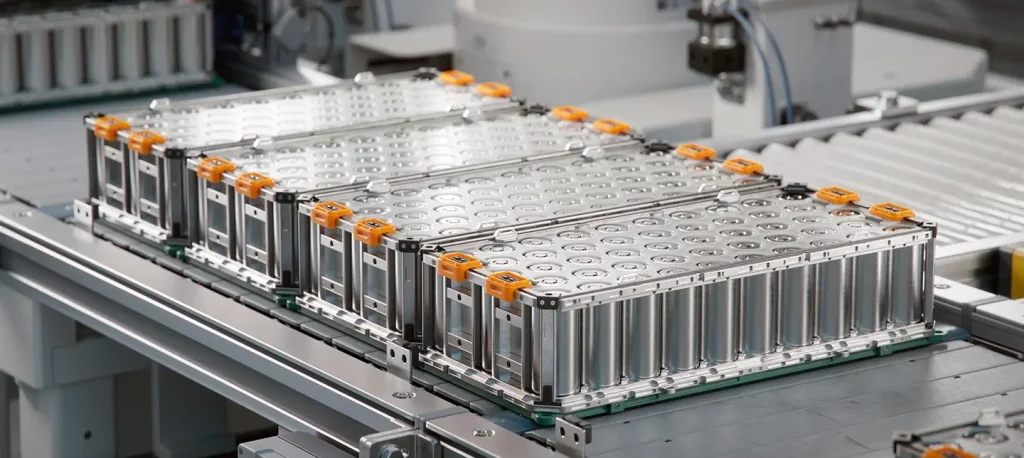
Advancements in battery technology have significantly reduced production costs, making EVs more affordable for the average consumer. According to BloombergNEF, the cost of lithium-ion batteries has dropped by over 80% in the past decade, with further declines expected in the coming years.
Operating costs also favor EVs. Electricity is substantially cheaper than gasoline, and EVs require less maintenance due to fewer moving parts. For instance, Consumer Reports estimates that EV owners save $4,600 on average over the lifetime of their vehicle compared to traditional gas-powered cars.
Incentives and Subsidies
Government support has played a crucial role in the EV revolution. Federal tax credits of up to $7,500 and additional state-level incentives make EVs more accessible. Programs like California’s Clean Vehicle Rebate Project offer rebates of $2,000 or more, while many states provide financial assistance for installing home charging stations.
Escalating Gasoline Costs
Fluctuating and rising gasoline prices continue to push consumers toward EVs. With gas prices exceeding $4 per gallon in some regions, the cost-effectiveness of electricity becomes even more attractive. Coupled with federal fuel economy standards, many consumers see EVs as a long-term solution to reducing fuel expenses.
Environmental and Social Motivations of EVs
Climate Change and Sustainability Awareness
The impact of climate change has heightened consumer awareness of carbon emissions. EVs are a practical way to reduce personal carbon footprints, aligning with global efforts to limit temperature increases below 1.5 degrees Celsius.
Eco-conscious movements, often driven by younger generations, have amplified this trend. Organizations like the Sierra Club emphasize the environmental benefits of transitioning to electric mobility, encouraging more Americans to switch.
Improved Air Quality in Cities
Urban areas, particularly those with high population densities, have seen marked improvements in air quality due to increased EV adoption. Studies indicate that replacing gas-powered vehicles with EVs reduces pollutants like nitrogen dioxide and particulate matter, leading to healthier communities.

Generational Shifts in Values
Millennials and Gen Z prioritize sustainability and innovation, driving the demand for green technologies. Social media platforms have also amplified EV awareness, with influencers and thought leaders showcasing EV ownership’s environmental and lifestyle benefits.
Technological Innovations in EVs
Enhanced Range and Performance
Modern EVs offer ranges exceeding 400 miles, addressing previous concerns about range anxiety. For example, the Tesla Model S and Lucid Air achieve ranges that rival or surpass traditional internal combustion engine (ICE) vehicles.
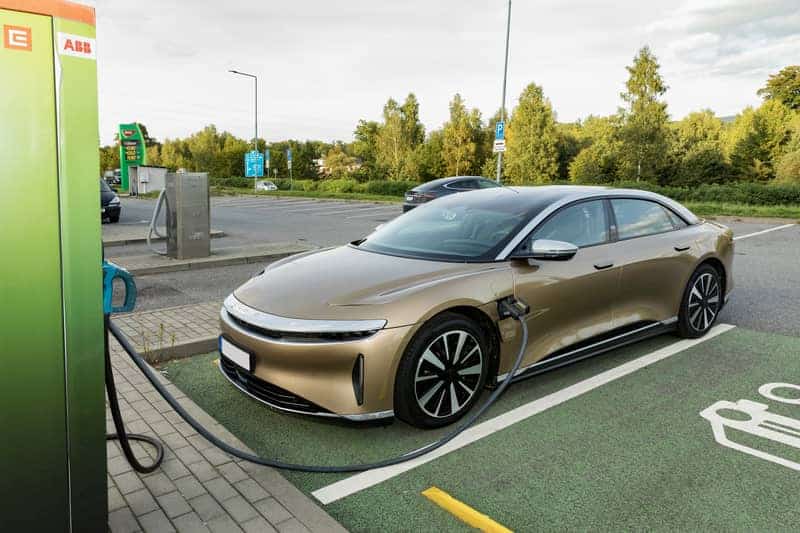
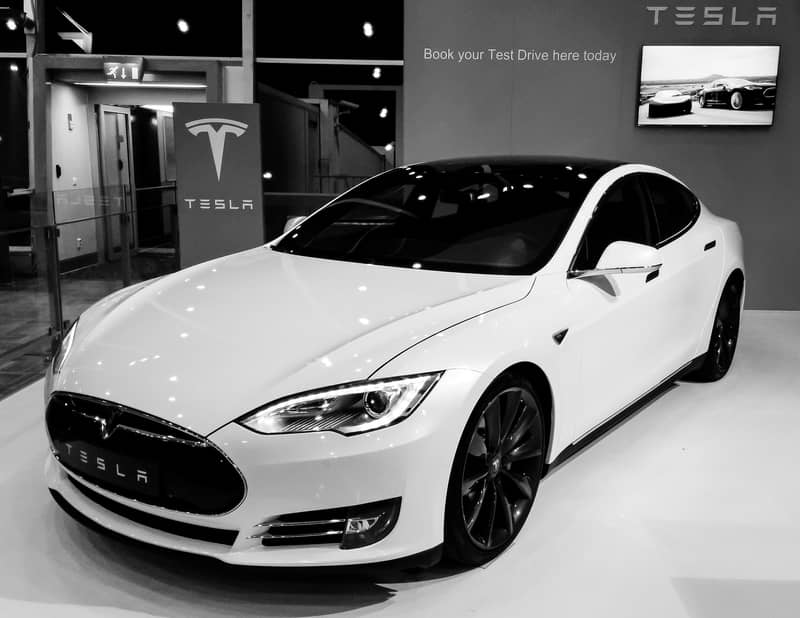
Performance metrics have also improved. EVs like the Porsche Taycan and Ford Mustang Mach-E deliver acceleration and handling comparable to high-performance ICE vehicles.
Expansion of Charging Networks
The proliferation of charging infrastructure has made EV ownership more convenient. Networks like Tesla Supercharger, Electrify America, and ChargePoint have added thousands of fast-charging stations nationwide. Cutting-edge technologies now enable ultra-fast charging, with some stations providing a full charge in under 20 minutes.
Smart Features and Connectivity
EVs are at the forefront of automotive innovation, integrating AI, autonomous driving capabilities, and advanced infotainment systems. Vehicles like the Rivian R1T and BMW iX connect seamlessly with smart home ecosystems, enhancing the driving experience.
Policy and Industry Support
Regulatory Push for Zero Emissions
Federal and state mandates are accelerating the transition to zero-emission vehicles. California’s commitment to phasing out ICE vehicles by 2035 has set a benchmark, with other states following suit. The U.S. Department of Energy’s initiatives further support EV adoption through research and infrastructure funding.
Automakers’ Commitment to Electrification
Major automakers have pledged to electrify their fleets. General Motors, Ford, and Volkswagen have announced plans to transition to all-electric lineups by 2030, investing billions in EV manufacturing and battery development.
Global Influence on U.S. EVs Policy
International trends, particularly in Europe and Asia, have influenced U.S. policies. Countries like Norway, where EVs make up over 80% of new car sales, provide valuable lessons in infrastructure and consumer incentives that the U.S. is adapting.
Addressing Challenges and Misconceptions
Charging Infrastructure and Range Anxiety
While concerns about charging infrastructure persist, technological advancements and increased investment are closing these gaps. Rural areas and underserved communities are now receiving targeted infrastructure development.
Upfront Costs and Financing
Although EVs have higher upfront costs, financing options and lease programs make them more accessible. Long-term savings on fuel and maintenance often outweigh the initial investment.
Expanding Vehicle Options
The EV market now caters to a wide range of consumers, offering everything from luxury models to budget-friendly options. Trucks like the Rivian R1T and SUVs like the Hyundai Ioniq 5 ensure that diverse needs are met.

Driving Into a Greener Tomorrow
Economic, environmental, and technological factors drive the shift to EVs in the United States. With supportive policies, advancing technology, and growing sustainability awareness, EVs represent Americans’ practical and future-ready choice in 2025.
Individuals are crucial in accelerating this transition, contributing to a greener, more sustainable transportation system.