Skip to content

Why We’re Finally Moving Past Gas
For decades, gasoline just made sense. Pull up to any corner, fill up in five minutes, and drive wherever you want. Nobody really questioned it much.
But now? Things are getting interesting. Climate-related issues are harder to ignore these days. The air in some cities gets pretty rough, especially if you have kids with asthma or whatever. Plus, there’s this whole energy independence angle that politicians won’t stop talking about, though honestly, it does make some sense.
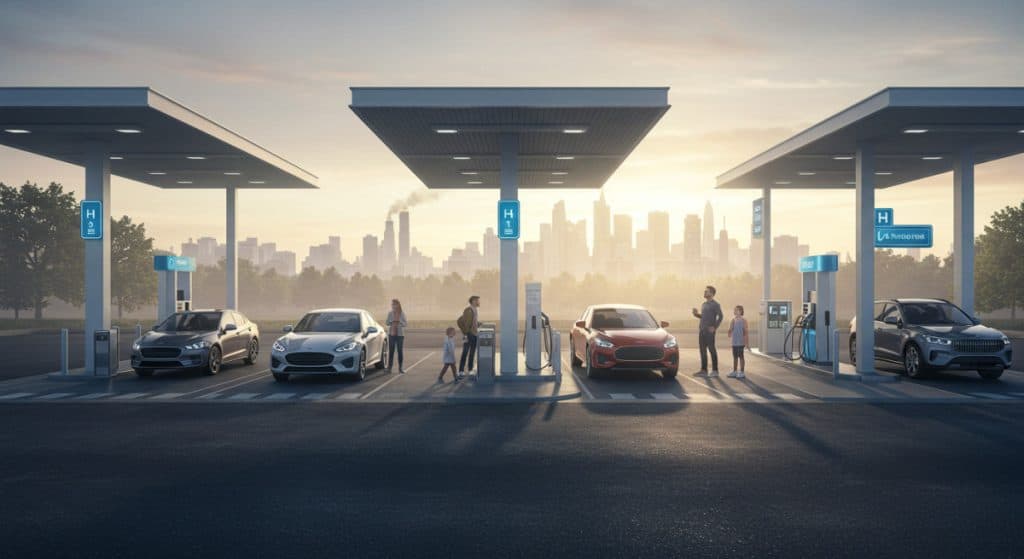
What’s wild is how many options are suddenly popping up everywhere. Some actually work right now. Others feel like they’re still figuring things out. There’s no clear favorite yet, which might actually be good. Different people need different things. The future may end up being this weird mix nobody saw coming.
It gets confusing trying to keep track of it all. But there’s something kind of exciting about all this stuff happening at once.
Electric Cars: The Quiet Thing That Snuck Up on Everyone
Electric cars are pretty much leading right now. No gas, just batteries. Zero tailpipe emissions. They’re weirdly quiet when you drive them. And when you step on the gas pedal (do we still call it that?), the acceleration hits immediately. First time behind the wheel catches people off guard.
The numbers are getting real. One out of every five new cars sold globally is electric now, including both fully electric and plug-in hybrids. Norway basically said “screw it” and went almost all electric. There are already something like 58 million electric cars driving around the world. This isn’t some future thing anymore.
Tesla obviously started the whole mainstream electric thing, but now everyone’s jumping in. GM says they’re going all-electric by 2035. Ford’s betting big on electric trucks with the F-150 Lightning. Even luxury brands like Mercedes and BMW are rolling out electric versions of their popular models.
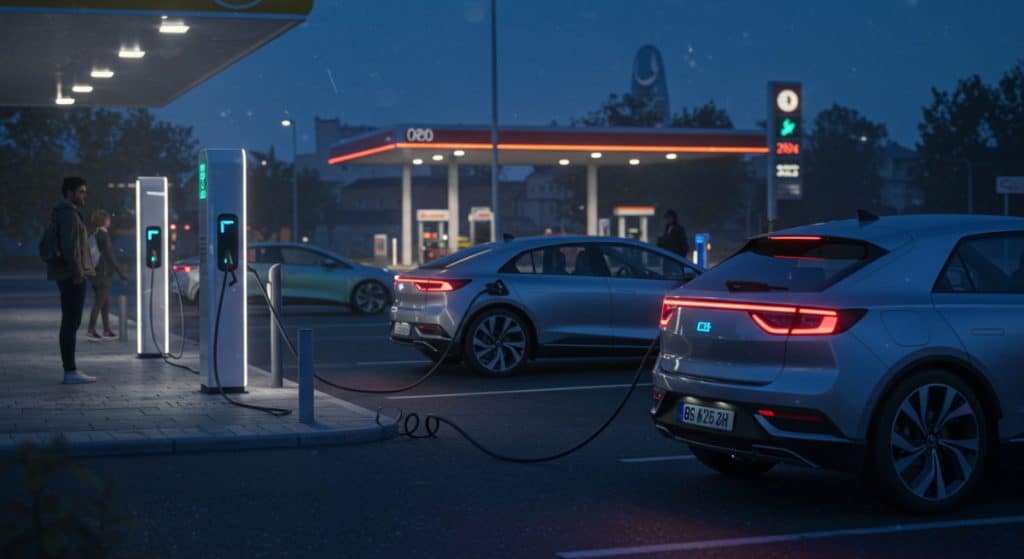
Still has problems, though. People worry about running out of juice in the middle of nowhere, and honestly, that’s not completely crazy. Charging stations are hit or miss, depending on where you live. Some places have them everywhere. Others? Good luck. And charging takes way longer than filling up a tank. If you park on the street or in some apartment complex, finding a reliable way to charge gets tricky fast.
But batteries keep getting better. Prices are coming down, though maybe not as fast as everyone hoped. Pretty much every car company has made big promises about electric lineups. For people doing mostly city driving or suburban commutes, electric already makes sense. Battery recycling and reuse are also becoming more common, which helps the environmental picture.
Hydrogen: Sounds Perfect, Probably Isn’t
Hydrogen fuel cells do this chemical thing with hydrogen and oxygen that makes electricity. Only thing that comes out is water vapor. Sounds amazing, right? Fill up quick, drive far, quiet like electric.
Toyota has been pushing hydrogen hard for years with their Mirai sedan, and they’re not backing down. Hyundai’s doing it too with their Nexo SUV. Both companies seem convinced this is the future, even when everyone else is going electric.
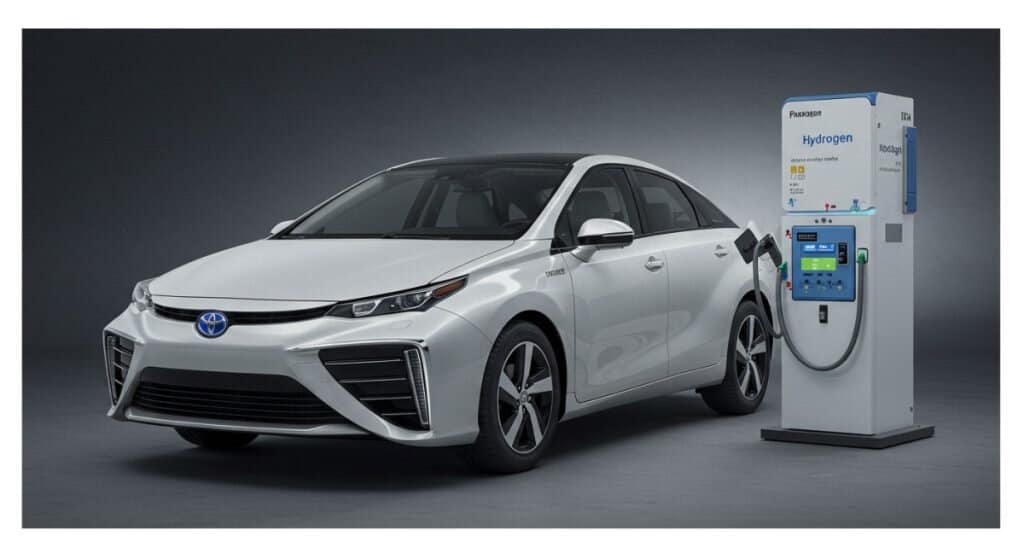
Except there are barely any hydrogen stations. They’re expensive to build and in most places they just don’t exist. Also, turns out a lot of hydrogen still gets made using fossil fuels—what they call gray hydrogen—which kind of defeats the point. There are cleaner versions like blue hydrogen (made with carbon capture) and green hydrogen (made with renewables), but those aren’t widespread yet.
Hydrogen might work for specific things though. Big trucks doing long hauls, buses, industrial stuff. The quick fill-up and long range could be perfect for that. Regular drivers? Probably not happening anytime soon. But it might do important work behind the scenes. One more thing—using electricity to make hydrogen and then turn it back into electricity in a fuel cell isn’t very efficient compared to just using that electricity to charge a battery.
Biofuels: Your Car Eating Plants
Ethanol and biodiesel are already everywhere, most people just don’t notice. That gas you pump probably has 10 percent ethanol mixed in. Some trucks run on biodiesel made from soybean oil or used restaurant grease. Kind of weird when you think about it.
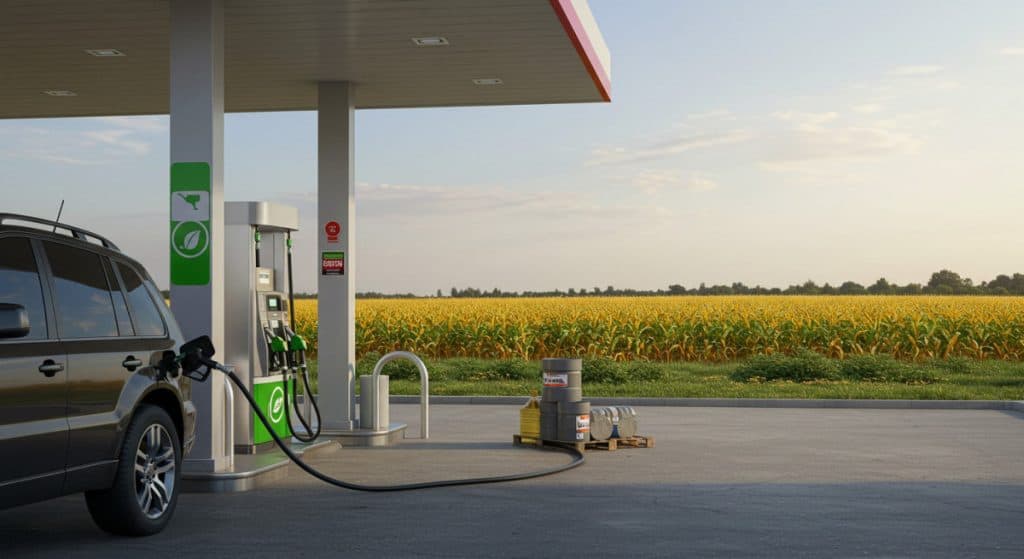
The idea makes sense though. Plants suck up carbon dioxide when they grow. Same carbon gets released when you burn the fuel. Not perfect, but it’s more like a circle than just burning old dead stuff from underground. That said, the real environmental impact depends on how and where the crops are grown, what kind of land is used, and how much fertilizer and water it takes. It’s not automatically green.
Brazil went pretty big on ethanol and it seems to work for them. They mix way more in their gas and have tons of cars that can run on whatever mix. But using farmland for fuel instead of food gets complicated.
For right now, biofuels work pretty well. They go in regular cars, use existing gas stations, and cut emissions compared to straight gasoline.
Synthetic Fuels: Making Gasoline in a Lab
Synthetic fuels take carbon dioxide and hydrogen, do some chemistry with renewable electricity, and make something that acts exactly like gasoline. Sometimes called e-fuels. Drop it in any regular engine and everything mostly works the same, though some engines might need minor tuning, especially for emissions systems.
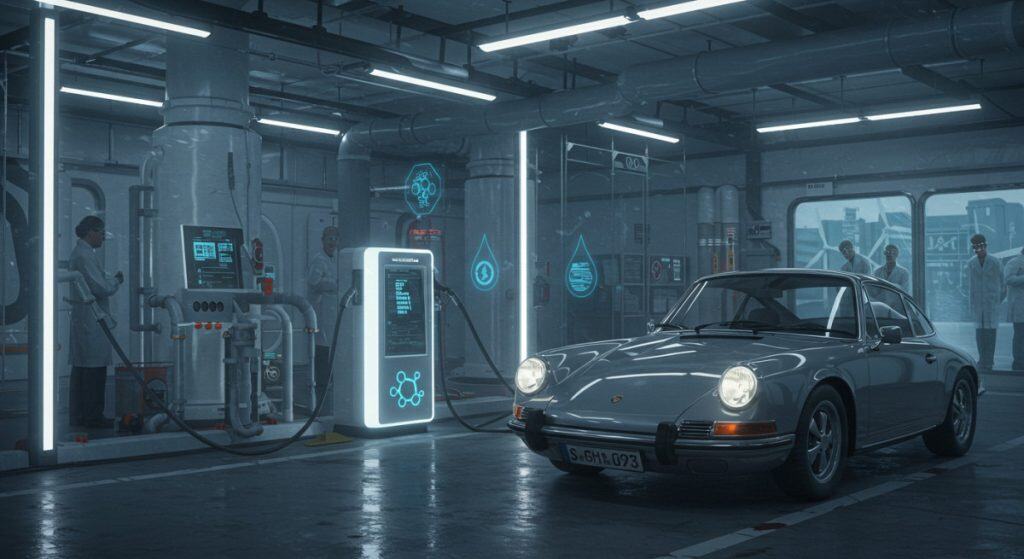
Porsche is probably the biggest name pushing this technology. They’re building a pilot plant in Chile to make synthetic fuel, partly because they want to keep classic 911s running without converting them to electric. Ferrari and other luxury brands are watching closely too.
Takes a ton of energy to make and costs way too much right now. That’s the big problem. But there might be spots where it makes sense. Classic car people who don’t want to mess with their vintage stuff. Race cars. Airplanes. Places where going electric is hard or just feels wrong.
Since synthetic fuels work with everything that already exists, they could fill some gaps. Not for everyone, but useful in certain situations—especially if they’re made using renewable energy and captured CO2.
Natural Gas: The Boring Option That Works
Compressed natural gas and propane have been around forever. They’re not exciting or revolutionary. Actually feel kind of old-fashioned at this point. But they work.
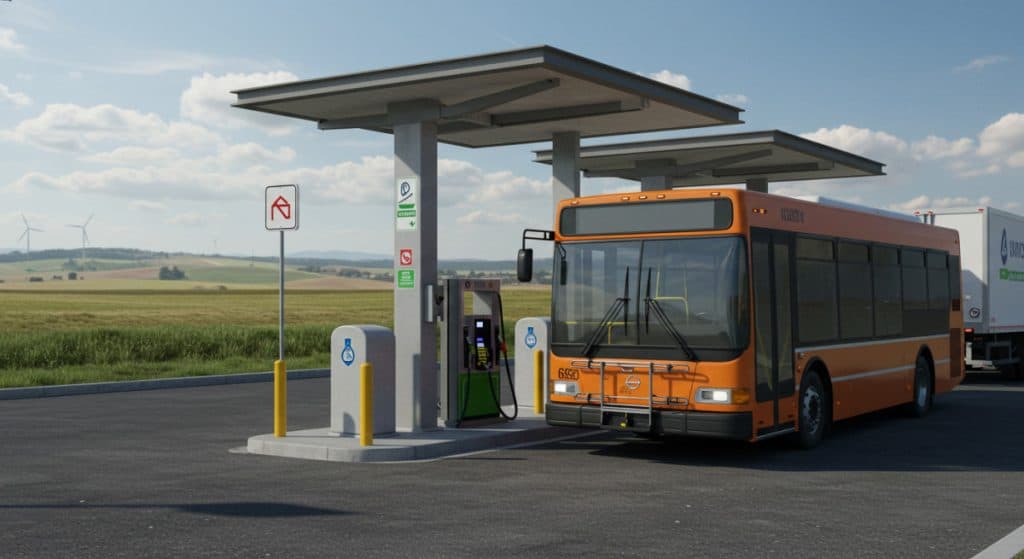
Burn cleaner than gasoline and usually cost less. Lots of buses and delivery trucks already use them. Sometimes you can even get renewable natural gas from landfills or farm waste, which makes it cleaner. That said, methane leaks during extraction and distribution can cancel out a lot of those climate benefits if not carefully managed.
Natural gas doesn’t get much attention, but it keeps doing its job.
The Weird Stuff: Science Projects and Long Shots
Some fuels are still in the lab or barely exist in the real world. Algae fuel sounds cool but scaling it up has been a pain. Ammonia might work for big ships crossing oceans.
There’s also this thing where you burn hydrogen directly in engines instead of using fuel cells—called hydrogen internal combustion engines. BMW and Toyota are both experimenting with this approach. They’re being tested in heavy trucks but aren’t as efficient as fuel cells. Cellulosic ethanol is made from grass and other agricultural byproducts, rather than food crops. Looks better on paper but turns out to be complicated to actually make.
Hybrids probably belong here too. Toyota basically perfected this with the Prius and now almost every manufacturer offers hybrid versions of their popular models. Not new, not exciting anymore, but they’re still helping people use less gas without making significant changes to their driving habits. And there are different kinds now—mild hybrids, full hybrids, plug-in hybrids—all doing their bit.
So What’s Going to Win? (Spoiler: Nobody Knows)
Maybe nothing wins completely. Different places, different vehicles, different situations might need different solutions. What works for driving around town might be terrible for hauling freight across the country. Some areas might go mostly electric. Others might stick with biofuels or hybrids for years.
Politics will mess with it. So will money and what people actually want to buy. It’s not going to be simple or neat.
But here’s the thing. All these options, even the messy, imperfect ones, are cleaner than just burning regular gasoline. That’s what actually matters.