Skip to content

You park for twenty minutes. Come back, start the car, and it sounds like a straight-pipe race car. That sinking feeling is familiar to too many drivers.
Short answer: catalytic converters are a hot target because they contain valuable precious metals, are fast to remove on many vehicles, and have had a strong resale market. The good news is that layered prevention works, and recent laws plus enforcement have started to push theft down in some places.
Below, we will explain what thieves want, which cars are most at risk, how theft happens, what really helps, and what to do if it happens to you.
Quick Primer: What a Catalytic Converter Does
A catalytic converter sits in the exhaust and uses precious metals to convert pollutants into less harmful gases. It is a key emission control device and is covered as a “specified major component” under federal emissions warranty rules for many vehicles.
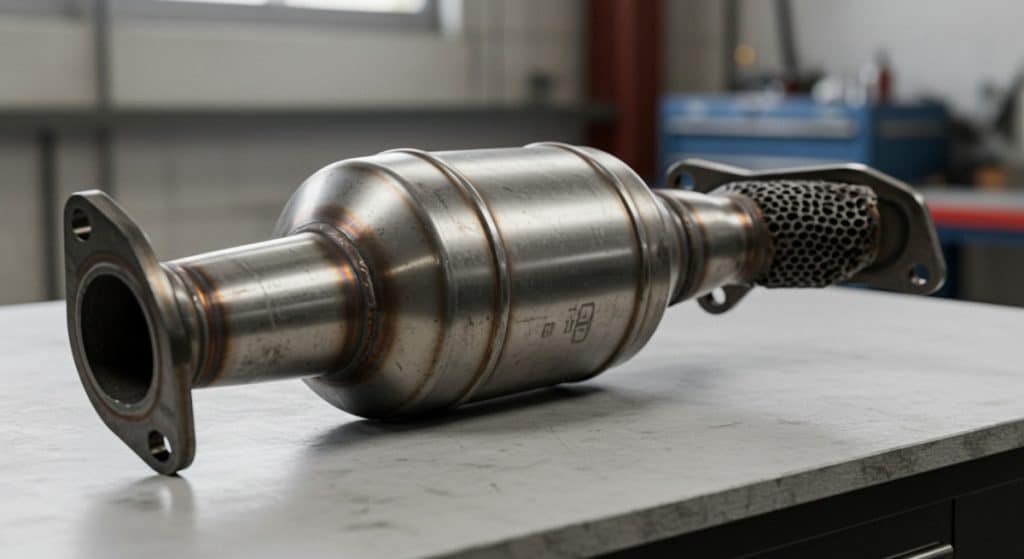
Why thieves care is simple. Inside are small amounts of platinum, palladium, and rhodium. Prices move around, but the combined value has been high enough to fuel organized theft.
Why Theft Became So Common
Three forces lined up.
- Metal value. Rhodium, palladium, and platinum spiked over the last few years, which made even small quantities worth stealing. Thieves sell converters into shady recycling streams that extract these metals.
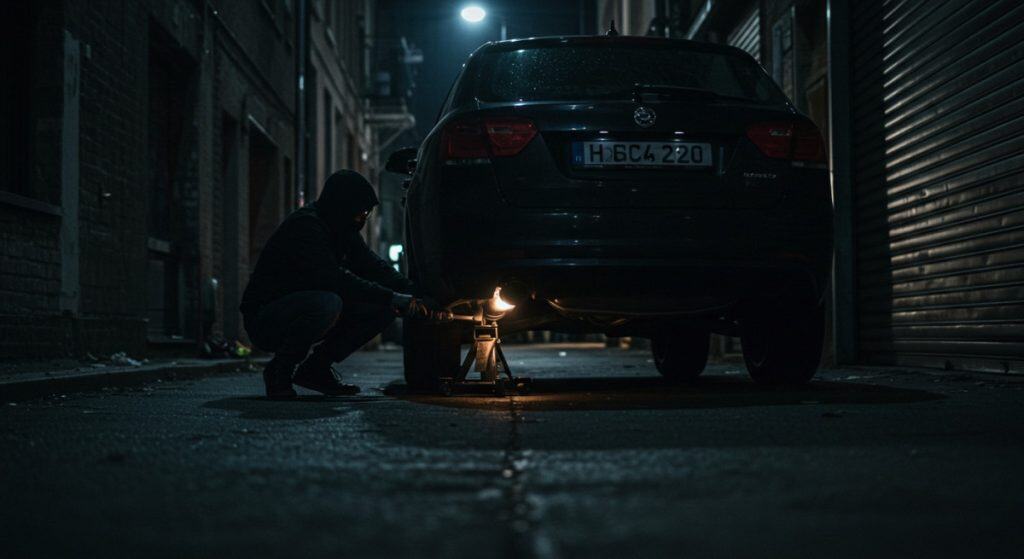
- Speed. On many vehicles, a thief can jack a car, cut two pipes, and be gone in a couple of minutes.
- Fencing networks. Middlemen and unregulated buyers made it easy to move stolen parts. Some networks have since been prosecuted.
Claims data show how quickly this grew. U.S. insurance claims jumped from roughly 16,660 in 2020 to 64,701 in 2022. (National Insurance Crime Bureau)
There is a small bit of good news. Early data from 2023 and some 2024 reports suggest theft claims fell in several areas as laws tightened and enforcement increased. It is not universal, but it is a real trend in certain states. (AP News)
Which Vehicles Are Most Targeted?
Nationally and in large states like California, hybrids and some trucks and SUVs show up most. The Toyota Prius is a frequent headliner, along with popular pickups and vans. Hybrids are appealing because their converters tend to be cleaner internally, which can mean more recoverable metal.
Does that mean your car is next if it is on a list? Not necessarily. Risk also depends on local demand, ride height, parking patterns, and the ease of access to your exhaust layout.
How Thieves Steal One
Typical pattern:
- Spot a vehicle with good ground clearance or a known-target model.
- Jack up one side or slide under.
- Use a battery saw to cut the converter out, then leave immediately.
It is crude and loud, but it is fast. Many parking lots have enough ambient noise that a few seconds of cutting does not trigger a reaction. That is why you need multiple layers of protection, not just a single deterrent.
Prevention That Actually Helps
No solution is perfect. Your goal is to make your car a harder target than the one next to it.
1) Park with intent
- Choose a garage when you can. If outside, pick bright, busy, and camera-covered spots.
- Nose-in parking over low curbs can block access.
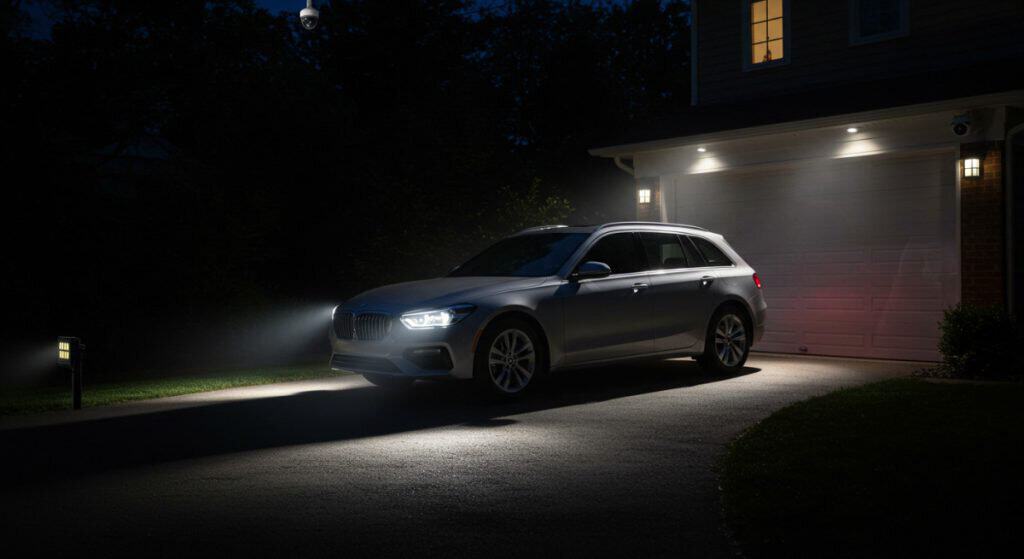
- At home, add motion lighting and a camera that captures plates. These basics are still core NHTSA advice for theft prevention.
2) Physical protection on the converter
- Shields or cages. Bolt-on plates or stainless cages make cuts harder and noisier. They also add time, which thieves hate.
- Welded collars or extra hanger clamps at cut points can slow a saw.
- High-temp paint plus engraving. Mark the shell with your VIN or plate number and a bright color. It helps police trace parts and makes resale riskier for thieves. Several public agencies recommend VIN etching and visible marking.
3) Alarms and sensors
- A tilt or vibration trigger on a sensitive alarm can catch the jack-and-cut routine.
- Calibrate so it is not a nuisance. False alarms make neighbors ignore the real thing.
4) Raise the social cost
- Join neighborhood or workplace programs that offer free etching days or discounted shields for common targets.
- Some insurers or city programs partner with shops for kits. It is worth asking.
5) Insurance checkup
- Comprehensive coverage is what usually applies to converter theft. If you carry liability only, you may be on the hook for parts and labor. Talk to your insurer before something happens so you know deductibles and approved shops.
What works best in practice? In my experience, a shield plus smart parking is the sweet spot for high-risk models. VIN marking is cheap and quick. Alarms help, but installation quality matters.
Do New Laws Help?
Yes, and you can see it in some local data. Many states now require scrapyards to verify seller identity, record converter serials or associated VINs, and hold payments or report sales to law enforcement. These rules make it harder to fence stolen parts. Results vary by how well the rules are enforced, but several states report declines after tightening buyer requirements and pursuing large fencing rings.
If you sell a used converter legally, expect paperwork. That is the point.
If Yours Is Stolen: What To Do Next
- Do not drive far. The car will be loud and may have hot exhaust blowing at parts that were never designed for it.
- Call police and file a report. You will need the case number for insurance. Provide any camera footage.
- Call your insurer. Ask about comprehensive coverage, deductibles, approved repair shops, and whether a shield can be added during the repair.
- Use a reputable shop. On CARB states like California, make sure the replacement converter is compliant for your vehicle and model year to avoid inspection problems later.
- Install prevention during the repair. Adding a shield or cage while the exhaust is already being worked on usually saves labor.
Costs and Practical Realities
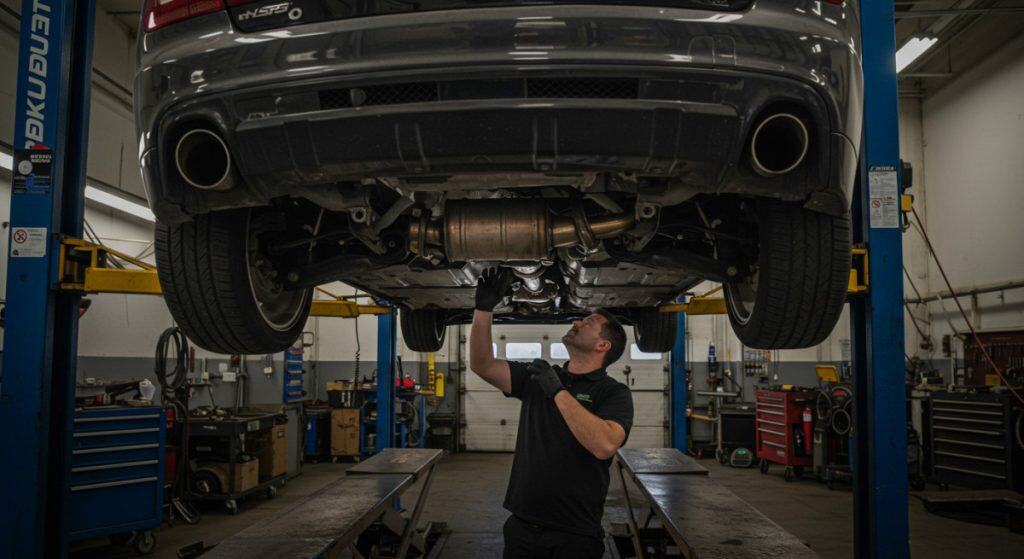
Replacement cost ranges widely. Labor varies by vehicle, and compliant converters for certain models can be expensive. Hybrids can be higher due to converter design and demand. Insurance can blunt the cost if your policy includes comprehensive. If you pay out of pocket, compare quotes and ask about adding protection during the same appointment.
Is theft going away soon? Probably not entirely. But as fencing gets harder and metal prices fluctuate, opportunistic theft falls. We have already seen claim reductions in some regions as enforcement tightened. Keep pressure on the easy parts: where you park, what protection you install, and how traceable your converter looks from underneath.
FAQs
Why are Priuses and some trucks targeted more often?
Ground clearance makes access easier on trucks and SUVs, and some hybrid converters are highly valued by buyers. That combination attracts thieves.
Will painting or engraving alone stop theft?
Not by itself. The goal is to stack deterrents. Marking raises resale risk for thieves and can help law enforcement return property, but pairing it with a shield and smart parking is more effective.
Can I get my converter back if police recover a lot of parts?
Sometimes. Traceability through a VIN or serial number helps. That is a big reason agencies push engraving and documentation
Do aftermarket converters pass inspection everywhere?
No. States like California require CARB-approved converters matched to the vehicle. Always confirm fit and compliance before you buy.
Is this only a big-city problem?
It is worse in dense areas, but suburban park-and-rides and apartment lots are common targets. Thieves like lots with a mix of vehicles and predictable turnover.
The Bottom Line
Catalytic converter theft surged because the math favored criminals. Precious metals were high, access was easy, and resale channels were loose. Owners are not powerless, though. Shields, smart parking, alarms, and traceable markings change the math again. Laws are catching up, and some regions are seeing theft drop. Stack your defenses, check your insurance, and if you drive a known-target model, treat prevention as standard equipment.
Related Resources
- https://ncoil.org/wp-content/uploads/2023/11/2023-Catalytic-Converter-Statutes-2023-10-31.pdf
- https://apnews.com/article/state-farm-catalytic-converter-theft-7bde2bc423911046b4de3bc6ae59af65
- https://www.ctinsider.com/connecticut/article/ct-catalytic-converter-theft-crimes-2025-20298474.php
- https://www.nicb.org/news/regional-news/catalytic-converter-theft-californiawhat-vehicles-are-risk
- https://www.nhtsa.gov/vehicle-safety/vehicle-theft-prevention
- https://www.walkerexhaust.com/support/exhaust-101/carb-vs-epa.html
- https://www.usaa.com/advice/does-insurance-cover-catalytic-converter-theft/