Skip to content

Why EV Batteries Need a Big Leap
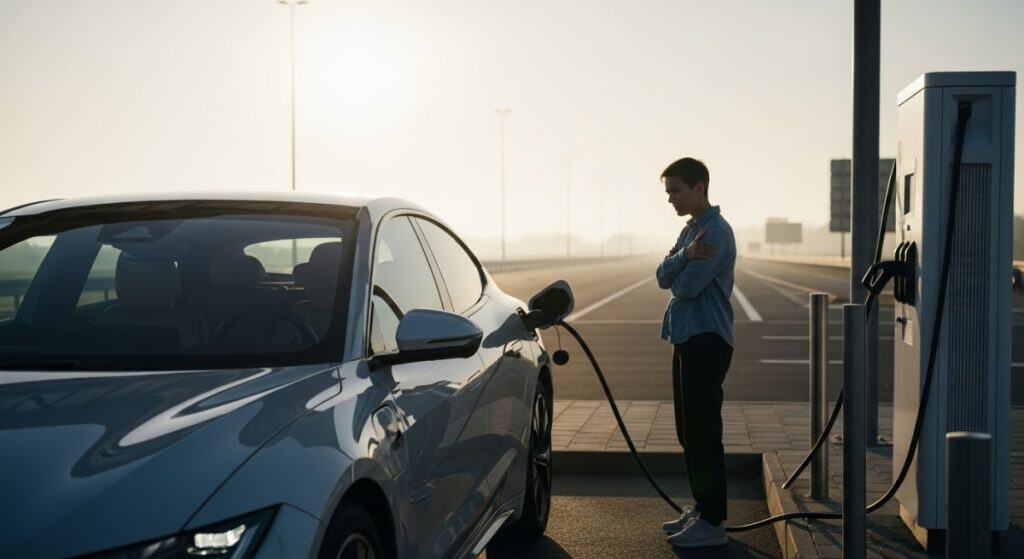
Modern EVs are genuinely good now. For daily commuting, a lot of people are perfectly happy. The car charges at home, range is fine most days, and reliability is strong. But the same three worries keep coming up whenever you talk honestly about EVs:
- Range still feels tight on longer trips
- Fast charging does not feel as quick or simple as filling a tank
- People are nervous about what happens to the battery after 8 to 10 years
Current lithium ion packs, with liquid electrolytes and graphite anodes, are edging toward what you can reasonably squeeze out of them. New chemistries and tweaks still help, but you are mostly seeing small steps, not big jumps.
Solid-state batteries get so much attention because they promise something closer to a proper leap. On paper you get more range, faster charging, better safety and longer life all together. That sounds almost too neat, which is why it helps to unpack what is actually different and how much of that potential is likely to survive contact with real roads and real drivers.
What Makes a Solid-State Battery Different
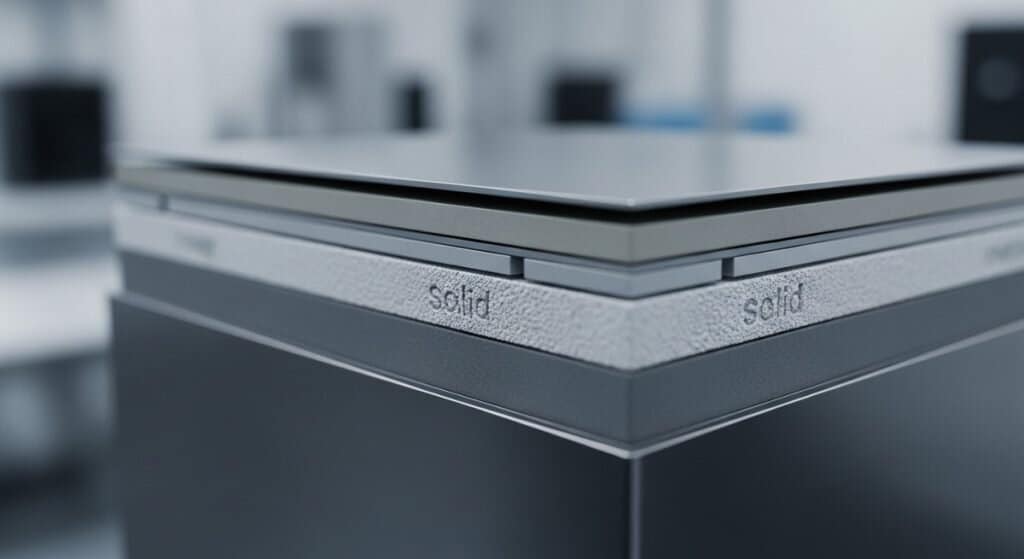
Inside a typical EV cell you have three main parts:
- A cathode on the positive side
- A graphite anode on the negative side
- A liquid electrolyte soaked into a separator between them
Lithium ions move through that liquid back and forth between the electrodes while the battery charges and discharges.
A solid-state battery keeps the basic idea but swaps two critical elements:
- The liquid electrolyte is replaced by a solid electrolyte, often ceramic, polymer or a hybrid
- In many designs the graphite anode is replaced by lithium metal
Those two changes do not sound dramatic, but they completely change how the cell behaves. A solid electrolyte is far less flammable and can be more stable under abuse. A lithium metal anode can store much more energy in the same space than graphite. You are still just moving lithium around, but both the plumbing and the storage tank are upgraded.
How Solid-State Batteries Could Change EV Performance
Higher Energy Density and Longer Range

Energy density is a simple question: how much energy can I store per kilogram or per liter. With a lithium metal anode and a solid electrolyte, you can push that number significantly higher than with a graphite and liquid setup.
In real cars that gives manufacturers two main options:
- Use the extra energy density to offer longer range from a similar size pack
- Keep roughly the same range and shrink the pack, saving weight and materials
The very first solid-state EVs probably will not hit the wildest headline ranges you might see hinted at in presentations. Even a 20 to 30 percent bump in usable energy, though, is a big change in day to day use. Suddenly you are thinking less about planning range and more about just driving.
Faster Charging As a Design Target
Charging time is the other headache. Even with good DC fast chargers, you are usually committing to a proper stop, not a quick splash and go.
Solid-state cells aim to push that closer to the fuel station feel. A solid electrolyte can handle higher current more gracefully, and a well designed lithium metal interface can accept ions faster without turning into a damaged mess. That is why you see targets like a 10 to 15 minute fast charge for a large chunk of the battery.
The reality check is that first generation cars will probably be tuned a little conservatively. Carmakers would rather have slower, reliable fast charging than impressive numbers that stress the packs. You should expect better than today, just not magic refills on day one.
Safety Advantages of Solid Electrolytes
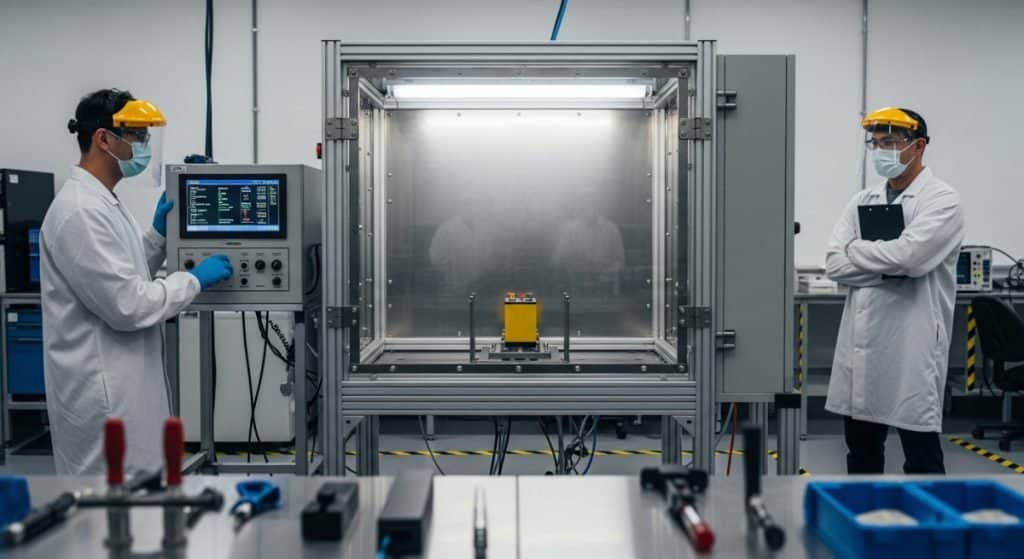
Today’s lithium ion batteries rely on organic liquid electrolytes that are flammable. Under rare but severe conditions, like an internal short, intense overheating or serious crash damage, you can get venting and in the worst cases thermal runaway and fire.
A solid electrolyte removes most of that liquid fuel from inside the cell and adds a tougher physical barrier between the electrodes. That does not make a car immune to fire, there is still a lot of stored energy in the pack, but it lowers the risk of the most dramatic failure modes and makes abuse behavior more predictable.
For drivers that means less to worry about in edge cases. For manufacturers it means fewer nightmare scenarios and an easier conversation with regulators.
Longer Lifespan and Slower Degradation
The last big promise is longevity. If the solid electrolyte and its interfaces to the electrodes are stable, solid-state cells can handle more charge and discharge cycles before the capacity drops too far.
In practice that means:
- Range stays closer to new for more years
- Pack replacements become less common
- Used EVs look less scary from a battery point of view
Some companies talk about very long lifetimes for these packs. Reality will probably be more modest than the most optimistic quotes, but even a clear, repeatable improvement over today’s best lithium ion packs is a real win when you are on year eight or ten of ownership.
The Engineering Roadblocks Solid-State Still Faces
Here is where things get less glossy. The reason solid-state has been described as “a few years away” for so long is not that the concept is wrong. It is that turning the concept into millions of affordable, durable packs is hard.
Manufacturing and Scale Up Challenges
You cannot just swap in a new electrolyte and call it a day. Solid-state cells need new materials, different architectures and very tight control over how the layers meet.
Some of the problems engineers are wrestling with:
- Solid to solid interfaces that lose contact over time, adding resistance
- Ceramic electrolytes that can crack as electrodes expand and contract
- The jump from small lab cells to large automotive cells while keeping yields high
In a lab you can baby a cell and get beautiful graphs. In a gigafactory you need thousands of large cells per hour that all survive years of potholes, vibration and temperature swings. That is where a lot of today’s investment is directed, quietly and without splashy headlines.
Why Solid-State Is Still Expensive Right Now
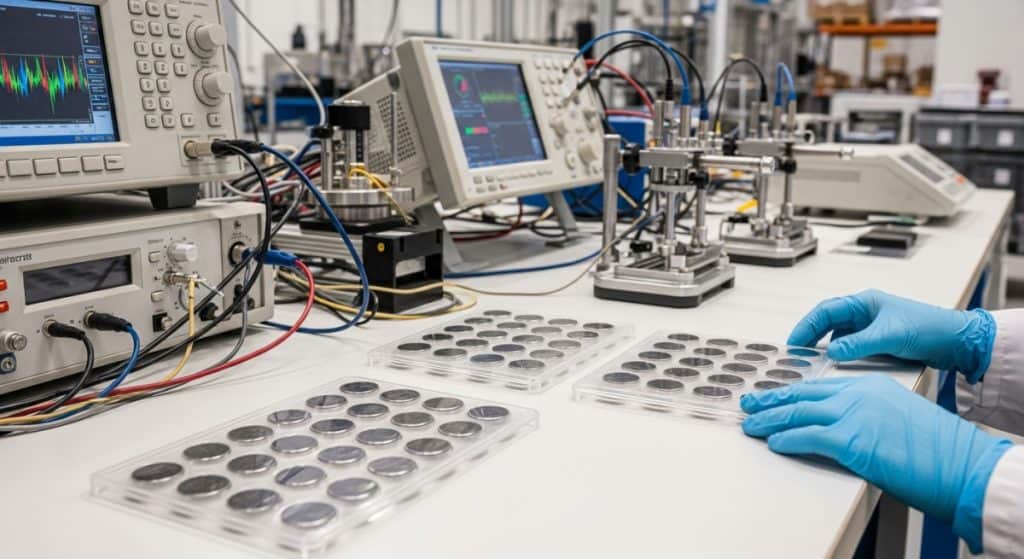
New processes, new materials and low early yields add up. Early solid-state cells are simply costly to produce. At the same time, conventional lithium ion keeps sliding down its cost curve as factories get bigger and processes improve.
That means solid-state batteries has to be not just better than today’s lithium ion, but better than whatever lithium ion looks like in the late 2020s and early 2030s. For now, that is one reason you mostly hear about solid-state packs in the context of high end or limited volume cars. That is where the economics can be made to work first.
Durability, Dendrites and Real-World Abuse
Lithium metal anodes come with a well known problem: dendrites. These are tiny needle like growths that can poke through the electrolyte and cause internal shorts. Making the electrolyte solid helps, but under the wrong conditions dendrites can still form, or the solid layer can crack as the cell cycles.
Then you have to add reality: cold mornings, hot summers, fast charging on every holiday trip, rough roads and owners who never think about “best practice” anything. The pack has to handle all of that while still delivering the promised life and safety.
A lot of people inside the industry quietly expect the second and third generation of solid-state designs to be where the technology really settles into its stride. The first wave is where you find out which edges are still sharp.
Companies Racing to Bring Solid-State Batteries to Market
Almost every big automaker has a solid-state batteries program, but some talk about it more openly than others.
- Toyota has repeatedly pointed to the 2027 to 2028 window for launching vehicles with solid-state packs, likely starting with higher end EVs or advanced hybrids.
- Nissan is working toward a similar timeframe for its first solid-state EV.
- BMW is testing all solid-state cells from Solid Power in an i7 prototype and talking about broader use in the early 2030s.
Alongside them are the battery specialists that provide the core technology, including QuantumScape, Solid Power, Factorial Energy, ProLogium, Samsung SDI, CATL and BYD. They work on the cells themselves while the automakers design packs and vehicles around them.
If you stitch all the public plans together, the rough timeline looks like this: pilot lines and test vehicles through the mid 2020s, first customer cars with solid-state packs around 2027 to 2028 in small numbers, then a gradual spread into more models through the early 2030s as cost and confidence improve. It is more slow migration than overnight revolution.
Where Solid-State Batteries Will Show Up First
You should not expect the first solid-state packs to appear in entry level hatchbacks. The early adopters will almost certainly be:
- Luxury EVs and performance models where buyers can tolerate a price premium
- Halo vehicles used as technology showcases
- Possibly high tech hybrids with smaller packs that are cycled frequently
Those segments are perfect for expensive new tech and for collecting real world data without committing the entire lineup. Geographically, Japan and parts of Europe will probably see the first models, simply because that is where many of the leading programs are based. Other markets will follow as production ramps.
Is Solid-State Batteries Hype Or The Real Deal
There is some hype, and there is a lot of real work behind it. The underlying physics is solid, prototypes are driving around in test cars, and very conservative companies are spending serious money on this. That is not what “fake” technology looks like.

The hype shows up when timelines are treated as carved in stone and all the benefits are assumed to arrive in full, in the first generation and at a friendly price. That is not how batteries, or manufacturing, have ever worked. Schedules slip, first generation products are cautious, and markets evolve step by step.
So solid-state batteries is both real and important, but it is not a magic switch that suddenly makes every current EV obsolete on a specific year. It is a big next step that will take time to filter through the market.
What This Means If You Are Shopping For an EV
From your perspective as a driver, a mature solid-state battery pack would feel very simple:
- You charge less often because the range is higher
- Your fast charge stops are shorter and less stressful
- There is less drama around rare but high profile battery fire stories
- The car’s range does not sag as quickly with age
That is an easy set of benefits to like. The tricky part is timing.
If you need or strongly want an EV in the next one to three years, waiting purely for solid-state batteries usually does not make sense. Today’s lithium ion based EVs are already very capable, and you will get many years of use out of one before solid-state batteries shows up in anything like a mainstream, affordable product.
If your buying window is more like five to seven years, then solid-state becomes part of the conversation. It is worth watching what Toyota, Nissan, BMW and others actually deliver in the late 2020s, how those early cars are priced, how they charge and what kind of warranties sit behind the packs. When you look at first generation solid-state cars, treat them like any new major technology: exciting, but still proving themselves.
The Big Picture: How To Think About Solid-State Batteries
Solid-state batteries deserve the attention they are getting. In theory they line up almost perfectly with the EV wish list: more range, faster charging, calmer safety profile and longer life in the same package. In practice there is still a lot of hard engineering between lab results and a mass market family car.

The most sensible mindset right now is cautious optimism. Solid-state batteries is coming and it will matter, especially through the 2030s. In the meantime, it should not paralyze you. Buy the EV that fits your life today, knowing that your second or third electric car will probably benefit from this next wave of battery tech once it has fought its way through factories, test fleets and a few million real world miles.