Skip to content

Maintaining your car’s electronics and belts ensures smooth operation and avoids costly breakdowns. While repairs can sometimes seem expensive, numerous affordable solutions are available to keep your vehicle running efficiently without breaking the bank. This article explores practical strategies for repairing electronics and belts in your car, providing insights into cost-effective maintenance practices.
Understanding the Basics
Car Electronics
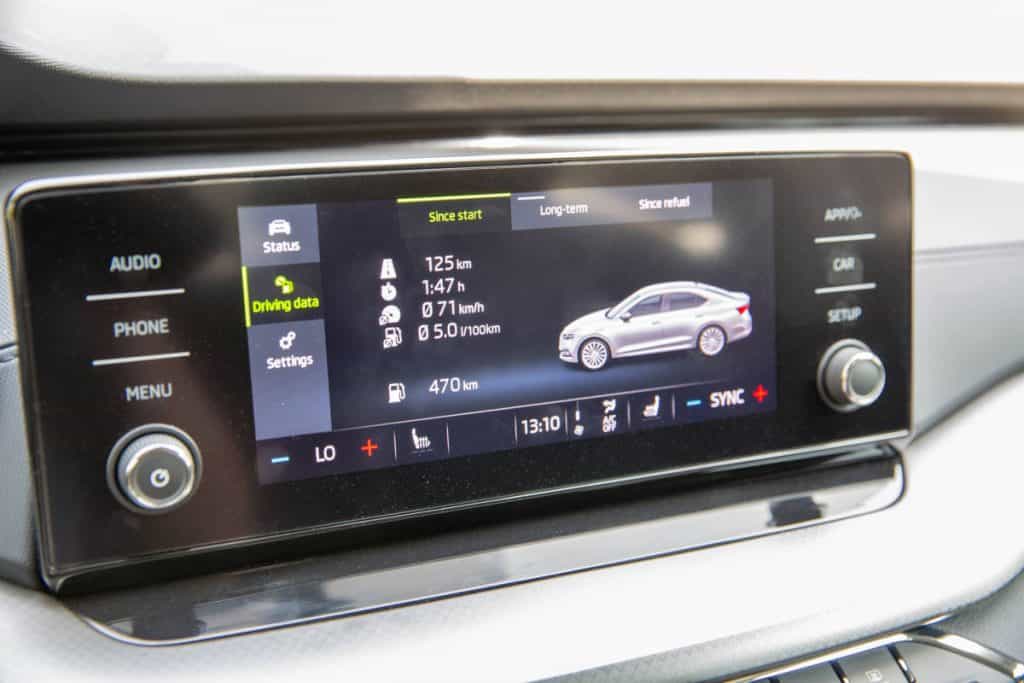
Modern vehicles have electronic systems, ranging from infotainment units and climate controls to safety features like anti-lock brakes (ABS) and airbags. These systems improve functionality and comfort but can be costly to repair if they fail. Common issues include faulty sensors, malfunctioning infotainment systems, and wiring problems.
Car Belts
Belts like the serpentine, timing, and drive belts are critical for powering your vehicle’s accessories and engine components. Over time, these belts can develop cracks, become misaligned, or even break, leading to significant issues. Regular inspection and maintenance are crucial to prevent sudden failures.

Affordable Repair Solutions for Electronics
1. DIY Diagnostics
Investing in an OBD-II scanner can help you diagnose electronic issues yourself. These devices provide error codes that point to specific problems, such as sensor malfunctions or wiring faults. Online tutorials and forums offer step-by-step guides for simple fixes like replacing sensors or resolving short circuits.
2. Specialized Repair Shops
For complex issues, specialized repair shops provide targeted solutions at a fraction of the cost of full replacements. Services like Auto Tech Rescue repair ABS modules, infotainment systems, and climate controls saving hundreds of dollars compared to dealership prices.
3. Software Updates and Reprogramming
Many electronic issues stem from outdated software. Dealerships and independent mechanics can perform reprogramming or software updates to fix glitches like navigation units or infotainment displays. This is often cheaper than replacing components outright.
4. Refurbished and Aftermarket Parts
Refurbished electronics, such as radios or navigation systems, offer an affordable alternative to new parts. Sites like RockAuto and specialized refurbishers provide reliable components that meet OEM standards at a lower price.
Cost-Effective Belt Repair and Maintenance
1. Regular Inspections
Inspect your belts every 30,000 miles or during routine oil changes. Look for cracks, fraying, or squealing noises, which indicate a belt may need tightening or replacement. Early detection can save you from costly repairs later.
2. DIY Belt Replacement
Replacing a serpentine belt is a relatively straightforward DIY task. You can save on labor costs with a serpentine belt tool kit and some basic knowledge. Many online tutorials provide easy-to-follow instructions.
3. Quality Aftermarket Belts
Consider aftermarket belts from reputable brands like Dayco and Gates. These belts meet or exceed OEM standards and are typically more affordable than dealership-sourced parts.
4. Mobile Mechanics
Platforms like YourMechanic send certified professionals to your location for belt replacement at lower costs than traditional repair shops. This service is both convenient and cost-effective.
Budgeting for Repairs
- Electronics:
- DIY repairs: $20–$50 (for tools or small parts).
- Professional repairs: $100–$300 for common issues like ABS module repairs.
- Full replacements: $500–$1,000 for infotainment systems or major components.
- Belts:
- DIY serpentine belt replacement: $20–$50 (tools and parts).
- Professional repair: $75–$150 for serpentine belts; $500–$1,000 for timing belts.
Future Trends in Repairs
Electronics
Advances in diagnostic tools are making repairs more accessible. Open-source software like LeafSpy for EVs allows owners to monitor and troubleshoot their vehicle’s electronics at home. Additionally, remote repair services and cloud-based diagnostics are becoming increasingly common.
Belts
Developing durable materials like reinforced rubber and advanced polymers extends the lifespan of serpentine and timing belts. Many modern vehicles now include belt monitoring systems, providing real-time updates on belt conditions.
Environmental Benefits of Repairs
Repairing rather than replacing components reduces waste and supports sustainability. Refurbishing electronics minimizes e-waste, while choosing durable aftermarket belts helps lower the environmental impact of frequent replacements.

Maximizing Value and Reliability
Maintaining your car’s electronics and belts doesn’t have to be expensive. By adopting preventative maintenance practices, exploring DIY solutions, and leveraging specialized repair services, you can keep your vehicle running efficiently while saving money. Investing time and effort into these strategies will enhance your car’s reliability and reduce its environmental footprint.