Skip to content

That Annoying Noise You Should Not Ignore
Strange noises from under the hood are never good news, but some are more urgent than others.
An alternator bearing starting to fail usually makes a very distinct sound, and catching it early can save a lot of trouble. The alternator is crucial for keeping the battery charged and electrical systems running while driving.
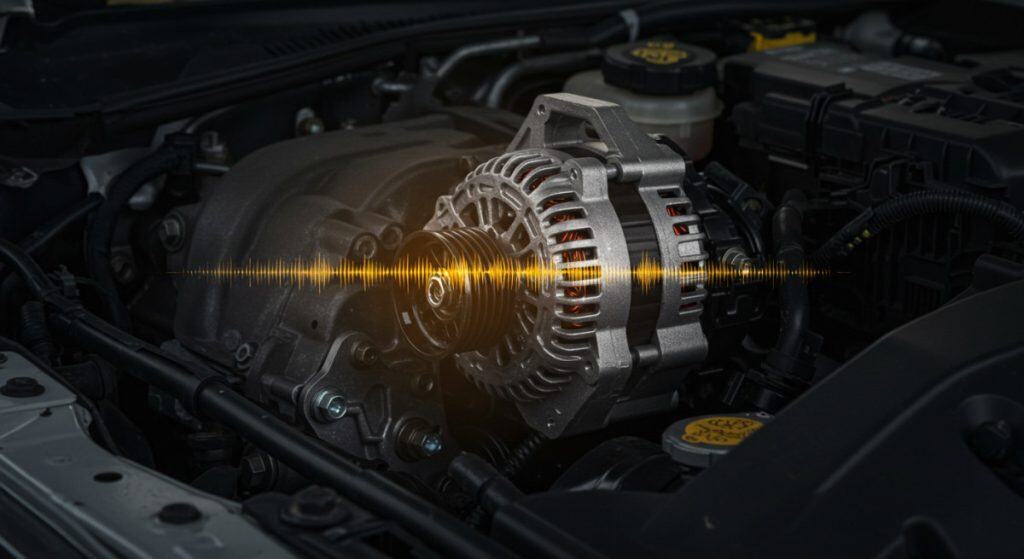
Understanding what to listen for and what steps to take can mean the difference between a quick repair and a much bigger headache later.
What Is the Alternator Bearing, Anyway?
Inside the alternator, bearings help the internal shaft spin smoothly. These small metal components reduce friction between moving parts, allowing free rotation with minimal resistance.
These bearings allow the alternator to create electrical power while connected to the engine by a belt. As the engine runs, the belt turns the alternator pulley, which spins internal components to generate electricity.
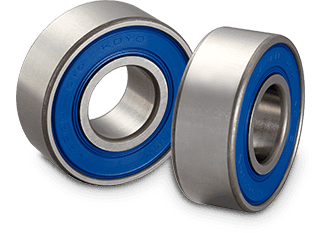
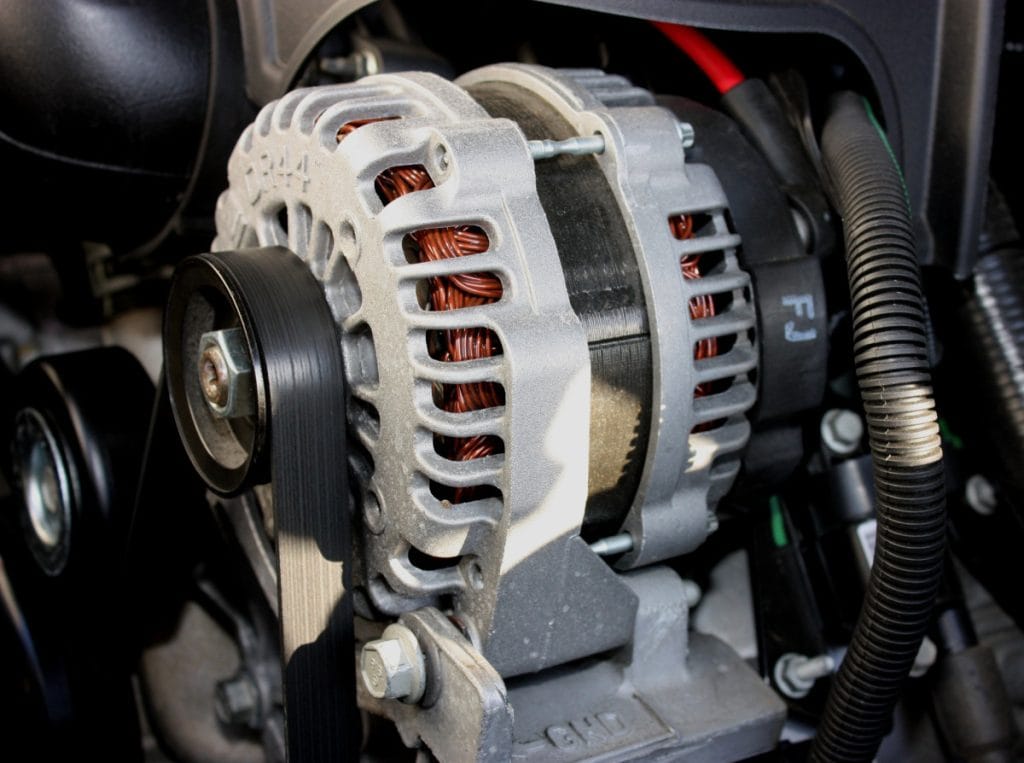
Without healthy bearings, the alternator struggles to spin, causing both mechanical noise and electrical problems. The result can be everything from annoying sounds to complete electrical system failure.
It’s one of those small parts that does a lot of unseen work every time the engine runs. Most drivers never think about them until something goes wrong.
What Does Failing Alternator Bearing Noise Sound Like?
A failing alternator bearing often creates a distinct whining, grinding, or growling sound. Many mechanics describe it as similar to the sound of a small electric motor struggling to work properly.
The noise can start quietly, almost like a faint electric whine at idle. Some drivers might not even notice it initially, especially if the radio is playing or the windows are down.
As the bearing wears out, the noise usually becomes louder and more noticeable with engine speed. Rev the engine, and the sound typically increases in pitch and volume. This relationship with engine RPM is an important diagnostic clue.
Some drivers mistake it for a bad belt or even tire noise at first, especially if it comes and goes. Temperature changes can cause the sound to vary in intensity, adding to the confusion.
A consistent high-pitched squeal that rises with RPMs is a classic warning sign. Unlike belt squeal, which might stop when the engine warms up, bearing noise tends to persist or even worsen with heat.
Other Symptoms That May Appear
Dim or flickering headlights, especially at low speeds, often accompany bearing problems. This happens because the alternator isn’t spinning efficiently enough to generate consistent power.

The battery warning light appearing on the dashboard signals the electrical system isn’t being properly charged. Modern vehicles have sensors that detect when the alternator output falls below normal levels.
Electrical accessories acting strangely, such as power windows or radios cutting out, suggest the electrical system is struggling. These components receive inconsistent power when the alternator can’t keep up with demand.
If the alternator is failing completely, an engine may stall or struggle to stay running. Without enough electricity to run the ignition system, the engine eventually stops.
These symptoms often appear before the alternator fails completely, providing a small window for repairs. Paying attention to these warning signs can prevent being stranded with a dead battery.
Common Causes of Alternator Bearing Failure
Normal wear and tear over thousands of miles affects even the best-built alternators. Most are designed to last 80,000 to 150,000 miles, though this varies widely by manufacturer and driving conditions.
Contamination from dirt, oil, or coolant leaks entering the alternator housing can accelerate bearing wear. This is especially common in older vehicles with multiple small leaks.

Excessive belt tension, putting extra stress on the bearing,s can cause premature failure. Over-tightened belts pull too hard on the alternator shaft, creating extra friction.
Improper installation of belts or accessories during previous repairs sometimes leads to alignment issues. When pulleys don’t line up properly, the resulting side loading damages bearings quickly.
Sometimes, it just comes down to age and bad luck. Manufacturing variations or material defects occasionally lead to early failures even with proper maintenance.
Diagnosing the Problem
A mechanic usually uses a stethoscope or a listening device to pinpoint the noise source. This simple tool makes it possible to isolate sounds from specific components.
Spinning the alternator pulley by hand (engine off) can sometimes reveal roughness or obvious grinding. When the belt is removed, the pulley should turn smoothly with minimal resistance.
Tensioners, pulleys, and belts nearby should be checked too, since they can make similar sounds. Water pumps, power steering pumps, and air conditioning compressors all have bearings that can fail with similar symptoms.
Diagnosis matters because replacing the wrong part can become expensive quickly. Properly identifying the source of the noise can save both money and frustration.
How to Fix Alternator Bearing Noise
In most cases, the entire alternator is replaced rather than just the bearings. While it is theoretically possible to replace just the bearings, modern alternators are often designed as sealed units.
Rebuilding an alternator with new bearings is possible, but not always cost-effective for daily drivers. The labor involved often approaches or exceeds the cost of a new or remanufactured unit.
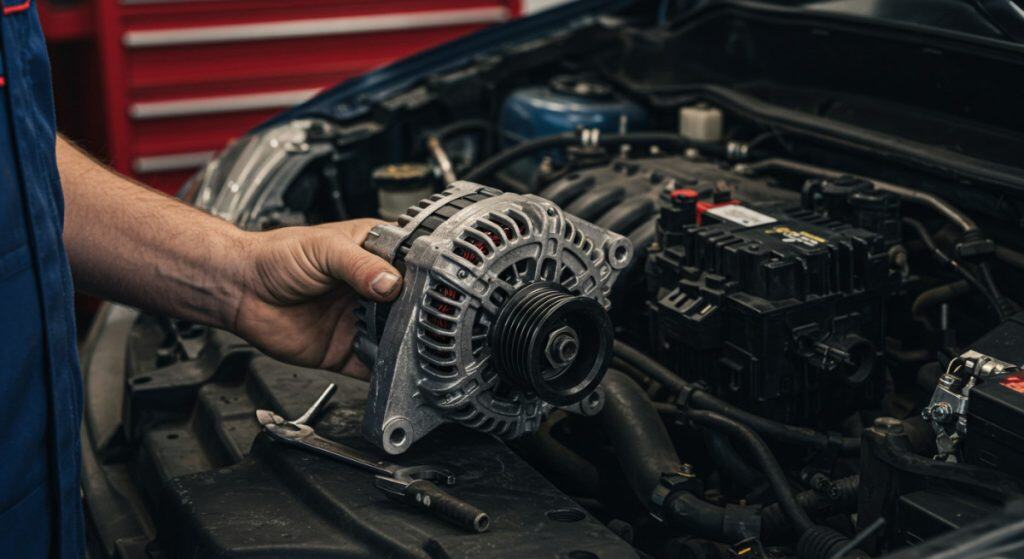
If replacement is needed, it’s usually a straightforward bolt-out, bolt-in job for a professional. Most alternators are held in place with just a few bolts and electrical connections.
DIY repairs are possible but require caution around the electrical system. Disconnecting the battery first is absolutely necessary. Working with the electrical system without disconnecting the battery can cause dangerous shorts or damage to sensitive electronic components.
Quality matters when buying a replacement alternator. Cheap parts often fail sooner and can end up costing more over time. Remanufactured units from reputable companies often provide the best balance of cost and reliability.
How to Prevent Alternator Bearing Issues
Inspecting belts and tensioners during oil changes or service visits can help spot early problems. Look for signs of glazing, cracks, or unusual wear patterns on belts.
Keeping the engine bay clean and leak-free reduces the chances of contamination. Oil, coolant, and power steering fluid can all damage alternator bearings if allowed to seep inside.
Avoid spraying water directly onto the alternator during engine cleaning. High-pressure water can force its way past seals, leading to internal corrosion and bearing damage.
Choosing quality replacement parts and having them installed by a trusted mechanic can make a big difference in long-term reliability. Proper alignment and tension of drive belts help prevent premature bearing wear.
Catch It Early, Save Big
Alternator bearing noise may start small, but it rarely stays small for long. What begins as a minor annoyance can quickly become a serious problem if ignored.
Paying attention to changes in sound, even subtle ones, can prevent a minor repair from turning into a major breakdown. Being stranded with a dead battery is far more inconvenient than scheduling a preventive repair.
Quick action often means a simple fix, a reasonable repair bill, and one less thing to worry about every time the key turns. When it comes to alternator problems, the old saying holds true: an ounce of prevention is worth a pound of cure.