Skip to content

Autonomous driving features, commonly called autopilot, are no longer a concept of the distant future. They are becoming integral to modern vehicles, designed to make driving safer, easier, and more efficient. But are these features the right fit for your daily driving needs? Let’s explore the benefits and limitations of autopilot to help you decide.
What Are Autonomous Features?
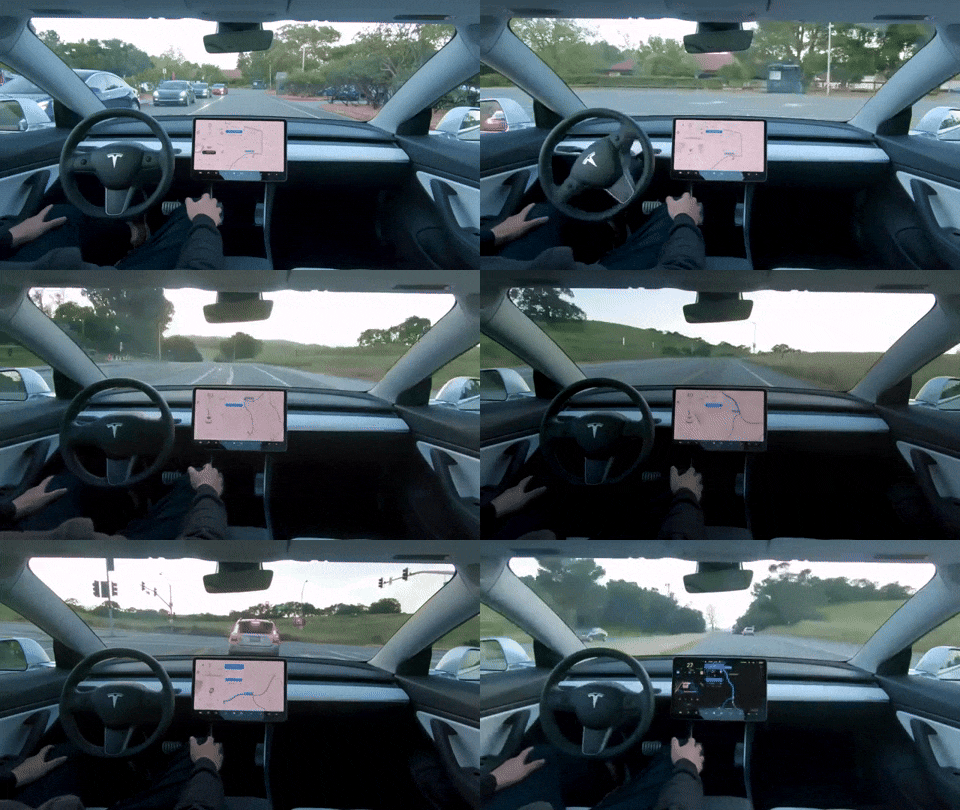
Autonomous features use advanced technologies like sensors, cameras, and artificial intelligence to assist or take over certain driving tasks. These include lane-keeping assist, adaptive cruise control, and automatic emergency braking. Vehicles equipped with autopilot often operate at Level 2 or Level 3 automation, meaning the driver must remain attentive and ready to take control when necessary.
Examples of popular systems include Tesla’s Autopilot, GM’s Super Cruise, and Ford’s BlueCruise, which showcase the growing capabilities of these technologies.
The Key Benefits of Autonomous Features
1. Enhanced Safety
Human error is the leading cause of traffic accidents. Autonomous features help mitigate these risks by continuously monitoring the road and reacting faster than a human driver can. For instance:
- Automatic emergency braking prevents collisions by stopping the car when an obstacle is detected.
- Lane-keeping assists in reducing the risk of drifting out of your lane.
- Blind-spot monitoring alerts drivers to nearby vehicles they might not see.
These systems work together to provide a safety net, making the road safer.
2. Reduced Traffic Congestion

Autonomous vehicles can communicate with each other and respond dynamically to traffic patterns. By maintaining consistent speeds and avoiding abrupt stops, these systems help reduce traffic bottlenecks. For everyday commuters, this can mean smoother drives and less time in gridlock.
3. Improved Fuel and Energy Efficiency

Autopilot systems optimize driving behaviors, such as maintaining steady speeds and avoiding unnecessary acceleration. This saves fuel in gas-powered vehicles and extends the range of electric vehicles. This is a significant advantage for those looking to cut costs and reduce their carbon footprint.
4. Increased Accessibility

Autonomous features are a game-changer for individuals with limited mobility. Adaptive systems allow people with physical disabilities or those unable to drive traditionally to gain greater independence and mobility. These advancements make driving more inclusive.
5. Enhanced Comfort and Productivity

Imagine a long highway drive where the car takes over mundane tasks like steering and maintaining speed. Autopilot features allow drivers to focus on the road less intensely, reducing stress and fatigue. While the technology isn’t yet advanced enough for hands-off driving in all conditions, it’s a step toward a more relaxed commute.
Common Concerns and Limitations of Autonomous Features
While the benefits are clear, it’s important to acknowledge the limitations of current autonomous systems:
- Driver Responsibility: Most autopilot systems still require constant supervision. Drivers must remain attentive and ready to intervene at all times.
- Cost: Vehicles with advanced autonomous features often come at a premium price, making them less accessible to budget-conscious drivers.
- Technological Challenges: Adverse weather conditions, such as heavy rain or snow, can impact the effectiveness of sensors and cameras.
- Ethical and Legal Questions: Issues like accident liability and data privacy are still being debated as these systems become more widespread.
Who Benefits Most From Autonomous Features?
Frequent Commuters
For those who spend hours on the road daily, autopilot systems can reduce fatigue and make long drives more manageable.
Families and Road-Trippers
Features like adaptive cruise control and lane-centering provide extra comfort and safety for long-distance trips, making them ideal for family vacations.
Electric Vehicle Owners
Autonomous systems are particularly effective in EVs, as their efficient driving patterns help maximize battery range.
Drivers with Mobility Challenges
Autonomous features create opportunities for individuals with disabilities to regain their independence, making transportation more inclusive.
A Look Toward the Future
Autopilot technology is evolving rapidly, with Level 4 and Level 5 autonomy—where vehicles can operate without human intervention—on the horizon. Innovations like vehicle-to-vehicle communication and improved AI systems promise even safer and more efficient driving experiences. However, widespread adoption will require updates to infrastructure and changes in consumer trust.
Are these Autonomous Features Right for You?
Autonomous features are reshaping our driving decisions, offering enhanced safety, comfort, and efficiency. However, they aren’t a one-size-fits-all solution. Consider your driving habits, budget, and comfort with new technology when deciding if these features are worth the investment. As the technology matures, autopilot systems will likely become even more accessible and practical for everyday drivers.
Resources:
- https://www.swarco.com/mobility-future/autonomous-driving/autonomous-driving-pros-cons
- https://www.nhtsa.gov/vehicle-safety/automated-vehicles-safety
- https://www.autosinnovate.org/initiatives/innovation/autonomous-vehicles/benefits-of-havs
- https://theweek.com/the-big-debate/1021491/pros-and-cons-of-the-self-driving-car-revolution