 Skip to content

You just bought your first sports car and now you’re three hours deep in YouTube build videos, looking at $5,000 turbo kits and wondering if you really need that carbon fiber intake manifold. I get it. The modding bug bites hard.
But here’s what nobody tells you upfront: most first-time modders either spend twice what they planned or end up with a car that runs worse than stock. Sometimes both.
Let me save you some pain and money.
Start With the Right Car (Or Accept What You’re Getting Into)
Not all sports cars are created equal when it comes to modding. Some have massive aftermarket support, others will cost you $500 for an air filter. Whether you’re eyeing a Mustang or Camaro or something lighter like a BRZ, picking a well-supported platform will save you money and frustration in the long run.
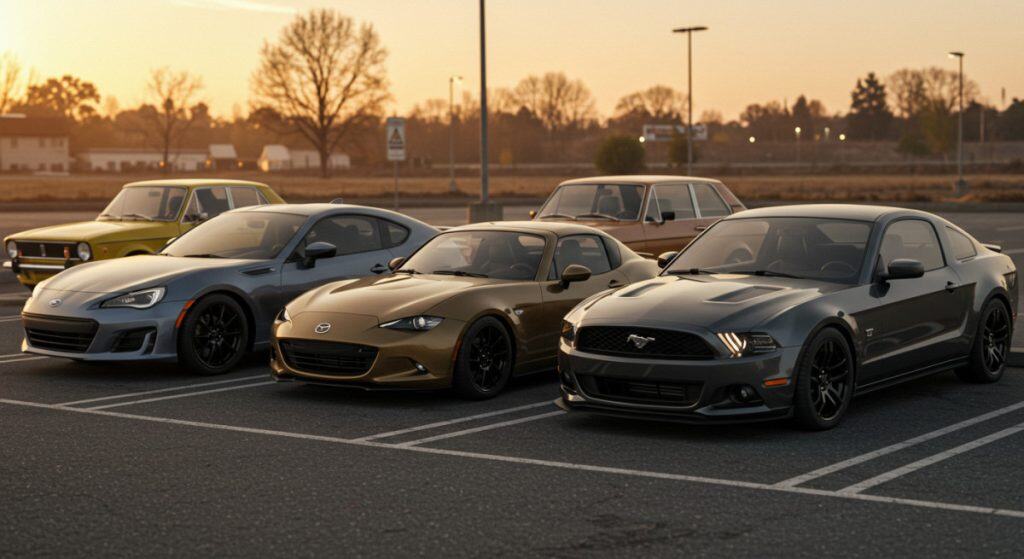
Actually beginner-friendly platforms in 2025:
- 2013+ Subaru BRZ/Toyota 86/Scion FR-S – Huge aftermarket, well-documented builds, parts are reasonable (Accessories for BRZ)
- 2006+ Mazda Miata (NC and ND) – Everything’s been done already, you just need to copy what works (Performance parts at Good-Win Racing)
- 2015+ Ford Mustang GT – V8 makes power easily, parts everywhere (Mustang accessories at American Muscle)
- 2015+ VW Golf GTI – Good platform if you stick to proven mods (Golf GTI accessories at Modded Euros)
Avoid as a first project:
- Anything European over 10 years old – Parts cost more than your mortgage
- Modified cars – You’re inheriting someone else’s problems
- Rare or low-production models – You’ll be the guinea pig for every part
Here’s the reality check: a “cheap” project car will cost you $10,000-15,000 to do right. Factor that into your budget before you start.
Figure Out What You Actually Want
Before you buy a single part, answer this: what are you trying to achieve?
Track day warrior: Focus on tires, brakes, cooling, safety gear. Power comes last.
Daily driver with some spirit: Stick to reversible mods that don’t hurt reliability.
Weekend canyon carver: Suspension and tires matter more than horsepower.
Show car: Accept that form beats function and budget accordingly.
Most beginners try to build all four at once and end up with a compromise that’s not great at anything.
The Smart Mod Order (With Real Numbers)
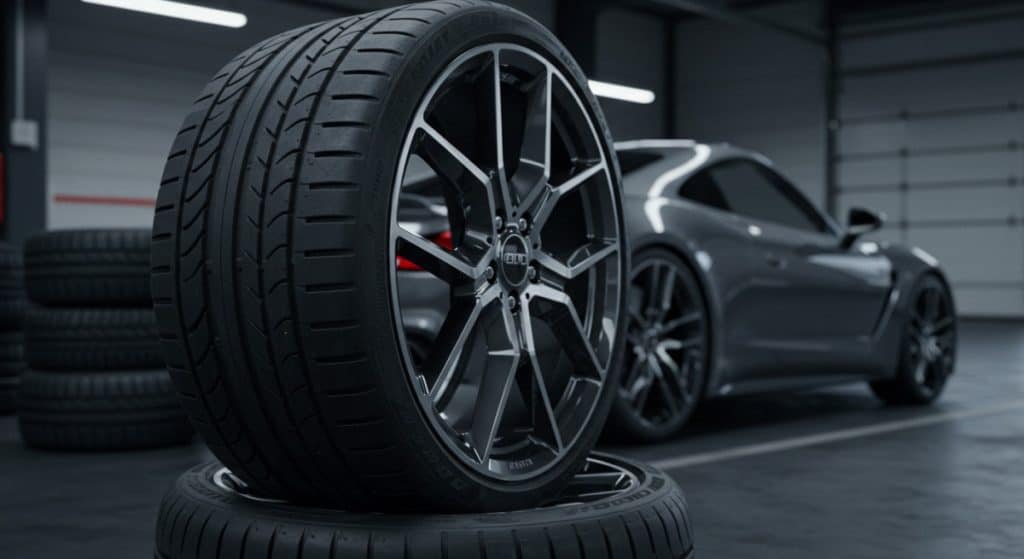
First: Tires ($800-1,500)
The best bang for your buck, period. Good summer tires will transform how your car feels. Michelin Pilot Sport 4S, Continental ExtremeContact Sport, or Bridgestone Potenza are safe bets.
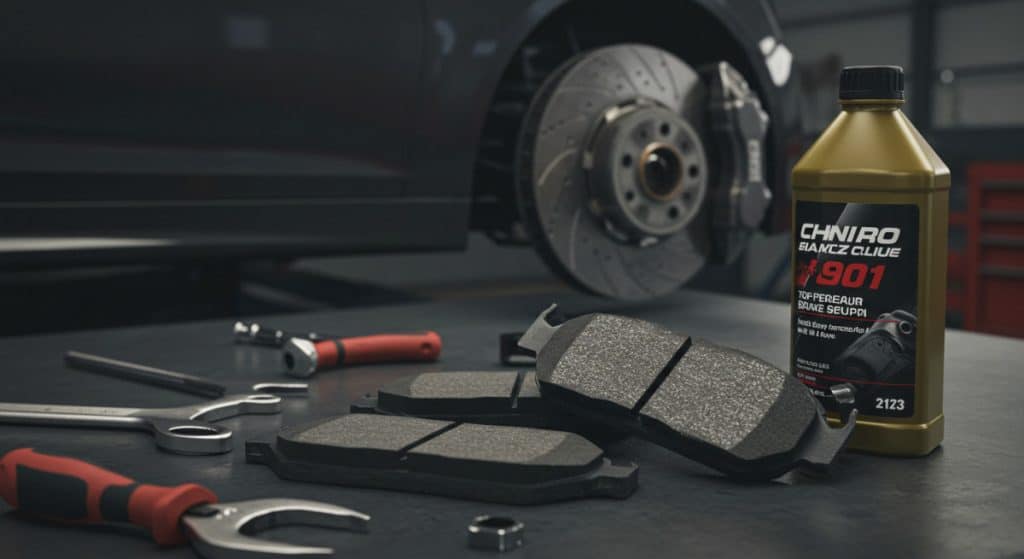
Second: Brake pads and fluid ($200-500)
Stock pads fade. Upgraded pads and high-temp fluid let you use the power you already have. Hawk HPS 5.0 or EBC Yellowstuff for street driving.
Third: Suspension ($1,500-4,000)
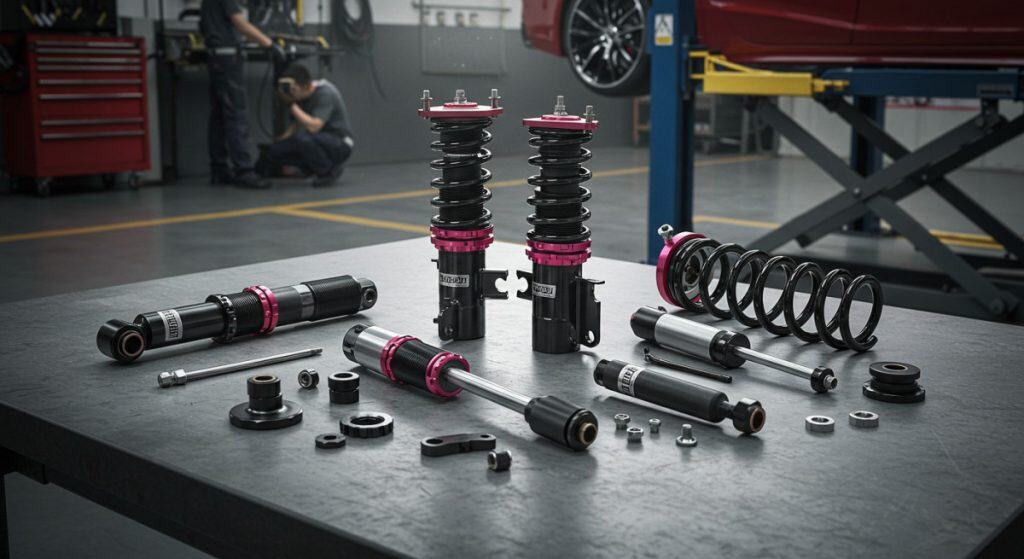
This is where it gets expensive. Budget at least $3,000 for decent coilovers plus installation and alignment. BC Racing, KW, or Bilstein are good starting points. Avoid cheap full coilovers under $1,000 — but quality spring + damper combos from known brands can still offer solid performance on a budget.
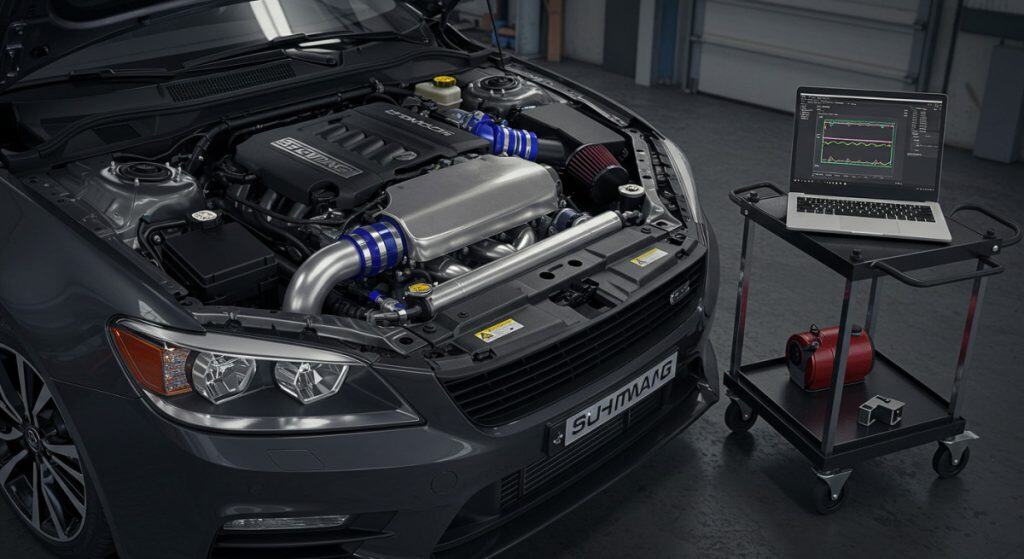
Fourth: Basic power mods ($1,000-3,000)
Cold air intake, cat-back exhaust, maybe a tune. Expect 5–15 hp gains on NA engines from bolt-ons. Up to 30 hp is possible with a tune and multiple mods working together. Forced induction cars respond better but need tuning.
Don’t touch forced induction until you’ve done everything else. Turbo/supercharger kits start around $5,000 but can cost $8,000–$12,000 fully installed with tuning and supporting mods.
What Will Definitely Screw You Over
Buying cheap suspension: Those $800 eBay coilovers will destroy your ride quality and probably break. Ask me how I know.
Modding without tuning: Modern ECUs are smart. They’ll fight your mods and potentially damage the engine. Budget $500-800 for a proper tune.
Ignoring supporting mods: Big turbo without upgrading fuel system = boom. Every build needs supporting modifications.
DIYing everything: Some stuff you can do at home. Suspension geometry, engine tuning, and safety-critical items need professionals.
Not getting alignments: Every suspension change needs an alignment ($100-200). Skipping it means you’ll eat tires and the car will handle weird.
The Legal Stuff Nobody Talks About
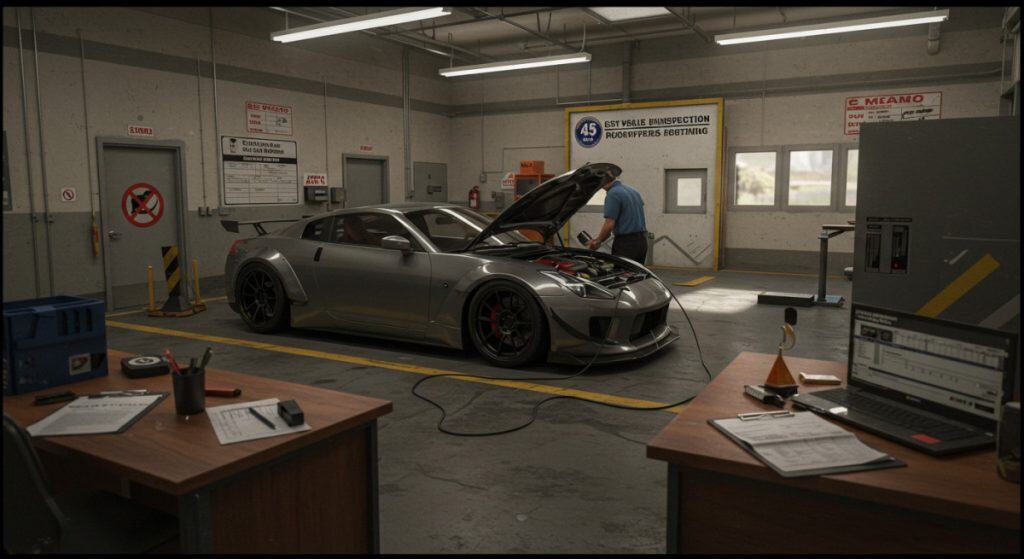
Emissions compliance varies by state:
- California (CARB states): Visual inspections, strict rules. Stick to CARB-legal parts or you’ll fail smog.
- Texas, Florida, most of the South: Generally more lenient on mods.
- Northeastern states: Varies widely. Check your local laws.
Insurance reality check:
Tell your insurance about major mods or they can deny claims. Yes, it might raise your premium. No, lying isn’t worth the risk of being dropped after an accident.
Sound limits:
Many cities have noise ordinances. That straight-pipe exhaust might get you tickets. Keep the stock exhaust if you live somewhere strict.
Budget Reality: What Things Actually Cost
Realistic first-year modding budget: $5,000-8,000 for meaningful improvements
Professional installation: $100-150/hour, figure 4-8 hours for major jobs
Tuning: $500-800 for naturally aspirated, $800-1,500 for forced induction
Alignments: Every suspension change, $100-200 each time
Hidden costs nobody mentions:
- Tools you don’t have: $500-1,000
- Mistakes and broken bolts: $300-500
- Parts that don’t fit quite right: $200-500
Plan for 20-30% over your initial budget. Every build goes over.
Where to Actually Learn (Without Getting Scammed)
Good resources:
- Platform-specific forums (BRZ-Forum, Miata.net, etc.)
- YouTube channels that actually test stuff (Savagegeese, Speed Academy)
- Local cars and coffee meetups
- SCCA autocross events
Red flags:
- Instagram accounts pushing mystery parts
- “Gains” without dyno sheets
- Parts with no real-world reviews
- Anyone promising massive power gains from bolt-ons
Warranty and Resale Reality
Your warranty: Major mods can jeopardize your warranty. Legally, a dealer has to prove the mod caused the issue — but in practice, many will deny coverage or be difficult.
Resale value: You’ll get back maybe 30-50% of what you spent on mods. Modify for yourself, not as an investment.
Documentation: Keep all your stock parts and receipts. Makes selling easier and shows you did things right.
Common First-Timer Mistakes (That I’ve Seen Repeatedly)
Mixing tire brands/compounds: Your car will handle weird. Match all four tires.
Buying parts for next year’s power goals: Buy for the power you have now, not what you plan to make.
Ignoring the cooling system: More power = more heat. Upgrade cooling before you need it.
Copying someone else’s build exactly: Every car is different. What worked on their setup might not work on yours.
The Bottom Line
Modding is expensive and addictive. It’s also incredibly rewarding when done right. Start small, do your research, and don’t let YouTube convince you that every car needs a $10,000 turbo kit.
Most importantly: a well-sorted car with basic mods will be more fun and reliable than a heavily modified car done wrong.
What was your first mod? Did it work out the way you expected, or did you learn the hard way like most of us?


This is a fantastic article. Well written, informative and using plain English. Love it. Love from an Aussie chick X
Thank you so much! Really glad you enjoyed the article and found it easy to follow. Appreciate the kind words!