 Skip to content

Swapping an engine—replacing a vehicle’s original engine with a different one—is popular among automotive enthusiasts seeking enhanced performance, improved fuel efficiency, or a unique driving experience. However, not all engines are compatible with all vehicles. Understanding the complexities involved is crucial before undertaking such a project.
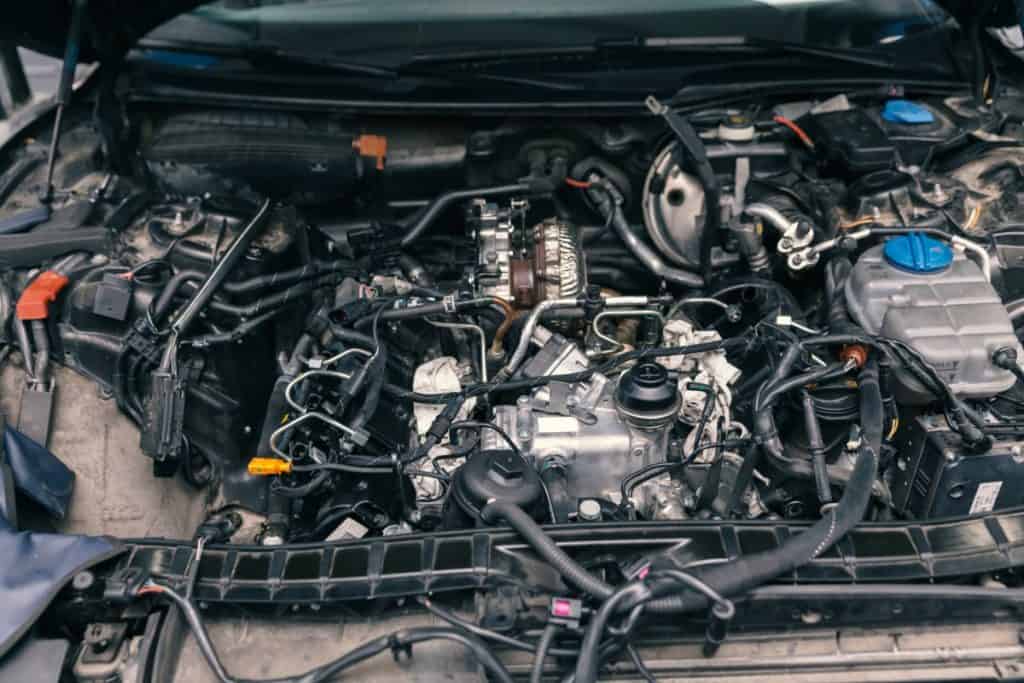
Understanding Engine Compatibility
Engine swaps can be categorized into two main types:
- Direct Replacement (Bolt-In Swap): This involves replacing the existing engine with another of the same type. It’s the simplest form of engine swap, often requiring minimal modifications.
- Non-Like-for-Like Swap: This entails installing a different engine model or one from another manufacturer. Such swaps are more complex and may require significant modifications to the vehicle’s structure, mounts, and systems.
Key Considerations for Engine Swaps
- Physical Fit: The new engine must fit within the vehicle’s engine bay. This includes considerations of size, weight, and mounting points. For instance, installing a larger engine may necessitate firewall, suspension, or hood modifications.
- Transmission Compatibility: The engine and transmission must be compatible. Mismatched components can lead to performance issues or mechanical failures. Adapters or custom mounts may be required to mate different engines and transmissions.
- Electrical and Electronic Systems: Modern vehicles rely heavily on electronic control units (ECUs). An engine swap may require reprogramming or replacing the ECU, along with wiring harnesses and sensor modifications.
- Cooling and Exhaust Systems: The new engine’s cooling and exhaust requirements must be met. This could involve upgrading radiators, modifying exhaust manifolds, or installing new systems.
- Legal and Emissions Compliance: Engine swaps must comply with local regulations, including emissions standards. Installing an engine that doesn’t meet these standards can result in fines or the vehicle being deemed unroadworthy.
Popular Engine Swap Examples
- LS Swaps: General Motors’ LS engines are popular due to their compact size, affordability, and aftermarket support. They have been successfully installed in various vehicles, from classic muscle cars to modern imports.
- Honda K-Series Swaps: Honda’s engines are favored for their high-revving nature and performance potential. They are commonly swapped into older Honda models to enhance performance.
Tips for a Successful Engine Swap
- Do Thorough Research: Study compatibility charts, dimensions, and requirements for your target engine.
- Plan Your Budget: Account for the cost of the engine, additional parts, labor, and any unexpected expenses.
- Consult Professionals: Seek advice from experienced mechanics or engine swap specialists to avoid costly mistakes.
- Test Everything: Ensure all systems—electrical, cooling, and exhaust—are functioning correctly before driving.
Is Any Engine Swap Possible?
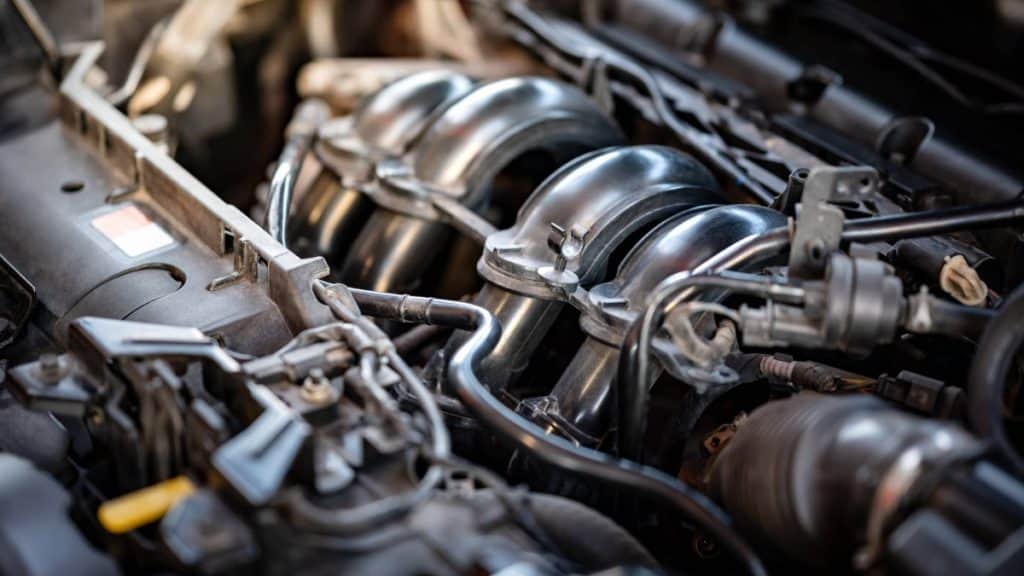
While swapping any engine into any car is theoretically possible, it requires a careful balance of technical expertise, resources, and planning. Direct replacement swaps are ideal for simplicity, while non-like-for-like swaps offer endless customization possibilities but come with significant challenges. With proper preparation and professional guidance, engine swaps can transform your vehicle into something truly extraordinary.


