Skip to content

Electric vehicles (EVs) are revolutionizing transportation by combining cutting-edge technology with environmental responsibility. They are at the forefront of automotive innovation, from efficient powertrains to advanced driver-assistance systems. One often overlooked yet critical component is lighting. Specifically, LED (Light-Emitting Diode) lights in EVs have become synonymous with modern design, energy efficiency, and enhanced safety.
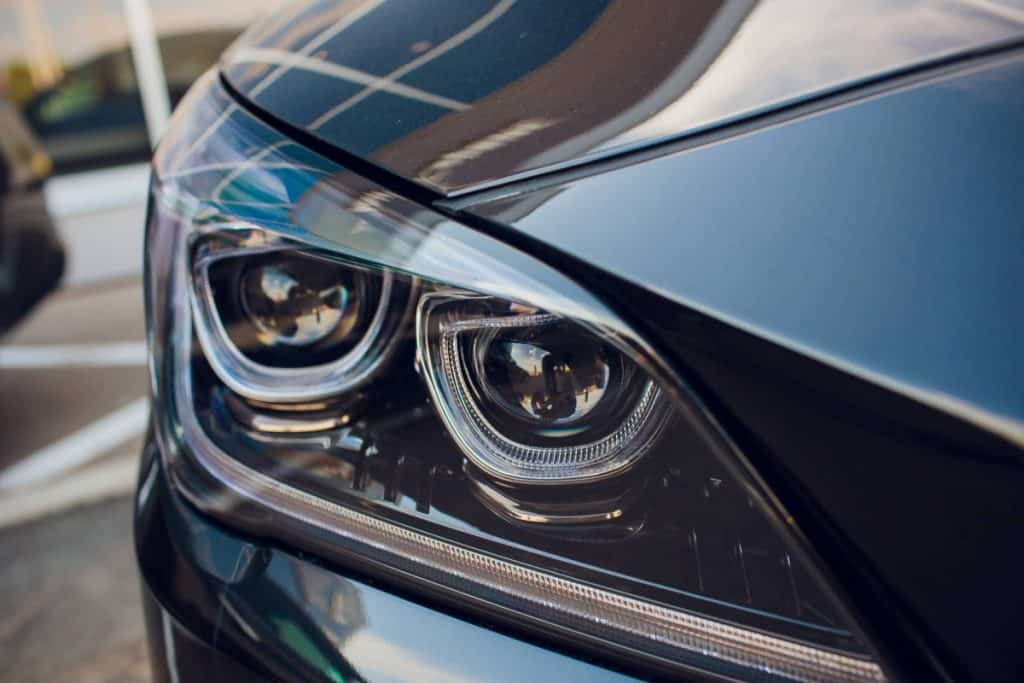
But does every electric vehicle use LED lights? While LEDs dominate the EV landscape, not all EVs rely on this technology for every application. This article explores why LEDs are a natural fit for EVs, their widespread adoption, and the exceptions where alternative lighting methods might still find a place.
Why LEDs and EVs Are a Natural Pair
The Science Behind LED Lights
LED lights pass an electrical current through a semiconductor, emitting light as electrons move within the material. This process, known as electroluminescence, is far more efficient than traditional lighting methods like halogen or HID (High-Intensity Discharge) lights. Instead of wasting energy on heat, LEDs focus on creating light, making them ideal for energy-conscious EVs.
What Makes LED Lights Perfect for Electric Vehicles
LEDs offer several features that align perfectly with the goals of EV manufacturers and drivers:
- Energy Efficiency: LEDs consume significantly less power than halogen or HID lights, making them ideal for EVs, where conserving battery life is essential. Reduced power drawn from lighting translates to a longer driving range.
- Longevity: A typical LED bulb can last up to 50,000 hours, far outlasting traditional bulbs. This means fewer replacements over the car’s lifespan, reducing hassle and cost for EV owners.
- Compact Design: LED lights are small and versatile, allowing manufacturers to design sleek, futuristic lighting patterns. From sharp headlight outlines to dynamic taillights, LEDs enhance functionality and aesthetics.
These qualities make LED lights an obvious choice for most EVs. They provide practicality and elevate the vehicle’s visual appeal.
Are LEDs Standard in Every EV?
The Rise of LED Light Adoption
As EV technology has evolved, so has the use of LEDs. Over 90% of new EV models now feature LED lighting as standard. Government regulations promoting energy-efficient technologies and consumer preferences for modern, high-performance lighting have accelerated this trend.
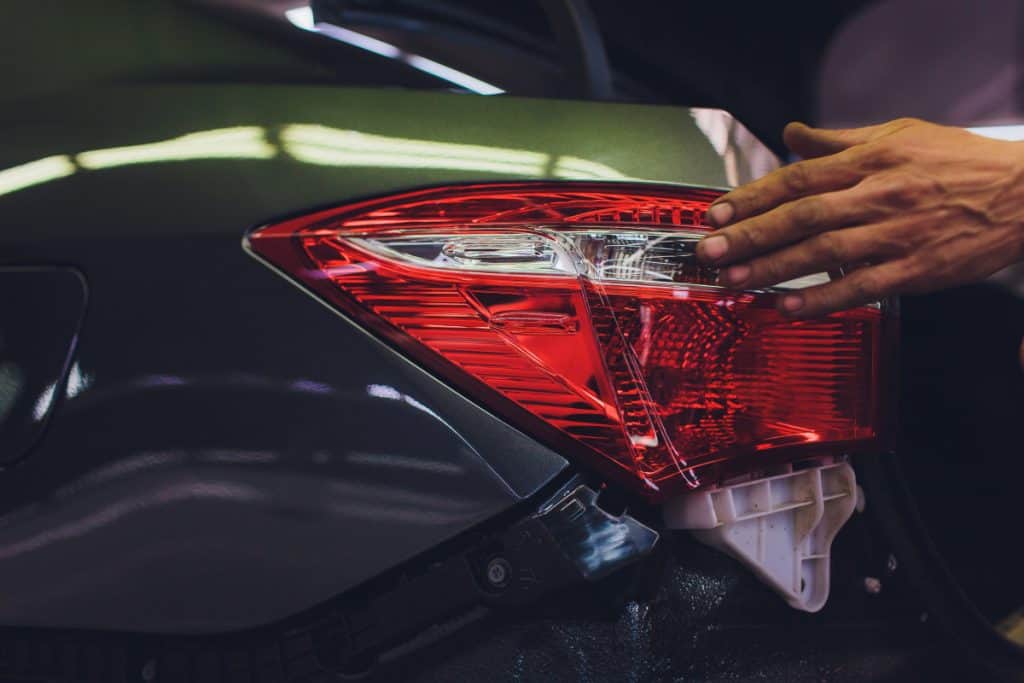
Luxury EVs like Tesla, Lucid Air, and Porsche Taycan rely exclusively on LED lights for their efficiency and to highlight their cutting-edge designs. Mid-range models such as the Hyundai IONIQ and Kia EV6 have followed suit, showcasing distinctive LED lighting signatures.
The Exceptions to the Rule
Despite their advantages, not every EV uses LEDs. Entry-level or budget-friendly EVs may still feature halogen lights in some areas, such as low beams or auxiliary lighting, to keep production costs in check. Additionally, some vehicles retain traditional lighting methods for specific purposes, like fog lamps, where halogen lights can be cost-effective and durable in harsh conditions.
Advanced LED Light Features in Modern EVs
Adaptive Lighting Systems
Many high-end EVs with adaptive lighting systems have taken LED technology to the next level. These systems adjust beam patterns dynamically based on driving conditions. For instance, adaptive LED lights can dim certain beam sections to prevent blinding oncoming drivers while maintaining optimal illumination for the EV driver. Some systems even include high-resolution matrix LEDs that provide unparalleled precision, improving visibility and safety.
Smart Integration with EV Software
LEDs in EVs aren’t just about lighting—they’re part of the vehicle’s brain. Modern EVs integrate LED lighting with software for external communication. For example, some cars use LED patterns to signal pedestrians, communicate charging status, or enhance driver-assistance systems. This level of integration adds a layer of intelligence to vehicle design, making LEDs more than just a light source.
Why LED Light Choices Matter for EV Owners
Efficiency and Range
In electric vehicles, every watt matters. Traditional halogen lights can consume up to 55 watts per bulb, while their LED lights counterparts might use as little as 15 watts. This difference may seem small, but reducing energy usage across various components directly impacts the vehicle’s range.
For example, a car that uses LEDs for all its lighting systems might gain a few extra miles of range compared to a model similar to halogen lights. This efficiency reinforces the importance of LED adoption in achieving optimal EV performance.
Safety and Reliability
LEDs improve energy efficiency and enhance safety. They provide brighter, more focused illumination, crucial for nighttime driving and adverse weather conditions. Unlike halogen bulbs, which dim over time, LEDs maintain consistent performance throughout their lifespan, reducing the likelihood of unexpected failures.
Aesthetic and Functional Appeal of LED Lights
LEDs have redefined what automotive lighting can achieve. Their small size allows manufacturers to experiment with bold, futuristic designs. For instance, Tesla’s sharp headlight outlines and the Hyundai IONIQ 5’s pixelated lighting are prime examples of how LEDs create a distinctive visual identity. Beyond looks, these designs often contribute to aerodynamics, further improving EV efficiency.
Environmental and Economic Impact of LED Light
A Greener Choice
LEDs are an environmentally friendly alternative to traditional lighting technologies. They consume less energy, reducing the overall carbon footprint of EVs. Additionally, their long lifespan means fewer replacements, leading to less waste.
Cost Considerations
While LEDs may have a higher upfront cost, their long-term economic benefits outweigh the initial investment. Reduced energy consumption and fewer replacements save EV owners money over time. For manufacturers, LEDs also help meet stringent efficiency standards without compromising performance.
The Future of Lighting in EVs
Innovations on the Horizon
The future of EV lighting lies in continued LED innovation. Matrix LED systems, laser-LED hybrids, and even OLED (Organic Light Emitting Diode) technologies will provide more precise, efficient, and customizable lighting solutions. These advancements promise to enhance vehicle performance and driver and pedestrian safety.
Moving Toward Universal Adoption
Although LED lights dominate the EV market, achieving 100% adoption will depend on balancing costs, regulatory incentives, and consumer demand. As production costs for LEDs continue to fall, entry-level EVs will likely soon fully transition to LED lighting.
Choosing the Right Lighting When Buying an EV
When shopping for an electric car, consider its lighting technology. Models equipped with complete LED systems offer better efficiency, longer-lasting performance, and superior safety features. Understanding the lighting options in a vehicle can help you make an informed choice that aligns with your needs and values.
Lighting the Way Forward
LED light has become a cornerstone of electric vehicle design, offering unmatched efficiency, durability, and modern aesthetics. While not every EV currently uses LEDs for every application, the trend is clear: LEDs are leading the charge in automotive lighting, and their dominance is only set to grow.
For EV owners and enthusiasts, the benefits of LED lighting go beyond functionality. They represent a commitment to innovation, sustainability, and a smarter driving experience. As technology continues to evolve, the future of EV lighting will undoubtedly bring even more exciting advancements, ensuring that every journey is as safe, efficient, and stylish as possible.