Skip to content

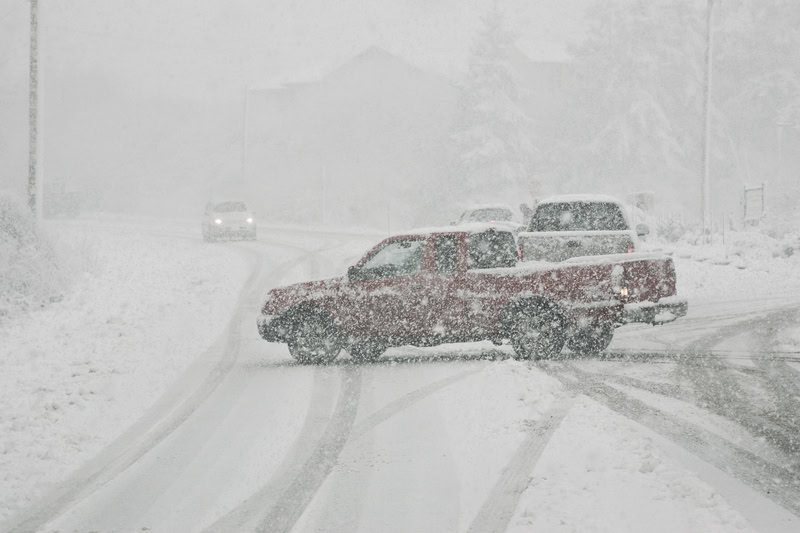
Driving in hazardous weather conditions can be a nerve-wracking experience that poses many dangers. Whether it’s heavy rain, snow, fog, or icy roads, poor weather drastically reduces visibility and traction, increasing the risk of having an accident. With weather-related crashes killing 6,253 people each year on a nationwide scale, it’s essential to equip yourself with the tools and knowledge you need to stay safe.
Despite the fact that it comes with risks, being well-prepared and following best driving practices can help you stay safe while traveling. Here are four essential safety tips to consider when driving in hazardous weather.

Adjust Your Speed and Following Distance
Speed limits are designed for ideal weather conditions, not for when the roads are slippery or visibility is reduced. When driving in rain, snow, or fog, it’s best to reduce your speed to allow for more reaction time and better vehicle control. Driving too fast on wet or icy roads can cause your tires to lose traction, leading to skidding or hydroplaning. You should always drive at a speed that feels comfortable and safe given the road conditions, even if it’s well below the posted speed limit.
Stopping distance increases dramatically on slippery roads. To stay safe, you should maintain a following distance that is at least double or triple the normal distance you would keep from the vehicle in front of you in good weather. This ensures that you have enough time to stop or maneuver your car if the vehicle ahead suddenly brakes.
Ensure Your Vehicle Is Weather-Ready
Preparation is key when it comes to driving in hazardous conditions. Before hitting the road, ensure that your vehicle is equipped with high-quality tires that have sufficient tread. For winter weather, consider switching to snow tires or using tire chains in regions with heavy ice or snow accumulation.
Additionally, you should check your windshield wipers, defrosters, and lights to ensure they’re functioning correctly before setting out on the road. It’s also a good idea to carry essential supplies like an ice scraper, a flashlight, blankets, and a first-aid kit in case of emergencies. Remember that different areas will have different rules and regulations, but you should always do what you need to in order to keep you and your family safe.
Use Your Lights Wisely
Visibility can be greatly impaired during fog, heavy rain, or snowstorms. It’s wise to make sure your headlights are on so you’re easily visible to other drivers, even during daytime hours. If you’re driving in foggy conditions, use your low beams or fog lights rather than high beams, which can reflect off fog and further reduce visibility.
You should also clear off any snow or ice covering your lights to ensure they’re bright and performing as intended – proper use of your lights improves your visibility and enhances safety for everyone on the road.
Know When to Stay Off the Road
The safest way to avoid accidents in extreme weather is to avoid driving altogether if conditions are too dangerous. You should always check weather reports and warnings before setting out, and delay your trip if necessary. Ice storms, blizzards, or torrential downpours are situations where staying off the road is the best decision. If you must drive during such conditions, plan your route carefully to avoid flooded areas or roads prone to black ice and ensure someone knows your travel plans in case of an emergency.
Driving in hazardous weather requires patience, preparation, and heightened awareness. By following these four safety tips, you can reduce risks and ensure a safer driving experience for yourself and others on the road.
FAQs
1. What should I do if my car starts to skid?
If your car starts to skid, remain calm and avoid slamming on the brakes. Gently steer in the direction you want the car to go and avoid abrupt movements. Use controlled braking if necessary, especially if your car has anti-lock brakes.
2. How can I improve visibility during foggy conditions?
Use your low beams or fog lights in foggy conditions, as high beams can reflect off the fog and reduce visibility further. Ensure your windshield and headlights are clean and free of condensation, snow, or ice.
3. How can I prepare my car for winter driving?
Check that your tires have sufficient tread and consider switching to snow tires or using tire chains. Ensure your windshield wipers, defrosters, and lights are in good working condition. Carry emergency supplies like blankets, a flashlight, an ice scraper, and a first-aid kit.
4. How much following distance should I leave in hazardous weather?
In poor weather conditions, maintain at least double or triple the normal following distance. This extra space gives you more time to stop safely if the vehicle ahead brakes suddenly.
5. When is it safest to avoid driving altogether?
Avoid driving during severe weather conditions like ice storms, blizzards, or torrential rain. Check local weather alerts and road conditions before heading out, and delay your trip if conditions are too dangerous.
6. What’s the best way to prevent hydroplaning?
To prevent hydroplaning, reduce your speed on wet roads and avoid sudden turns or braking. Ensure your tires are properly inflated and have adequate tread depth for better traction.
Resources:
- https://www.weather.gov/ilx/winter_drive_social
- https://www.caranddriver.com/shopping-advice/a26311127/hydroplaning-definition-prevent-recovering/
- https://www.skyscanner.net/news/car-seat-map