Skip to content

Why Eco-Driving Actually Matters
Better fuel efficiency isn’t just about driving the right car, though that certainly helps. It’s about driving it the right way. The vehicle matters, sure, but behavior behind the wheel can change fuel consumption just as much. Some studies suggest that up to 15 percent better mileage is possible simply by adjusting driving habits.
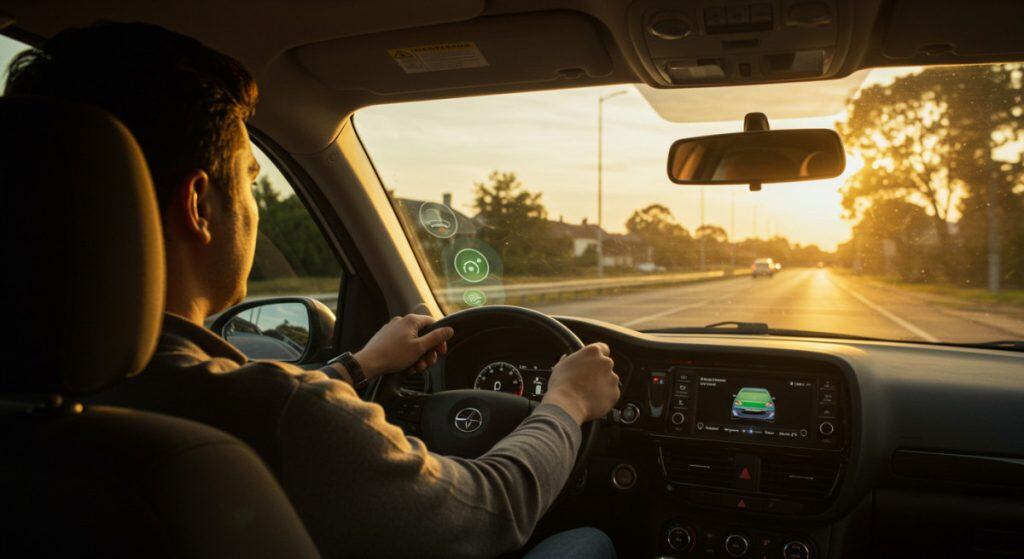
And this doesn’t require buying anything new. No expensive upgrades, no fancy tech, no swapping out for a hybrid. Just some small shifts in how acceleration and braking happen, or how often the car sits idling at a stoplight. It’s surprisingly manageable, even for those who genuinely enjoy the sensation of a fast start.
Plenty of drivers assume fuel-saving techniques are a complete hassle. They’re not, though. Some of it feels surprisingly natural once it clicks.
The Art of Not Being a Lead Foot
Quick takeoffs are undeniably fun. But they’re also expensive in ways that add up over time. Energy used in a hard launch often turns into wasted fuel, plain and simple. The government has collected data to support this claim. Aggressive driving can cut fuel efficiency by 15 to 30 percent on highways. In city driving, it’s sometimes closer to 40 percent.
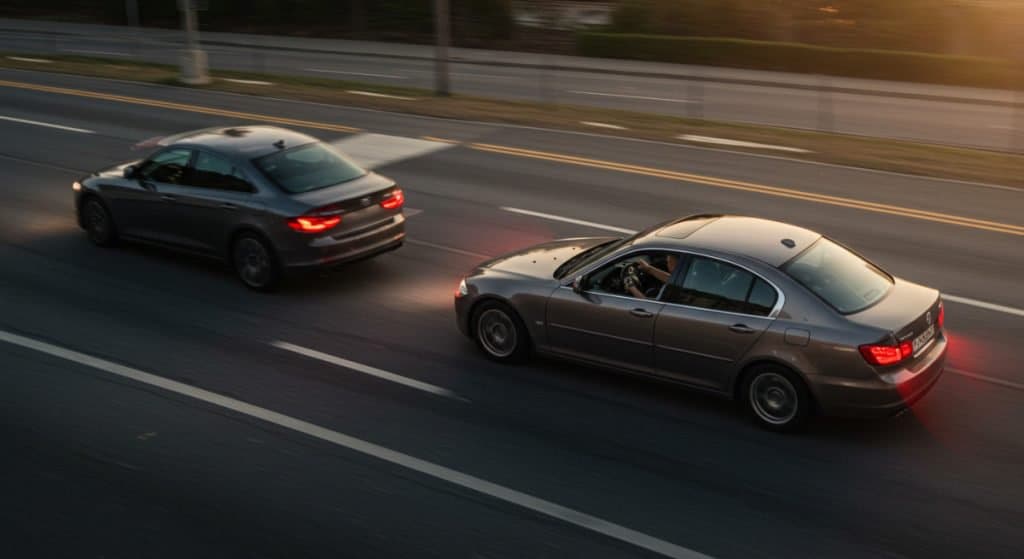
Smooth acceleration helps more than most people expect. It doesn’t have to feel sluggish or boring—a bit more patience with the gas pedal and slightly less urgency with the brakes. Coasting toward red lights instead of charging at them makes a noticeable difference. It also feels calmer somehow. Less stressful in heavy traffic, and easier on the brake pads too.
Over time, that kind of driving starts to feel less like a deliberate strategy and more like second nature. Some people even end up genuinely enjoying it, which wasn’t expected.
Speed Limits vs. Fuel Efficiency
There’s a strong urge to drive fast, especially on open highways. But speed and efficiency don’t really get along well together. For most cars, the sweet spot typically falls somewhere between 50 and 60 miles per hour. Go much higher than that, and wind resistance starts pulling fuel economy down fast.
It’s not just automotive theory, either. Driving significantly faster can mean spending an extra 20 to 30 cents per gallon, effectively. That number varies depending on the specific vehicle, but the general principle applies to almost everyone. Faster means more aerodynamic drag, increased strain on the engine, and higher fuel consumption per mile.
Cruise control can help on flat, straight roads. Not so much on hilly terrain, though. It tends to overcorrect there, which uses more energy than necessary. So the answer becomes a mixed bag, depending on where the driving happens.
Your Car’s Hidden Weight Problem
Most trunks are packed with things that don’t need to be there. A couple of storage boxes, a set of tools, and extra sports gear that got left behind months ago. That weight genuinely adds up over time. A 100-pound extra load can reduce fuel economy by 1 to 2 percent, which may not seem like much at first.
However, it remains present every single time the engine turns over. Eventually, those small percentages show up clearly at the gas pump.
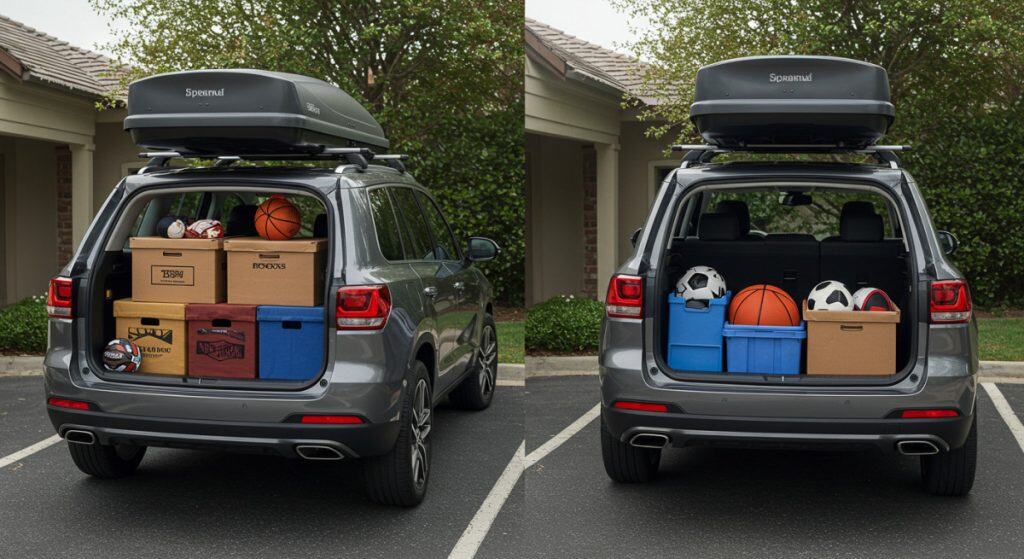
Aerodynamics matter quite a bit too. Roof racks and cargo boxes, even when they’re completely empty, mess with airflow in noticeable ways. Some drivers swear by removing them for daily commuting. Others ignore them completely and accept the trade-off. It depends on how much highway driving happens regularly, but either way, the drag is measurably real.
And then there’s the eternal windows versus air conditioning debate. At slower speeds, rolling the windows down probably doesn’t impact efficiency much. At highway speeds, though, they can affect fuel use more than people typically think. But that’s one of those arguments where the right answer depends on the specific car, the weather, maybe even the driver’s mood that day. Not everything has a perfectly neat solution.
Tire Pressure: The Most Boring Way to Save Real Money
Tire maintenance is absolutely nobody’s favorite automotive chore. Still, it is one of the simplest ways to protect fuel economy without any real effort. When tires are underinflated, they create rolling resistance that makes the engine work noticeably harder. That costs more fuel and shortens tire life at the same time.
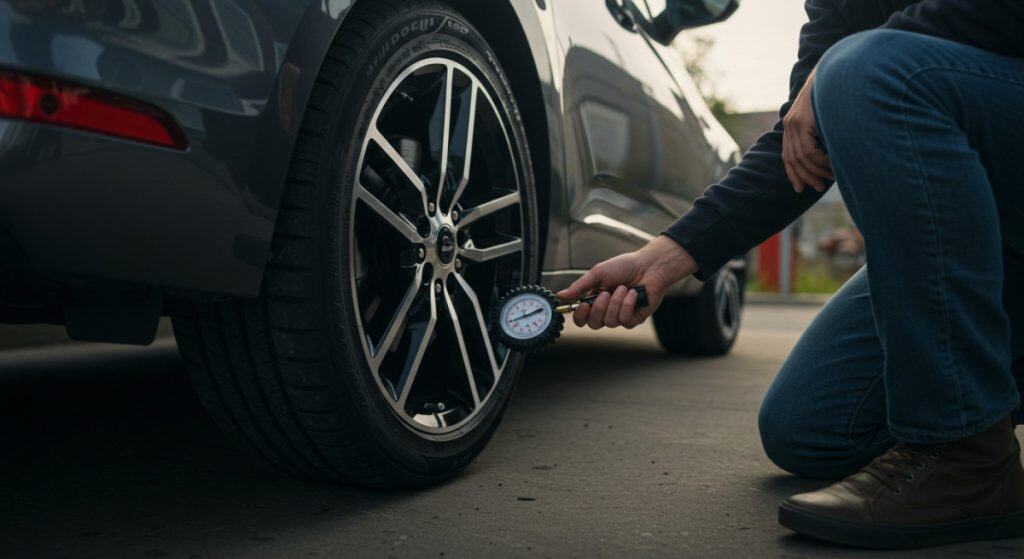
The manufacturer’s recommended pressure is usually printed somewhere inside the driver’s door frame. A monthly check is more than enough for most people. It only takes a couple of minutes with a basic pressure gauge, and the payoff becomes easy to see over several months. More even tread wear, better handling in corners, fewer trips to fill up the tank.
It’s definitely not exciting or glamorous. But it works consistently.
Reading the Road Like a Chess Player
Driving efficiently isn’t just about pedal technique or engine management; it’s also about maintaining a steady pace. It’s also about timing and awareness. Spotting red lights well ahead, looking for brake lights in the distance, and avoiding last-minute lane changes that require sudden acceleration. These small choices add up more than they initially seem.
Trip planning helps too, though not in obvious ways. Cold engines burn noticeably more fuel during warmup, so combining several short errands into one longer drive is a simple way to waste less gas overall. Some navigation apps now even suggest fuel-efficient routes. They’re not perfect systems, but they help establish the right mindset.
It becomes less about driving frustratingly slow and more about driving with some basic awareness of what’s happening ahead.
Let Your Car Help You Be Lazy
Many newer cars offer built-in tools that actively support efficient driving. There are eco modes, real-time fuel economy readouts, and adaptive cruise systems that adjust to traffic flow automatically. These features take genuine pressure off the driver to remember everything.
Even older vehicles can benefit from aftermarket plug-in tools or smartphone apps. An OBD-II adapter paired with a phone can reveal driving patterns that most people overlook on their own. Over time, those insights tend to change habits without requiring much conscious effort.
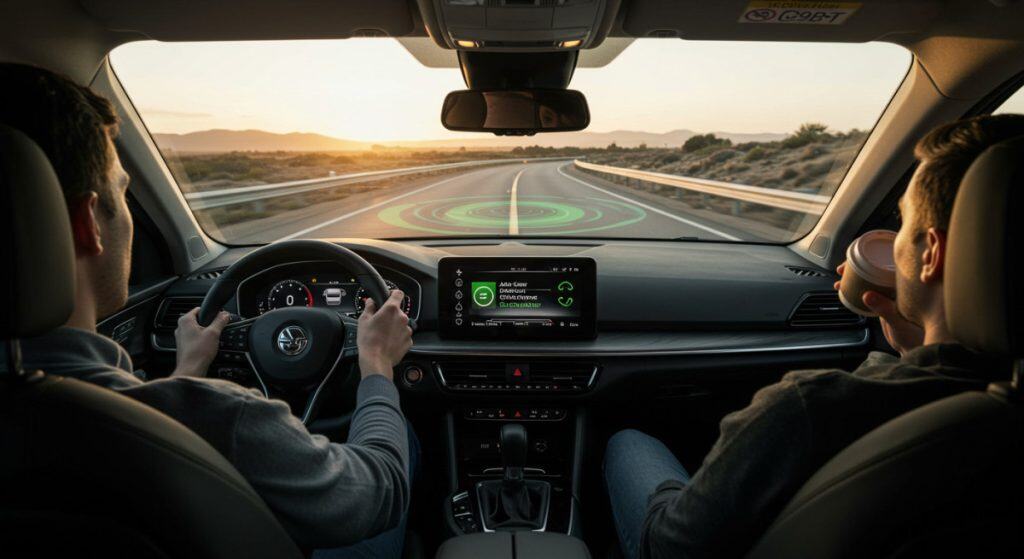
Some drivers religiously follow all the advice these systems provide. Others mostly ignore the recommendations and drive as they always have. That’s perfectly fine. However, the tools are available for anyone who wants to experiment with them.
Not every technique mentioned here will feel natural at first. Some might not stick around at all, honestly. However, even adopting just a few of these approaches can make a measurable difference over time. Less fuel burned, fewer dollars spent at the pump. It doesn’t require a complete lifestyle overhaul, just a few more thoughtful moments behind the wheel.