Skip to content

On-board diagnostics (OBDII scanners) have become essential tools for car owners and mechanics alike. They allow users to quickly identify vehicle issues by reading error codes from the car’s computer. But how accurate are these tools? Let’s take a closer look.
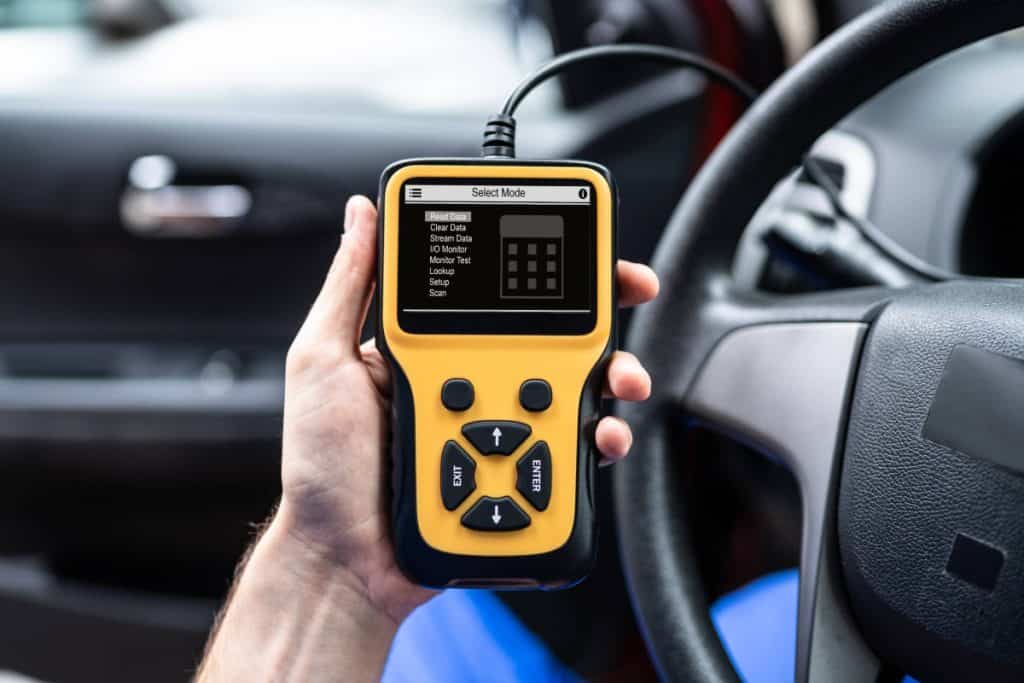
What Do OBDII Scanners Do?
OBDII scanners read diagnostic trouble codes (DTCs) that your vehicle’s onboard computer generates when something isn’t quite right, such as a sensor failure or an engine misfire. The scanner provides a general overview of the issue, offering a valuable starting point for further investigation.
Autel Scanner MaxiCOM MK808S
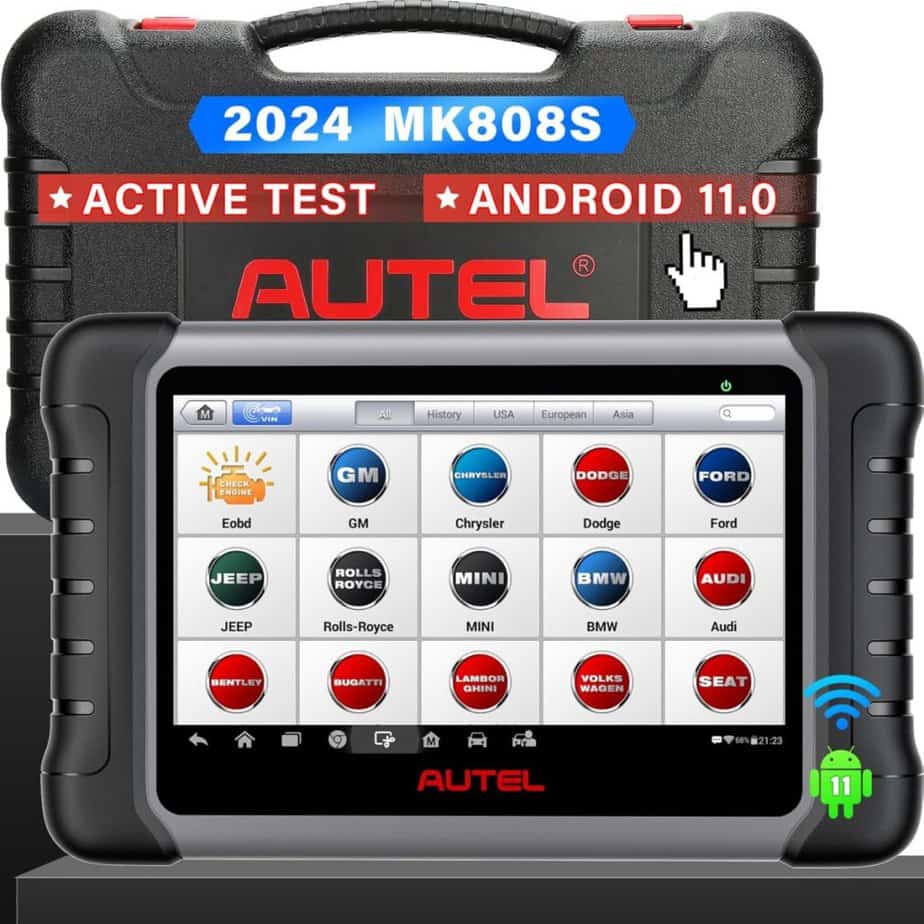
If you’re looking for a more advanced OBDII scanner that takes diagnostics to the next level, consider the Autel Scanner MaxiCOM MK808S. This device stands out due to its bi-directional capabilities, meaning it reads and displays diagnostic trouble codes and can program control modules in your car. With features like updating firmware and programming TPMS in car wheels after replacement, it’s a perfect choice for those aiming to perform professional-grade diagnostics.
Accuracy Levels of OBDII Scanners
Reliable for Basic Diagnostics:
For major problems, OBDII scanners are quite dependable. The error codes they produce are standardized across all cars, so if your vehicle shows a “P0301” code (misfire in cylinder 1), you can trust that there’s likely an issue with cylinder 1. This standardization helps ensure that scanners are usually accurate when identifying significant issues.
Not a Complete Diagnostic Tool:
While these codes are generally accurate, they don’t always tell the whole story. OBDII scanners can identify the malfunctioning system, but they might not pinpoint the exact cause of the problem. For instance, a “P0171” code (lean fuel mixture) might mean a faulty oxygen sensor, but it could also point to a vacuum leak. Additional testing is often needed to find the root cause.
Dependent on Model and Software:
The accuracy of an OBDII scanner also varies depending on the model you use. Basic OBDII scanners may only provide generic codes, while more advanced models—like those used by professionals—can access more detailed, manufacturer-specific codes. Scanners with regularly updated software are generally more accurate as they recognize newer codes and provide more precise information.
What Can Impact OBDII Scanners Accuracy?
Several factors can affect the accuracy of OBDII scanners when reading or interpreting codes:
- Code Misinterpretation: Some basic scanners might not provide a very clear explanation of a code, which can lead to incorrect diagnosis.
- Outdated Software: If your scanner’s software is outdated, it might not recognize newer codes or misinterpret older ones.
- Vehicle Compatibility: Although OBDII is a universal system for cars built after 1996, some brands use proprietary systems, which might require a manufacturer-specific scanner to get the most accurate diagnosis.
- Human Interpretation: While the scanner can provide the codes, how those codes are interpreted matters. Often, a mechanic’s expertise is required to trace the underlying issue causing the error code correctly.
OBDII Scanners Accuracy by Use Case
For Beginners:
OBDII scanners are great for basic diagnostics, especially if you enjoy doing things yourself. Even a basic scanner can help you determine if the problem is with your engine, transmission, or emissions system. They offer a good starting point to decide whether you can tackle the repair yourself or if it’s time to see a professional.
For Professionals:
Mechanics use more advanced OBDII scanners that offer a higher level of accuracy. These scanners can read more specific codes and provide live data like sensor readings or fuel pressure. They can also access manufacturer-specific codes, which allows for more precise troubleshooting.
How to Maximize Accuracy
- Use a Trusted Scanner: Stick with reputable brands and ensure your scanner’s software is regularly updated to get the most accurate codes.
- Maintain Your Vehicle: Sometimes, neglected maintenance can trigger multiple error codes, making it harder to interpret what’s really wrong. Staying on top of regular car maintenance can help prevent these overlapping issues.
- Double-Check Codes: If you get a strange or unexpected code, consider double-checking it with another scan or using a different scanner to ensure it wasn’t a glitch. There are also free resources online where you can cross-reference codes for further clarity.
OBDII Scanners Are Accurate but Limited
In summary, OBDII scanners are generally accurate and provide a solid overview of what might be wrong with your car. However, they should be seen as the first step in diagnosing a problem, not the final solution. While they can identify a malfunctioning system, deeper investigation is often needed to pinpoint the exact issue, especially with more complex problems. Always approach the codes cautiously, and consult a mechanic for a professional diagnosis when in doubt.