Skip to content

Transportation has been a driving force in the development of human civilization, evolving from horse-drawn carts to cutting-edge autonomous vehicles. Each step in this evolution reflects humanity’s innovation and adaptability to meet the demands of the times. Let’s explore the key milestones that have brought us to the present day.
The Age of Horse-Drawn Transportation
For centuries, horse-drawn carts and carriages were the backbone of transportation. They played a crucial role in early societies, facilitating trade, communication, and the movement of people and goods. Cities were designed with narrow streets to accommodate carriages, and rural areas depended on these carts for essential transportation.
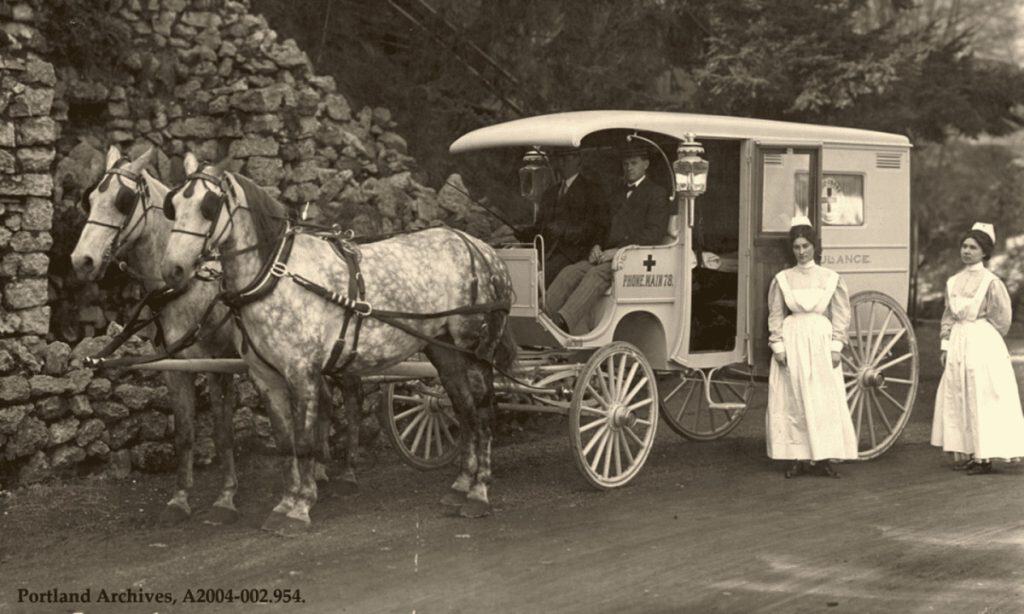
However, horse-drawn transportation had limitations. The physical labor required from animals restricted the speed and range of travel, and maintaining horses was labor-intensive and costly. As populations grew and cities expanded during the Industrial Revolution, the need for faster and more efficient modes of transportation became evident, paving the way for mechanized travel.
The Advent of the Automobile
The late 19th and early 20th centuries marked a monumental shift in transportation with the invention of the automobile. Karl Benz is credited with developing the first car powered by an internal combustion engine in 1885, laying the foundation for modern automobiles. Soon after, innovators like Henry Ford revolutionized the industry by introducing assembly line production, making cars more affordable and accessible.
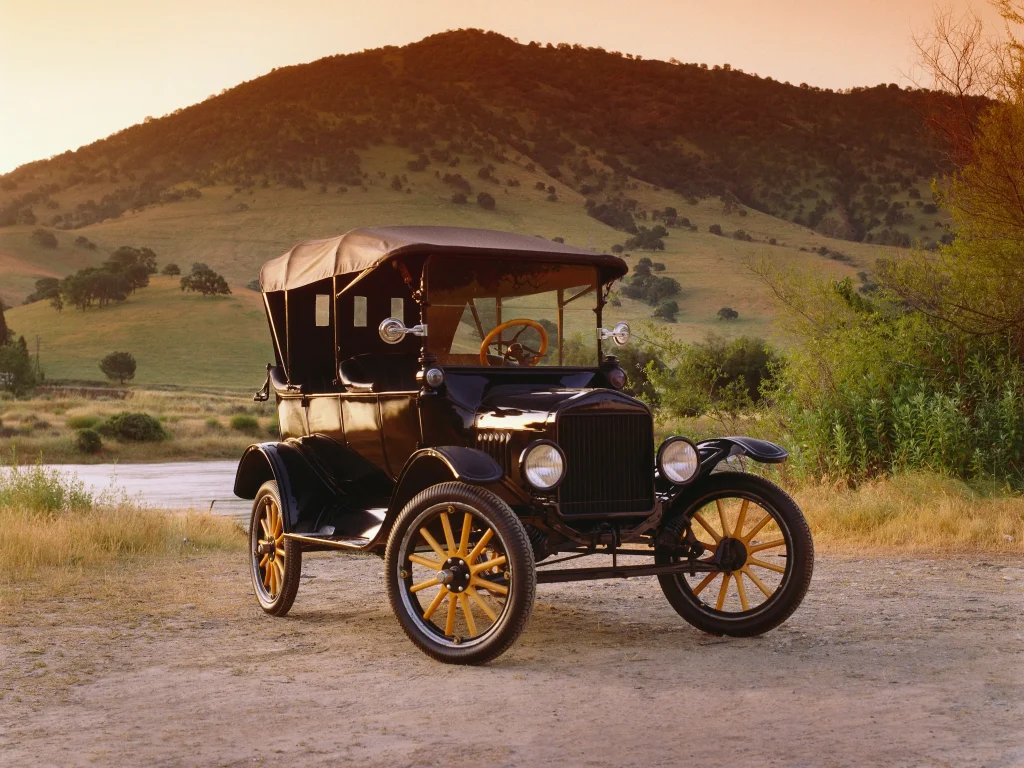
Automobiles transformed how people traveled and how cities and economies were structured. Roads and highways replaced carriage trails, enabling faster and more efficient movement of goods and people. The automotive industry became a significant driver of economic growth, fueling innovation and creating millions of jobs worldwide.
The Rise of Autonomous Vehicles
Today, we stand on the brink of another transportation revolution, thanks to the rise of autonomous vehicles. Self-driving cars use advanced technologies, such as sensors, artificial intelligence, and real-time data, to navigate roads without human intervention. Companies like Tesla, Waymo, and Cruise are in charge of developing autonomous systems that promise to redefine mobility.

Autonomous vehicles offer numerous potential benefits. They could significantly enhance road safety by reducing human error. They also can potentially improve accessibility for individuals with disabilities or limited mobility and reduce traffic congestion through optimized driving patterns. Despite these advantages, challenges remain, including safety concerns, liability in accidents, and the ethical implications of programming AI to make life-or-death decisions.
Key Lessons from Transportation History
The evolution of transportation teaches us valuable lessons about adaptation and progress. Each innovation faced initial skepticism and resistance before becoming a standard part of life. For example, horsecart owners were reluctant to embrace automobiles, just as many drivers today are hesitant about electric and autonomous vehicles.
Another lesson is the societal shifts caused by transportation advancements. The rise of automobiles reshaped city design, fostering suburban expansion and transforming the global economy. Similarly, the move toward autonomous vehicles will likely influence urban planning, labor markets, and environmental policies.
Finally, sustainability has become an essential consideration in modern transportation. The environmental impact of internal combustion engines has prompted a shift toward electric vehicles and renewable energy solutions. By learning from the past, we can ensure that future innovations prioritize sustainability alongside efficiency and convenience.
Looking Ahead: The Future of Transportation
Transportation is poised to undergo even more dramatic changes as we look to the future. Electric vehicles are becoming mainstream, supported by growing investments in charging infrastructure and renewable energy. Urban air mobility—including flying cars and drone taxis—is no longer a concept confined to science fiction but a potential reality in the coming decades.
Smart cities are also emerging, integrating transportation networks with artificial intelligence to optimize traffic flow and improve connectivity. These advancements will require global collaboration to ensure infrastructure keeps pace with technological developments.
While autonomous vehicles promise to take over many driving tasks, humans will continue to play a crucial role in overseeing and guiding these systems. The focus must remain on responsible innovation, ensuring that technology enhances lives without creating unnecessary risks or inequalities.