 Skip to content

Thanks to integrating advanced infotainment systems in vehicles, the driving experience has transformed in recent years. What was once limited to simple radios and CD players has evolved into sophisticated connectivity, entertainment, and safety hubs. Infotainment systems are no longer just accessories; they are becoming a central feature that enhances the overall journey for drivers and passengers alike.
Evolution of Infotainment Systems

Early Beginnings
The journey of infotainment systems began with basic AM/FM radios, cassette players, and later, CD players. These early systems provided simple entertainment for drivers but lacked the advanced functionality we see today.
Digital Revolution
As technology advanced, infotainment systems evolved to include digital interfaces, GPS navigation, and touchscreen displays. These features brought convenience and functionality to the forefront, allowing drivers to easily access maps, manage playlists, and control car settings.
Current State (2025)
In 2025, infotainment systems are more advanced than ever. Manufacturers are showcasing groundbreaking innovations at events like CES. For example, BMW’s Panoramic iDrive system now features augmented reality displays, while Honda’s AISMO OS leverages AI for a personalized driving experience. These systems seamlessly blend entertainment, safety, and convenience.
Key Features of Modern Infotainment Systems
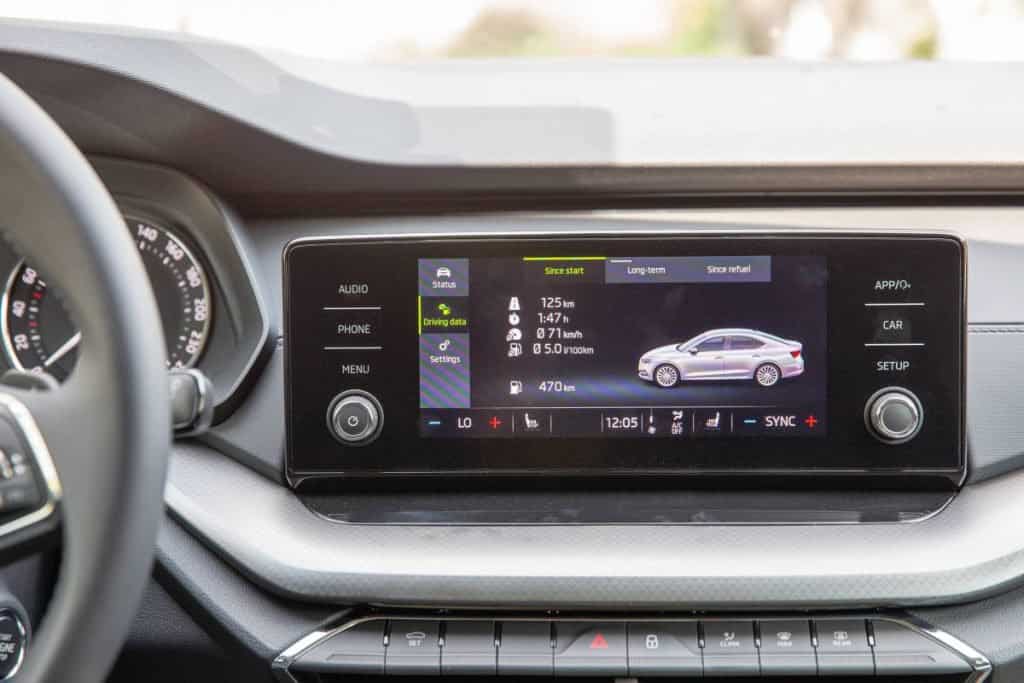
Seamless Connectivity
Modern infotainment systems offer seamless smartphone integration through platforms like Apple CarPlay and Android Auto. This allows drivers to access their favorite apps, music, and contacts without taking their eyes off the road. Connectivity ensures that vehicles become extensions of our digital lives.
Advanced Navigation
Navigation systems have become more precise and user-friendly. Features like real-time traffic updates, 3D mapping, and augmented reality overlays help drivers navigate efficiently. These systems also offer predictive routing, which learns your habits to suggest optimal paths.
Voice Recognition and AI Assistants
Voice control has become a game-changer in reducing driver distractions. AI assistants, such as SoundHound’s in-vehicle platform, respond to natural language commands, allowing users to control settings, play music, or make calls hands-free. AI also personalizes suggestions based on user behavior.
Entertainment Options
Infotainment systems are now multimedia hubs. Passengers can stream movies, play games, or browse the internet. Some vehicles even offer built-in streaming services and rear-seat entertainment screens. These features ensure long journeys are enjoyable for everyone.
All-in-One Control Systems
Infotainment systems are increasingly consolidating vehicle controls, including HVAC (heating, ventilation, and air conditioning), radio, seat adjustments, and ambient lighting. While this integration offers a sleek and modern experience, it also presents challenges:
- Pros: Streamlined interfaces, fewer physical buttons, and improved aesthetics.
- Cons: Increased reliance on touchscreen menus, potential distraction risks, and higher repair costs if the system malfunctions.
Diagnostic Tools for Modern Cars
Modern infotainment systems increasingly incorporate vehicle diagnostic capabilities, offering real-time insights into the car’s performance and health. For those looking to enhance their diagnostic capabilities further, tools like the BlueDriver LSB2 Bluetooth Pro are invaluable. This device connects to your car’s OBD2 port and syncs with your smartphone, providing detailed diagnostic information, repair suggestions, and live data. It’s a must-have for tech-savvy drivers who want to avoid maintenance issues.

Disclosure: I recommend only what I trust. This page may have affiliate links, earning me a small commission at no extra cost to you.
Impact on Driver Behavior and Safety
Enhanced Focus
Infotainment systems help drivers maintain focus on the road by enabling hands-free operation and integrating intuitive controls. Voice commands and simplified interfaces reduce the need for physical interaction.
Potential Distractions

While infotainment systems offer many benefits, they can also contribute to distractions if not used responsibly. Studies show that overly complex interfaces may divert attention from driving, underscoring the importance of user-friendly designs.
Regulatory Considerations
To address these concerns, governments and industry regulators are implementing guidelines to ensure the safety of infotainment systems. These include standards for interface design and limits on certain features while the vehicle is in motion.
Integration with Advanced Driver Assistance Systems (ADAS)
Synergy Between Infotainment and ADAS

Modern infotainment systems work hand-in-hand with ADAS technologies. Features like adaptive cruise control, lane-keeping assistance, and collision warnings are integrated into infotainment displays, providing drivers with real-time feedback and enhancing overall safety.
User Interface Challenges
Manufacturers focus on minimalist designs, prioritizing critical information to avoid overwhelming drivers. Augmented reality displays and customizable dashboards ensure drivers see only what is necessary.
Future Trends in Infotainment Systems
Artificial Intelligence and Machine Learning
AI is set to play an even more significant role in infotainment systems. AI can offer tailored recommendations for music, navigation, and climate settings by learning driver preferences. This technology will make vehicles more intelligent and intuitive.
Augmented Reality (AR) Displays
AR is transforming how drivers interact with their environment. Features like heads-up displays (HUDs) project navigational cues and hazard warnings onto the windshield, reducing distractions and improving situational awareness.
Over-the-Air (OTA) Updates
OTA updates allow manufacturers to deliver new features and improvements directly to vehicles. This ensures that infotainment systems remain up-to-date without requiring trips to the dealership, offering both convenience and security.
Consumer Considerations
Evaluating Infotainment Systems
When shopping for a vehicle, it is essential to evaluate the infotainment system’s usability, compatibility, and features. Test the interface to ensure it meets your needs and integrates well with your devices.
Balancing Technology and Usability
While advanced features are appealing, simplicity and ease of use should be prioritized. A sound infotainment system enhances the driving experience without creating unnecessary distractions.
Where Technology Meets the Road
Infotainment systems are no longer just about entertainment; they redefine how we interact with our vehicles and the world around us. These systems have become integral to modern driving, from seamless connectivity to advanced safety features. As technology evolves, the future promises even more exciting innovations to make driving safer, more enjoyable, and more connected than ever before.
Resources:
- https://apnews.com/article/ces-technology-automobiles-7a6bc0d76fa2352579e91cf75b7f2c47
- https://www.investors.com/news/technology/soundhound-stock-voice-ai-firm-tempting-offer-carmakers/
- https://screenshield.us/blogs/blog/the-impact-of-infotainment-on-driver-behavior-navigating-the-road-of-distraction
- https://www.techinsights.com/blog/automotive-tech-trends-what-expect-2025
- https://www.thestar.com.my/tech/tech-news/2025/01/09/from-ai-assistants-to-holographic-displays-automakers-showcase-in-cabin-experiences-at-ces-2025


