 Skip to content


A car window that slowly slides back down after you push it up is one of those small problems that gets annoying fast. Maybe it only drops a little while you’re driving, or maybe the glass disappears back into the door as soon as you let go. Either way, you probably want two things: a way to keep the window closed today and some idea of what actually went wrong.
The good news is that the window’s behavior can tell you quite a bit before you take anything apart. This guide will help you secure intact glass temporarily, make sense of what the window is doing, and decide what kind of repair comes next.
Quick Answer
If intact window glass can be safely raised all the way, you can use tape to secure it temporarily in the closed position while you arrange the repair. Then watch what the window actually does before deciding what failed.
Think of the next steps in this order:
- Get the window closed safely if the glass can be raised without forcing it.
- Observe the symptom. Does the glass fall, sit crooked, stay still while the mechanism works, do nothing at all, or reach the top and reverse?
- Match that behavior to the repair path. A falling pane can involve the regulator, the glass attachment, the guides, an electrical problem, or a binding or calibration issue depending on the symptom and vehicle.
If the glass is crooked, loose, cracked, binding, or will not move without force, stop operating it rather than trying to muscle it into place.
How to Keep the Window Closed Right Now

Sometimes you are not trying to repair the door this afternoon. You just need the window closed so rain stays outside and the car is reasonably secure until you have time to deal with it properly.
If the glass is intact, reasonably stable, and can be moved all the way into the closed position without forcing it, the goal is simply to support it temporarily so it cannot drop back into the door.
OEM service procedures sometimes use tape to support fully raised glass during repair. Some procedures specifically call for low-tack tape, but that is a short-term service example rather than a universal recommendation for every vehicle or for extended use. The important point is to support stable, intact glass temporarily without forcing it or treating the temporary support as the repair itself.
Be mindful of where adhesive contacts the vehicle, especially window film, painted surfaces, trim, or other finishes. Once the glass is secured, leave the window control alone.
The tradeoff is simple: you are choosing a closed window over a usable window until the real repair is made.
That is obviously not very convenient, but it can buy you some time without pretending that temporary support has fixed the failed mechanism.
If the pane is crooked, noticeably loose, cracked, binding in the opening, or refuses to move upward without force, do not keep cycling the switch. Unstable glass can separate further, and repeated operation can make a bad situation worse.
Do not slam the door in an attempt to knock loose glass back into place. If the glass or its regulator attachment is already loose or misaligned, the impact does not tell you what failed and can make unstable glass a worse problem.
What Is Your Window Actually Doing?
Before you start thinking about motors, regulators, switches, or door panels, spend a moment watching the window.
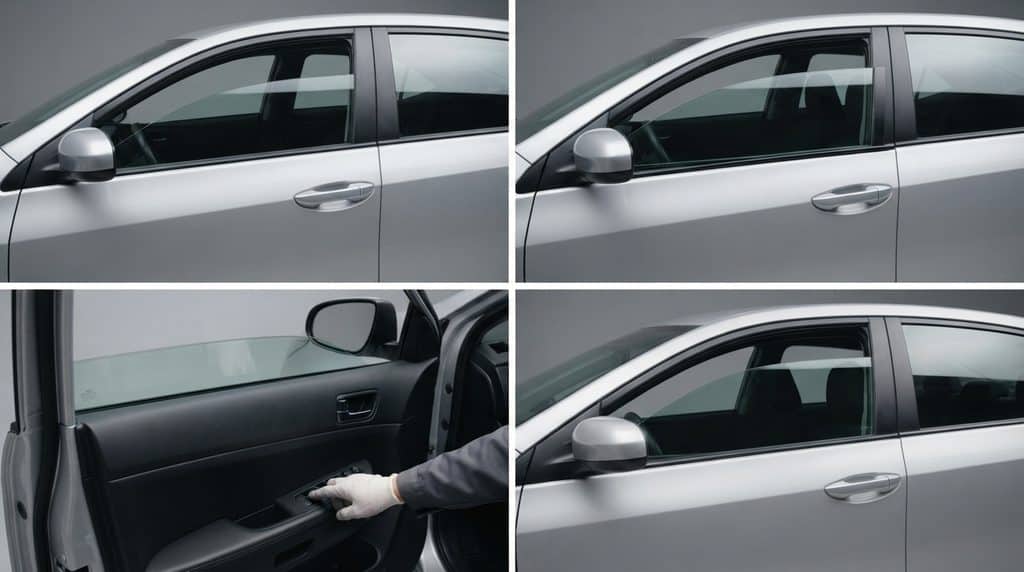
You are basically listening to what the problem is telling you.
The table below turns what you see and hear into a few useful troubleshooting branches.
| What the window does | What that suggests | What you can do now | What the repair may involve |
| The glass can be raised but physically falls or slides down afterward | The glass-to-regulator attachment or regulator mechanism may no longer be supporting the pane correctly | Temporarily secure intact glass fully up if you can do so without forcing it | Glass reseating, attachment or clamp service, or regulator repair or replacement |
| The glass feels loose or sits crooked in the door | The glass may be improperly seated, or a regulator, guide, or run-channel condition may be affecting its position | Stop repeatedly operating it and secure it only if it can be safely positioned | Glass reseating, regulator inspection, run-channel work, or adjustment |
| You hear or sense regulator or motor activity but the glass does not move with it | The glass-to-regulator connection or regulator mechanism needs inspection | Avoid repeatedly cycling the control | Attachment service, glass reseating, or regulator repair or replacement |
| Nothing happens when you operate the window control | An electrical or control problem is possible, but the symptom does not identify one failed component by itself | Keep the symptom in the electrical troubleshooting branch rather than assuming the glass has detached | Vehicle-specific diagnosis of the window circuit, controls, power supply, motor, or related components |
| The window reaches the top and then reverses | This is different from glass physically falling. Binding, auto-reversal or anti-entrapment behavior, or calibration may be involved on some vehicles | Do not force the glass closed against resistance | Run-channel inspection, adjustment, component service, or recalibration depending on the vehicle |
You do not need to identify the exact failed part just from standing outside the door. At this point, you are trying to narrow the problem down.
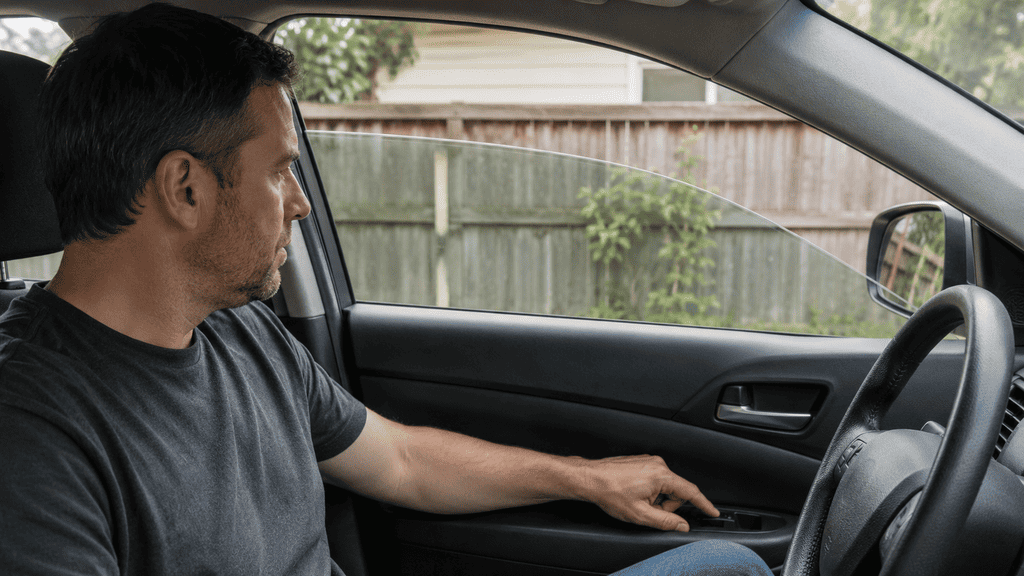
That alone can save you from chasing the wrong repair.
Make a Note Before You Take Anything Apart
If the cause is not obvious, write down what happened or take a quick video while the door is still assembled.
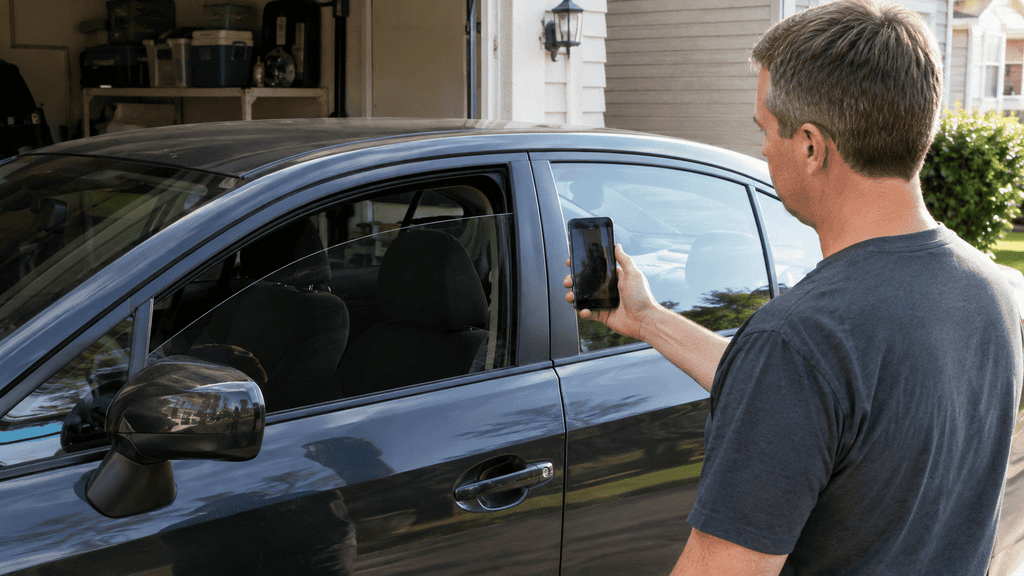
Pay attention to whether there was sound inside the door, whether the glass moved at all, whether it traveled crookedly, whether it dropped afterward, and whether the same behavior happened again.
Popping, clicking, rubbing, or grinding can also be useful clues that something mechanical is happening inside the door, especially if the noise occurs at the same point in the window’s travel. A strange sound is worth writing down, but the sound by itself does not identify the failed part.
That gives you something concrete to work from if you continue the diagnosis yourself. It is also useful information if you eventually hand the car to a repair shop instead.
Finding the exact failure can take a little patience. Not knowing the answer immediately does not mean you missed something obvious. It may simply mean the next clue is inside the door.
Should You Fix It Yourself?
A broken power window does not automatically mean you have to hand the car to a shop.
If you already have the correct information for your vehicle, the tools the procedure calls for, experience removing interior trim, and a safe way to support the glass, continuing the diagnosis yourself can be a reasonable DIY project.
The important question is whether the job still matches what you know how to do.
If you remove trim and find a clearly documented regulator or glass-attachment repair that you are comfortable performing, that is very different from reaching unfamiliar wiring, unsupported glass, SRS-related components, or an electrical problem you cannot confidently identify.
That is a sensible stopping point, not a failed DIY attempt.
If you are weighing the job before committing to it, MotorHills has a separate guide on when to go to a mechanic and when to fix things yourself.
How a Power Window Works
It helps to picture what is happening inside the door before you start naming failed parts.
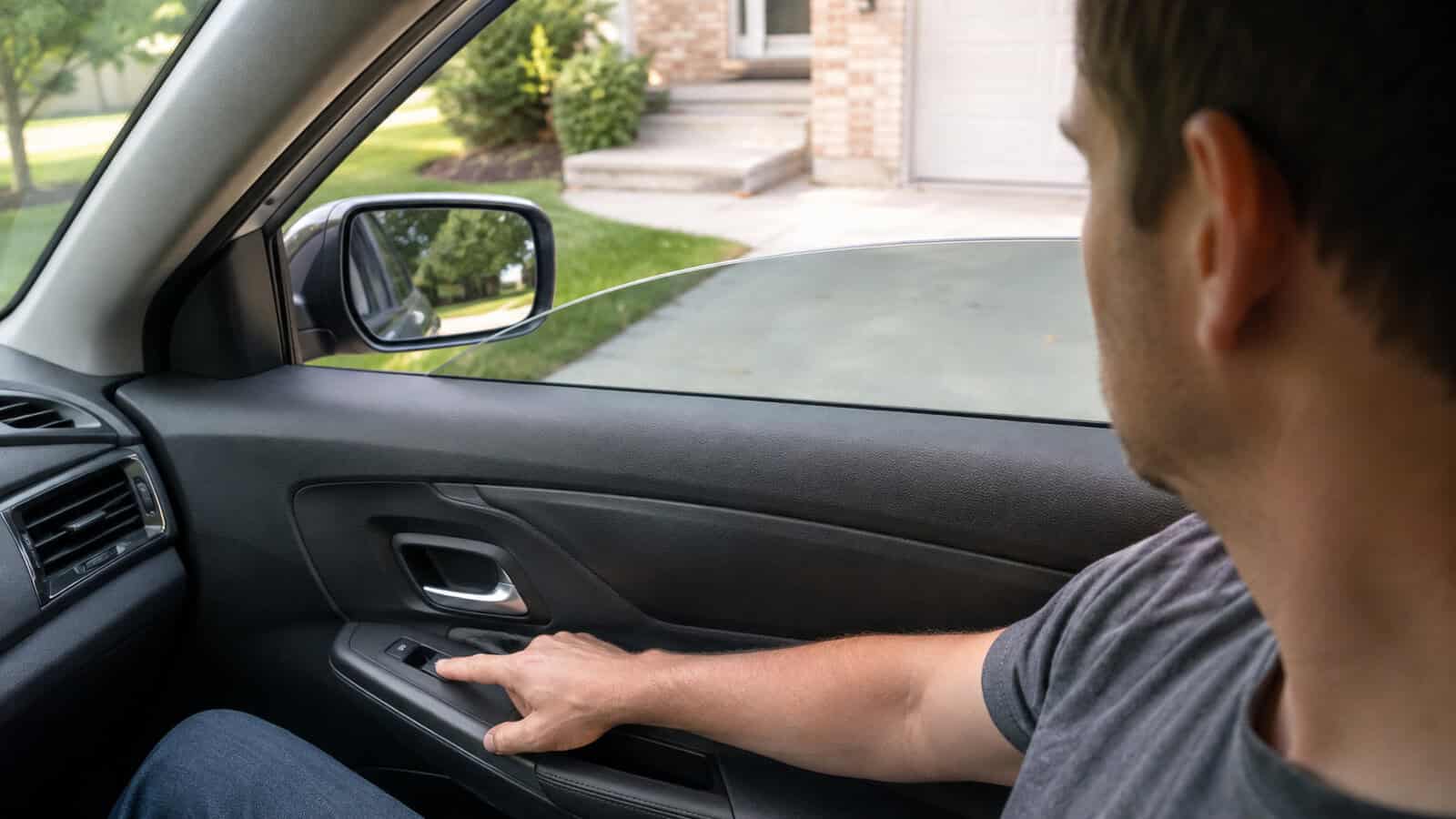
A power-window system has a few basic jobs:
- The motor provides the power.
- The regulator acts like the lift that moves the glass up and down.
- The glass-to-regulator attachment lets that lift actually carry the pane.
- The run channels help guide the glass as it travels through the door.
The exact hardware that performs those jobs varies from vehicle to vehicle. Some regulators use cables. Others use different lifting arrangements. The way the glass attaches to the regulator also varies.
But the basic relationship makes troubleshooting easier to understand.
If the motor and regulator are moving but the glass is not following them, the movement may no longer be transferring correctly to the pane.
If the glass is moving crookedly, the problem may involve how the glass is seated, supported, or guided.
If nothing responds at all, you are dealing with a different branch of the problem than a piece of glass that simply is not being supported anymore.
That is why one “car window sliding down” symptom does not lead to one universal fix.
Permanent Repair Depends on What Failed
Once you know what the window is doing, the possible repair starts to make more sense.
If the Glass Falls After You Raise It
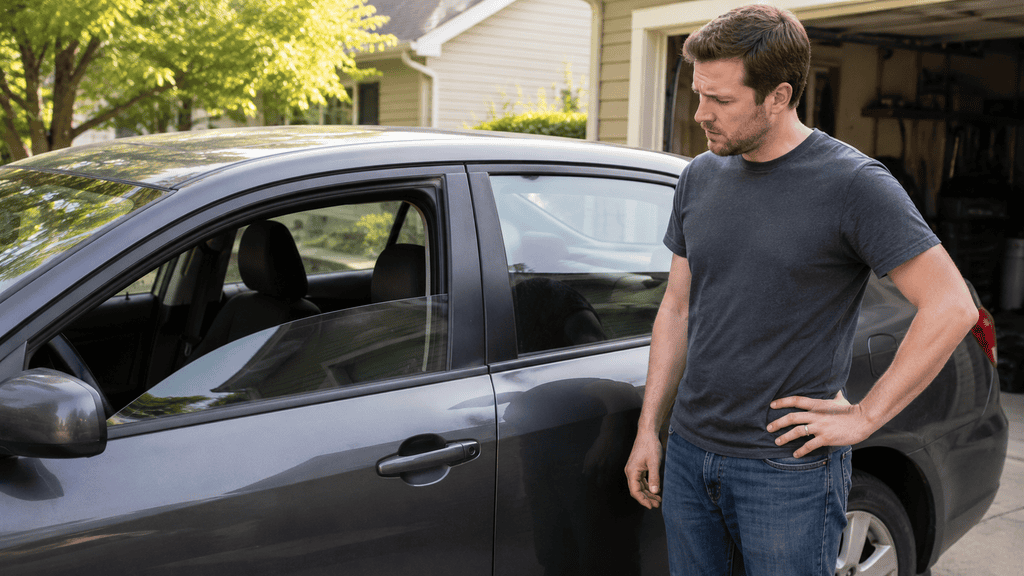
If you can put the glass back up but it will not stay there, something is no longer supporting the pane the way it should.
One possibility is that the glass has separated from its regulator attachment. This is a real failure that has been documented in OEM repair information, but it is not the only reason a window can fall.
Depending on the vehicle and what inspection shows, the correct repair might be reseating the glass, servicing a specific clamp or attachment, or replacing a damaged regulator.
The useful clue here is that the glass itself can move into position but will not remain supported.
If You Hear the Mechanism Working but the Glass Stays Put
If you press the switch and can hear or sense activity inside the door while the glass sits there, that tells you something useful.
Power is producing some kind of movement, but that movement is not translating into normal glass travel.
The connection between the glass and regulator may need inspection, or the regulator itself may have a mechanical problem. The point is not to guess one part from the sound. It is to recognize that you are now looking at a mechanical transfer problem rather than starting with a no-power diagnosis.
If the Glass Is Crooked or Loose
A crooked pane is another useful clue.
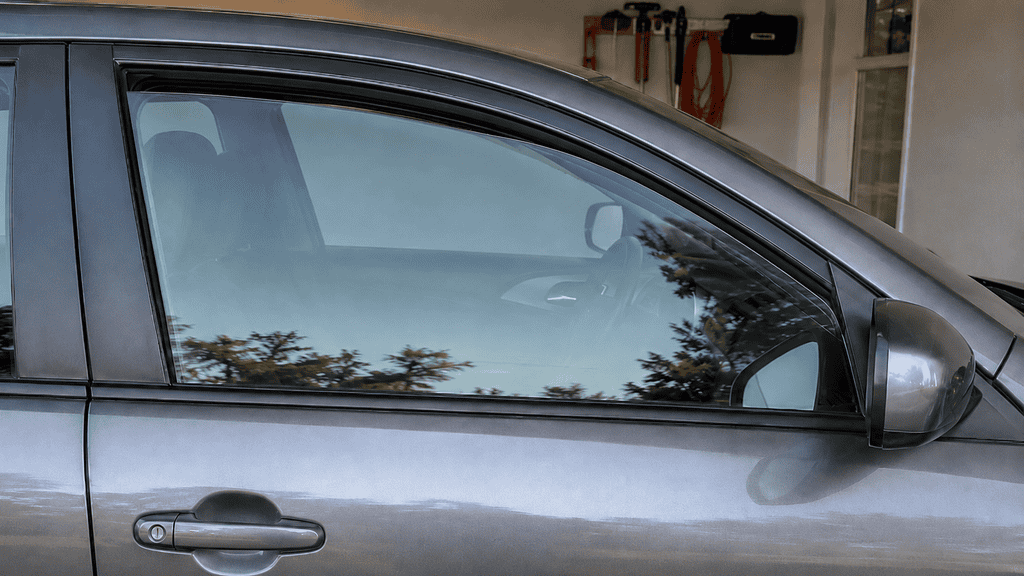
The glass may not be seated correctly in its lifting points, a regulator condition may be affecting its position, or the run channel that guides the glass may be contributing to the problem.
This is where repeatedly pressing the switch usually tells you less, not more.
If the pane is moving at an angle or feels unstable, stop cycling it and move to inspection. Depending on the vehicle, the repair may involve reseating the glass, regulator work, run-channel service, or adjustment.
If Nothing Happens When You Press the Switch
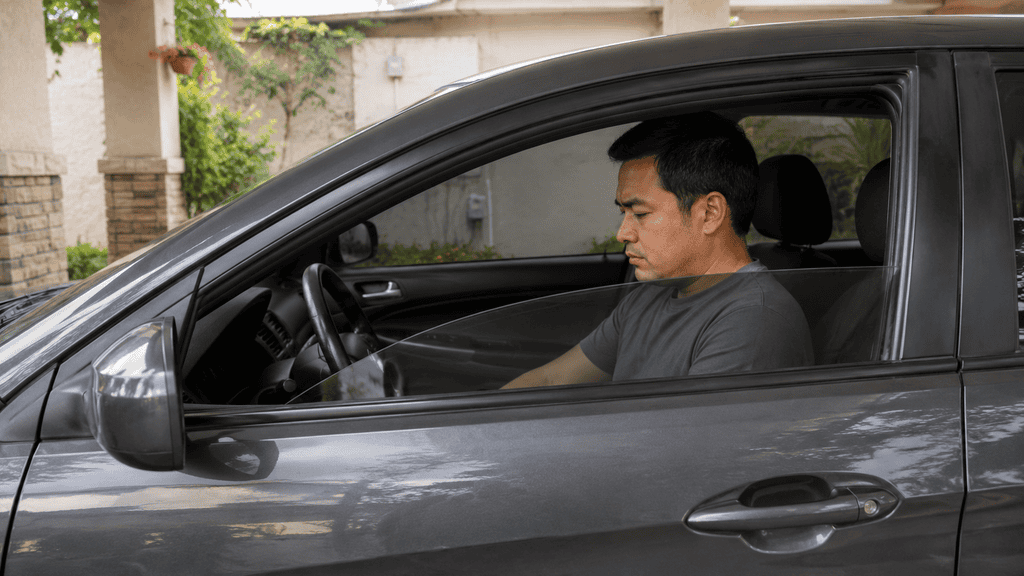
If the window is completely unresponsive, move your thinking away from “the glass fell off its track” and into the electrical or control side of the system.
That does not mean silence proves that a fuse, motor, or switch is bad. There are multiple possible points in the circuit and control system.
What the symptom does tell you is that you should not start gluing, lubricating, or reseating the glass simply because the window does not move.
If the diagnostic information for your vehicle sends you toward fuse inspection, MotorHills has a background guide explaining whether car fuses can wear out.
If the Window Goes Up and Then Comes Back Down
This one is easy to confuse with a falling window, but it is a different symptom.
If the glass reaches the top under its own power and then reverses, the mechanism has already demonstrated that it can raise the pane.
On some vehicles, binding, the glass run, an auto-reversal or anti-entrapment function, or lost calibration can be involved.
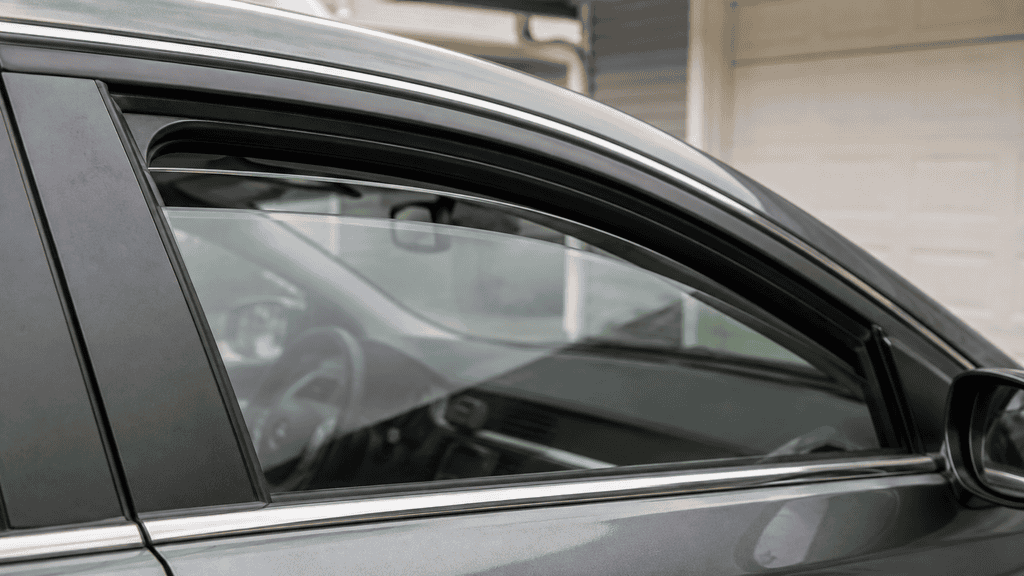
If the strange behavior started after the battery was disconnected, power to the window system was interrupted, or window or door electrical work was performed, check whether your vehicle requires a power-window initialization or relearn before assuming another mechanical failure. Procedures vary by model, so there is no universal button sequence to use here.
That pushes the diagnosis toward why the system is reversing rather than why the glass cannot physically stay attached or supported.
Before Opening the Door
Once you are ready to remove trim and work inside the door, this is the point where vehicle-specific instructions matter.
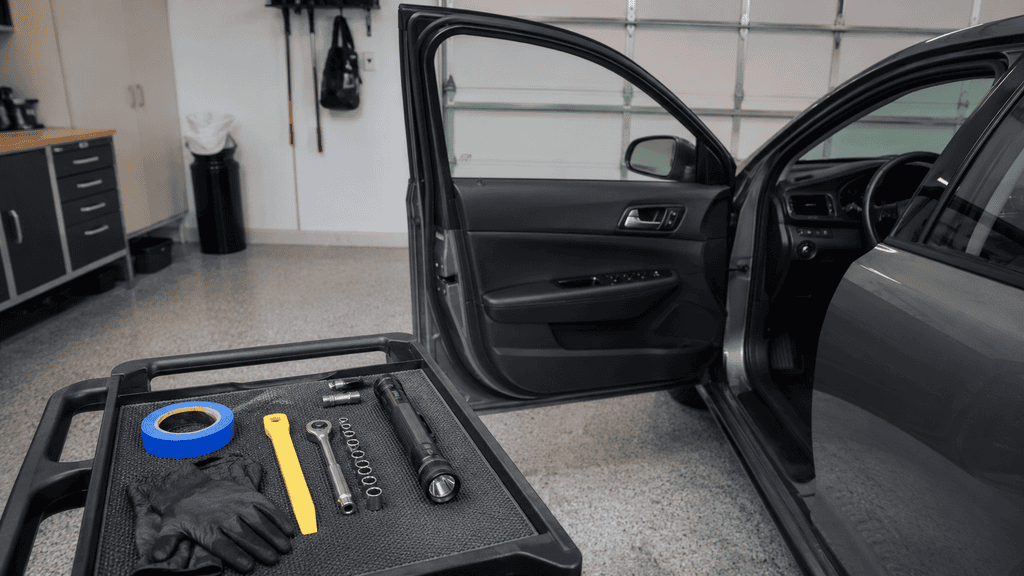
Know the correct procedure for your exact vehicle before you start. The glass may need to be supported or removed in a particular way, power isolation can be specific to the vehicle, and some doors contain SRS-related components or sensors that you do not want to probe or disturb casually.
If the documented job matches your tools and experience, continue carefully. If the procedure takes you beyond that point, you now have a much better description of the symptom to give the person finishing the repair.
Frequently Asked Questions
Why does my car window go up and then come back down?
If the window actually reaches the top under power and then reverses, that is not the same thing as glass that physically falls because it is no longer supported.
On some vehicles, the system may be reacting to binding, auto-reversal or anti-entrapment behavior, or a calibration issue. If the behavior began after the battery was disconnected or power-window or door electrical work was performed, check whether your vehicle requires window initialization or relearning before assuming another part has failed. Some manufacturers specifically require this after power interruption.
At that point, the useful question is why the system is reversing, not how to hold loose glass up.
What if the motor runs but the glass does not move?
That is a good clue because something inside the door appears to be operating while the glass is not following it.
The glass-to-regulator connection or the regulator mechanism needs inspection. You still should not assume one specific clip, clamp, cable, or regulator part has failed until you see how your vehicle’s system is put together.
What if the window glass is crooked or loose in the door?
Stop forcing it up and down.
A crooked or loose pane may not be seated or guided correctly, and repeatedly cycling the mechanism can make the situation worse. If you can safely position intact glass and secure it temporarily, do that. Then move on to the proper inspection rather than trying to straighten the pane with the switch.
Get It Closed, Read the Symptoms, Then Fix the Right Problem
If your window keeps sliding down, you now have a workable plan instead of just an annoying piece of glass that refuses to cooperate.
If the intact pane can be raised safely, secure it temporarily so you can keep the opening closed while you figure out the real failure. Then use the behavior you observed to narrow down which repair path actually makes sense.
From there, the job may still fit your tools, information, and experience. If it does not, you can hand it off with a much better description of what the window is doing instead of starting from “it just won’t stay up.”
Either way, you have narrowed down the problem instead of blindly taking the door apart and hoping to find it.
External Resources
- GM Service Bulletin 16-NA-397: Door Glass Separation From the Window Regulator
- FCA TSB 23-044-23: Door Glass Seating and Window-Regulator Diagnosis
- Subaru Service Bulletin 07-189-21R: Window Binding, Run-Channel, and Regulator Diagnosis
- Nissan NTB16-111: Power-Window Initialization After Power Interruption
- Toyota T-SB-0208-12: Window-Regulator Popping, Clicking, and Rattling Noise
- Ford CSP 21N13: Front Door Window-Regulator Service Procedure
- Honda/NHTSA Technical Instructions 18V795: Temporary Door-Glass Support With Low-Tack Tape During Service
- GM Safety Recall 07273: Loose Window-Regulator Bolts, Popping/Clicking, and Glass-Separation Risk


very good article, thank you
Thanks for the feedback, I’m glad you found it helpful!