 Skip to content

For motor vehicle aficionados, the Mazda RX-7 with a rotary engine has been accorded a near—legendary status—users have grown quite fond of “brap.”

Its characteristic sound is not just noise; it is a statement, a signal that something special is under the hood. So exactly what does this mean, and how do you get your RX-7 brapping like the best of them?
Now, let’s explore the technicalities, modifications, and considerations of making that classic exhaust note.
Understanding Rotary Engines
What Makes Rotary Engines Unique
Rotary power is unique because it functions with a triangular rotor instead of pistons that spin within a chamber. This design allows continuous power output from these compact, high-revving engines.
Key points:
- No pistons: Unlike traditional engines, rotaries use rotors.
- Continuous motion: This leads to smooth power delivery and a unique sound.
- Distinctive exhaust note: Rotary engines inherently have a higher pitched sound than a piston engine.
Why the RX-7 Stands Out
Probably what sets the RX-7 apart from today’s automobiles is its inherent ability to make that exceptional and aggressive note at the exhaust, specifically both the 13B- and 20B-equipped versions of the rotary engine. The 13B, used by the second and third generations of the RX-7, became known as the “brap” because of its very nature and the many modifications it can undertake. All this is cemented in street and track performance, making the RX-7 a favorite among tuners and racers in car culture.
Porting Techniques for the “Brap” Sound
The Concept of Engine Porting
Engine porting in rotary engines involves modifying the intake and exhaust ports to allow more airflow. This modification alters the timing and volume of the air/fuel mixture entering and exiting the combustion chamber, affecting the engine’s sound and performance. Porting is one of the primary methods to achieve the pronounced “brap” sound that many RX-7 enthusiasts seek.
Types of Porting and Their Effects
Each type of porting has a distinct impact on both the sound and performance of the engine:
Street Porting
- A mild modification.
- Increases power and responsiveness.
- Produces a moderate “brap.”
- Great for daily driving.
Bridge Porting
- A more aggressive approach.
- Larger intake and exhaust ports.
- Louder, more pronounced “brap.”
- It has less low-end torque and is not as smooth for everyday use.
Peripheral Porting
- The most extreme form.
- Adds ports directly to the engine housing.
- Loudest and most aggressive sound.
- It’s best for racing, not street driving.
Exhaust System Modifications
The Role of the Exhaust in Creating the “Brap”
The sound of any engine is determined by the design of its exhaust system, and this holds even more true for a rotary engine. The exhaust pulses in a rotary engine are quite different from those of a piston engine. The management and expulsion of this difference will drastically change how a car sounds. This amplification from a well-tuned exhaust system makes a rotary engine’s inherent “brap” more pronounced and satisfying.
Key Exhaust Components
To achieve the perfect “brap,” several components of the exhaust system can be modified:
Headers
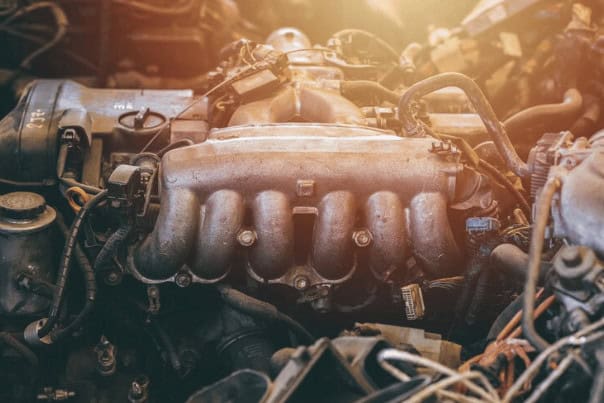
Headers, or exhaust manifolds, are the first portions of any setup to influence the sound going through the exhaust. In an RX-7, even cheap headers can enhance the motor’s sound by allowing spent exhaust gases to exit more freely, but they may not produce the same refined ‘brap’ as quality aftermarket options. Equal-length headers, in particular, can help achieve the best-sounding ‘brap,’ with a more coordinated and clean sound across all rotors, bringing out the defined ‘brand.’
Mid-pipes and Catalytic Converters
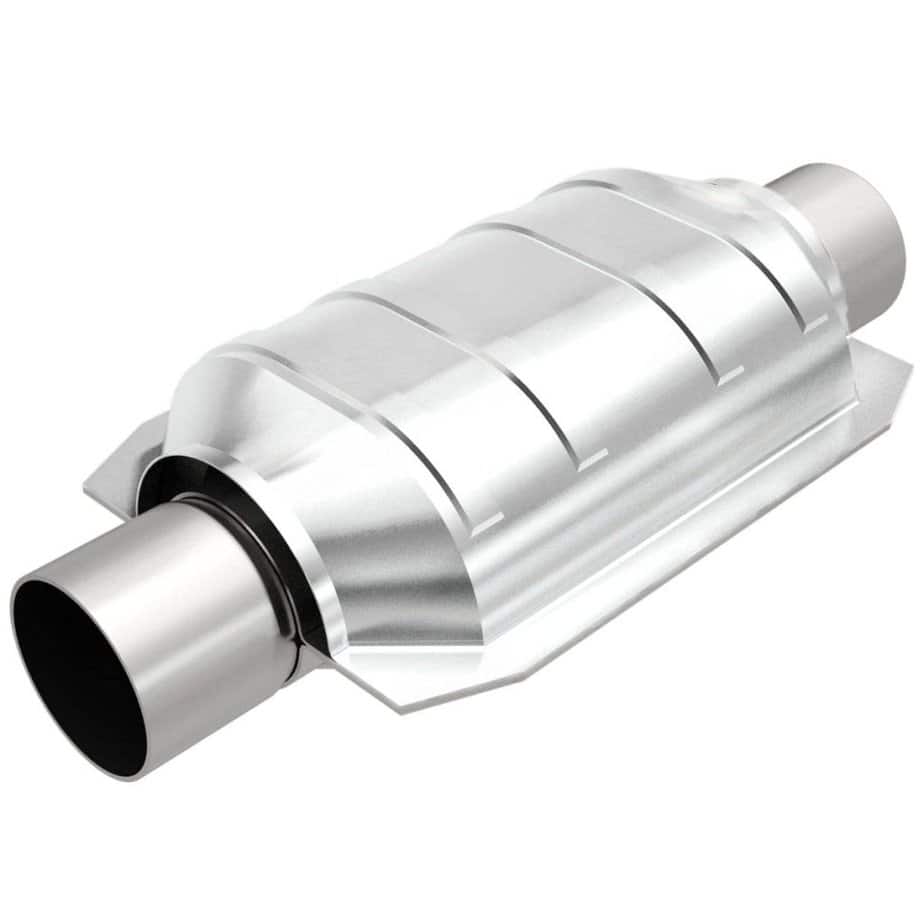
The mid-pipe connects the headers to the rest of the exhaust system and commonly houses the catalytic converter. Straight-piping or swapping out the replacement unit can dial the noise output, but bear in mind that there are potential flows to legality where emissions compliance will be tampered with. Customers often ask for high-flow catalytic converters; this is a good balance between a freer-flowing exhaust while still achieving environmental compliance. Consider getting high-flow catalytic converters for your mid-pipes.
Mufflers and Resonators
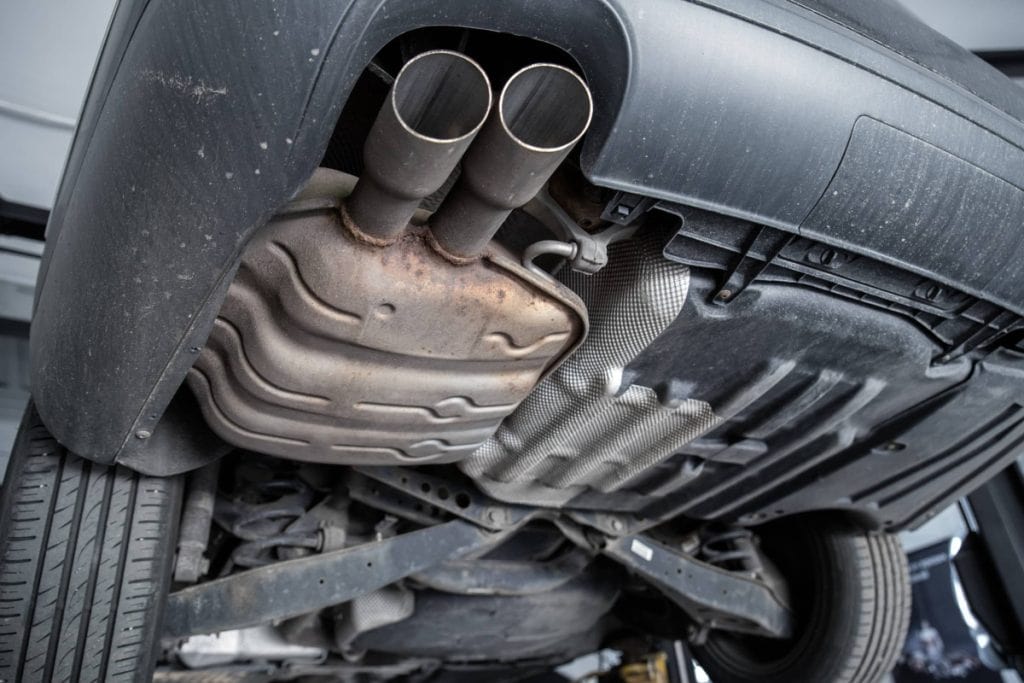
Finally, mufflers and resonators craft a finished exhaust note. A straight-through muffler design maximizes your “brap,” although it tones the sound with sound-dampening reduction. Using resonators is what any exhaust will need to fine-tune its tone as it reduces unwanted frequencies and highlights the rotary’s characteristic sound. The combination of the correct type of muffler and resonator gives you the desired sound without unwanted noise.
Tuning for the Perfect “Brap”
ECU Tuning and Engine Management
Getting that iconic “brap” sound from your RX-7 isn’t just about hardware modifications; it also involves the delicate fine-tuning of the car’s brain—the ECU. With an ECU being your command center, you can dictate fuel delivery, ignition timing, and many other features that control engine performance. By exploring these settings, you’ll make the motor more responsive and, more importantly, shape the tone out of your exhaust to the sharp, distinctive “brap” you’re after.
Adjusting Fuel and Ignition Settings
Fuel mapping adjusts the mix of fuel and air, especially at high revs, where that ‘brap’ sound is most pronounced. A slight mixture leaning might slightly sharpen that note from the exhaust.
Fine-tuning the ignition timing—deciding precisely when those spark plugs fire—can enhance combustion and perhaps add more edge to the sound. Timing adjustments, however, must be very conservative to avoid engine knock, which can be damaging.
Risks and Trade-offs
Engine Reliability Concerns
Converting an RX-7 to produce a loud “brap” typically involves some risks regarding the engine’s reliability. Very aggressive porting and exhaust modifications increase the wear on the engine’s inner parts. The more aggressive the porting is, the higher the chance of cutting a number of years off the life of an engine if it is not properly maintained or if the work was performed inadequately.
Importance of Proper Tuning
Poor tuning can result in some serious problems, from bad fuel efficiency to increased emissions and even complete engine failure. It would be best if you worked with an educated tuner; he should know the intricacies of rotary motors quite well. This ensures modifications for performance and sound but not at the expense of the engine’s health.
Balancing Performance and Longevity
Here, sound and performance on the one hand or longevity on the other prove to be a delicate middle ground for which careful planning and execution must be in place. The enthusiast will have to weigh his desire for a louder, more aggressive sound with the associated drawbacks of significantly higher maintenance and potential engine damage against the regular inspections and high-quality component selection that can alleviate these risks.
Legal and Environmental Considerations
Legal Implications of Modifying Exhaust for Sound
However, changes to the RX-7 exhaust system to make this “brap” noise may violate local laws around noise. That being said, several localities have strict vehicle noise legislation, and transgressing these may pay you a fine or get your vehicle impounded. Again, you must always ascertain your local legislation and pick appropriate items that allow you to stay within the allowed noise levels.
Environmental Impact
Nonetheless, these changes, which create this “brap,” will likely affect your vehicle’s emissions. In the case of a catalytic converter, for example, removal or bypassing may increase the magnitude of emissions manifold, thereby adding to environmental pollution. Use high gas flow catalytic converters and always keep your vehicle fine-tuned with good combustion, which would produce low emissions and fewer environmental impacts.
Maintenance and Best Practices
Routine Maintenance for a Modified RX-7
It is critical to be diligent about maintaining a modified RX-7. Oil changes, coolant checks, and rotor condition checks must be performed regularly so the motor stays within working parameters. Because modified rotary engines are more sensitive to neglect, extreme care should be applied to maintaining a strict maintenance schedule. Be careful with the exhaust system because the improved flow and increased noise will help wear out components quickly.
Best Practices for Preserving Sound Quality
Keeping the exhaust system in good condition is needed to preserve that quality “brap” sound. Check for leaks regularly and make sure everything is tightened. Clean the exhaust tips regularly so they don’t become coated in carbon. Finally, keeping the software for your ECU up to date with engine tuning will help ensure consistency over time.
Mastering the RX-7 “Brap”
Blasting that classic “brap” from a Mazda RX-7 isn’t about plain noise; it is an expression that reflects the natural character of a rotary. From understanding the peculiar mechanics of its rotary to porting techniques, appropriate methods of exhaust modification, or tuning—for that matter—the steps all go into the makings of this signature sound.

Whether you go for subtle street porting or loud, aggressive peripheral porting, it’s a delicate dance of performance goals, daily driver practicality with the eyes of the law, and engine longevity. Be aware that as much as you’re chasing that perfect “brap,” keeping your RX-7 running reliably and legally is equally important as the sound.
Of course, with the right modifications and some meticulous tuning—combined with regular maintenance, your RX-7 can be proud of its very special “brap” anywhere. Take your time modifying that voice of your rotary, and relish every moment behind the wheel.
FAQs
What is the main cause of the “brap” sound in rotary engines?
The “brap” sound is primarily caused by the unique exhaust pulses generated by the rotary engine’s design, mainly when the engine is ported to allow for increased airflow.
Can any RX-7 produce the “brap” sound with modifications?
Yes, with the right modifications, such as porting and exhaust system upgrades, any RX-7 can produce a distinctive “brap” sound.
How do porting techniques affect the overall performance of the RX-7?
Porting techniques increase airflow, which can boost engine power. Depending on the type of porting, this may also lead to a rougher idle and reduced low-end torque.
What are the risks of heavily modifying my RX-7’s exhaust system?
Heavy modifications can lead to increased engine wear, potential legal issues due to noise violations, and higher emissions. Proper tuning and maintenance are essential to mitigate these risks.
Is it possible to make an RX-7 sound aggressive while staying street-legal?
Yes, by carefully selecting exhaust components and ensuring that your modifications comply with local noise regulations, you can achieve an aggressive sound while remaining street-legal.
How does modifying the intake system affect the ‘brap’ sound?
While the intake system primarily influences the engine’s performance, certain modifications can also slightly alter the engine’s sound by affecting airflow dynamics. However, the exhaust system and porting are the primary factors in creating the ‘brap’ sound.


