 Skip to content

Water Damage Hides Better Than You Think
Flood-damaged car often look perfectly fine at first glance. A thorough cleaning and detailing can mask serious problems lurking beneath the surface.
Unfortunately, water intrusion can cause hidden electrical, mechanical, and mold issues that may not surface until long after purchase. These problems rarely appear during a quick test drive but emerge weeks or months later.
Spotting the warning signs early protects buyers from major headaches later. Here are nine key indicators that could save thousands of dollars and countless repair shop visits.
1. Strange Odors, Especially Mustiness or Mildew
A damp, moldy smell inside the car often signals past water exposure. This distinctive musty odor persists even after professional cleaning because water seeps into foam padding and insulation that cannot be thoroughly dried.
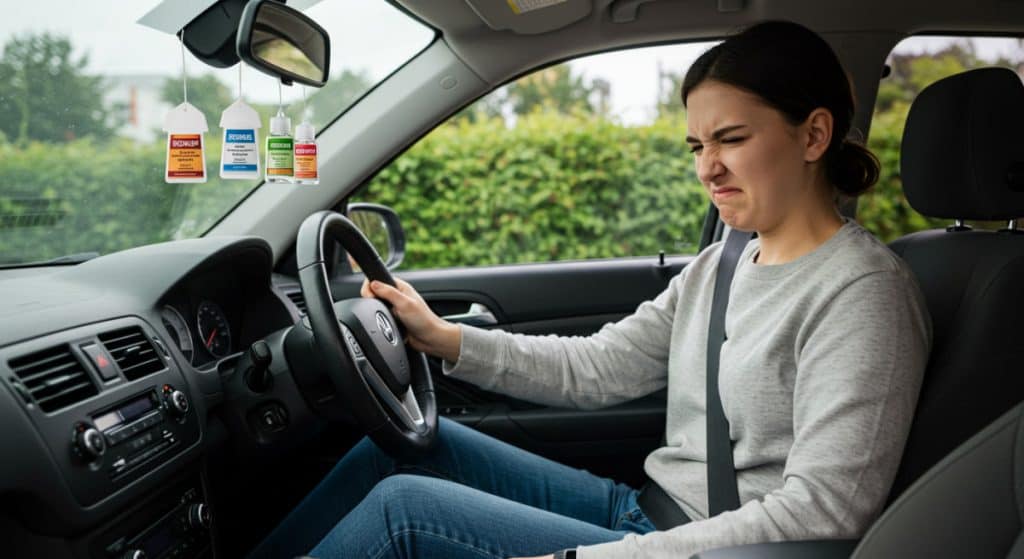
Sellers sometimes try to mask it with strong air fresheners, so heavy scents can be suspicious too. Multiple air fresheners hanging from mirrors or tucked under car seats might be covering something besides normal car smells.
Try turning the climate control to high heat for a few minutes, which can amplify hidden odors lurking within the system.
2. Water Stains or Fogging Inside Lights
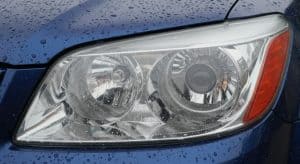
Check headlights, taillights, and fog lights carefully. These sealed units should be clear and dry inside.
Fogging, water lines, or trapped condensation inside suggest the vehicle has been underwater or heavily flooded. Light assemblies are sealed units, so internal moisture typically indicates that they have been submerged.
Look for a visible water line or sediment deposits along the bottom edge of the lens, which can indicate how deep the vehicle sat in water.
3. Dirt or Debris in Unusual Places
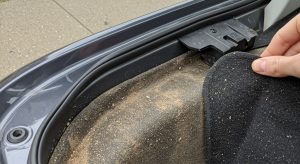
Silt, sand, or dirt trapped under the hood, inside trunk seams, or deep under seats is a major red flag. Flood water carries sediment into hard-to-clean areas of the vehicle.
These spots are hard to clean thoroughly, even after a detailed cleaning. Check inside fuse boxes, under spare tire wells, behind glove compartments, and within door jambs for gritty residue.
Pull back carpet edges in the trunk and cabin to look for silt deposits or water stains that cleaning efforts might have missed. Pretty sure that there will be spots that a flood-damaged car can’t hide.
4. Rust in Strange Areas
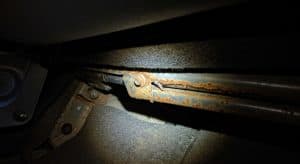
Surface rust on exposed metal under the car is common over time, but rust inside door hinges, under carpeting, or around seat bases usually points to flood exposure.
Newer cars with early-stage rust inside the cabin deserve extra scrutiny. Interior metal components rarely rust without moisture exposure.
Check seat track rails, under-dash metal components, and trunk lid hinges with a flashlight for unusual corrosion that doesn’t match the vehicle’s age or condition.
5. Wet or Stained Carpeting and Upholstery
Run hands along the carpet and padding to feel for dampness. Pay special attention to areas where water would pool, like footwells and under seats.
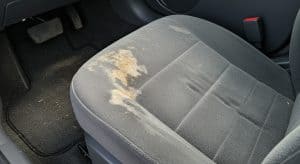
New carpeting or seat covers in an older car can signal an attempt to cover up past water damage. Mismatched materials or carpeting that looks newer than the rest of the interior warrants investigation.
Bring a small mirror to check under dashboard of a suspected flood-damaged car and seats where original materials might reveal water stains that new coverings hide.
6. Electrical Gremlins or Warning Lights
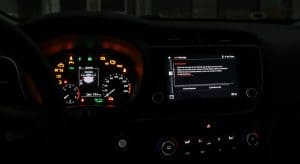
Electrical problems are common after flooding. Modern vehicles have numerous electronic modules and wiring harnesses vulnerable to water damage.
Watch for glitchy displays, malfunctioning power windows, blinking dashboard lights, or warning messages that appear without a clear reasons. Test every electrical component, from window controls to infotainment systems.
Problems may appear intermittently or only under specific conditions, so spend time thoroughly testing all systems.
7. Unusual Corrosion in the Engine Bay
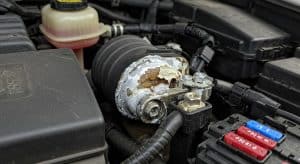
Look closely at metal components under the hood. Flood-damaged car often reveals itself through corrosion patterns that don’t match normal aging.
A white or greenish powdery buildup around battery terminals, wiring connections, or sensors could indicate past water exposure. These corrosion patterns develop more quickly and extensively after submersion.
Inspect fuse boxes and electrical connectors for signs of water intrusion or corrosion that seems premature for the vehicle’s age.
8. Title or History Report Problems
Always check the vehicle history report for salvage titles, flood branding, or suspicious gaps in registration. A clean title doesn’t guarantee a flood-free vehicle, but problematic history certainly raises concerns.
Some flood-damaged car are “washed” through different states to hide their past, so look carefully. Cars quickly transported across state lines, especially from areas with recent flooding to drier regions, merit extra caution.

Pay special attention to vehicles from hurricane-prone regions like Florida, where thousands of cars suffer water damage during storm season each year. Insurance companies often write these vehicles off, and they frequently appear at auction sites like Copart or IAAI before being resold to unsuspecting buyers.
The most reliable indicator is a “Flood Damage” notation on the title itself, but many damaged vehicles slip through without proper documentation. Cross-reference the VIN history with known storm dates and locations for any vehicle previously registered in flood-prone areas.
Multiple owners in a short timeframe might indicate someone discovered problems and quickly resold the vehicle.
9. Seller Hesitations or Incomplete Answers
Honest sellers should answer basic questions about ownership and condition without hesitation. Direct questions about flood exposure often reveal telling responses.

Evasive or vague answers about service history, previous damage, or location history raise concerns. Trust your gut instincts about a seller’s honesty, especially when combined with physical evidence.
Ask specific questions about regional weather events or flooding in areas where the car was previously registered to gauge reaction.
Trust the Senses and the Paperwork
When buying a used car, it pays to be skeptical and thorough. The few minutes spent investigating potential flood damage can prevent thousands in repairs and countless headaches.
Flood damage can hide well, but a careful inspection, combined with common sense and a verified history report, can reveal the truth. Consider bringing a trusted mechanic for an inspection before making a purchase.
Walking away from a suspicious flood-damaged car always costs less than dealing with hidden flood damage later. No deal is good enough to justify the expense and frustration of major electrical and mechanical problems that inevitably follow water damage.


