Skip to content

Your Car Is Watching You (And Taking Notes)
Driving used to feel like the one place you could just be alone with your thoughts. Maybe some music, coffee cooling in the cup holder, nobody bothering you. But something’s changed.
Cars don’t just get you from point A to point B anymore. They’re watching. Tracking how fast you go, how smooth your turns are, and whether you’re paying attention. Little sensors and computers are quietly collecting information about every single thing you do behind the wheel.
It sounds kind of creepy when you put it that way. Like something out of a dystopian movie. But there’s another side to it too. This data can actually make roads safer and help people become better drivers. The question is whether being watched all the time is worth those benefits.
The Tech That’s Keeping Track of Everything You Do
Most people think car monitoring only happens in company trucks or after accidents. The reality is way more complicated than that.
Telematics devices plug into that diagnostic port under your dash and track speed, braking, sharp turns, pretty much everything. Smartphone apps go even further. They know when you pick up your phone at a red light, sense sudden stops, can even tell when you’re distracted based on how the phone moves around.
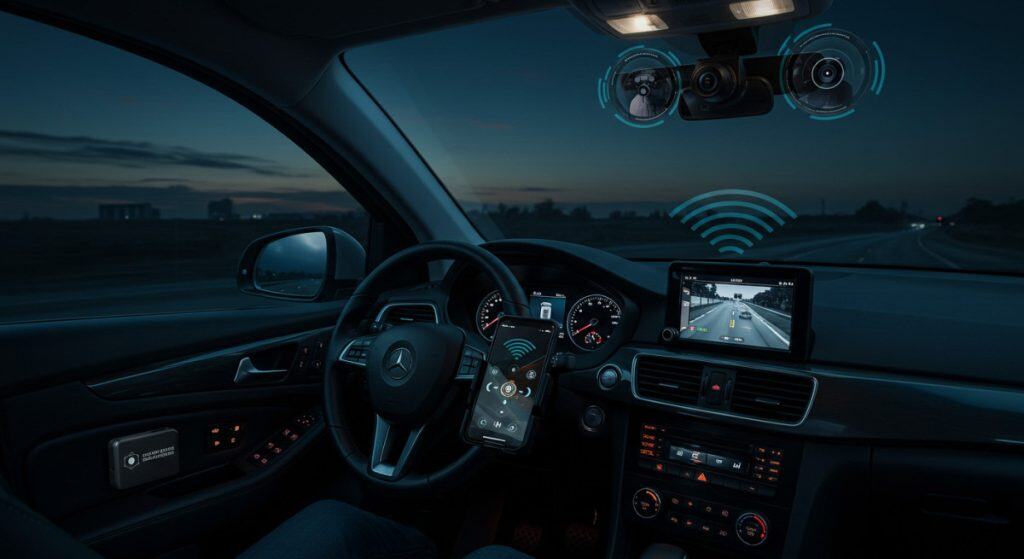
AI dashcams are getting really sophisticated. Some watch the road ahead, others watch you. They can tell if you’re getting drowsy, not paying attention, even track your eye movements and how often you blink. Put it all together and they know more about your driving than you probably do.
Newer cars often come with this stuff built right in. You might not even know it’s there, but the car could be logging everything and sending it back to the manufacturer or whoever else wants the data.
This isn’t just about where you drive. It’s about how you drive and what you do along the way.
What Companies Actually Do With All This Information
Once they’ve got your driving data, it gets used in all sorts of ways.
Fleet companies use it to coach their drivers. One platform called SmartDrive says they’ve seen collision rates drop 50 to 70 percent in fleets that use monitoring. Insurance companies offer discounts for good driving, but some also quietly score your behavior and adjust rates based on what they find.
Self-driving car development depends heavily on this data. Millions of miles of real human driving helps train the computers that will eventually replace us. City planners use patterns of stops, swerves, and traffic jams to understand how roads actually work versus how they’re supposed to work.
And then there’s legal stuff. Post-crash data can end up in court, sometimes helping drivers prove their case, sometimes working against them.
The Good Side: When Being Watched Actually Helps
There’s something powerful about seeing your own habits laid out in front of you. Most people don’t realize how often they check their phone, take corners too fast, or forget to signal when they’re distracted.
When some app or device quietly points these things out, it creates this moment of “oh, do really do that?” That awareness alone can change behavior pretty dramatically.
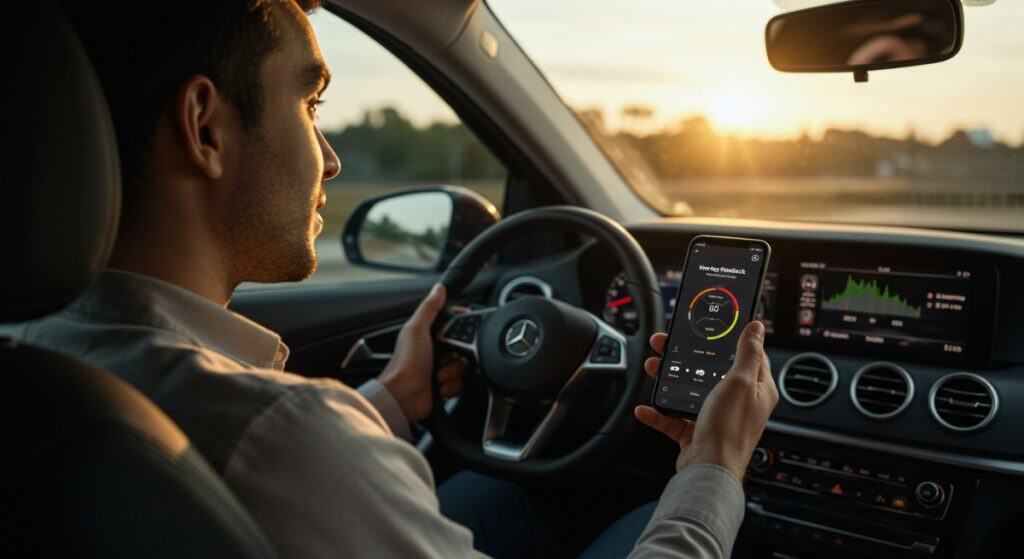
Fleet data shows this working in the real world. Accident rates go down. Risky driving decreases. Some companies even gamify it, letting drivers compete for better scores or bonuses. The feedback doesn’t just report what happened, it actually teaches better habits.
It’s kind of like having a fitness tracker, but for driving. Not everyone loves being monitored constantly, but the results are hard to argue with.
The Creepy Side: Big Brother in Your Daily Commute
Obviously, not everyone sees this as progress.
Privacy is a big concern. Who owns all this data? How long do they keep it? Can it be used against you in court? Can insurance companies use it to jack up your rates unfairly?
Context matters too. Driving in the city is completely different from rural driving, but automated systems don’t always account for those differences. What looks like aggressive driving downtown might just be normal traffic flow.
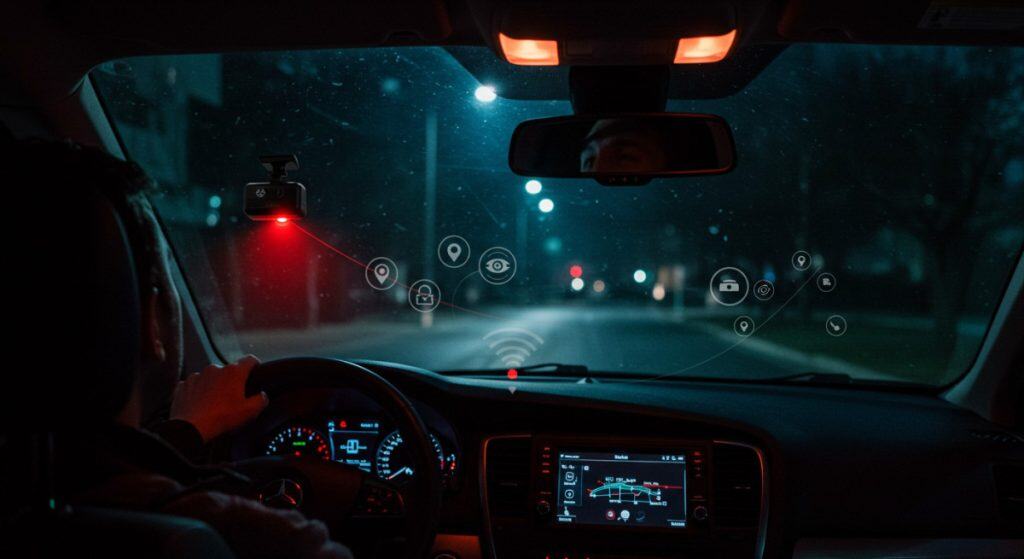
Being constantly evaluated gets exhausting. Some people adapt fine, others hate it or just tune it out completely.
Transparency is often lacking. If you buy a used car or you’re older and not up on all the latest tech, you might not even know you’re being monitored.
How This Changes What Driving Actually Means
As cars turn into rolling computers, the whole idea of driving is shifting. It’s not just about staying in your lane anymore. It’s about how the car learns from you, adapts to your habits, maybe even starts anticipating what you’ll do next.
Driver coaching apps already give personalized feedback. Some safety systems respond differently based on your past behavior. Eventually, cars might adjust to your specific tendencies, becoming more proactive about the mistakes you tend to make.
Think about a car that knows you usually brake late and adjusts collision warnings accordingly. Or one that notices you don’t check mirrors often and makes blind-spot alerts more prominent. This stuff isn’t science fiction anymore. It’s happening pretty soon.
What This Actually Means for You
For most people, this isn’t about getting paranoid. It’s about being aware of what’s happening.
Knowing what data gets collected and who has access to it is the first step. From there, it’s about figuring out your comfort level. How much monitoring is too much? What trade-offs feel worth it for better safety, cheaper insurance, or more helpful assistance?
There’s an opportunity here too. When it’s done right, technology becomes like having a really patient driving instructor sitting next to you. It doesn’t replace being responsible, but it can help you be more aware of your habits.
Even if you don’t have any apps installed or your car isn’t connected to anything, just knowing this stuff exists can make you more conscious of how you drive. Sometimes, just thinking someone might be watching is enough to make you pay a little more attention.