Skip to content

Let’s face it, most car buyers get a little nervous when they see six digits on the odometer. There’s something about crossing that 100,000-mile mark that raises red flags and starts triggering worries about breakdowns, repair bills, and reliability. But is that fear always justified?
Let’s break it down.
What High Mileage Means in Today’s Automotive World
Not long ago, anything over 100,000 miles was considered “end of life” for a car. But times have changed. Thanks to improved engineering, better fluids, and tighter manufacturing standards, today’s vehicles, especially well-maintained ones, can easily hit 200,000 miles or more.
So what counts as high mileage now? It really depends on the age of the vehicle. A 3-year-old car with 90,000 miles might raise more eyebrows than a 10-year-old car with 120,000. On average, American drivers put about 12,000 to 15,000 miles on their vehicles annually. Use that as a baseline when judging what’s “normal.”
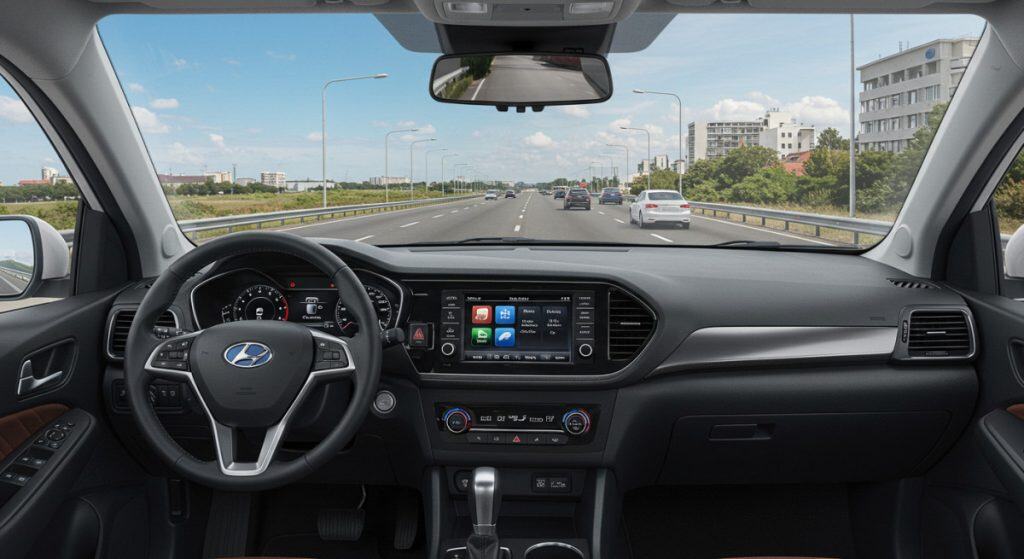
Also, consider the type of driving. Highway miles are much gentler on a car than city stop-and-go traffic. More on that in a minute.
Reasons Why Buyers Worry About High-Mileage Vehicles
It’s no mystery why high-mileage cars make people hesitant. First off, more miles usually mean more wear and tear on parts like the suspension, transmission, and engine components. Even with regular maintenance, everything has a lifespan.
Repairs can add up fast if you’re unlucky. Timing belts, alternators, radiators-none of it is cheap to fix. Then there’s the looming fear that the car might just stop being reliable when you need it most.
Another common concern? Resale value. High-mileage vehicles depreciate more quickly and can be harder to sell later on. And while insurance rates aren’t always drastically affected by mileage, some insurers might calculate premiums based on perceived risk.
The Upside of Choosing a High-Mileage Car
But here’s the good news: high mileage isn’t always the boogeyman it’s made out to be.
The biggest benefit is price. A car with 120,000 miles will usually cost significantly less than a similar one with 60,000. That lower upfront cost can free up your budget for future repairs or just save you money overall.
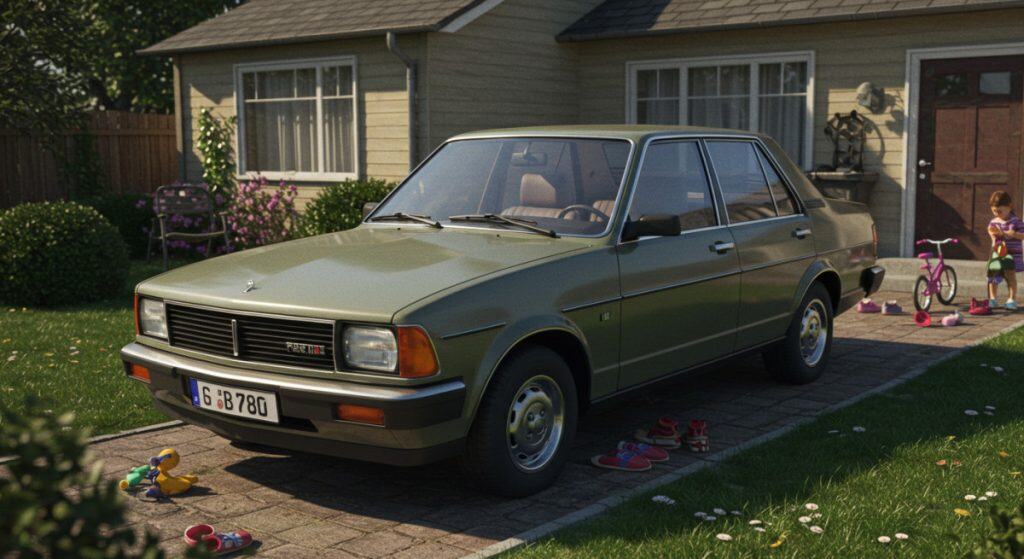
Plus, many high-mileage cars have already had their major repairs done. Think water pumps, timing belts, and brake systems. If a previous owner kept up with maintenance, you’re potentially inheriting a solid, dependable ride.
And let’s not forget, some makes and models are known to go the distance. Brands like Toyota, Honda, Subaru, and certain Ford trucks have a reputation for longevity. A high-mileage version of one of these might still have years of life left, especially if you’re only planning to use it for local driving or short commutes.
Condition Over Odometer: What Matters More Than Mileage
Here’s a simple truth that often gets overlooked: a well-cared-for 150,000-mile car is often a better bet than a neglected 80,000-mile one.
Always, always look at the service history. Has it had regular oil changes? Were the brakes replaced on time? Is there a record of transmission fluid flushes, tire rotations, and scheduled maintenance? These records paint a far better picture than the mileage alone ever could.
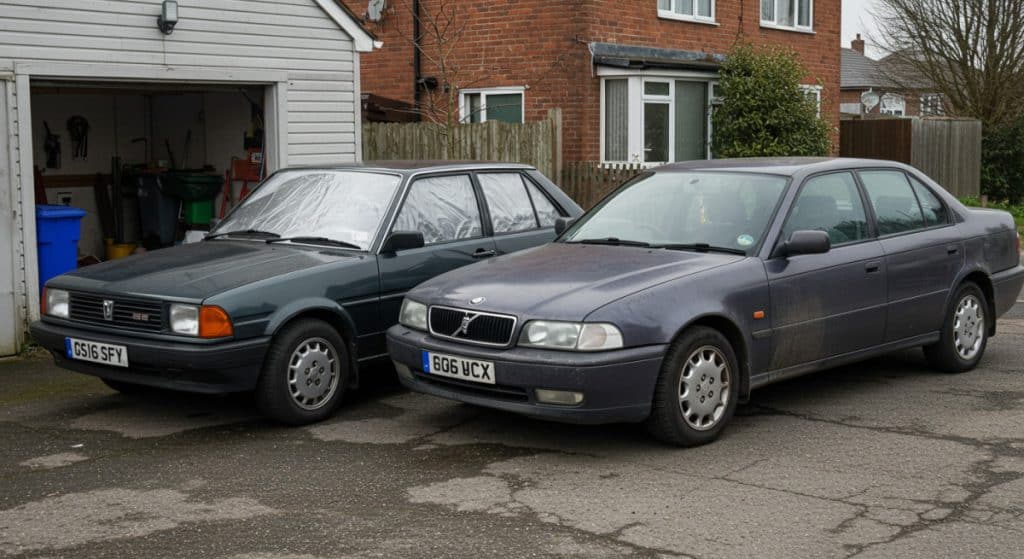
It also matters how the miles were driven. Highway miles create less wear than city driving with frequent stops, idling, and potholes.
Ownership history is another underrated clue. Was the car driven by one careful owner or passed around from auction to auction? Was it garage-kept or parked on the street? A car’s story-how it was treated and maintained-matters a lot.
And then there’s the design itself. Some cars are simply built better than others. Look into the manufacturer’s reliability rankings and recall history. Reputation counts.
How to Identify a High-Mileage Car Worth Buying
If you’re open to buying a high-mileage vehicle, the key is choosing wisely.
Start with the vehicle history report-you’ll want to see a clean title, no major accidents, and regular service intervals.
Maintenance records are gold. Look for signs that routine work was done on time, such as oil changes, fluid replacements, and brake checks. Even better, if big-ticket repairs have already been addressed.
Look closely at the interior and exterior condition. Excessive wear might point to hard use. A clean engine bay, minimal rust, and a tidy cabin can hint at careful ownership.
Finally, don’t skip the mechanic inspection. A trusted mechanic can uncover hidden issues and give you the peace of mind that you’re not walking into a money pit.
Situations Where High Mileage Should Be a Red Flag
Even with all the positives, some high-mileage cars really are best avoided.
Luxury vehicles and sports cars, for example, often have expensive, complex systems. Repairs on a 140,000-mile BMW or Audi could easily cost more than the car is worth.
Cars with missing or sketchy maintenance history are also risky. If you can’t verify how it was cared for, assume the worst.
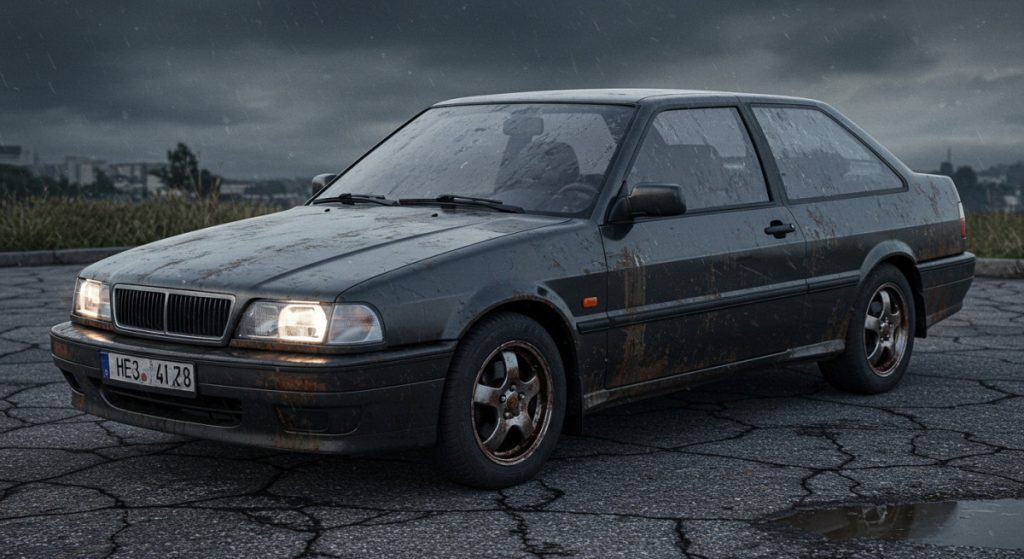
Watch out for signs of neglect, such as a burnt oil smell, irregular tire wear, or mysterious dashboard lights. And always be on guard for flood-damaged vehicles, especially in regions recently hit by storms.
Lastly, research the specific model’s known issues. Some cars develop chronic problems at certain mileage thresholds. If you’re seeing red flags in the forums, take them seriously.
Expert Tips for Smart Used Car Shopping
Whether you’re buying high-mileage or low-mileage, these tips apply:
- Always get a professional inspection. It’s the cheapest insurance you can buy.
- Ask for all service records. More info = fewer surprises.
- Look up the model’s reputation. Some cars are born durable, others not so much.
- Take your time. A “great deal” isn’t great if it leaves you stranded two months later.
So, is a high-mileage car always a bad idea? Not necessarily. It all comes down to the condition, care, and context. With the right approach and a little homework, you might just find that the perfect ride isn’t the one with the lowest mileage, but the one with the best story.
Related Resources
- https://www.consumerreports.org/cars/best-high-mileage-cars-and-how-to-find-them-a6479779996/
- https://www.consumerreports.org/cars/car-reliability-owner-satisfaction/10-best-cars-to-get-to-200000-miles-and-beyond-a1051079155/
- https://www.autotrader.com/car-shopping/buying-car-how-long-can-you-expect-car-last-240725