Skip to content

Red diesel, also known as dyed diesel, is a specialized fuel primarily intended for off-road use. It is chemically identical to regular diesel, with the main difference being the addition of a red dye for identification purposes. While it might seem like a cost-effective alternative to standard diesel, its use is heavily regulated in many countries. This article explores everything you need to know about red diesel, its safety for your car, legal implications, and its intended applications.
What is Red Diesel?

Red diesel is essentially standard diesel with a red dye (typically Solvent Red 26 or Solvent Red 164) added to it. This dye is introduced to differentiate it from regular diesel, which is taxed at a higher rate due to its use in on-road vehicles. Red diesel is subject to lower tax rates to make it more affordable for specific industries such as agriculture, construction, and marine transport.
Key Features of Red Diesel:
- Chemical Composition: Identical to regular diesel, except for the added dye.
- Coloration: The red dye makes it easily distinguishable during inspections.
- Lower Taxation: Designed to support industries that use heavy machinery and equipment.
Can Red Diesel Be Used in Cars?
From a mechanical perspective, red diesel is safe for any diesel engine cars, including those in passenger cars. It has the same lubricating properties and energy content as standard diesel, so it won’t cause engine damage or reduce performance.
Mechanical Compatibility
- Engine Safety: Red diesel won’t harm your engine because it’s chemically the same as regular diesel.
- Performance: Vehicles running on red diesel will perform identically to those using standard diesel.
However, while red diesel may be technically safe, its use in on-road vehicles is strictly prohibited in many countries, including the UK, the US, and most of Europe. Legal restrictions make it unsuitable for cars driven on public roads.
Legal Restrictions on Red Diesel Use
Why Is Red Diesel Restricted?
The primary reason for red diesel’s restricted use is taxation. Governments impose lower taxes on red diesel to support industries like agriculture and construction, where vehicles and machinery operate off-road. Allowing on-road use would lead to significant tax revenue losses.
Where is Red Diesel Legal?
- United Kingdom: Red diesel can only be used in specific applications like farming, construction, and heating systems. Recent reforms in 2022 have tightened restrictions, further limiting its use.
- United States: Red diesel is also restricted to off-road uses, with significant penalties for misuse on public roads.
- Europe: Regulations vary by country but restrict red diesel to off-road uses like farming and marine operations.
Consequences of Misusing Red Diesel
Using red diesel in an on-road vehicle can lead to serious legal consequences. Authorities regularly check vehicles for red dye during inspections.
Detection Methods
- Dip Test: Inspectors use a probe to take a fuel sample from the tank and check for the red dye.
- Fuel System Staining: Red diesel can leave a stain in the fuel system, making it easy to detect even if you switch back to regular diesel.
Penalties for Misuse
Penalties for using red diesel illegally vary by jurisdiction but can include:
- Fines: Substantial fines may be imposed, often far exceeding the cost savings of using red diesel.
- Vehicle Seizure: Authorities may seize the vehicle as evidence of tax evasion.
- Tax Back Payment: Drivers may be required to pay back the taxes they avoided by using red diesel.
Intended Applications of Red Diesel
Red diesel is commonly used in industries where vehicles or machinery operate off-road and are not subject to standard road taxes.
Industries and Uses
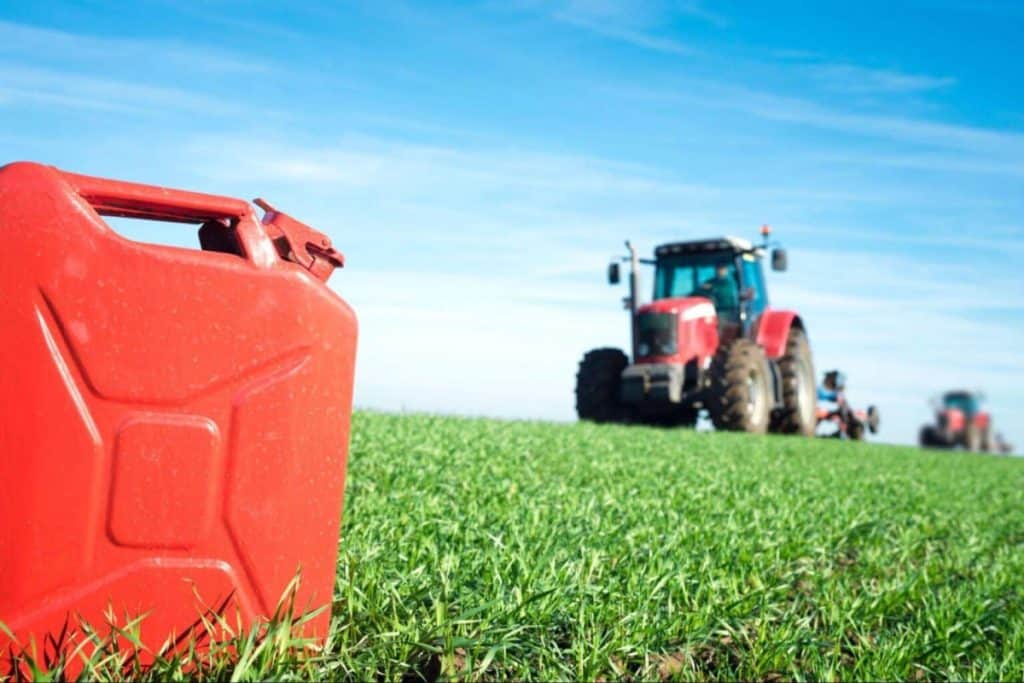
- Agriculture: Used in tractors, combine harvesters, and other farming equipment.
- Construction: Powers heavy machinery like excavators, cranes, and bulldozers.
- Marine: Fuels boats and other watercraft used for commercial purposes.
- Heating Systems: In some regions, red diesel is used to heat homes or commercial spaces.
Environmental Impacts of Red Diesel
Although red diesel is chemically identical to regular diesel, its environmental impact is tied to how it is used. In many cases, the machinery and vehicles running on red diesel are less fuel-efficient and produce higher emissions than modern on-road diesel vehicles.
Key Environmental Concerns
- Carbon Emissions: Red diesel contributes to greenhouse gas emissions like regular diesel.
- Air Quality: Using older machinery with less efficient engines exacerbates air pollution.
- Fuel Spills: Accidental spills during storage or transportation of red diesel can harm local ecosystems.
Alternatives to Red Diesel
If you’re considering red diesel for cost savings or other reasons, some alternatives may be more suitable and compliant with legal requirements.
On-Road Diesel
- Standard, legally taxed diesel is the only option for on-road vehicles.
- Modern diesel formulations often include additives that improve engine performance and reduce emissions.
Biofuels
- Biodiesel is a renewable fuel made from vegetable oils or animal fats. It’s environmentally friendly and compatible with most diesel engines.
- Hydrotreated Vegetable Oil (HVO): A cleaner alternative to diesel that’s gaining popularity in the transport and agriculture industries.
Costs and Benefits of Red Diesel
Benefits
- Cost Savings: Red diesel is significantly cheaper than regular diesel due to lower taxes.
- Availability: Widely available for industries that rely on off-road vehicles and machinery.
Drawbacks
- Legal Risks: Severe penalties for misuse outweigh the potential savings.
- Limited Applications: Only suitable for off-road use, restricting its practicality for most car owners.
FAQs About Red Diesel
1. Can I use red diesel while driving on private property?
Yes, using red diesel on private property (e.g., private estates or racetracks) is typically allowed, but it’s always best to check local regulations.
2. What happens if I accidentally fill my car with red diesel?
If red diesel is mistakenly used in an on-road vehicle, drain the fuel system immediately and refill with standard diesel. Inform local authorities to avoid legal complications.
3. Is red diesel the same as heating oil?
No, red diesel and heating oil are different. Heating oil is specifically formulated for furnaces and boilers, not engines.
Is Red Diesel Right for Your Car?
While red diesel is mechanically safe for diesel engines, its use in on-road vehicles is illegal in many jurisdictions. Its misuse’s legal and financial risks far outweigh any potential cost savings. Red diesel is best reserved for its intended agriculture, construction, marine transport, and heating applications.
For car owners, sticking to standard diesel or exploring alternatives like biodiesel ensures compliance with the law while protecting your vehicle and the environment.
Resources:
https://www.beesleyfuels.co.uk/faqs/red-diesel-faq-common-questions-and-answers
https://www.nationwidefuels.co.uk/faq/red-diesel-faq
https://www.commercialmotor.com/news/article/what-are-penalties-red-diesel-use