 Skip to content

Automatic cars might dominate the roads, but knowing how to drive a stick is a skill every driver should have. Manual driving offers unparalleled control, efficiency, and the chance to enjoy vehicles that automatics simply can’t replicate. Whether you aim to drive a vintage sports car or prepare for a trip where manuals are the norm, this guide will take you from beginner to confident driver.
Why Learn Manual Driving?
Manual driving isn’t just a novelty—it’s a tool that gives you precise control over your vehicle. With a stick shift, you decide how your car reacts, from quick accelerations to smooth cruising. Manuals are also designed simpler, making them cheaper to maintain and repair. In many countries, automatics are rare, so knowing how to handle a stick shift can be a lifesaver when traveling.
Understanding the Basics of Manual Driving
Before hitting the road, familiarize yourself with the key components of a manual car:
- Clutch Pedal: Located to the far left, this is your gateway to changing gears.
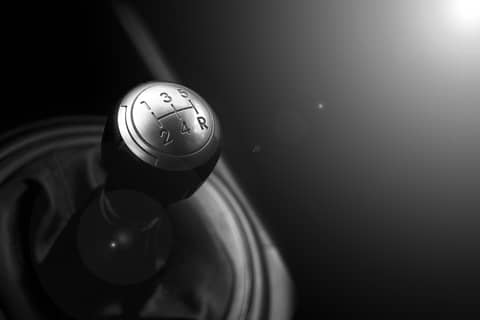
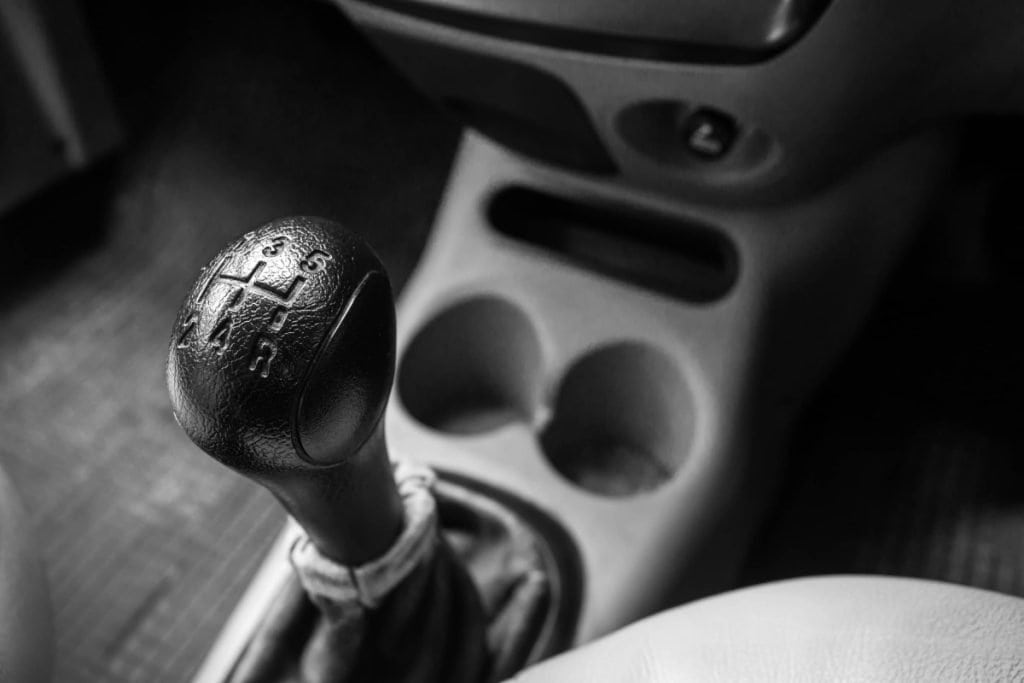
- Gear Stick: Often in an “H” pattern, it lets you select gears.
- Throttle and Brake Pedals: These work alongside the clutch to help you start, stop, and control your speed.
Spend a few minutes sitting in the car with the engine off to practice finding the clutch’s bite point and navigating the gear positions. Preparation is key to a smooth learning experience. Start in a quiet, flat area, like an empty parking lot. This will minimize distractions and give you space to make mistakes without worry.
How to Master Manual Driving
Starting the Car
To start the car, ensure the gear stick is in neutral, press the clutch pedal down, and turn the ignition key. If the parking brake is engaged, release it. With the engine running, you’re ready to begin.
Moving in First Gear
Press the clutch and move the gear stick to first gear. Slowly release the clutch while gently pressing the throttle. You’ll feel the car pull forward at the clutch’s bite point. Release the clutch gradually—letting it up too quickly can cause the engine to stall.
Shifting Gears
Shifting gears is straightforward when it’s time to pick up speed. Listen to the engine or watch the tachometer; shifting usually happens between 2,000 and 3,000 RPM. To change gears, ease off the throttle, press the clutch fully, and move the gear stick to the next gear. Release the clutch while applying the throttle for a smooth transition.
Stopping and Downshifting
When slowing down, gradually use the brakes and downshift to match the engine speed to the vehicle speed. As you come to a complete stop, press the clutch and shift into neutral to prevent stalling.
Tackling Common Challenges in Manual Driving
Starting on Hills
Hill starts can feel tricky initially, but they become second nature with practice. One method is to use the handbrake: Engage it to keep the car stationary, release the clutch to the bite point, and gently apply the throttle before lowering the brake—alternatively, master balancing the clutch and throttle for a seamless start without rolling back. Many modern vehicles now feature hill-start assist, which can help prevent rollback by holding the brakes momentarily as you release the clutch.
Dealing with Stalls
Stalling is a normal part of learning manual driving, so don’t panic. If you stall, press the clutch, restart the engine, and try again with smoother coordination between the pedals.
Avoiding Gear Grinding
Gear grinding often happens when the clutch isn’t fully depressed during a shift. Press the clutch pedal entirely before moving the gear stick, and practice timing your movements for smoother transitions.
Advanced Tips for Mastering Manual Driving
Avoid Resting Your Hand on the Gear Stick
Keeping your hand on the gear stick between shifts can place unnecessary pressure on the transmission components. Always return your hand to the steering wheel after shifting to maintain control and prevent wear.
Do Not Coast in Neutral
Coasting in neutral reduces driver control and can be unsafe. Keep the car in gear when decelerating to ensure better handling and responsiveness.
Proper Use of the Clutch
Avoid riding the clutch pedal, as keeping your foot partially on the clutch can lead to premature wear. Make it a habit to engage or disengage the clutch during operation fully.
Why Manual Driving Is Still Worth It
Manual driving isn’t just a niche skill—it offers real advantages. For starters, it’s ideal for challenging driving conditions like snow or mud, where precise control is essential. Maintenance is typically cheaper since manuals have fewer complex components than automatics. Globally, manuals dominate in many regions, so mastering manual driving prepares you for whatever car keys come your way.
There’s also something undeniably satisfying about mastering this skill. Whether you’re driving a classic or performance car, the connection between you and the machine feels more direct. It’s driving in its purest form.
Time to Take the Wheel
Learning manual driving doesn’t require perfection immediately—just patience and practice. Start in a calm environment, familiarize yourself with the basics, and don’t let the occasional stall shake your confidence. The effort pays off with a valuable skill that offers freedom, control, and a deeper connection to driving.
Find a car, practice, and embrace the challenge. Once you master the art of manual driving, you’ll never look back.


