Skip to content

Few classic cars capture the essence of British motoring, like the MGB and Triumph Spitfire. These two beloved roadsters were the 1960s and ‘70s icons, embodying a spirit of freedom and simplicity that defined an era. The MGB and Spitfire each have unique characteristics that appeal to classic car enthusiasts. However, understanding their differences can help you make the best choice if you’re considering one over the other. So, which classic car reigns supreme? Let’s explore the key traits that make each model special and guide you toward your ideal pick.
Design and Aesthetic Appeal
MGB Design
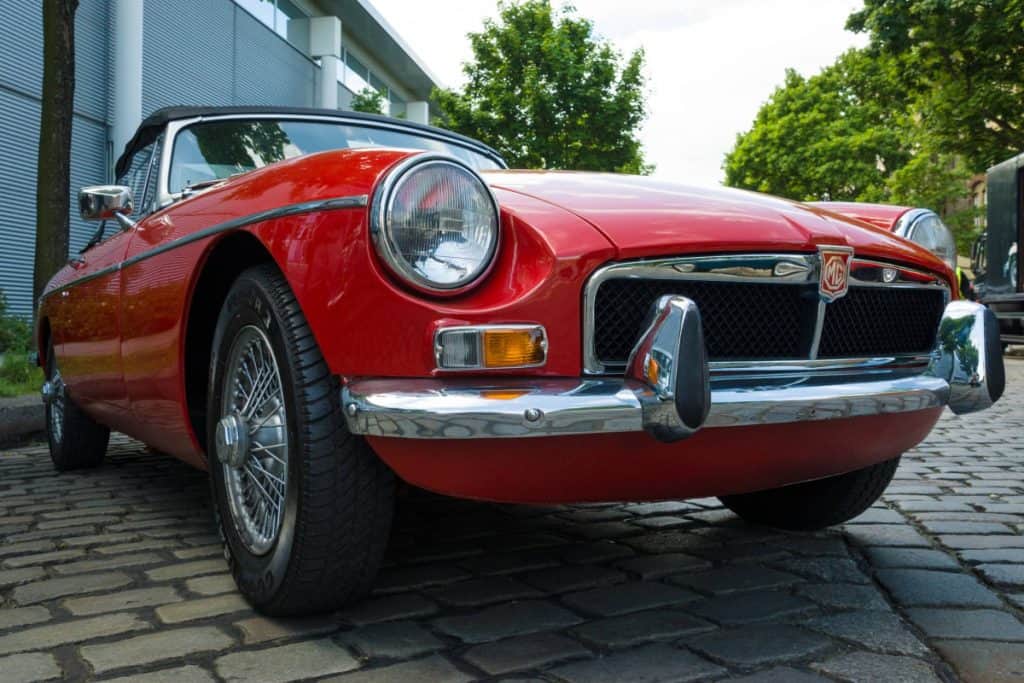
The MGB, with its clean, understated lines, has a timeless look that oozes classic British charm. Designed with simplicity and elegance, the MGB’s proportions give it a solid, planted feel that is well-suited for long, scenic drives. The car’s heavier frame and straightforward styling make it feel like a sturdy, confident roadster, and its curb appeal is rooted in its classic, no-nonsense design.
Triumph Spitfire Design
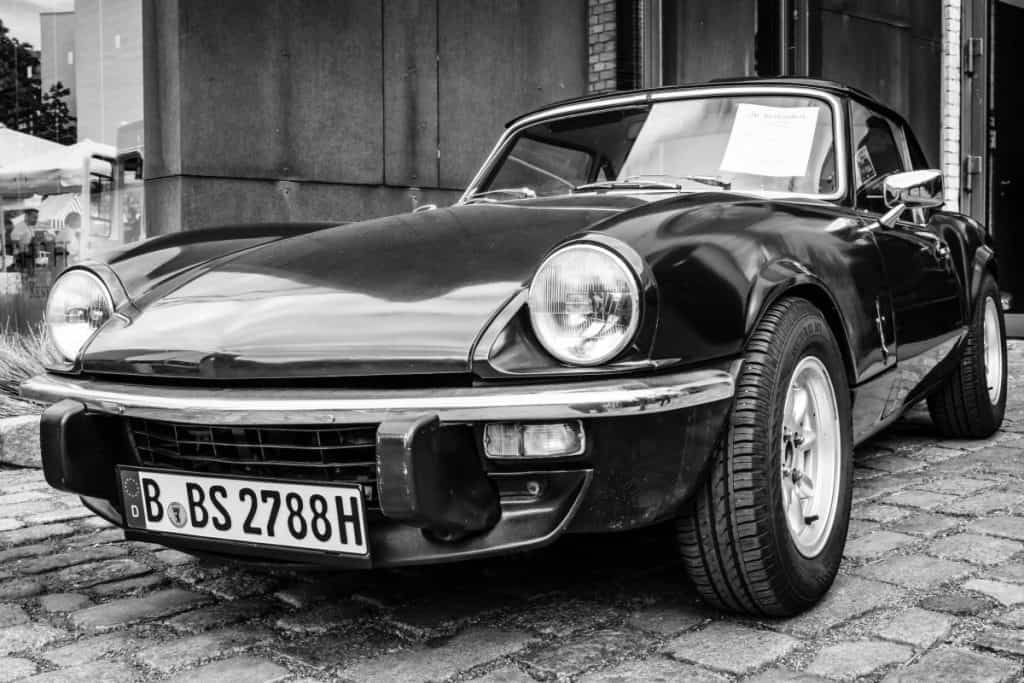
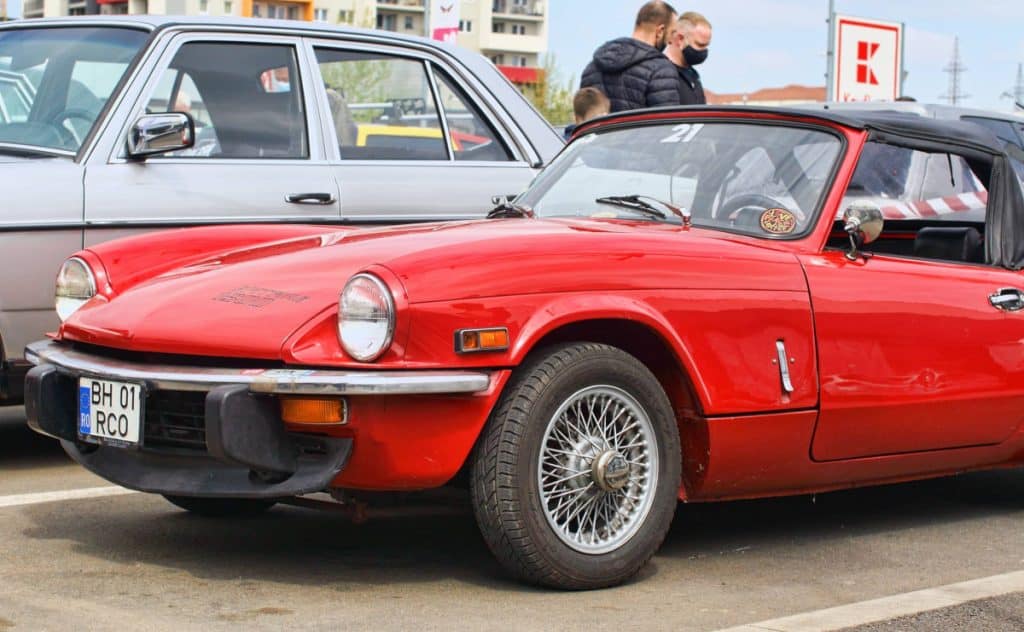
By contrast, the Triumph Spitfire is sportier and more compact. Its sleeker, aggressive lines and slightly lower profile give it an agile, playful look, making it feel like a true driver’s car. For many, the Spitfire’s distinct style offers lighthearted freedom, combining elegance with an undeniable sporty charm.
Performance and Handling
Regarding performance, the MGB and Spitfire have distinct personalities on the road.
Engine Options and Power Output
- MGB: The MGB is known for its B-Series 1.8L engine, which gives its class a respectable amount of power. Later models even offered a V8 option, making the MGB one of its era’s more powerful British roadsters.
- Spitfire: The Triumph Spitfire started with smaller engines, including 1.1L, 1.3L, and eventually a 1.5L engine in the later models. While these engines offer less horsepower, they give the Spitfire a light, nimble feel that suits its sporty reputation.
Driving Feel and Handling
- The MGB’s heavier frame and longer wheelbase create a stable, balanced drive. It feels solid, particularly on highways and long country roads.
- The Spitfire, on the other hand, shines on winding roads. Its lightweight build and responsive handling make it a joy to drive in curves and on narrow roads, and its low center of gravity adds to that sporty, nimble feel.
Transmission Options
Both models came with manual transmissions, though the Spitfire also offered overdrive in later models, enhancing fuel economy and performance at higher speeds. The transmission setup on both models supports the hands-on, driver-focused experience these cars are known for.
Reliability and Maintenance
Ease of Maintenance
Both the MGB and Spitfire are straightforward to work on, which is part of what makes them appealing to classic car enthusiasts. Parts availability is generally good for both models, and each car has a strong enthusiast community with resources to support owners.
- MGB: Known for its relatively simple engineering, the MGB is often praised for its ease of maintenance. Parts are generally available and affordable, making it a manageable classic for beginner enthusiasts.
- Spitfire: The Spitfire has the advantage of a clamshell bonnet, which lifts to expose the entire engine bay, making it easy to access and work on the engine. This design feature is particularly useful for DIY mechanics who want to handle their maintenance.
Common Issues and Fixes
Both cars have quirks and common issues, such as electrical gremlins typical of British cars from this era. MGBs may occasionally face fuel pump issues, while Spitfires can experience oil leaks and require occasional attention to suspension components. However, these issues are well-documented, and the community support for both cars means troubleshooting help is usually just a forum post away.
Comfort and Interior Features
Interior Design and Layout
- MGB: Inside, the MGB offers a slightly larger, more comfortable cabin with a straightforward, driver-focused dashboard. Its interior layout is simple but functional, adding to its appeal as a classic touring car.
- Spitfire: The Spitfire’s cabin is more compact, and its minimalistic design emphasizes its sporty nature. For those who prioritize the driver experience over comfort, the Spitfire’s tighter cabin and sportier layout may be a better fit.
Seating and Storage Space
- MGB: The MGB has more room, which can make a difference on longer drives. It also has a relatively larger trunk, providing more storage for road trips.
- Spitfire: The Spitfire’s smaller cabin and limited storage emphasize its focus on agility and sporty fun, rather than long-distance practicality.
Additional Features
Both models offered convertible tops, with soft and hard tops options that can change the driving experience. The MGB’s setup is generally more comfortable for longer journeys, while the Spitfire’s simplicity enhances its sense of freedom and sportiness.
Affordability and Value for Collectors
Purchase Price Range
Today, the prices of MGBs and Spitfires vary based on condition, model year, and rarity. Generally, MGBs can be found in a wide price range, from affordable project cars to well-preserved, pricier models. The Spitfire often has a similar price range, though rarer models and well-maintained examples may command higher prices.
Restoration Costs and Value Retention
Both models are relatively affordable to restore compared to other classics, but Spitfires may be slightly cheaper due to their simplicity and parts availability. Regarding value retention, both have dedicated followings, though the MGB may have a slight edge in appreciation over time.
Collectibility and Appreciation
The MGB has long been a staple of the classic car community, maintaining its appeal and value. While historically a bit less popular, Spitfires have recently seen growing interest, with collectors drawn to their sporty feel and distinct style. Both cars hold potential as collectibles, making them solid choices for classic car enthusiasts.
Pros and Cons Summary
| Feature | MGB | Triumph Spitfire |
| Design Appeal | Classic, understated | Sleek, sporty |
| Engine Power | Generally more powerful | Lighter, smaller engines |
| Handling | Stable, planted feel | Agile, nimble |
| Maintenance | Good parts availability | Simple access (clamshell bonnet) |
| Interior Comfort | Roomier cabin | Sporty, compact interior |
| Collector Appeal | Consistently popular | Increasingly sought after |
Deciding Which Classic Car Reigns Supreme
The MGB and Triumph Spitfire each offer something unique, making them both worthy choices for classic car enthusiasts.
- Choose the MGB if you value a more powerful engine, a stable and balanced drive, and a comfortable, slightly roomier interior. It’s a classic roadster that offers long-term appeal and is a fantastic choice for those who enjoy the aesthetic of a traditional British sports car.
- Choose the Triumph Spitfire if you prefer a nimble, sporty feel, easy engine access for DIY maintenance, and a compact, distinctive style. The Spitfire’s lightweight and agile handling makes it perfect for twisty roads and drivers looking for a car embodying the spirit of fun and freedom.
Ultimately, both cars have loyal followings for good reason. Whether you’re drawn to the elegance of the MGB or the spirited style of the Spitfire, each car has its strengths that make it a true classic.
FAQs
Which car is easier for a beginner to maintain?
Both are relatively easy to maintain, but the Spitfire’s clamshell bonnet provides extra engine access, which beginners may appreciate.
Are parts still available for MGBs and Triumph Spitfires?
Both cars have strong aftermarket support and parts availability due to their popularity and dedicated enthusiast communities.
Which model appreciates more in value?
Historically, the MGB has maintained steady appreciation, though the Spitfire has seen recent interest and may increase in value.
Can either car be used as a daily driver?
With proper maintenance, both can be used as daily drivers, though they are typically enjoyed as weekend or occasional cars due to comfort and reliability considerations.
What’s the fuel efficiency of these classics?
Expect 20-30 mpg for both, with the smaller-engined Spitfire offering slightly better fuel economy.