 Skip to content

Diesel cars have been known for their fuel efficiency and reliability for decades. But with new regulations, technological advancements, and the growing focus on electric vehicles (EVs), many buyers are asking—should you still buy a diesel car in 2024? Let’s break down the pros and cons to help you make the right decision.
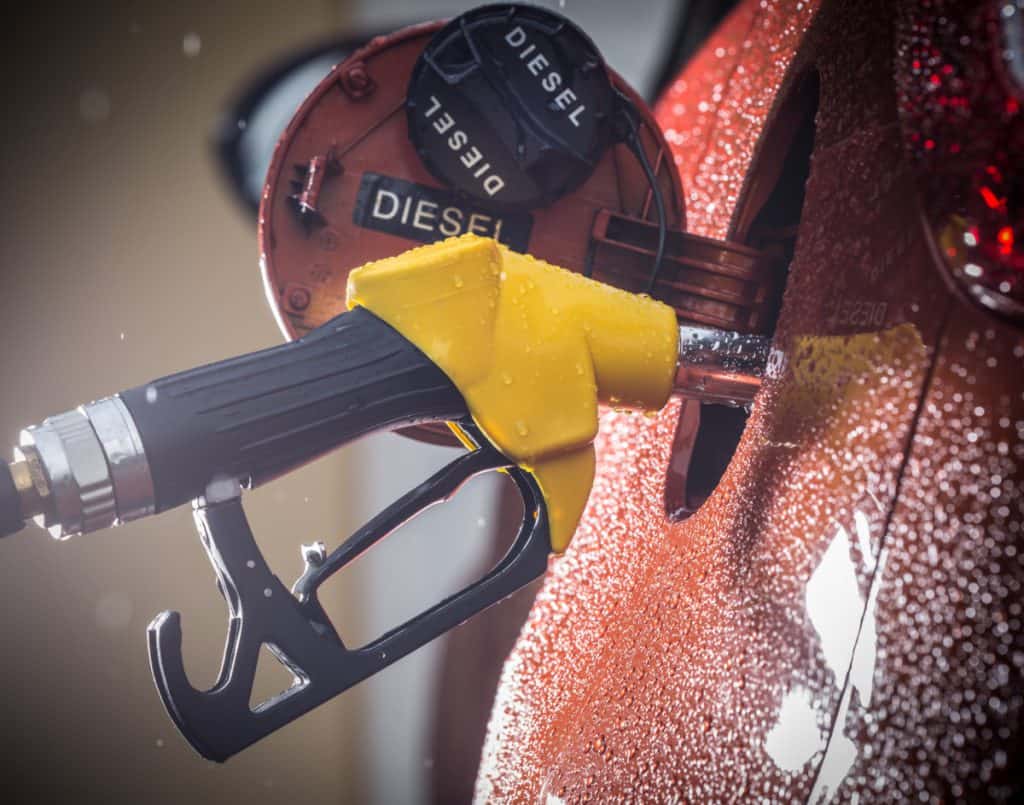
The Pros of Buying a Diesel Car in 2024
Diesel engines aren’t going away just yet! They still have some great advantages, especially for certain types of drivers. Here’s why you might consider one:
1. Better Fuel Efficiency
Diesel engines remain more fuel-efficient than gasoline engines, particularly on highways. If you frequently drive long distances, a diesel car could save you money in the long run.
What this means for you: If you spend a lot of time on the road, such as commuting or road trips, a diesel car might give you more miles per gallon (MPG), resulting in fewer fuel stops and lower fuel costs.
2. More Torque for Towing and Power
Diesel engines are known for their high torque, making them perfect for towing or carrying heavy loads. If you need a vehicle to tow a trailer, camper, or boat, a diesel engine generally offers more pulling power than a gasoline engine.
What this means for you: If you frequently tow or haul heavy loads, a diesel car or truck could be the better choice due to its superior torque.
3. Long Engine Life
Diesel engines are built to last. With proper maintenance, many diesel vehicles can easily surpass 200,000 miles. If durability and longevity are important to you, diesel could be a solid investment.
What this means for you: If you plan to keep your vehicle for many years or drive a lot of miles, the longevity of a diesel engine can make it worth the investment.
The Cons of Buying a Diesel Car in 2024
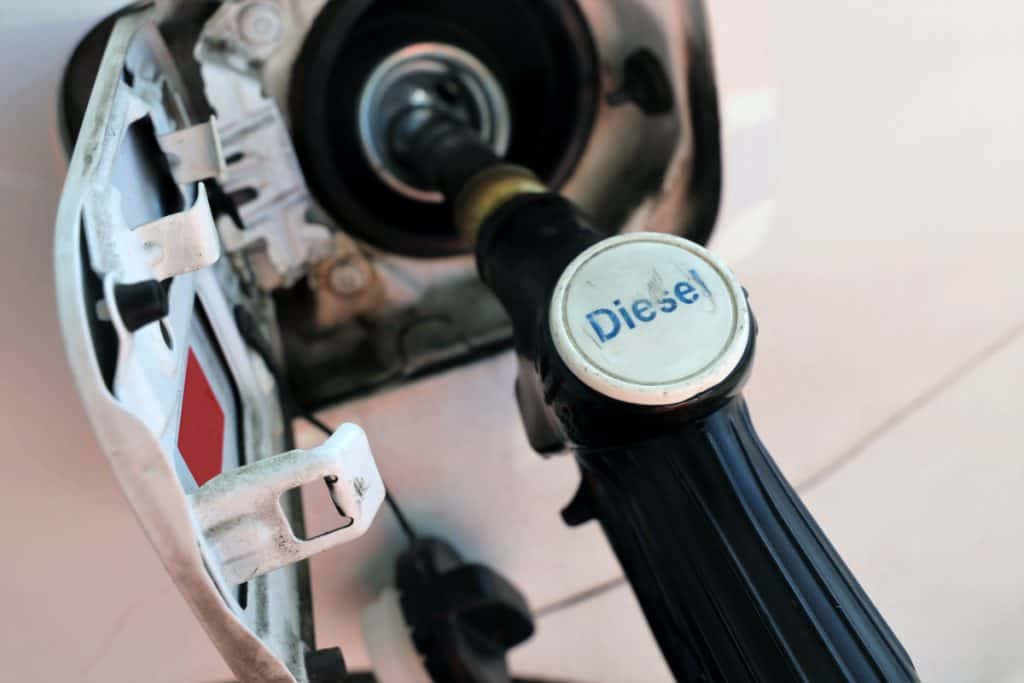
While diesel engines have benefits, there are some significant downsides in today’s market.
1. Rising Fuel Costs and Availability
Diesel fuel is often more expensive than gasoline, and prices tend to fluctuate. In some areas, diesel might even be harder to find, especially with the rise of electric vehicles and decreasing demand for diesel fuel.
What this means for you: Diesel cars may cost more to refuel, especially if diesel prices increase. The move toward cleaner energy might also result in fewer diesel pumps, particularly in urban areas.
2. Emission Regulations and Environmental Impact
With stricter emissions regulations, diesel cars face more scrutiny due to higher nitrogen oxide (NOx) and particulate emissions compared to gasoline and electric vehicles. Many countries are phasing out diesel cars, and some cities have begun restricting their use in certain areas.
What this means for you: If you live in a city with diesel restrictions or are concerned about your environmental impact, a diesel vehicle may not be the best option. Future regulations could also reduce the practicality of diesel cars, and their resale value might drop as the market shifts toward greener alternatives.
3. EVs and Hybrids Are Becoming More Popular
With electric vehicles (EVs) and hybrids gaining popularity, the automotive industry is moving toward cleaner and more efficient technologies. EVs offer lower running costs and fewer emissions, while hybrids give you a mix of both worlds. As a result, diesel engines are becoming less appealing to the average buyer.
What this means for you: If you’re leaning toward a more environmentally friendly and future-proof vehicle, an EV or hybrid might be a better fit. Plus, with many automakers focusing on electric technology, diesel options may become harder to find in the coming years.
Who Should Still Consider a Diesel Car in 2024?
Despite the downsides, there are still cases where a diesel car makes sense. If you frequently drive long distances, need high torque for towing, or plan to keep your car for many years, diesel can still be a practical option.
Best for:
- Long-distance drivers
- Those who need towing or hauling capabilities
- Buyers who want a vehicle with a long engine lifespan
Who Should Look Elsewhere?
On the other hand, if you’re worried about emissions, live in a city with diesel restrictions, or want a future-proof investment, it may be time to consider alternatives like hybrids or electric vehicles.
Best for:
- Urban drivers looking for an eco-friendly option
- People concerned about future diesel bans or restrictions
- Those interested in cutting-edge EV technology with long-term support
Is a Diesel Car Right for You in 2024?
Whether a diesel car is right for you in 2024 depends on your specific needs. If fuel efficiency on long trips, towing capacity, and engine longevity are your top priorities, a diesel vehicle could still be a great choice. However, if you want a more environmentally friendly, future-proof option, it might be time to consider hybrids or electric vehicles.
The real answer depends on how you plan to use your car in the coming years. Before deciding, consider your driving habits, environmental concerns, and the direction of automotive technology.


