Skip to content

What Even Is a Software-Defined Vehicle?
A few years back, cars were mostly mechanical things. Gears, fuel, metal, rubber. Pretty straightforward. Now? Well, it’s starting to feel more like a computer that just happens to have wheels attached. That’s what a software-defined vehicle is. One where software controls way more than just the radio or navigation system. It runs the whole show, really.
Performance, safety, convenience, connectivity. All driven by lines of code now. Which is… different.
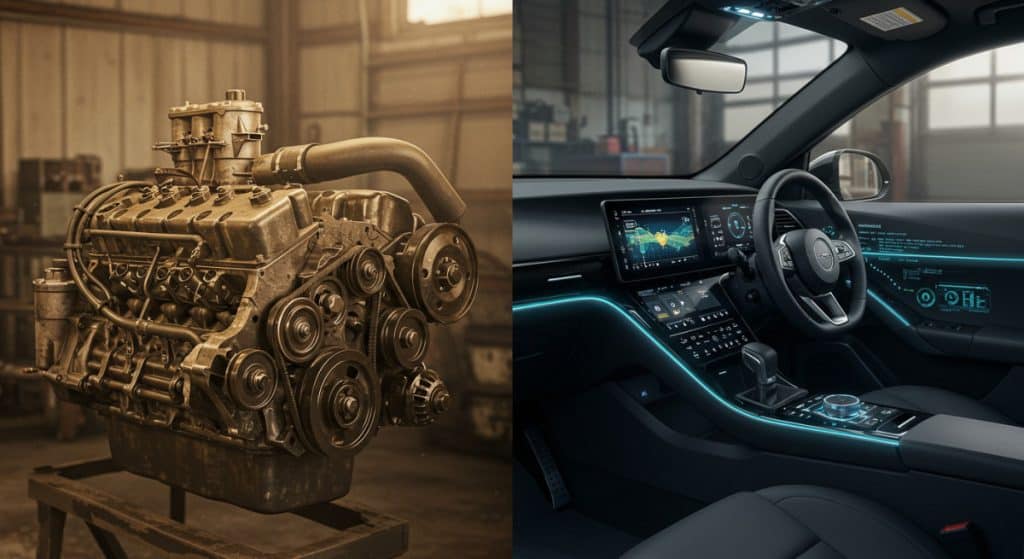
This shift isn’t just some tech gimmick, though. It represents a fundamental change in how vehicles actually function and evolve. A car’s abilities aren’t locked in stone at the dealership anymore. Features can be added later, improved over time, and personalized based on how someone drives. That kind of flexibility is genuinely new territory for the automotive world.
Why Your Car’s Brain Matters More Than Its Engine Now
In the past, buying a car meant buying a fixed experience. The engine would always perform the same way. Safety features stayed as-is. Any updates meant a trip to the shop, assuming they were even possible. Now, a vehicle’s software can be updated remotely. Sometimes it can completely transform how the car behaves.
One of the most famous examples came from Tesla, naturally. Owners would wake up to find their cars had better acceleration or increased range. All thanks to a software push that happened overnight. No tools involved, no appointments scheduled. Just a silent upgrade while the car sat in the driveway.
Other automakers are catching up, perhaps faster than expected. Brands are rolling out features like improved lane-keeping, parking assist, and even entirely new drive modes through over-the-air updates. According to industry reports, over 90% of new vehicles are expected to be software-defined by the end of this decade.
It’s not just the future anymore. It’s arriving now, piece by piece.
When Cars Become App Stores (For Better or Worse)
Here’s where things get interesting and controversial. Some features aren’t just updated. They’re locked behind a paywall. Want that extra bit of horsepower? There’s a fee for that. Heated seats in winter? Might require a monthly subscription.
It’s a new model that blends traditional car ownership with something that looks suspiciously like app-based shopping.
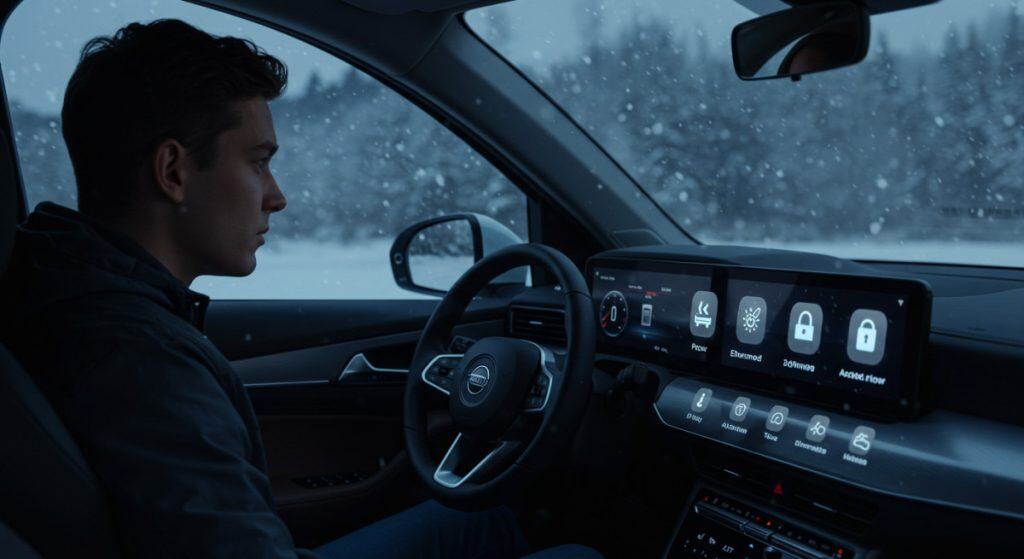
For some drivers, this feels like a dream come true. Pay only for what’s actually needed, skip the extras, and unlock more later if the budget allows. It feels modular and flexible. Even convenient, in a way. But others see it quite differently. Paying monthly for something the car is already physically equipped with feels… off. A seat is a seat, after all.
And it does raise some uncomfortable questions. If someone stops paying, does that feature just vanish? What does it really mean to own a car if parts of it are technically being rented? The lines are starting to blur in ways that weren’t anticipated.
The Growing Pains Nobody Really Talks About
All this rapid change doesn’t come without serious friction. While the idea of software-first cars sounds compelling on paper, its execution hasn’t always lived up to the promises. Some automakers have faced significant delays due to software hiccups. A report released last year indicated that a growing number of vehicle launches were postponed due to software integration issues.
Then there’s security, which is perhaps even more concerning. With cars now constantly connected, they become potential targets for bad actors. This isn’t just a theoretical concern anymore. There have been real-world demonstrations where hackers remotely accessed vehicle systems. Automakers are pouring substantial resources into cybersecurity, but it’s proving to be a tough race to stay ahead of threats.
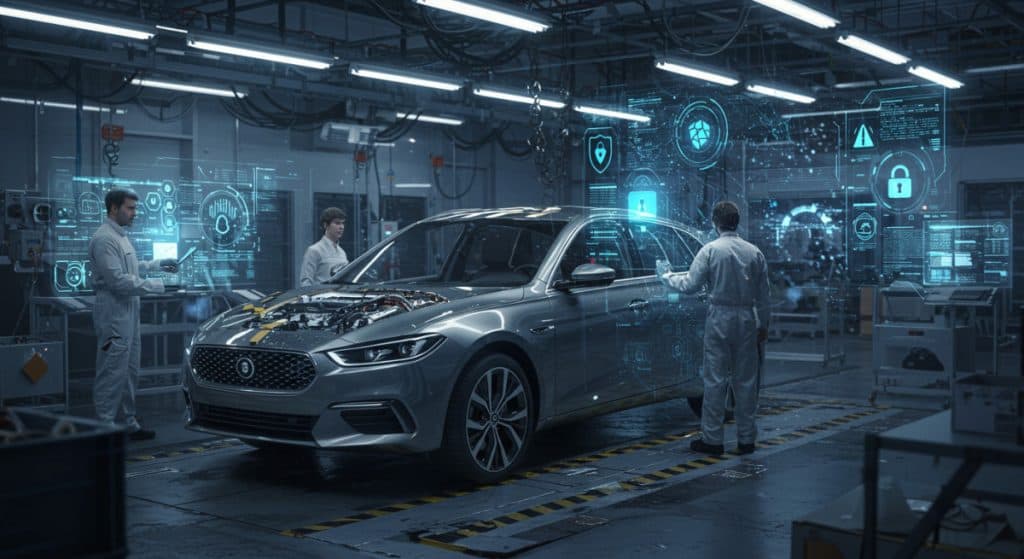
It’s also worth noting that cars simply can’t update as seamlessly as smartphones do. There are regulations to consider, safety standards to meet, and a much smaller margin for error. Releasing a buggy feature in a car isn’t quite the same as fixing a phone app after launch.
Who’s Winning This Race? (Spoiler: It’s Not Who You’d Expect)
Tesla took an early lead, no question about it. They shaped the entire narrative around software-first vehicles and set customer expectations accordingly. But lately, some unexpected names are climbing the ranks faster than anticipated.
Chinese brands like BYD and NIO are moving surprisingly quickly. They’re experimenting more aggressively with in-car tech, user interfaces, and connected services. Their pace of innovation is catching global attention, and they’re starting to chip away at established players’ dominance in ways that seemed unlikely just a few years ago.
Meanwhile, companies like General Motors (GM) and Toyota are pushing hard to catch up. They’re investing heavily in dedicated software divisions, forming strategic tech partnerships, and hiring talent directly from Silicon Valley. The competition is definitely heating up, but it no longer resembles a traditional automotive race.
It’s more fragmented now. More dynamic. Success may not solely depend on company size or manufacturing scale. It might come from pure agility instead.
What’s Coming Next (And Why That Feels Both Exciting and Unsettling)
Looking ahead, things get genuinely complicated. Cars could soon learn individual driving habits, adjust settings automatically, or even self-diagnose problems before they become serious. Voice assistants might evolve into full AI copilots. Over-the-air updates might one day unlock partial self-driving capabilities while the car sits parked overnight.
That future sounds exciting, almost cinematic in scope.
But there’s a catch, and it’s a significant one. Rollouts like that take considerable time, and expectations often outpace reality by years. Bugs, delays, and patchy service could make for a genuinely rocky transition period. And there’s the bigger question that not enough people are asking: will everyone actually want that much technology in their daily drive?
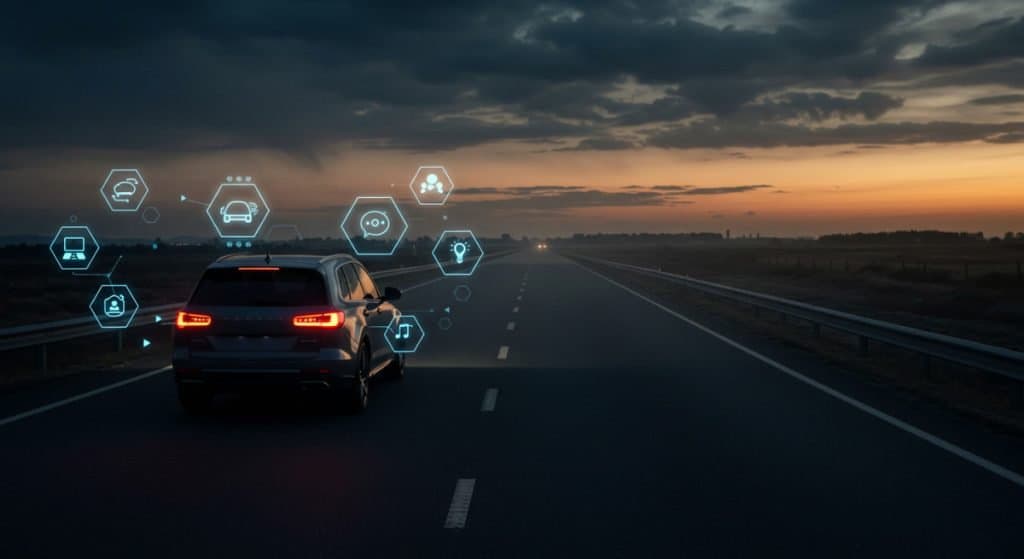
Market projections remain optimistic, though. Billions are being invested in automotive software development, and automakers are restructuring themselves around this digital core. But regular drivers might feel caught in the middle of a transformation they didn’t ask for.
That could be the price of progress. Or it could be something else entirely.