Skip to content

Choosing the right motor oil is one of the most important decisions you’ll make for your car. It directly impacts engine performance, longevity, and even fuel efficiency. With synthetic and conventional oils dominating the market, the question remains: which one is right for you? Let’s break it down so you can make an informed choice.
What Are Synthetic and Conventional Oils?
Conventional Oil
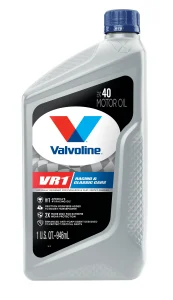
Conventional oil is derived from crude oil and refined with additives to meet specific viscosity and performance standards. Due to its affordability and reliability, it has been the go-to motor oil for decades. Here’s a quick guide to help you determine your next oil change distance.
Synthetic Oil
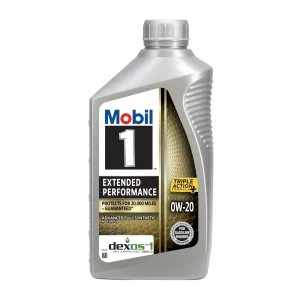
Conversely, synthetic oil is engineered through chemical processes to create a product with uniform molecular structures and enhanced performance. It is specifically designed to provide superior lubrication, reduce engine wear, and perform consistently under extreme conditions.
Blended Oils
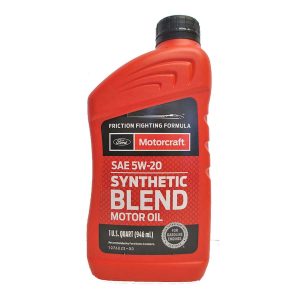
Synthetic blends combine elements of both artificial and conventional oils, offering a middle-ground option for those seeking better performance without the full cost of synthetic oil.
High-Mileage Oil: What You Need to Know
As vehicles accumulate mileage, engine wear, seal degradation, and oil consumption can become more pronounced. High-mileage motor oils, available in both conventional and synthetic formulations, are specifically designed to address these issues and enhance the longevity of older engines.
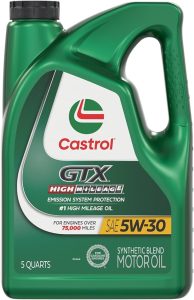
Key Benefits of High-Mileage Oil:
- Seal Conditioners: Special additives help restore flexibility in aging engine seals, reducing the likelihood of leaks and oil consumption.
- Extra Detergents and Dispersants: These additives help prevent and break down sludge buildup, keeping older engines cleaner and improving efficiency.
- Enhanced Anti-Wear Agents: Additional wear-protection compounds help reduce metal-on-metal friction, extending engine life.
- Optimized Viscosity Stability: Formulated to maintain proper lubrication, even as internal engine components experience more wear over time.
Brands like Castrol GTX High Mileage, Mobil 1 High Mileage, and Valvoline MaxLife are formulated for vehicles with 75,000 miles or more, ensuring continued performance, reduced emissions, and longer engine life.
Key Differences Between Synthetic and Conventional Oils
| Feature | Conventional Oil | Synthetic Oil |
| Performance | Adequate for standard driving conditions. | Excels in extreme temperatures and heavy-duty use. |
| Viscosity Stability | Prone to thickening in cold weather or thinning in heat. | Maintains stable viscosity in all conditions. |
| Engine Cleanliness | More prone to sludge and deposits over time. | Resists sludge, keeping engines cleaner. |
| Lifespan | Requires frequent oil changes (3,000-5,000 miles). | Lasts longer (7,500-10,000 miles or more). |
| Cost | Lower upfront cost. | Higher upfront cost but saves in the long run. |
The Benefits and Drawbacks of Each Option
Conventional Oil
- Pros:
- Affordable and widely available.
- Works well for older engines and vehicles with lower mileage.
- Adequate for drivers with standard driving habits in mild climates.
- Cons:
- It breaks down faster, requiring more frequent oil changes.
- Prone to sludge buildup if maintenance is neglected.
- Less effective in extreme temperatures.
Synthetic Oil
- Pros:
- Performs exceptionally well in extreme heat or cold.
- Resists sludge and deposits, keeping engines cleaner over time.
- Allows for extended oil change intervals, saving time and money.
- Provides superior protection for high-performance and modern engines.
- Cons:
- It’s more expensive upfront.
- Overkill for older cars or vehicles with low-performance demands.
Factors to Consider When Choosing
1. Driving Conditions
Synthetic oil is better if you frequently drive in extreme temperatures, tow heavy loads, or take long road trips. Its ability to maintain viscosity under stress ensures your engine stays protected.
2. Vehicle Type and Age
Modern engines are often designed to run on synthetic oil for optimal performance. Older vehicles, however, may benefit from conventional oil or synthetic blends, especially if they have high mileage.
3. Budget
While synthetic oil costs more upfront, its extended lifespan and superior protection can save money in the long run. Conventional oil is a good option for those on a tighter budget who can adhere to more frequent oil changes.
4. Manufacturer Recommendations
Always consult your vehicle’s owner’s manual. Many automakers specify the type of oil that works best for their engines, and using the wrong oil could void warranties.
Switching from Conventional to Synthetic: A Step-by-Step Guide
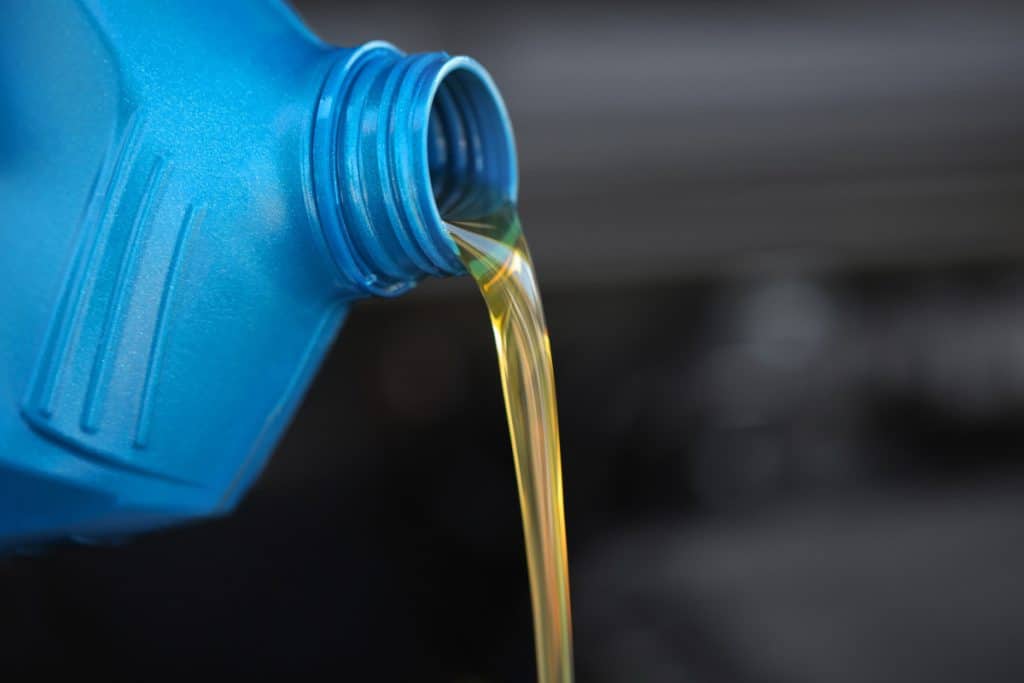
Many drivers consider switching from conventional to synthetic oil but hesitate due to concerns about engine compatibility. Here’s how to do it properly:
- Check Your Owner’s Manual
Ensure your vehicle is compatible with synthetic oil. Most modern cars can handle the transition without issues. - Use a High-Quality Oil Filter
Since synthetic oil keeps the engine cleaner, pairing it with a high-quality filter ensures optimal performance and filtration. - Consider a Synthetic Blend First
If unsure, start with a synthetic blend before fully transitioning to synthetic oil. - Monitor for Leaks
Synthetic oil cleans the engine more effectively and can expose pre-existing leaks that conventional oil might have masked. If leaks occur, they are likely due to worn seals rather than the oil itself. - Follow a Gradual Change Schedule
You can transition between synthetic and conventional oil changes until you entirely switch. - Adhere to Proper Oil Change Intervals
Synthetic oil allows longer intervals between oil changes, but always follow your vehicle manufacturer’s recommendations.
Common Myths About Synthetic Oil
Myth 1: Synthetic oil causes leaks in older engines.
Truth: Synthetic oil doesn’t cause leaks but may expose pre-existing issues by cleaning away sludge that previously masked them.
Myth 2: You can’t switch back to conventional oil after using synthetic.
Truth: Switching back and forth is safe, but consistency is recommended for optimal performance.
Myth 3: Synthetic oil isn’t worth it for everyday drivers.
Truth: Synthetic oil’s extended intervals and better protection can be cost-effective in the long run, even for regular drivers.
Real-World Scenarios: Which Oil Is Best for You?
- Daily Commuters
Conventional oil might be sufficient if you drive short distances in mild conditions. However, synthetic oil offers peace of mind with extended intervals and better protection for stop-and-go traffic. - Long-Distance Drivers
For those racking up highway miles, synthetic oil is the better option. Its durability and resistance to breakdown make it ideal for extended trips. - High-Performance Vehicles
Sports cars, trucks, and SUVs designed for heavy-duty performance thrive on synthetic oil, which can handle the stress and high temperatures these engines generate. - Older or High-Mileage Cars
Vehicles with significant wear and tear may benefit from synthetic blends or high-mileage oils designed to protect aging components and reduce leaks.
Choosing the Right Oil for Your Car
Ultimately, the best oil for your car depends on your driving habits, budget, and vehicle requirements. Synthetic and conventional oils have their place, but the key is to prioritize regular oil changes and follow your manufacturer’s recommendations. With proper maintenance, your car will run smoothly and efficiently for years.
Resources:
- https://www.machinerylubrication.com/synthetic-oil-31800
- https://www.mobil.com/en/lubricants/for-personal-vehicles/auto-care/all-about-oil/learn-about-motor-oil/synthetic-oil-vs-conventional-oil
- https://www.thompsonsales.com/why-is-synthetic-oil-better-for-my-car-we-settle-the-conventional-vs-synthetic-oil-debate/