Skip to content

The Nissan Leaf has become a cornerstone in the electric vehicle (EV) market, celebrated for its affordability, eco-friendliness, and efficiency. Choosing the right model year is critical to ensuring maximum value and performance for those considering a used Leaf. In this guide, we’ll explore the best years to buy a used Nissan Leaf, the ones to avoid, and key factors to consider during your purchase.
A Brief Overview of the Nissan Leaf
Since its debut in 2010, the Nissan Leaf has been a pioneer in the EV market. Designed for urban commuting, it offers an affordable entry into electric mobility. Its low running costs, zero emissions, and practical range have made it a favorite among eco-conscious drivers and budget-savvy buyers.
The Best Year Model of a Nissan Leaf to Buy
2014 Nissan Leaf
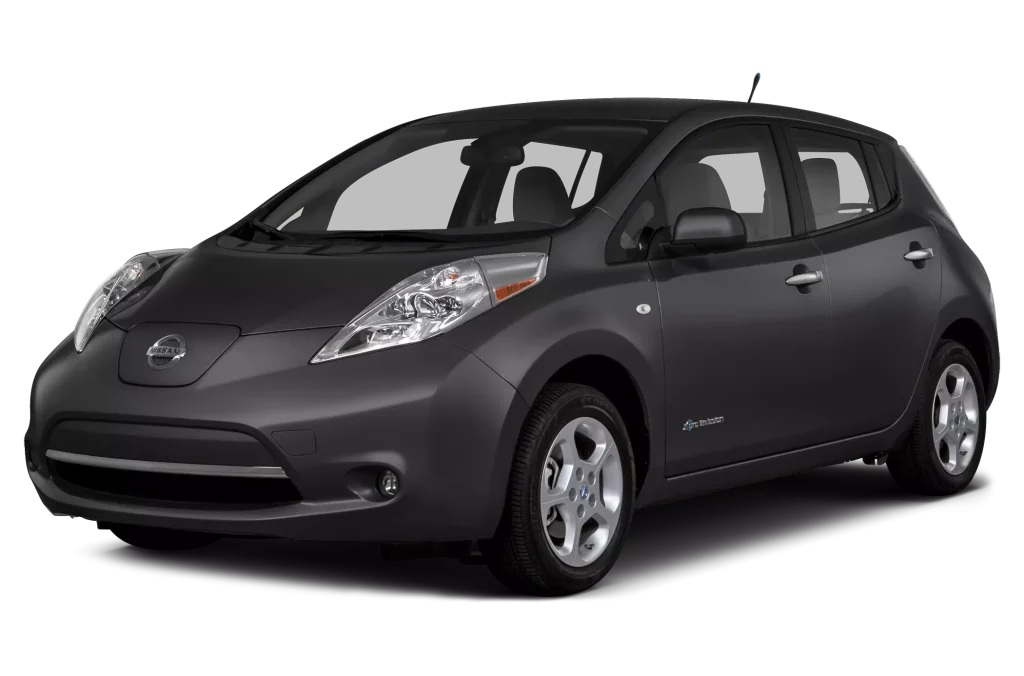
The 2014 Leaf is the most reliable option among early models. It marked a turning point for Nissan, addressing many battery degradation issues that plagued earlier years. Introducing a heat-resistant lithium manganese oxide battery improved performance and longevity, making the 2014 Leaf a practical choice for buyers seeking affordability and reliability.
- Range: Approximately 84 miles.
- Why It’s a Good Choice: Improved battery performance over earlier models.
2017 Nissan Leaf
As the final iteration of the first generation, the 2017 Leaf represents the pinnacle of early Leaf technology. It introduced a more robust battery, extending its range and usability. With modernized features like an updated infotainment system, it strikes a balance between value and technology.
- Range: Approximately 107 miles.
- Why It’s a Good Choice: Enhanced range and tech upgrades.
2020 and Newer Models
The second generation of the Leaf, launched in 2018, brought significant advancements in range, safety, and design. However, the 2020 and newer models stand out due to improved battery chemistry and advanced driver-assistance features like ProPILOT Assist.
- Range: 150 miles for standard models and 226 miles for Leaf Plus models.
- Why It’s a Good Choice: Longer range, modern safety features, and improved reliability.
Model Years to Avoid
2011–2013 Models
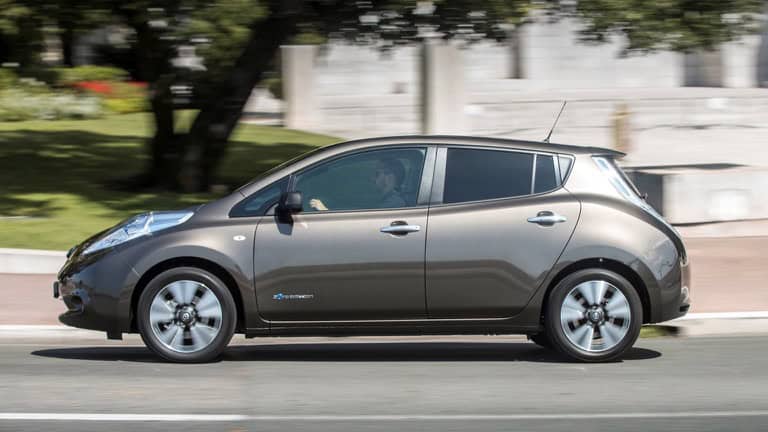
These early models suffer from significant battery degradation issues due to the absence of a thermal management system. Limited range (73–75 miles) and reliability concerns make these less desirable for buyers.
2015–2016 Models
While these models saw incremental improvements, they still struggled with limited range and durability compared to later iterations.
Key Considerations When Buying a Nissan Leaf
Battery Health
The battery is the heart of an EV. When buying a used Leaf, assessing the battery’s remaining capacity is crucial. Tools like LeafSpy can provide detailed insights into battery health, helping you make an informed decision.
Warranty Coverage
Nissan offers an 8-year/100,000-mile warranty on the Leaf’s battery, covering capacity loss and defects. Ensure the warranty is transferable to provide peace of mind after purchase.
Technological Features
Later models include features like ProPILOT Assist, which offers semi-autonomous driving capabilities, and E-Pedal, enabling single-pedal driving. These features can significantly enhance your driving experience.
Costs and Benefits of Ownership of a Nissan Leaf
Costs
- Purchase Price: Early models (2014–2017) range from $7,000 to $12,000, while second-generation models (2018–2020) cost between $15,000 and $25,000.
- Battery Replacement: A new battery can cost $5,000 to $7,000, making battery health a top priority.
Benefits
- Fuel Savings: Operating a Leaf costs significantly less than a gas-powered vehicle, with electricity costs averaging $0.03–$0.04 per mile.
- Eco-Friendly: The Leaf produces zero emissions, contributing to a cleaner environment and often qualifying for incentives.
Alternative EV Options
If a Nissan Leaf doesn’t meet your needs, consider these alternatives:
- Chevrolet Bolt EV: Offers a longer range of up to 259 miles.
- Hyundai Ioniq Electric: Known for its efficiency and reliability.
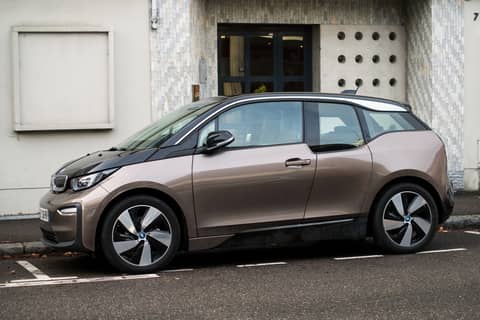
- BMW i3: A premium option with a unique design and range extender capability.
Charting the Road to the Perfect Used Nissan Leaf
Choosing the right model year for the Nissan Leaf can make all the difference in maximizing value and performance. The 2014, 2017, and 2020 models balance affordability, reliability, and technological advancements. While early models may have their quirks, later iterations demonstrate how far the Leaf has come in meeting the needs of modern EV owners.
By carefully assessing battery health, warranty coverage, and features, you can confidently navigate the used EV market and drive away with a Leaf that fits your lifestyle. The Nissan Leaf continues to pioneer, proving that sustainable driving can be practical and accessible.