 Skip to content

You’ve seen them. Maybe you drive one. That 2005 Honda Accord with the fading clear coat. The 2008 Subaru Outback with 200,000 miles that just won’t quit. The 2012 F-150 that’s been paid off for years and still starts up every morning like clockwork.
Welcome to the era of the “zombie car.” Vehicles that just won’t die — still roaming our streets long after most people expected them to retire.
And here’s the thing: there are more of them than ever.
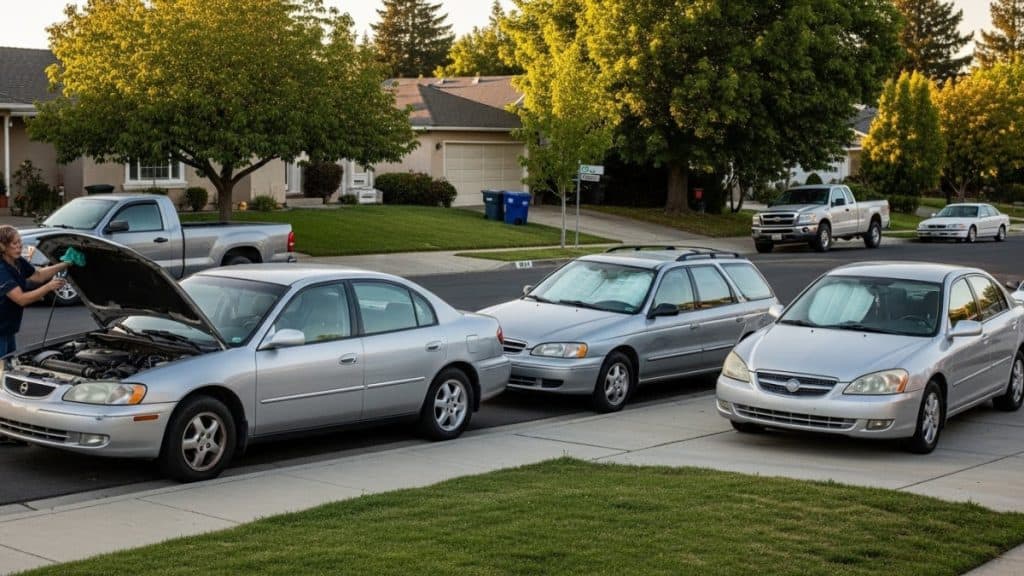
The average age of a vehicle in the U.S. hit 12.8 years in 2025 — up from 12.6 the year before. That might not sound huge until you realize we’re talking about 289 million vehicles on the road, and 68.5 million of them are over 20 years old. That’s nearly one in four still driving around from the flip-phone era.
Even more telling? 70% of cars on the road are six years old or older. So if that new car smell has been replaced by air fresheners and fabric cleaner, you’re not alone.
So why is this happening? What does it mean for the industry, for enthusiasts, and for the way we think about car ownership? Let’s dive in.
The Perfect Storm: Why Cars Just Won’t Die
1. The Price Tag Problem
Let’s start with the obvious. The average price of a new vehicle in 2025? Around $45,000. That’s not a typo — and for many folks, that number might as well be six figures.

Put it in perspective: that’s more than a year’s salary for a lot of Americans. It’s a down payment on a house. It’s four years of college tuition in some states. So when people look at their trusty old sedan and it’s still getting them where they need to go, the choice becomes obvious.
If your car’s paid off and you’re spending maybe $1,000–$2,000 a year on maintenance, you’re still way ahead of a $700/month car payment — not to mention insurance, registration, and taxes on a new ride.
In short: people are asking a new question — not when should I replace this?, but how long can I keep it going?
2. Built to Last (Seriously)
Here’s some good news that doesn’t get enough credit: modern cars are better-built than they’ve ever been.
Sure, your granddad’s ’67 Chevy had soul. But today’s engines? They’re running into the 200,000–300,000 mile range with ease — as long as they’re maintained.
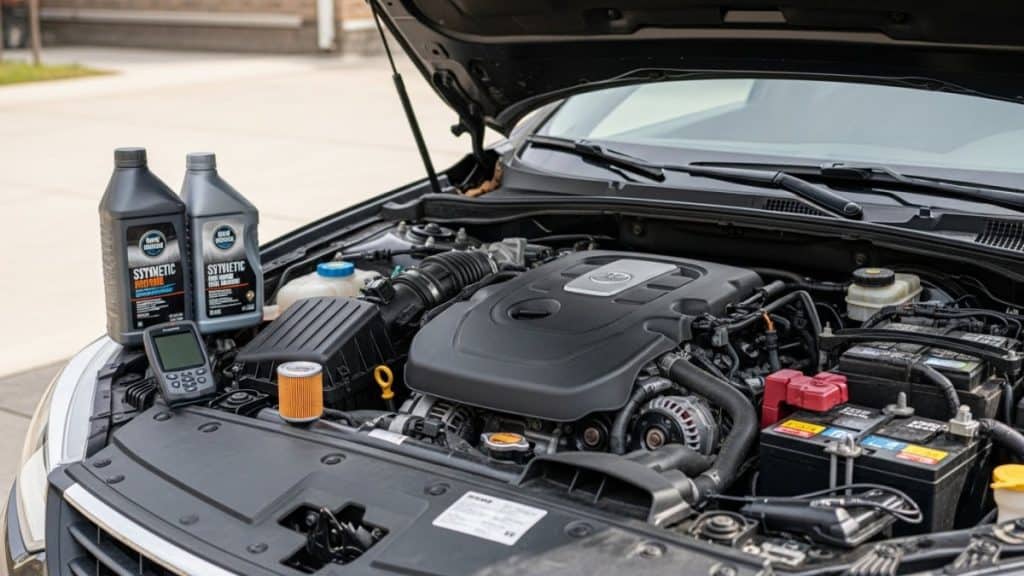
Why?
- Materials: Better metallurgy, tougher engine components, and gaskets that don’t give up at 80K miles.
- Fluids: Modern synthetic oils and lubricants protect longer, reduce friction, and help engines stay cooler.
- Computers: Love ‘em or hate ‘em, ECU-controlled engines make micro-adjustments all day long to optimize performance and minimize wear.
- Rust protection: Better paint, better undercoating, and better galvanizing mean cars don’t rot out like they used to.
A 15-year-old car today? Often in way better shape than a 10-year-old car was back in the ’90s.
3. COVID Changed the Game
We can’t ignore how the pandemic accelerated this whole trend.
First, supply chains broke. New cars became scarce. Chips were backordered. Dealerships went from packed lots to tumbleweeds.
Then, used car prices exploded. That $10,000 Civic? Now worth $15,000. People realized: “If I sell this, what can I even replace it with?”
And with more people working from home, commuting less, or shifting priorities — the pressure to upgrade just wasn’t there. People chose stability. They chose to hang onto what already worked.
The Cult Classics: When ‘Old’ Becomes ‘Desirable’
Not all zombie cars are held together by duct tape and determination. Some are turning into cult legends.
Toyota FJ Cruiser (2007–2014)
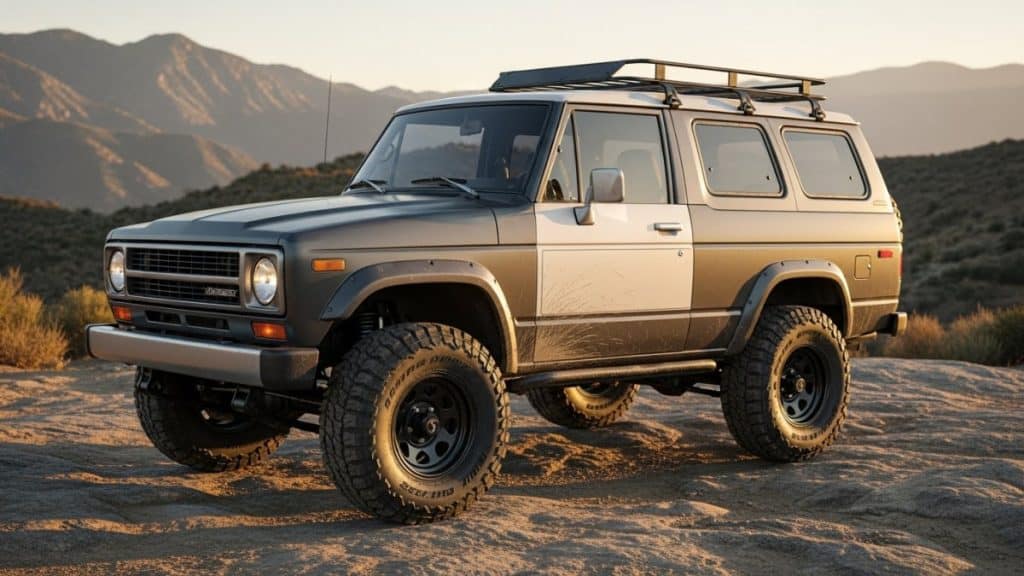
Once seen as quirky and impractical, the FJ has become a collector’s favorite. Terrible blind spots? Sure. Awful gas mileage? Yep. But it’s rugged, reliable, and oozes character. Clean ones now sell for more than they cost new.
Off-road capable, built like a tank, and backed by Toyota’s reputation, the FJ Cruiser is a zombie that’s basically immortal.
Pontiac G8 (2008–2009)
A short-lived gem. Rear-wheel drive. V8 power. The G8 was a Holden Commodore rebadged for the U.S., and it made waves with enthusiasts. But then GM axed Pontiac, and the car vanished — just as it was getting good.
Now, G8s — especially the rare GXP model — are hard to find and even harder to let go of. Owners are importing parts from Australia just to keep them alive. That’s dedication.
Hummer H3 (2006–2010)
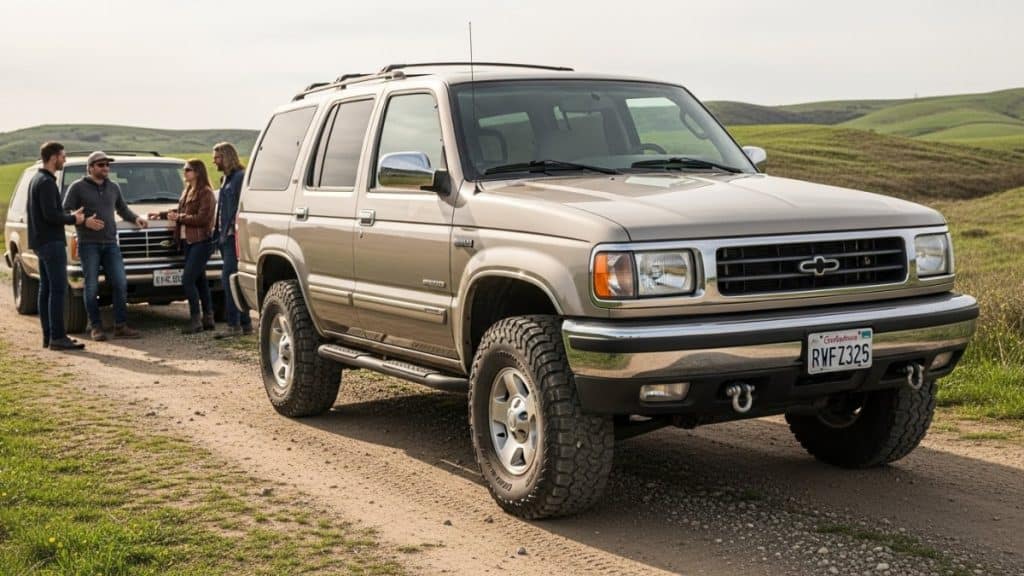
Once mocked for being a gas-guzzling beast, the H3 is now quietly having a moment. Built on a midsize truck platform, it’s more practical than its big brothers. And with Hummer EVs going for six figures, the original H3 is looking like a nostalgic bargain.
Communities have popped up to keep them alive — sharing parts, mods, and survival tips. From villain to underdog, the H3 has come full circle.
The Dark Side: Not Every Zombie Is a Winner
While many zombie cars are dependable survivors, some should’ve stayed parked. Let’s talk about the flip side.
Safety Gaps
Older cars lack modern safety tech:
- No automatic emergency braking
- No lane assist, blind spot monitoring, or backup cameras (on many models)
- Weaker crash protection due to outdated structural engineering
- Aging airbags or seatbelt systems that might not work as designed
A car from 2005 might run fine, but it won’t protect you the way a 2025 vehicle will. That’s just the reality.
Environmental Impact
There’s a trade-off here. On one hand, keeping an old car avoids the massive carbon cost of manufacturing a new one. On the other, many zombie cars are less efficient and dirtier:
- Lower fuel economy
- Outdated emissions systems
- Higher output of NOx, CO2, and particulate matter
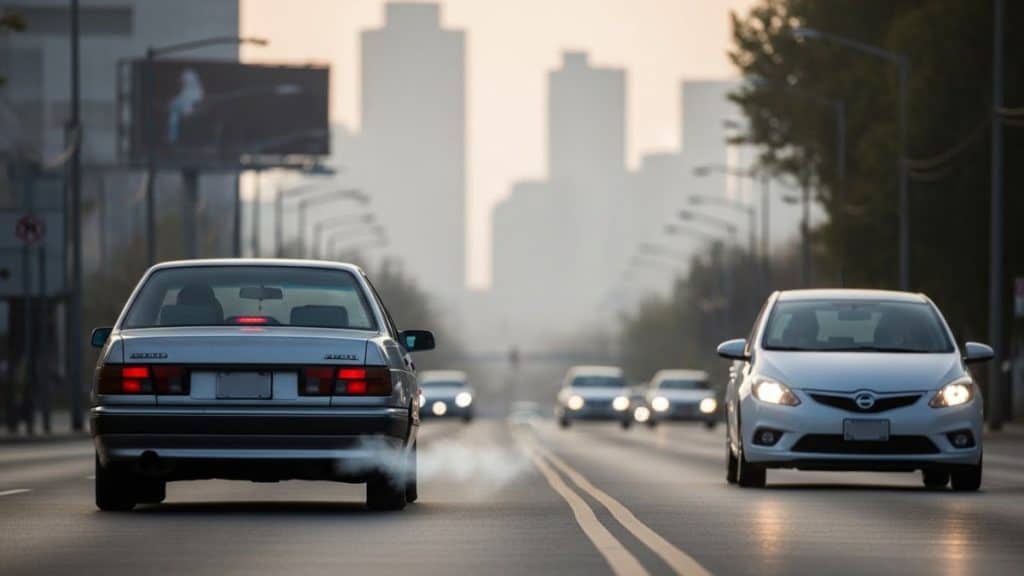
If you’re driving a lot, the emissions add up. That said, if your vehicle is efficient and you drive it responsibly, keeping it alive can still be a net positive.
The Beater Problem
Some zombie cars are less about pride and more about necessity. Held together by zip ties, rust, and borrowed time — they’re being driven because the owner has no other choice.
It’s a real issue: not just mechanical, but social. When new cars cost $45K and even used ones are overpriced, lower-income drivers are stuck with unsafe or failing vehicles. This isn’t just a car problem — it’s an affordability problem.
What This Means for the Auto Industry
Zombie cars aren’t just a trend. They’re a wake-up call.
Pushback on Subscriptions

Car makers want to charge monthly for features that are already built into your car — heated seats, remote start, adaptive cruise.
People aren’t having it.
When you’re driving the same car for 15+ years, the idea of paying monthly for something you already own is absurd. It’s one reason many are sticking with older vehicles — no subscriptions, no nonsense.
The Right to Repair Movement
As cars get more complex, manufacturers are locking down diagnostics and parts. But zombie car owners? They need access. DIYers and independent shops are fighting back — and winning — in courts and legislation.
You can thank zombie cars for helping push the right-to-repair movement into the mainstream.
Parts Supply and the Aftermarket Boom
As more people keep old vehicles alive, the aftermarket parts industry is booming. But challenges remain:
- Some OEM parts are discontinued
- Electronics and trim can be hard to find
- Salvage yards are becoming treasure troves
In response, we’re seeing growth in 3D printing, refurbished parts, and specialty suppliers keeping vintage tech alive.
Culture Shift: How We Think About Cars Is Changing
From Status to Strategy
There used to be a stigma to driving a 15-year-old car. Now? It’s a badge of honor.
It shows you’re smart with money. It shows you’re not swayed by trends. It shows you know how to maintain your stuff. The “zombie car owner” is often the most financially savvy person in the parking lot.
The New Enthusiast Era
Enthusiasts are shifting their attention to vehicles from the 2000s and early 2010s. Simple. Manual. Mechanical. Engaging.
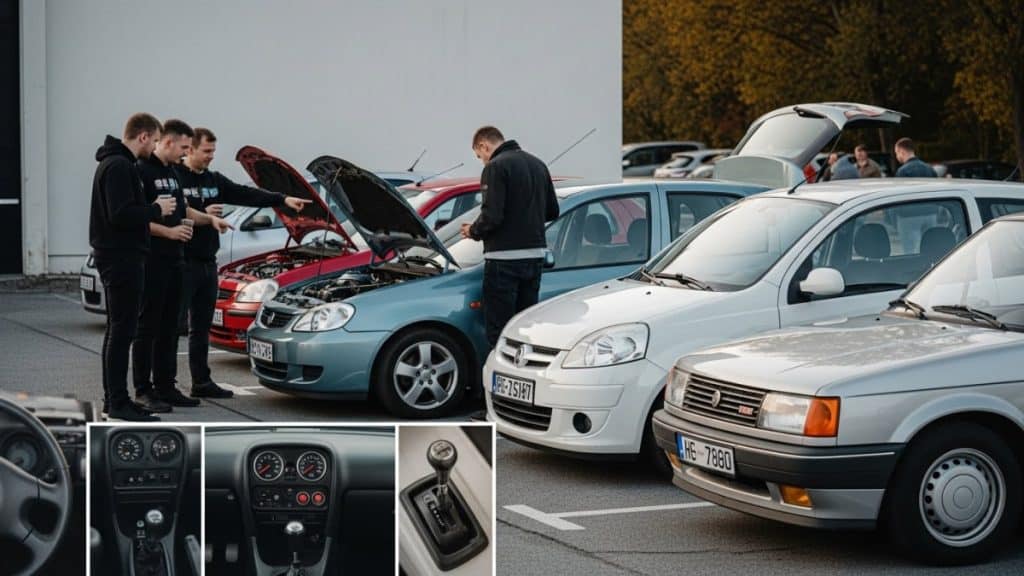
That base-model Honda Civic. That five-speed Corolla. That weird-but-awesome Saab. They’re being restored, preserved, and appreciated like never before.
We’re seeing the rise of “survivor cars” — not mint showroom queens, but well-loved daily drivers kept alive by people who care.
Tips for Keeping Your Zombie Alive
If you’re riding the zombie wave, here’s how to keep your car from becoming a true corpse.
1. Maintenance Is Everything
- Stick to (or beat) your service intervals
- Use high-quality fluids and filters
- Don’t ignore small problems — they become big ones fast
2. Find a Trusted Mechanic
Dealerships are fine, but an independent shop that knows your car’s quirks is gold. Build that relationship.
3. Fight Rust Early
Especially in salty areas:
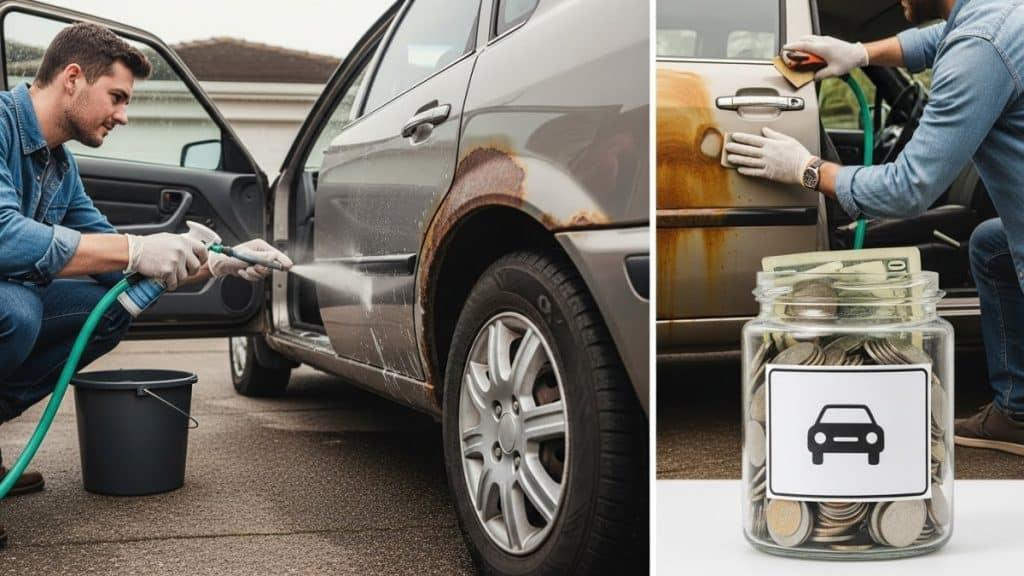
- Wash under the car often
- Use rust protection sprays
- Fix chips and bubbling paint before it spreads
4. Keep It Clean
- Wash and wax regularly
- Clean the interior and condition leather/plastics
- Protect with sunshades or covers
5. Drive It Often
Cars don’t like sitting:
- Short trips don’t cut it — take it for a longer drive weekly
- Use fuel stabilizers if it’ll be parked for a while
6. Budget for Repairs
Set aside $100–200/month in a car repair fund. That $1,500 water pump job won’t feel as painful if you’ve planned for it.
7. Know When to Say Goodbye
It’s okay to move on when:
- Major structural rust sets in
- Parts become impossible to find
- Repairs cost more than the car’s worth
- Safety becomes a serious concern
The Road Ahead
The zombie car trend isn’t slowing down. With high prices, tighter budgets, and shifting values, people are doubling down on the cars they already own.
The aftermarket will keep growing. Collectibility will evolve. And hopefully, automakers will learn something: durability and repairability matter.
Until then, here’s to the survivors. The 2006 Accord still hauling kids to school. The 2010 Tacoma still pulling weekend duty. The ‘08 Civic still sipping gas like a champ.
They’re not just cars — they’re proof that longevity, maintenance, and a little bit of pride go a long way.
Long live the zombies.
Related Resources
The following sources and communities provide background and expert insights on zombie cars, classic ownership, and the vehicles mentioned above:


