Skip to content

If you’ve driven a modern car in the last few years, chances are you’ve experienced a start-stop engines system. You’re sitting at a red light, your foot on the brake, and suddenly, the engine shuts off. Then, as soon as you lift your foot, it fires back up. It’s smooth in some cars, jarring in others, and often confusing if you’re not expecting it.
So, what’s actually going on—and why are automakers so committed to this feature?
What Start-Stop Engines Technology Actually Is
Start-stop engines technology is a system designed to automatically shut off your engine when the car is idling, then restart it as soon as you’re ready to move again. It’s most noticeable at traffic lights, in stop-and-go traffic, or when waiting in line at the drive-thru.
This system works through a combination of sensors, the engine control unit (ECU), and a specially designed starter motor. As you come to a stop and press the brake pedal, the ECU reads the situation and cuts engine power. Once you lift your foot off the brake or engage the clutch (in manual cars), it restarts the engine instantly.
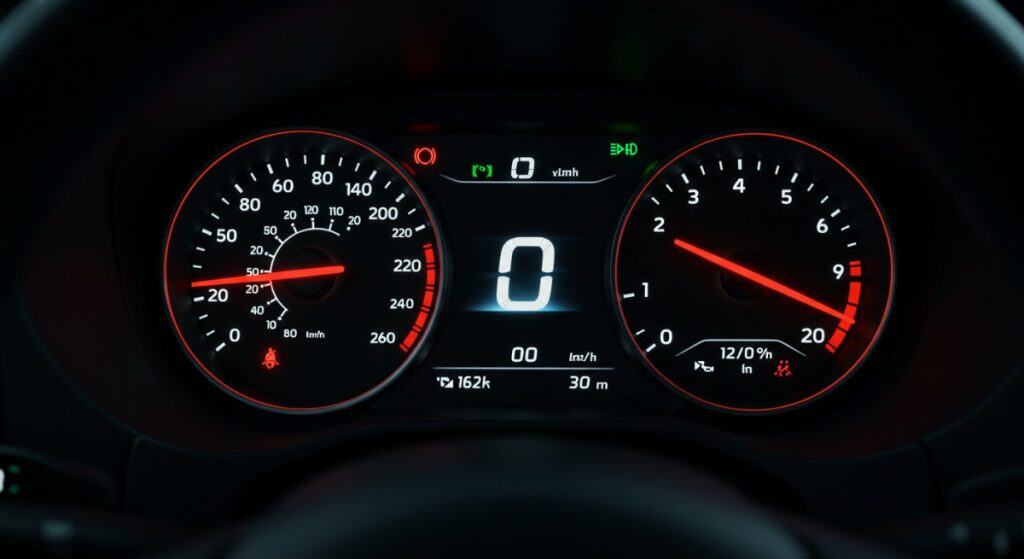
Unlike traditional ignitions that are used once per drive cycle, start-stop engines rely on reinforced components that can handle repeated use. The starter motor, in particular, is beefed up for frequent engagement.
Why Automakers Introduced Start-Stop Engines
Automakers didn’t introduce this feature just to surprise drivers. It’s mainly about improving fuel economy and meeting stricter emissions regulations.
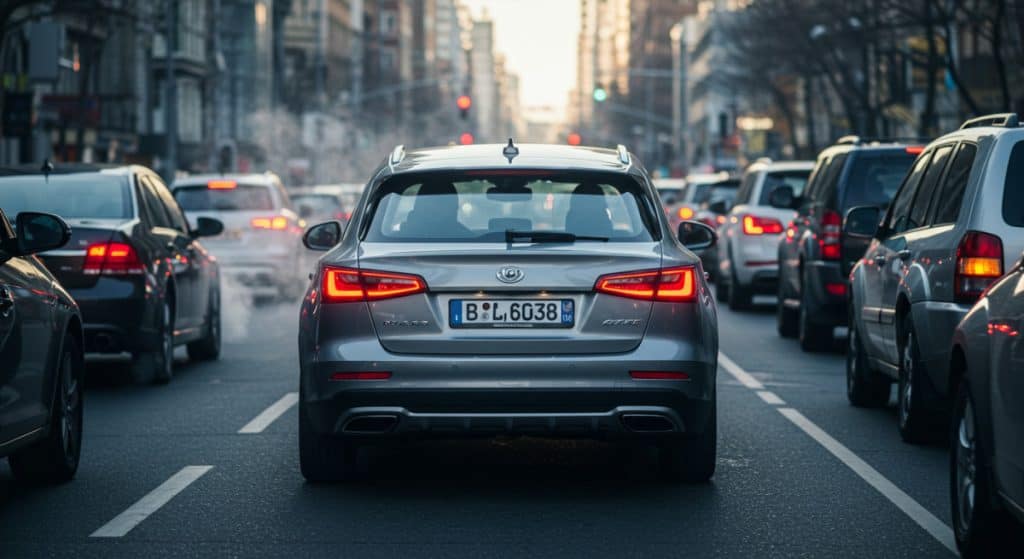
Every second your engine spends idling is fuel wasted and emissions produced without any movement. In urban environments, where traffic lights and congestion are common, this adds up quickly. Start-stop engines were introduced to cut down on that waste.
By reducing idle time, vehicles emit less carbon dioxide (CO₂) and burn less fuel overall. This contributes to fleet-wide efficiency targets set by governments and environmental agencies.
The Real-World Benefits of Start-Stop
For city drivers, start-stop engines offer tangible fuel savings. While the exact numbers vary by car and driving conditions, many drivers can expect a small but meaningful improvement in miles per gallon.
Beyond fuel savings, these systems help reduce greenhouse gas emissions—especially in dense, traffic-heavy areas where idling is frequent.
Best of all, drivers don’t need to change their habits to enjoy the benefits. The system works quietly in the background, doing its job while you go about your day.
Why Some Drivers Find Start-Stop Engines Annoying
Despite its intentions, not everyone is a fan.
One of the most common complaints is the momentary lag when the engine restarts. It can feel like a hiccup or delay, particularly in older or less refined systems.

Some drivers also dislike the sensation of the engine cutting off and restarting. In vehicles with less advanced software or cheaper components, the transition can feel rough or even intrusive.
There’s also concern about added wear and tear. More starts mean more work for the starter motor and potentially the battery, raising questions about long-term durability.
And finally, some drivers just don’t believe the fuel savings are worth the annoyance—especially if their commute doesn’t involve much idle time.
How Modern Start-Stop Engines Have Improved
Thankfully, automakers have made serious improvements since the early days of start-stop.
Modern systems use upgraded starters designed for thousands of start cycles. Many also include auxiliary batteries that handle the electrical load while the engine is off, ensuring your radio, air conditioning, and other features keep running.
Software updates have helped smooth out transitions. The ECU now makes smarter decisions, avoiding shutdowns in awkward situations like mid-parking or on slight inclines.
Luxury brands and newer models also boast nearly seamless operation. In some cars, the re-engagement is so quick and quiet you may not even notice it.
Impact on Long-Term Reliability and Maintenance
Start-stop does introduce some new maintenance considerations.
Since the starter is used more frequently, it needs to be more durable. The battery also takes on a heavier load, which is why many cars with start-stop use AGM (Absorbent Glass Mat) or EFB (Enhanced Flooded Battery) designs.
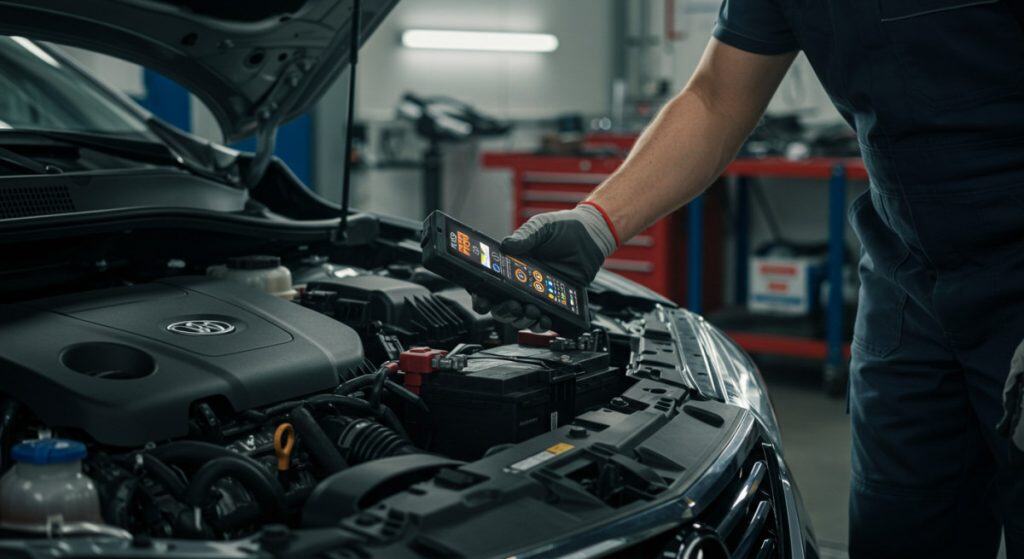
It’s a myth that these systems drastically shorten component life. While they do introduce more wear, the components are designed with that extra usage in mind. Still, if you do a lot of city driving, expect the battery and starter to wear out sooner than in a non-start-stop vehicle.
The good news is that the added cost is often offset by fuel savings over time—especially if your driving habits make the most of the system.
Can You Disable Start-Stop, and Should You?
Many vehicles give drivers the option to disable start-stop. This is typically done through a button on the dash or as part of a selectable drive mode.
However, in most vehicles, the system resets to “on” every time you restart the car. That’s because the system contributes to the vehicle’s certified fuel economy and emissions ratings.
Some drivers turn to aftermarket modules to permanently disable start-stop, but this can come with risks. These modifications may interfere with the ECU or void the warranty, depending on the manufacturer.
Unless you have a specific reason to disable it—such as driving in extremely hot or cold climates where quick AC or heat is needed—it’s usually best to let the system do its thing.
Where Start-Stop Engines Technology Fits in the Bigger Picture
Start-stop systems aren’t just about saving a little gas. They’re part of a larger transition in automotive technology.
Mild hybrid and full hybrid vehicles often use start-stop as a foundational element. These systems blend electric assist with traditional engines, and eliminating idle time is a simple way to boost efficiency.
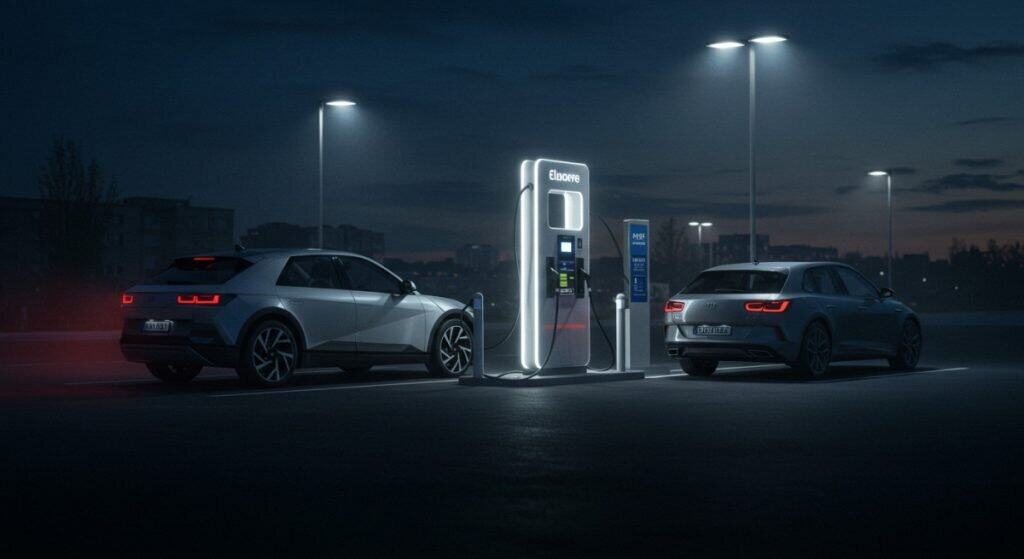
Electric vehicles, of course, don’t idle at all. Since their motors only run when needed, they skip the entire concept of start-stop. But until EVs become the majority on the road, start-stop will continue playing a role.
It’s a stepping stone—a bridge between the internal combustion era and a more electrified future.