Skip to content

Few things make drivers more uneasy than a strange odor creeping into the cabin. A burning rubber smell can make you picture belts flying off under the hood, while raw gasoline can feel like you’re driving inside a fuel can. The truth is, both smells point to a small set of common problems. Some are minor, but others can be dangerous if ignored. The good news is you can usually narrow it down quickly by paying attention to when it happens, where it’s strongest, and what other symptoms tag along.
Let’s walk through the most likely suspects and what you can do about them.
Burning Rubber: What’s Cooking?
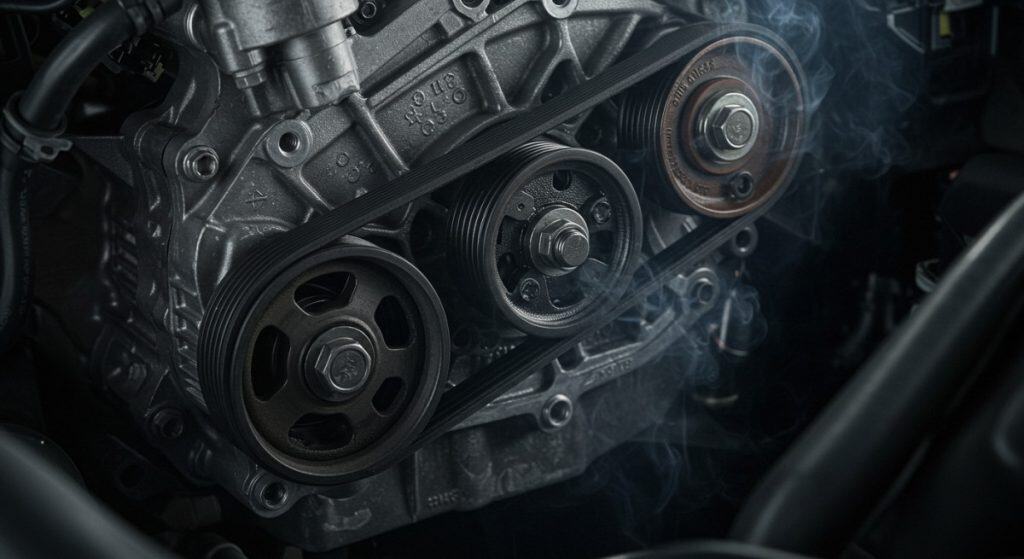
One of the classic sources of a burning rubber odor is the serpentine belt. This belt winds through multiple pulleys and drives your alternator, power steering pump, and A/C compressor. If it slips or overheats, it smells like scorched rubber. The belt may squeal, leave black dust around the pulleys, or glaze over and shine like old vinyl. A worn tensioner or misaligned pulley often lurks behind this issue, and if left alone, the belt can snap and leave you stranded.
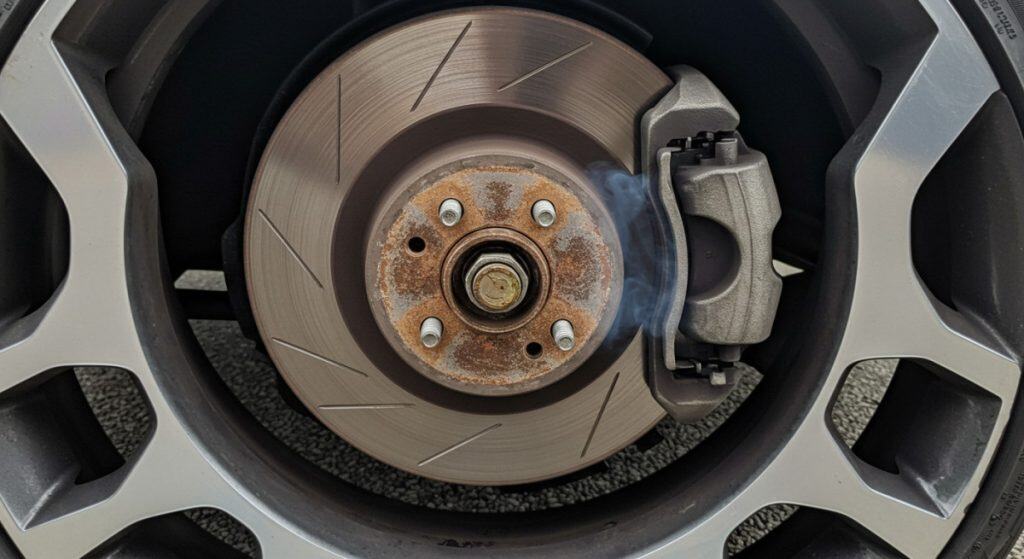
Brakes can also create that unmistakable odor. A stuck caliper or dragging parking brake means a brake pad stays pressed against the rotor even when you’re not braking. The result is a wheel that runs scorching hot, often with a sharp, burnt smell after driving a few miles. If the car pulls to one side, fuel economy suddenly drops, or one wheel is too hot to touch, the brakes deserve a closer look.
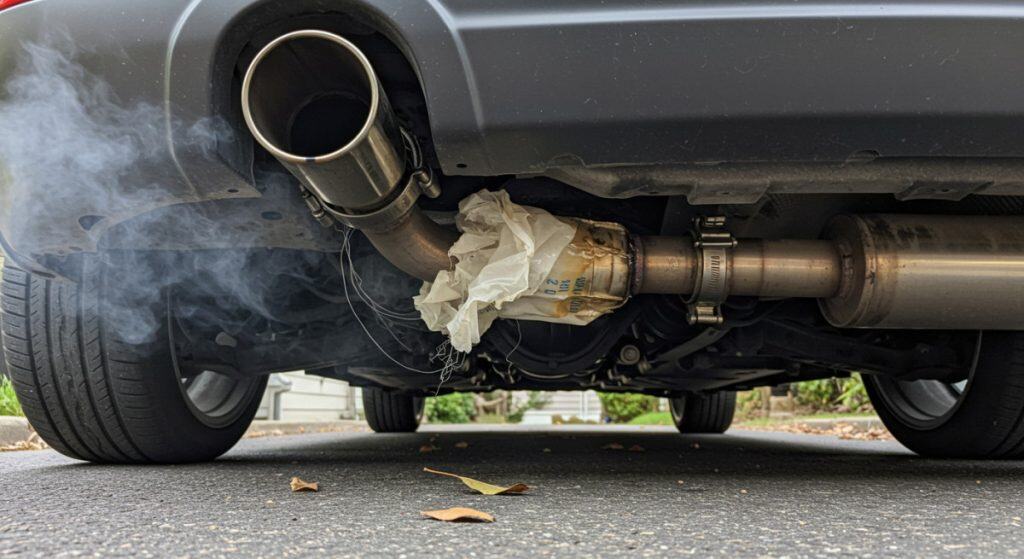
Sometimes, the source isn’t mechanical failure at all but something as simple as debris. A plastic bag caught on the exhaust pipe or a loose fender liner brushing the hot metal can cook and release an odor that mimics burning rubber. This one is easy to miss, but a quick peek under the car often reveals melted residue.
Manual transmission drivers know another culprit: the clutch. A slipping clutch overheats and produces a very distinct, acrid smell. It’s especially noticeable after stop-and-go traffic, hill starts, or spirited driving. If you notice the engine revving without matching acceleration, and the smell follows, the clutch is likely due for replacement.

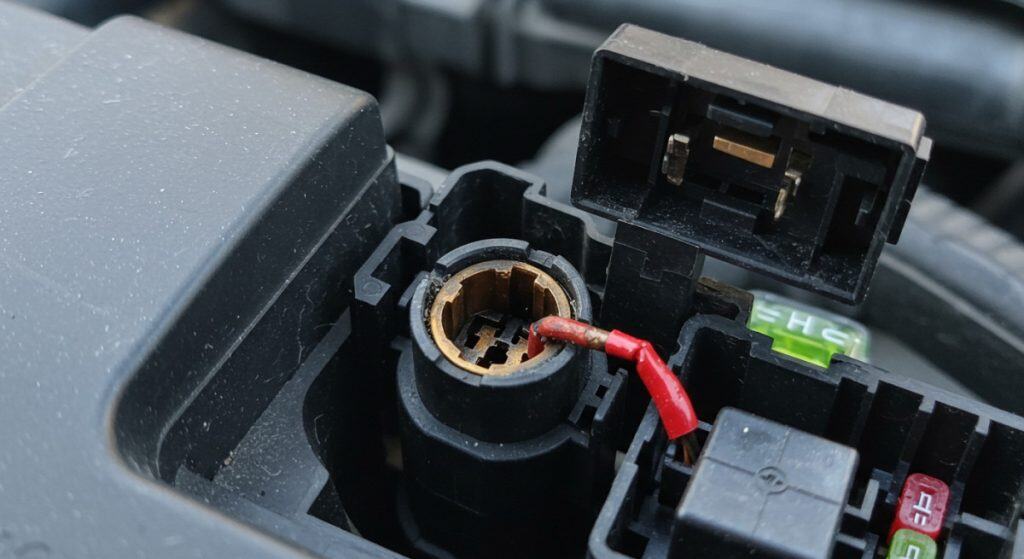
Finally, don’t overlook electrical problems. An overheating wire harness or short circuit can melt insulation, producing a hot-plastic odor that’s often confused with burning rubber. This is one of the more serious possibilities since it can lead to fire if ignored. Flickering lights, blown fuses, or a smell after a DIY wiring project are big warning signs to investigate.
The Gasoline Trail
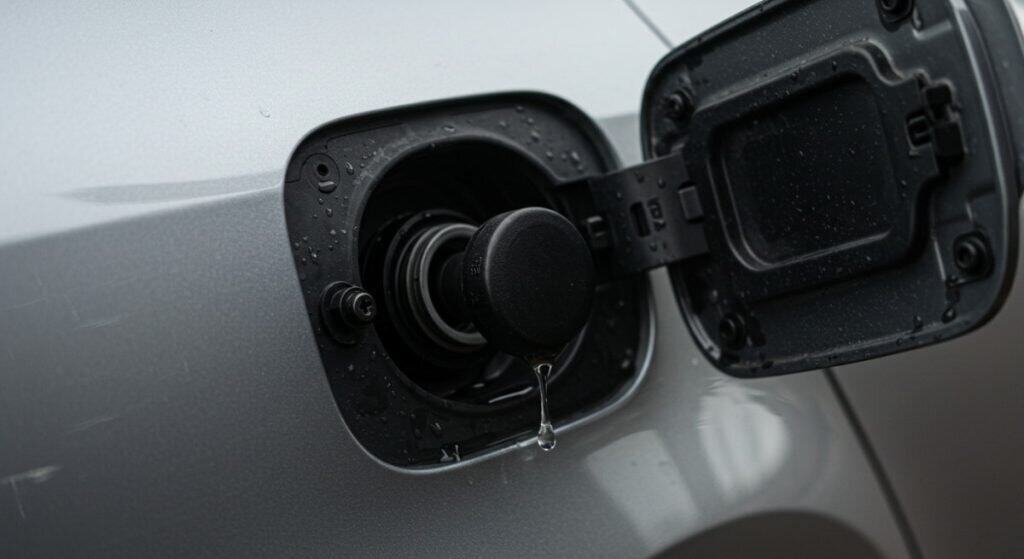
Raw fuel odor usually comes from one of a few predictable places. The simplest—and most common—is a loose or faulty gas cap. Modern fuel systems rely on a tight seal, and if vapors escape, you’ll smell them, especially after refueling. Sometimes, the check engine light will join in with an EVAP system code. A new cap is an easy fix if the rubber seal looks cracked or worn.
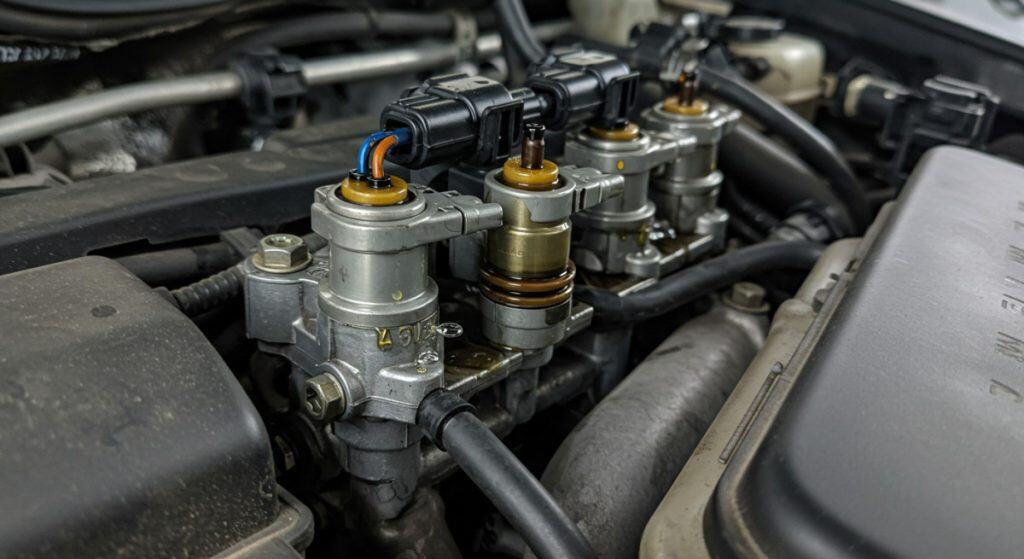
If the smell seems to come from the engine bay, leaking injectors are worth suspecting. Worn O-rings can allow a fine mist of fuel to escape around the injector base, which then evaporates and fills the air with fumes. Warm restarts may feel sluggish, and you might spot damp spots around the rail. This is not something to leave unchecked since leaks near hot engine components are a fire hazard.
A little less obvious is the EVAP system itself. This emissions setup captures fuel vapors and stores them in a charcoal canister until the engine can burn them off. Cracked hoses, faulty purge valves, or a saturated canister can all release vapors into the air. You’ll often notice the smell near the rear of the car, or right after a fill-up, and modern vehicles usually log a diagnostic trouble code to confirm it.
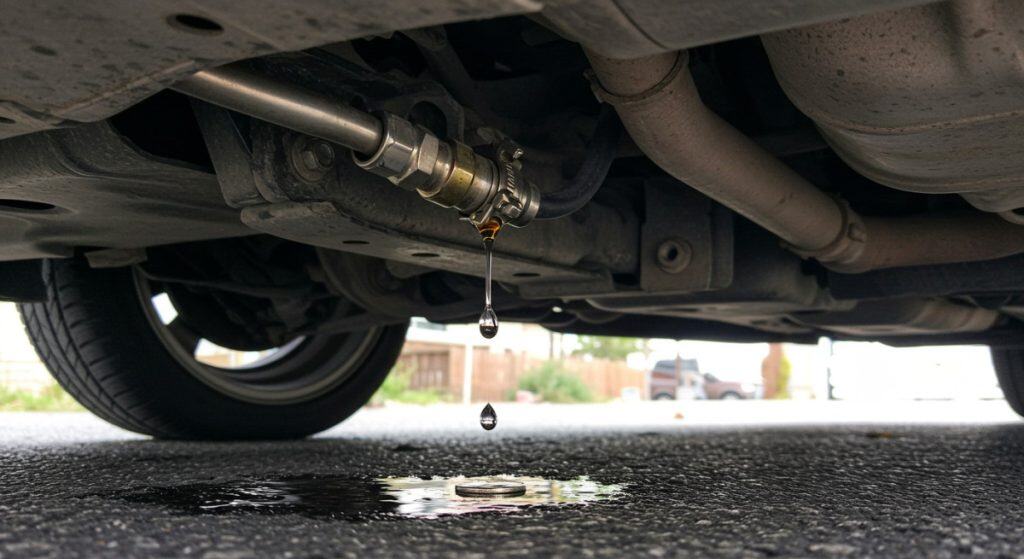
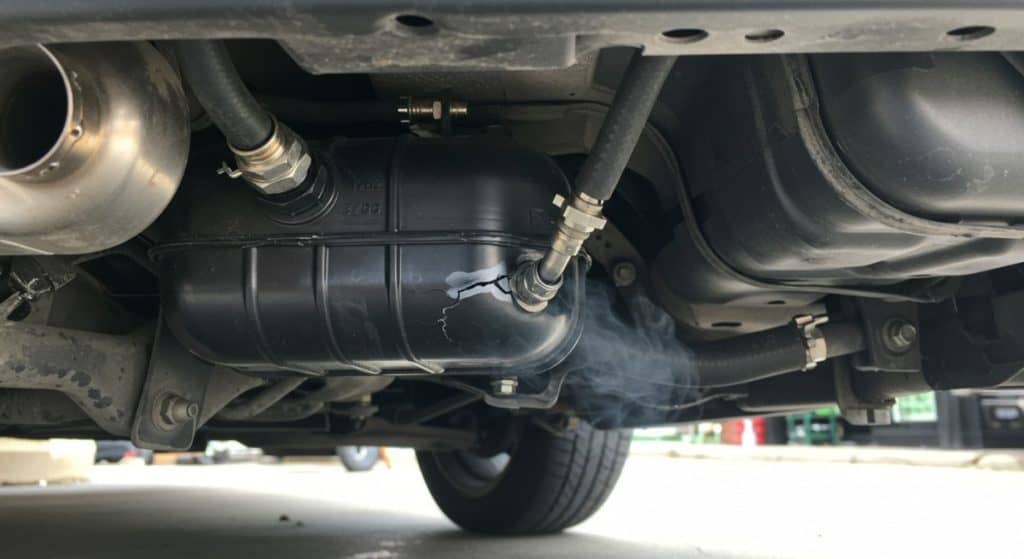
More serious still are fuel line or tank leaks. If you ever see damp spots, drips, or smell raw gas strongest under the car, park it immediately and arrange a tow. Driving with an active fuel leak is unsafe for you and everyone else on the road.
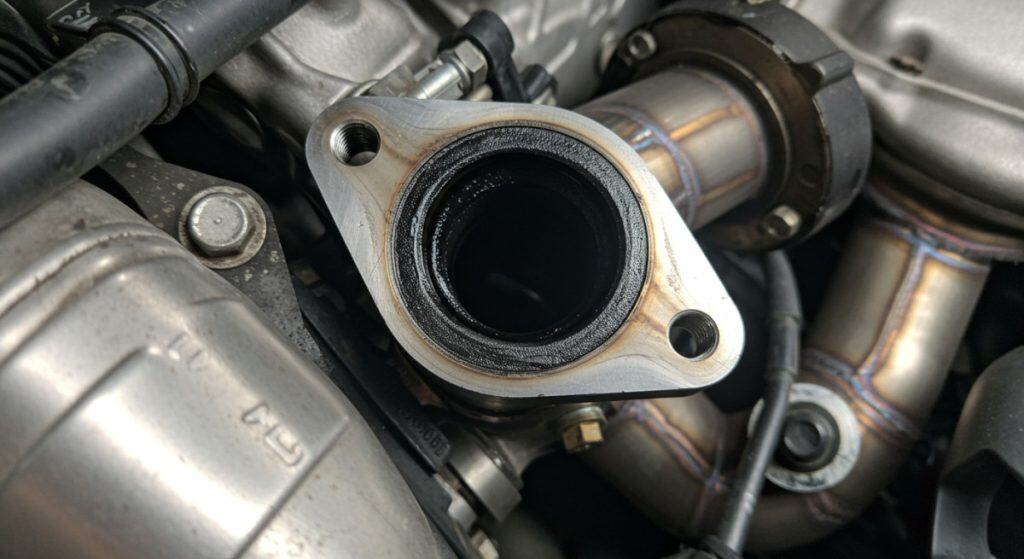
Lastly, what seems like a fuel smell can sometimes be an exhaust leak. If exhaust gases escape before the catalytic converter, they carry a “gassy” raw-fuel odor into the cabin. You may also hear a ticking sound at startup and notice the smell is stronger with windows down at idle. Exhaust leaks aren’t just about smell—they can allow carbon monoxide into the cabin, which is a real health hazard.
Playing Detective at Home
You don’t need a full workshop to narrow down these smells. Start by noting when the odor shows up: only while idling, only with the A/C running, just after braking, or right after filling the tank. Then pay attention to where it’s strongest—engine bay, wheel area, underbody, or cabin vents.
From there, a simple visual inspection goes a long way. Look at the serpentine belt and tensioner, check for debris near the exhaust, glance at brake rotors after a drive, and peek under the car for wet spots. If you own a basic OBD-II scanner, pull codes to see if an EVAP leak is flagged. Often, just piecing these clues together is enough to know whether you’re looking at a minor issue or a bigger problem.
When to Park It and Call a Tow
Some situations aren’t worth gambling on. If you see raw gas dripping, if smoke is coming from a wheel or engine bay, if a belt has shredded and you’ve lost power steering or charging, or if the engine starts overheating with an odor present, shut the car down immediately. Tow it to a shop rather than risk driving further.
Preventing Smelly Surprises
A few simple habits reduce the odds of ever smelling burning rubber or gas in the first place. Replace belts and tensioners at recommended intervals. Don’t overfill the tank—“topping off” stresses the EVAP system. Keep splash shields and fender liners intact so debris stays clear of the exhaust. After major brake or clutch jobs, a faint smell during break-in is normal, but it should fade quickly. And if you add aftermarket wiring, use proper loom and grommets to prevent insulation from rubbing through.
Related Resources:
- https://cluballiance.aaa.com/the-extra-mile/advice/car/my-car-smell-like-burning-rubber
- https://repairpal.com/obd-ii-code-p0457-evaporative-emission-system-leak-detected-fuel-cap-loose-off
- https://www.nhtsa.gov/press-releases/consumer-alert-kia-and-hyundai-park-outside
- https://www.cdc.gov/carbon-monoxide/about/index.html