 Skip to content

You track down a used car that looks like a solid deal. The price works, the mileage is reasonable, and the maintenance history looks clean. Everything seems to line up. Then you call for an insurance quote, and suddenly the monthly premium stops you in your tracks.
Why would an older, cheaper car cost so much to insure?
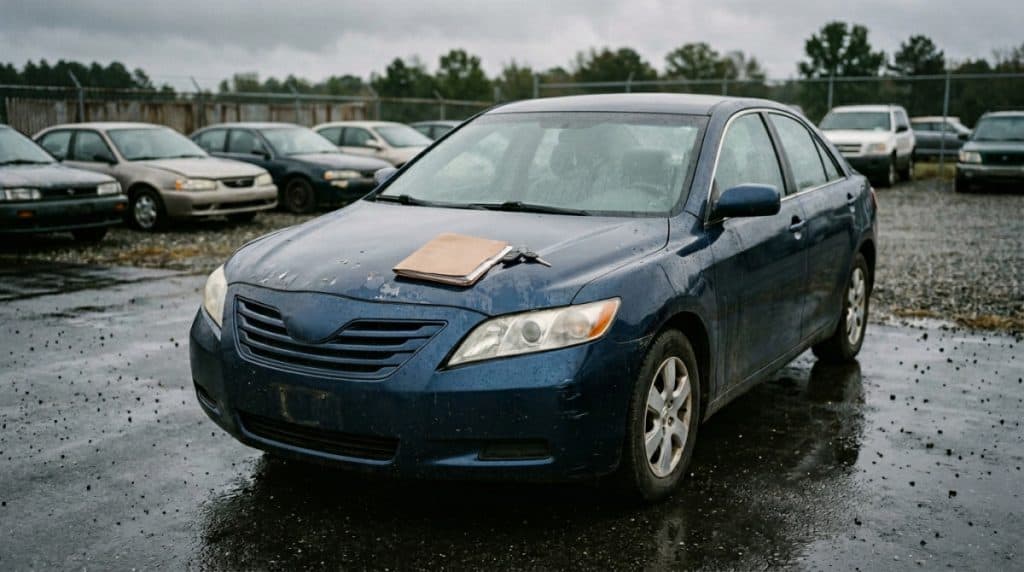
Most drivers assume it all comes down to age, driving record, or ZIP code. Those things still matter, but they are not the whole story anymore. More and more, insurance premiums are also being shaped by one thing your older car might be missing: modern crash-avoidance technology.
This matters right now because the federal government recently finalized a major rule. By September 2029, Automatic Emergency Braking, or AEB, will be required on all new passenger vehicles. On paper, that sounds like great news. Safer new cars should mean fewer crashes and fewer injuries for everyone. But there is another side to the story.
As newer vehicles get smarter, older vehicles can start looking riskier to the companies insuring them. That can affect what you pay, especially on the liability side of your policy. So even if your older car is physically simpler and cheaper to fix, keeping it on the road could still become more expensive over time.
Here is a closer look at what is changing, why it matters, and what used car shoppers should pay attention to before handing over any cash.
What the 2029 AEB Rule Actually Means
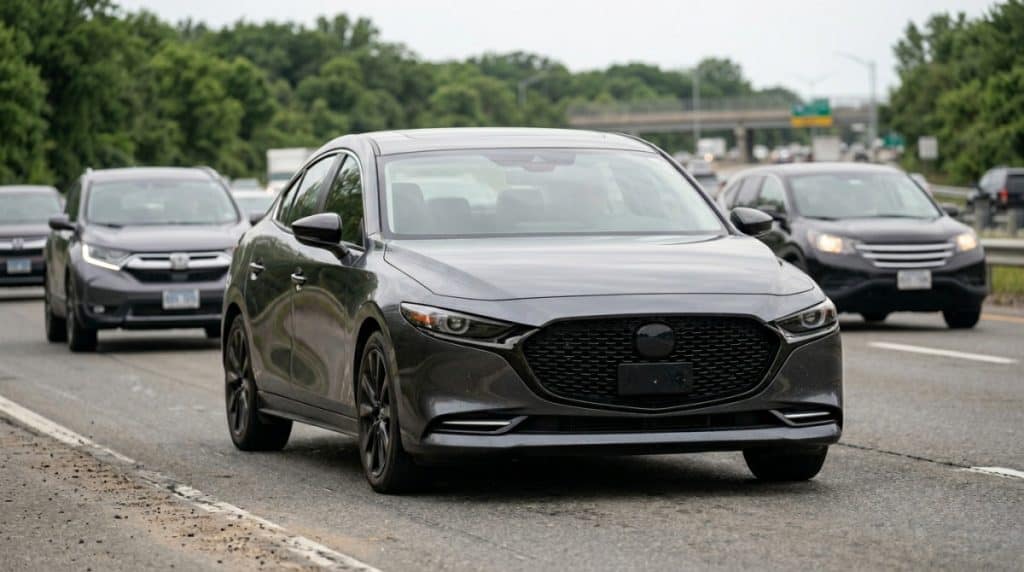
By the fall of 2029, every new passenger car and light truck sold in the U.S. will need to come with Automatic Emergency Braking from the factory.
AEB is designed to detect an upcoming crash and automatically apply the brakes if you do not react in time. This new rule is not just about preventing low-speed parking lot bumps. The technology is expected to handle more demanding situations, including pedestrian detection and nighttime use.
This is a big shift for the auto world. For years, features like AEB were treated as premium add-ons. You usually had to move up to a higher trim level to get them. Now, they are becoming part of the baseline. That means the average new car entering the market will be safer and more tech-heavy than many of the older cars sharing the road.
That is good news for safety. It gets more complicated once you start looking at repair costs, insurance risk, and used car values.
You can check more detailed info here 2029 AEB Mandate Explain.
Why Modern Safety Tech Changes Insurance Math
Insurance companies care about two basic things. They want to know how often crashes happen, and how expensive those crashes are to fix.
AEB helps reduce crash frequency. That is the upside. The expensive part is that modern vehicles are now packed with sensors, cameras, radar units, and software that all have to work together. Because of that, even a minor fender bender can turn into a much larger repair bill than many drivers expect.
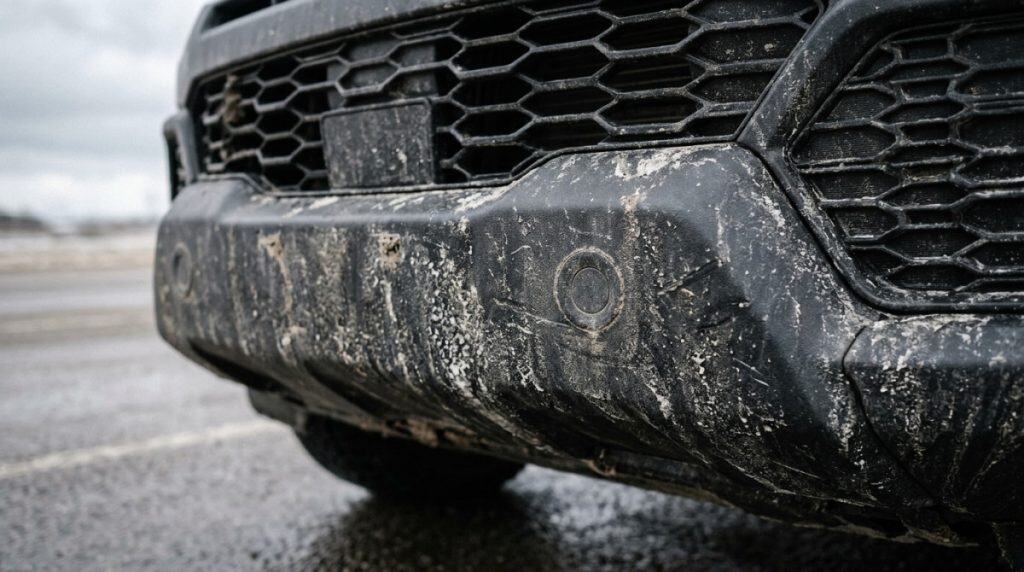
This changes how insurers look at risk. An older car might be cheaper to fix if someone hits it. But if that older car is more likely to rear-end a newer vehicle packed with expensive electronic hardware, the liability side starts to look different.
That is where this conversation starts to matter for anyone shopping for a used car.
How Your Car “Sees” the Road
AEB does not work through one simple part. It depends on a network of components that help the car monitor what is happening around it. Here are the main ones:
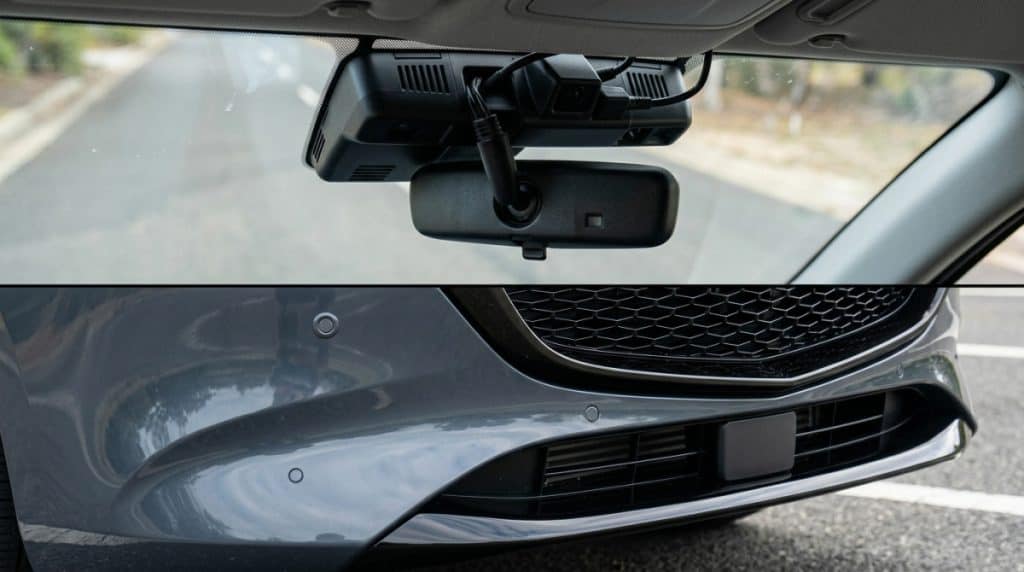
Radar: Often hidden behind the front grille or brand emblem, radar helps the car judge distance and closing speed. It works well in the dark and usually handles bad weather better than a camera alone.
Forward-facing camera: You will usually find this near the top of the windshield, tucked behind the rearview mirror. This camera helps the car recognize lane markings, other vehicles, pedestrians, and other visual details.
Ultrasonic sensors: These are the small round circles you often see on front and rear bumpers. They are mostly used for parking and close-range detection, but they are still part of the broader safety system on many modern vehicles.
Most newer cars combine information from several of these sources. The industry calls this sensor fusion. In simple terms, the car compares data from the radar and cameras to figure out what is actually in front of it and whether it needs to brake.
It is impressive technology. It also means repairs are no longer just about replacing a dented panel and spraying fresh paint.
Why Small Repairs Are Getting So Expensive
This is where a lot of everyday drivers get caught off guard.
A minor fender bender used to be annoying, but manageable. You needed a new bumper cover, some paint work, maybe a foam absorber, and you were done. Today, that same bump can damage far more than just the plastic you see on the outside.
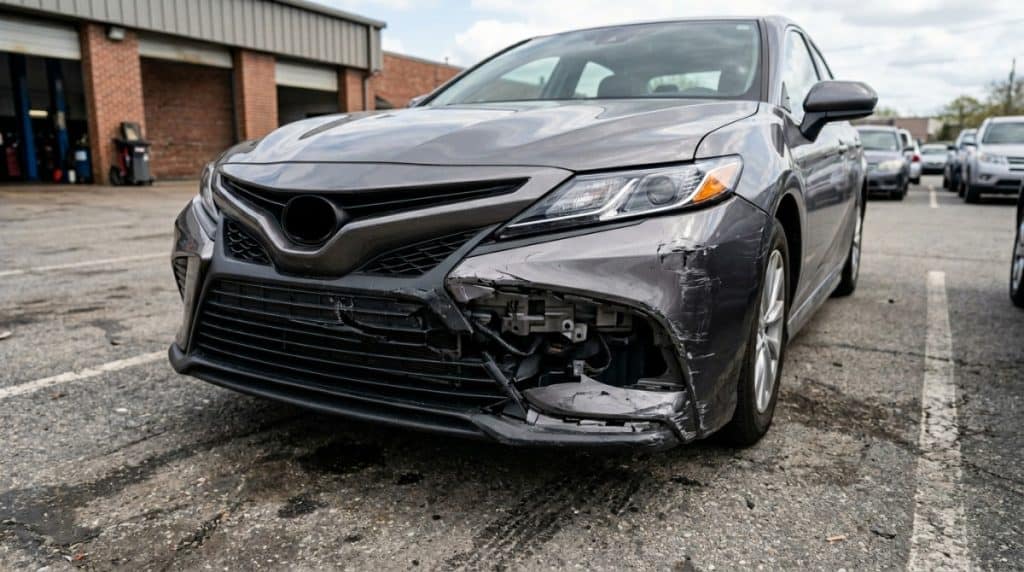
A radar sensor may be sitting behind that cracked grille. Parking sensors may be built into the damaged bumper. Wiring harnesses may run through the same area. Even a modern headlight assembly can be much more expensive than people expect. A small impact that once meant a modest repair bill can now turn into a much larger invoice.
The same idea applies to windshields. Replacing a windshield on a 2010 sedan was mostly a glass job. On newer vehicles, the windshield can be part of the safety system because the forward-facing camera looks through it. Once that windshield is replaced, the camera may need to be recalibrated so the safety systems can work properly again. That extra labor and specialized equipment adds cost quickly.
Cleared Does Not Mean Calibrated
This is one of the biggest things people miss with modern safety tech. After certain repairs, especially windshield replacement or front bodywork, ADAS calibration is often required. ADAS stands for Advanced Driver Assistance Systems.
That calibration is not just a dealership formality. The car’s sensors and cameras need to be aligned correctly so features like AEB or lane keeping assist can read the road the way they should. Even a small alignment error can affect how the system reacts in an emergency.
If a body shop replaces a damaged bumper, clears the warning light, and hands you back the keys without proper calibration, the system may not work the way it should. For owners of newer cars, that is an important question to ask after a repair. For insurers, it is another step that adds labor, time, and cost to everyday claims.
So Why Would an Older Car Cost More to Insure?
This is the part that feels backward. Older cars are simpler and cheaper to fix, so why would their insurance get more expensive?
The answer usually has more to do with liability coverage than collision coverage.
Collision coverage: This covers physical damage to your own car. On an older vehicle, collision coverage can sometimes be cheaper because the car has a lower cash value and simpler repair needs.
Liability coverage: This covers the medical bills and property damage you cause to other people.
Picture a normal situation. You are driving an older car without AEB in stop-and-go traffic. You look away for a second to change the radio station and tap the vehicle in front of you.
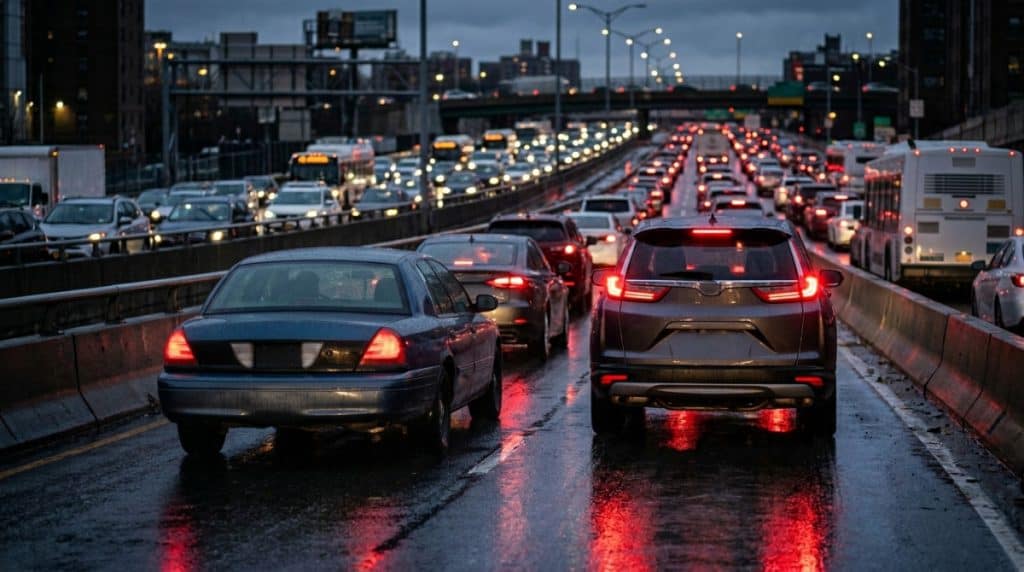
Your own car might need a fairly simple repair. But the newer SUV you hit might need new bumper sensors, camera work, wiring repairs, and a full system recalibration. What looks like a small, low-speed bump can turn into a much more expensive claim than many drivers expect.
That is why older vehicles can start looking riskier to insurers. It is not always about how much your car costs to fix. It is also about what your car is more likely to hit, and how expensive that modern vehicle is to repair.
Newer Cars Save Crashes but Cost More to Repair
This is the balancing act the auto market is trying to sort out right now. Newer vehicles with AEB can reduce accidents, which insurers like. But when those cars do need repairs, the bills can be high, which insurers do not like.
Older vehicles might be cheaper to repair, but they lack some of the crash-avoidance systems that help prevent those accidents in the first place. Because of that, the market ends up splitting in an interesting way.
Newer vehicles may qualify for safety-related discounts because they help avoid crashes. Older vehicles avoid some of the high-tech repair costs on their own bodywork. At the same time, older vehicles can still get penalized on the liability side because they are missing safety tech that is becoming standard.
That is the tension used car buyers need to keep in mind.
Weather and Real-World Limitations Still Matter
None of this means modern safety systems are perfect. Cameras can be affected by heavy rain, road salt, snow, or strong glare. Radar can also struggle in some conditions. If you drive in bad weather, you may have seen dashboard warnings telling you that a safety feature is temporarily limited or unavailable.
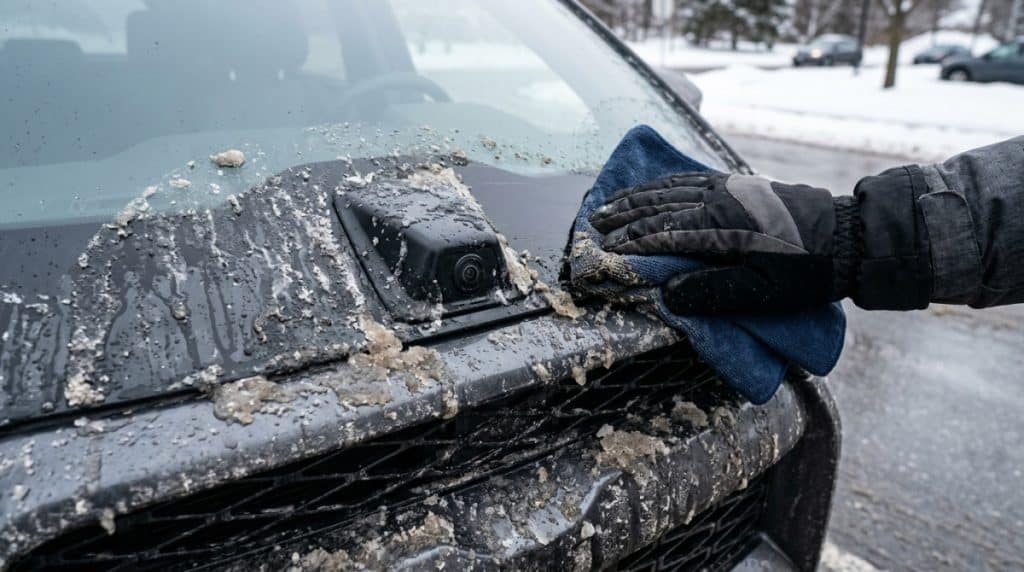
That matters for two reasons. First, drivers still need to stay engaged behind the wheel. These systems are helpful, but they do not replace attention. Second, even though the technology is useful, it is still another system that can be interrupted or require service. Safety tech adds real benefits, but it also adds real ownership complexity.
What This Could Mean for Used Car Values
Insurance trends do not stay isolated forever. They usually make their way into the used car market too. As more shoppers realize that AEB and other driver-assist features can affect insurance costs, those features become more valuable in the used market.
That does not mean older cars suddenly become bad buys. Not at all. Plenty of older vehicles are still smart, reliable choices. But over time, more buyers may start favoring used models that already include features like:
- Automatic Emergency Braking
- Blind spot monitoring
- Lane keeping assist
- Rear cross traffic alert
This shift could gradually put downward pressure on the resale values of older cars that do not offer these features. A reliable 2015 sedan can still make a lot of sense today, but it may not hold value in the same way a similar 2019 model with better safety tech does.
What Used Car Shoppers Should Do Right Now
Here is the practical takeaway for your next car search.
If you are buying an older budget car
Do not panic. Older cars can still be the right move, especially if you are paying cash and buying a model known for being dependable. Just do not assume insurance will be cheap simply because the car is old. Get a few quotes before you buy. That one step can save you from a frustrating surprise.
If you drive a lot or commute in heavy traffic
It may be worth stretching your budget a bit toward a newer used vehicle that already has AEB and other modern safety features. That tech can help with day-to-day peace of mind, future resale value, and possibly insurance costs.
If you already own a newer vehicle
If you ever need a front-end repair or a windshield replacement, ask the body shop whether the relevant ADAS systems were properly calibrated. That is not being picky. It is part of making sure the safety tech you paid for can actually do its job.
Bottom Line
The move toward mandatory AEB is a big win for road safety. Fewer crashes and fewer injuries are good for everyone on the road. But there is a real financial tradeoff.
As new cars become smarter and more dependent on sensors, they also become more expensive to repair. At the same time, older cars without those systems can start to look riskier to insurers, especially when liability costs are involved.
That does not mean older used cars are suddenly bad buys. It just means the old way of judging a used car by price, mileage, and maintenance history alone is not enough anymore. Safety tech now plays a bigger role in insurance costs, repair bills, and long-term value than many buyers realize.
So before you hand over the cash for your next used car, do one extra thing: check the insurance quote before you get too attached to the listing.
FAQ
Will older used cars automatically become hard to insure?
Not automatically. Many older used cars will still be easy to insure. However, some may carry higher liability costs than buyers expect because they lack modern crash-avoidance features.
Does AEB always lower insurance costs?
Not always across the board. Vehicles with modern safety features can look less risky to insurers in some situations, but your final premium still depends on your driving history, location, and the specific vehicle model.
Are newer cars always the better buy because of safety tech?
Not necessarily. A newer car may offer better safety features, but it can also come with a higher purchase price and potentially higher repair bills after an accident. The better buy depends on your budget, driving habits, and insurance quote.
Should I avoid older cars without AEB?
No. You just need to shop smarter. An older car can still be a great value, especially if it is reliable and affordable to maintain. Just make sure you verify the insurance costs before buying.
Related Resources:
- Federal Motor Vehicle Safety Standards; Automatic Emergency Braking Systems for Light Vehicles
- NHTSA Finalizes Key Safety Rule to Reduce Crashes and Save Lives
- Front crash prevention slashes police-reported rear-end crashes
- Effects of automatic emergency braking systems on pedestrian crash risk
- Compendium of HLDI collision avoidance research


