 Skip to content

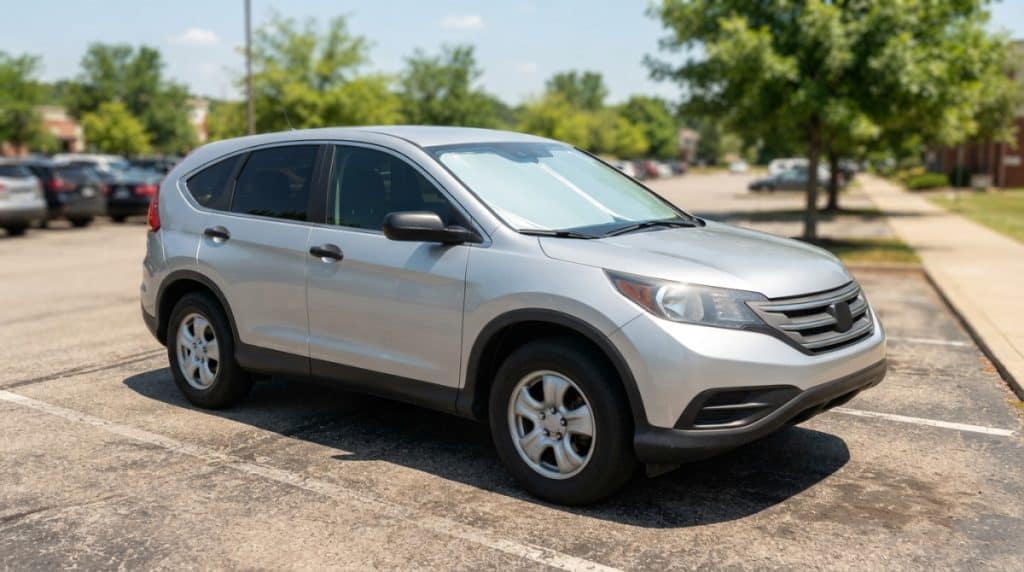
A car parked in the summer sun can heat up fast. The dashboard becomes painful to touch, the steering wheel feels like it has been sitting under a heat lamp, and the AC has to work hard just to make the cabin tolerable again.
Two of the most common ways to reduce that heat are a windshield sunshade and window tint.
They are often treated like competing products, but they do different jobs. A sunshade creates a temporary barrier across the windshield while the car is parked. Tint reduces solar energy through every treated window and keeps working while the vehicle is moving.
So which one actually keeps the car cooler?
Quick Answer: Which Keeps Your Car Cooler: Sunshade or tint?
A properly fitted reflective windshield sunshade is usually the better low-cost option for protecting the dashboard, steering wheel, touchscreen, and front seats while the car is parked.
Window tint provides broader protection because it works through the side and rear windows as well as any other legally treated glass. It also reduces glare and the feeling of direct sunlight while driving.
For drivers who regularly park outside in hot weather, the best practical setup is usually legal heat-rejecting window tint combined with a reflective windshield sunshade.
The simple difference is:
- Sunshade: stronger, targeted protection through the windshield while parked
- Window tint: broader, continuous solar control while parked and driving
- Both: the most complete everyday coverage
Why a Parked Car Gets So Hot
Sunlight passes through the vehicle’s glass and heats the surfaces inside.
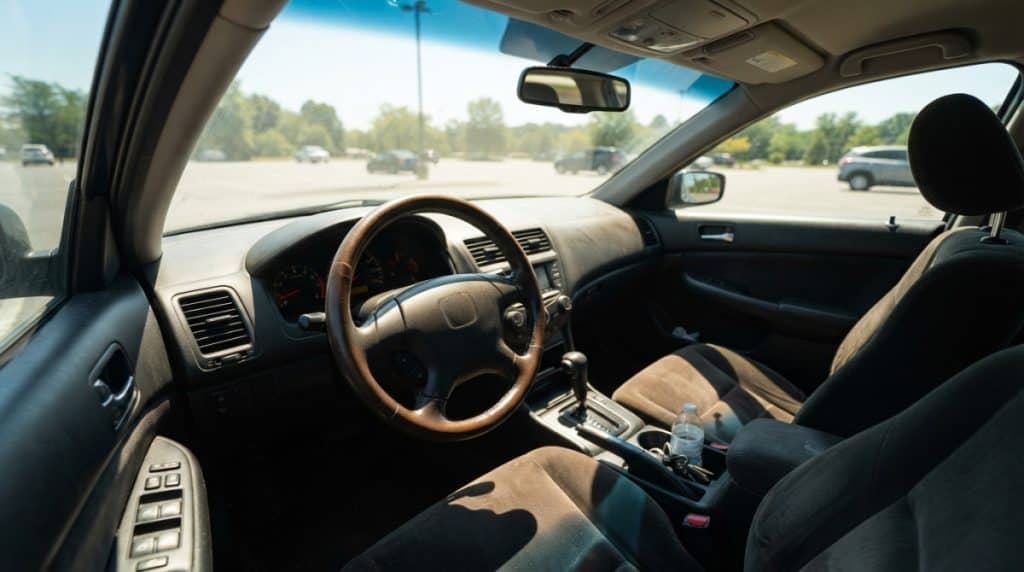
The dashboard, steering wheel, seats, center console, and floor absorb that energy. Once they become hot, they release heat into the surrounding cabin air.
The windshield is especially important because it is usually one of the largest pieces of glass on the vehicle. It also sits directly above the dashboard, allowing sunlight to strike the front interior surfaces for long periods.
That is why a windshield sunshade can make a noticeable difference even though it only covers one piece of glass. It blocks the most direct path between the sun and some of the hottest surfaces in the cabin.
Window tint takes a different approach. Instead of creating an opaque barrier, it changes how much solar energy passes through the treated glass.
How a Windshield Sunshade Works
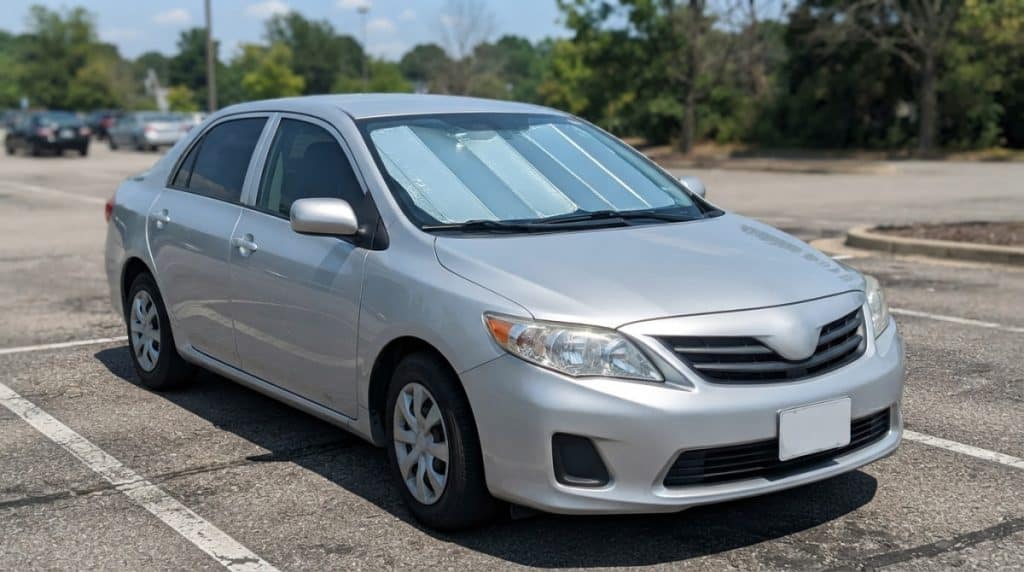
A windshield sunshade is a temporary barrier placed behind the windshield while the vehicle is parked.
Reflective shades send some solar energy back toward the glass instead of allowing it to reach the dashboard. Thicker or insulated shades may also slow heat transfer through the material.
The biggest benefit is surface protection.
A good sunshade can help keep the following areas from becoming as hot:
- Dashboard
- Steering wheel
- Touchscreen
- Front seats
- Gear selector
- Seat-belt buckles near the front cabin
Fit matters a lot. A shade that leaves wide gaps around the edges allows sunlight to continue hitting the dashboard and front seats.
A custom-fit shade usually provides better coverage than a universal one, but even an inexpensive shade can help when it covers most of the windshield.
In one Florida Solar Energy Center experiment, a conventional windshield shade reduced average interior-air temperature by about 15°F in the tested vehicles. The dashboard and other surfaces showed an even more noticeable benefit. That result came from one test setup, so it should not be treated as a guaranteed temperature drop for every vehicle.
A sunshade only works while it is installed, and it must be removed before driving.
How Window Tint Works
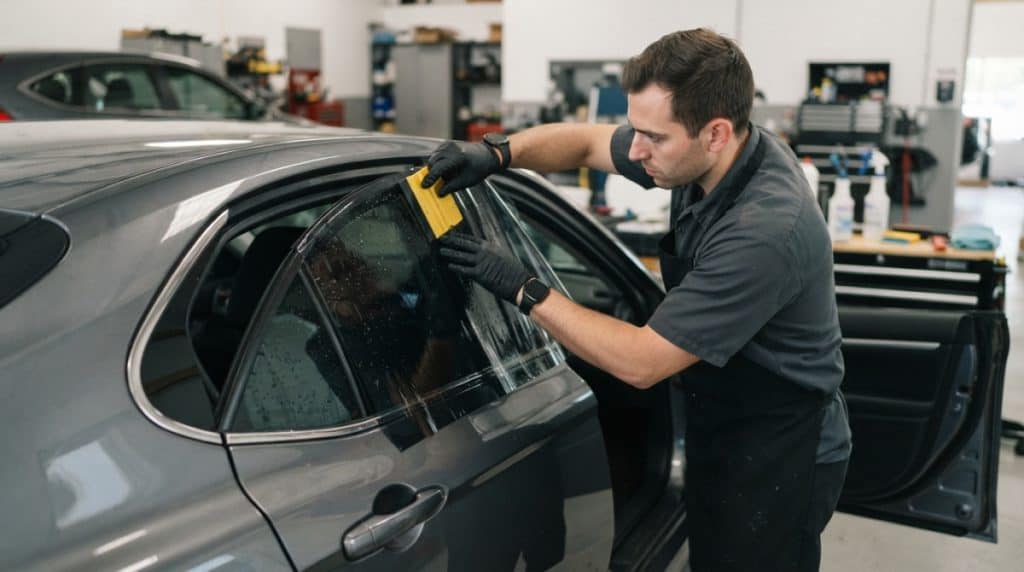
Automotive window film reduces how much solar energy passes through the treated glass.
Depending on the product, it may absorb or reflect portions of visible light, infrared energy, and ultraviolet radiation. Tint can be applied to the side and rear windows, giving it much broader coverage than a windshield shade.
It also stays in place while driving.
That means tint can:
- Reduce glare
- Reduce the feeling of sunlight on your skin
- Help protect interior materials
- Lower the solar load entering through treated windows
- Make it easier for the AC to maintain a comfortable cabin
Tint does not actively cool the vehicle. The cabin can still become dangerously hot while parked.
It simply slows part of the heat entering through the glass.
For a full explanation of tint materials, benefits, drawbacks, and installation, read our guide on whether tinting your car’s windows is worth it.
Darker Tint Does Not Always Mean Better Heat Rejection
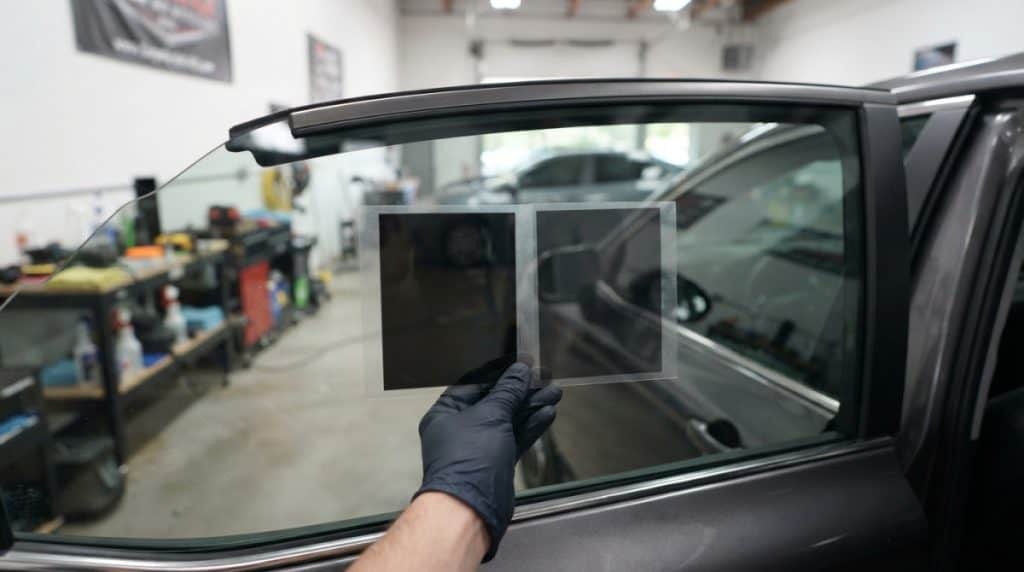
This is one of the most important things to understand when comparing tint products.
Visible Light Transmission, or VLT, tells you how much visible light passes through the glass and film. A lower VLT number normally looks darker.
However, visible darkness is not the same thing as heat rejection.
When comparing film, also look for specifications such as:
- Total Solar Energy Rejected: How much overall solar energy the glass-and-film combination rejects
- Infrared Energy Rejection: How much infrared energy is reduced under the manufacturer’s test method
- UV protection: How much ultraviolet radiation the product blocks
- Visible Light Transmission: How much visible light passes through
A light-looking high-performance film can reject more solar energy than a darker low-cost dyed film. Technical data from window-film manufacturers also shows that VLT and total solar-energy rejection are separate measurements.
UV protection is useful for reducing sun exposure and helping protect interior materials, but UV blocking alone does not tell you how well a tint controls cabin heat.
For heat reduction, total solar-energy performance is the more useful number.
Which One Keeps a Parked Car Cooler?
It depends on what part of the cabin you are trying to protect.
A windshield sunshade is highly targeted. It blocks direct sunlight from reaching the front interior and can make the dashboard and steering wheel much less uncomfortable.
Window tint provides broader coverage. It reduces solar energy through every treated window, including areas a windshield shade does not protect.
In practical terms:
- A sunshade may produce the more obvious improvement at the dashboard and front touchpoints.
- Tint may produce a more even improvement across the cabin when several windows are treated.
- Tint keeps working after you start driving.
- A sunshade creates a stronger barrier across the windshield but only while parked.
There is no universal temperature difference because performance changes with:
- Shade fit and material
- Tint quality
- Number of tinted windows
- Windshield and window size
- Vehicle body style
- Parking direction
- Length of sun exposure
- Exterior and interior colors
- Outdoor temperature and cloud cover
Research on vehicle thermal management supports both approaches. Reflective barriers are especially useful for reducing direct surface heating, while solar-control glazing can reduce the thermal load entering through a larger portion of the cabin.
Which Keeps the Dashboard and Steering Wheel Cooler?
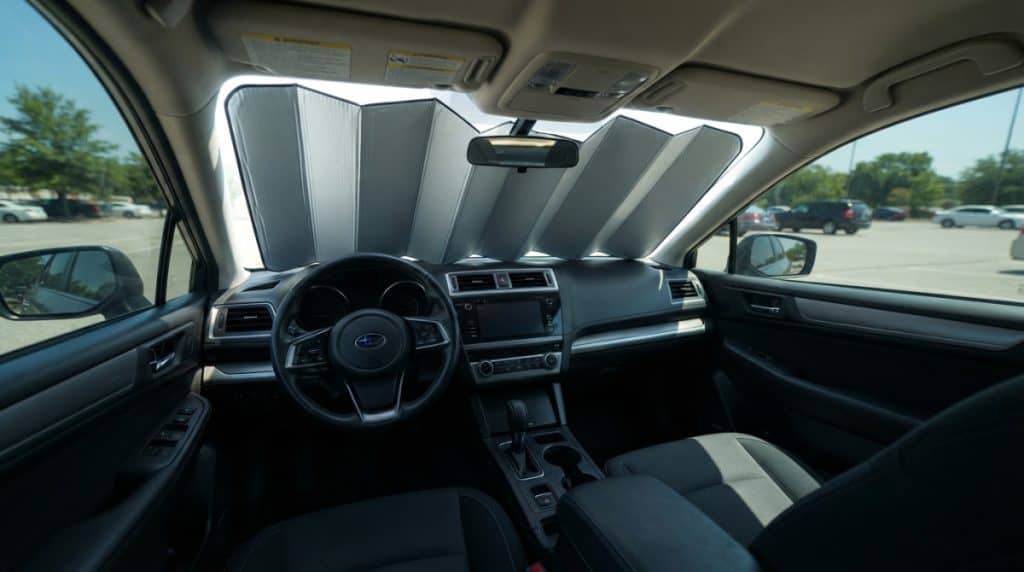
The windshield sunshade has the advantage here.
The dashboard sits directly behind the windshield, so an opaque or reflective shade blocks the sunlight before it reaches the surface.
Tint can reduce the amount of solar energy passing through the glass, but it must remain transparent enough for safe and legal driving. It does not create the same full barrier as a parked sunshade.
A close-fitting reflective shade can help prevent:
- A painful steering wheel
- An overheated dashboard
- A scorching touchscreen
- Hot front-seat surfaces
- Direct sunlight fading the front interior
If your main complaint is that the steering wheel and dashboard become unbearable while the car is parked, the sunshade is the more direct solution.
Which Works Better While Driving?
Window tint wins this category because a windshield sunshade cannot stay in place while the car is moving.
Tint continues reducing solar load and glare throughout the trip. It can be especially helpful for drivers and passengers seated beside side windows.
This matters during:
- Long commutes
- Road trips
- Late-afternoon driving
- Low-angle sun exposure
- Hot-weather traffic
- Trips with rear passengers
A quality film may make the sunlight feel less intense on your skin and help the AC maintain the selected cabin temperature.
It does not eliminate the need for AC, but it may reduce how much solar heat the climate-control system has to fight.
Sunshade vs. Window Tint: Direct Comparison
| Category | Windshield sunshade | Window tint |
|---|---|---|
| Best use | Parked vehicle | Parked and moving vehicle |
| Main coverage | Front windshield | Every legally treated window |
| Dashboard protection | Strong | Depends on film and windshield coverage |
| Side-window protection | No | Yes |
| Works while driving | No | Yes |
| Setup | Installed each time you park | Permanently applied |
| Upfront cost | Usually lower | Usually higher |
| Storage needed | Yes | No |
| Legal concerns | Must be removed before driving | Regulated by state law |
| Privacy | Only while installed | Continuous, depending on VLT |
| Main advantage | Affordable, targeted protection | Broad, always-active solar control |
Product quality and coverage can change the result. A poor-fitting shade or low-performance tint may offer less benefit than a better-designed alternative.
Which Is Better for Georgia Summers?
Georgia summers bring strong sunlight, high temperatures, and humidity.
A sunshade makes sense when the car spends long periods parked outside, especially if the windshield faces the sun. It is an inexpensive way to protect the dashboard and make the front cabin easier to enter.
Window tint makes sense when sunlight enters through the side windows during daily driving. It offers a broader, more permanent layer of protection and may make the cabin easier to maintain once the AC is running.
For many Georgia drivers, the best setup is:
- Legal heat-rejecting tint on the permitted side and rear windows
- A reflective windshield sunshade while parked
- Brief ventilation before turning the AC to recirculation
For the quickest way to cool the cabin after you return, use the routine in our guide to AC vs. windows down once that article is live.
Cost and Convenience
Windshield Sunshade
A sunshade is usually the cheaper and simpler choice.
Advantages include:
- No professional installation
- Easy to replace
- Can be moved between vehicles if it fits
- Provides immediate windshield coverage
- Useful for leased or temporary vehicles
The downside is daily effort. You have to install it every time you park, remove it before driving, fold or roll it, and find somewhere to store it.
A sunshade that is inconvenient may end up unused, which makes even a high-quality product ineffective.
Window Tint
Window tint costs more because it is a long-term modification and professional installation is usually the safer option.
A properly installed film can last for years. Poor installation may lead to:
- Bubbles
- Peeling edges
- Trapped dust
- Uneven appearance
- Distortion
- Damage during removal
The benefit is convenience. Once installed, tint works without any daily setup.
What About UV and Interior Protection?
Both options may help protect the interior, but they cover different areas.
A windshield sunshade mainly protects the surfaces behind the windshield. Tint can protect areas beside every treated window.
This may help slow:
- Dashboard fading
- Drying and discoloration
- Upholstery wear from direct sunlight
- Cracking of some interior materials
- Sun exposure on passengers
Do not assume that the darkest tint provides the strongest UV or heat protection. Check the actual product specifications.
Also remember that no sunshade or tint protects every surface equally. Sunlight changes direction throughout the day, and gaps in coverage still matter.
Is Window Tint Legal in Georgia?
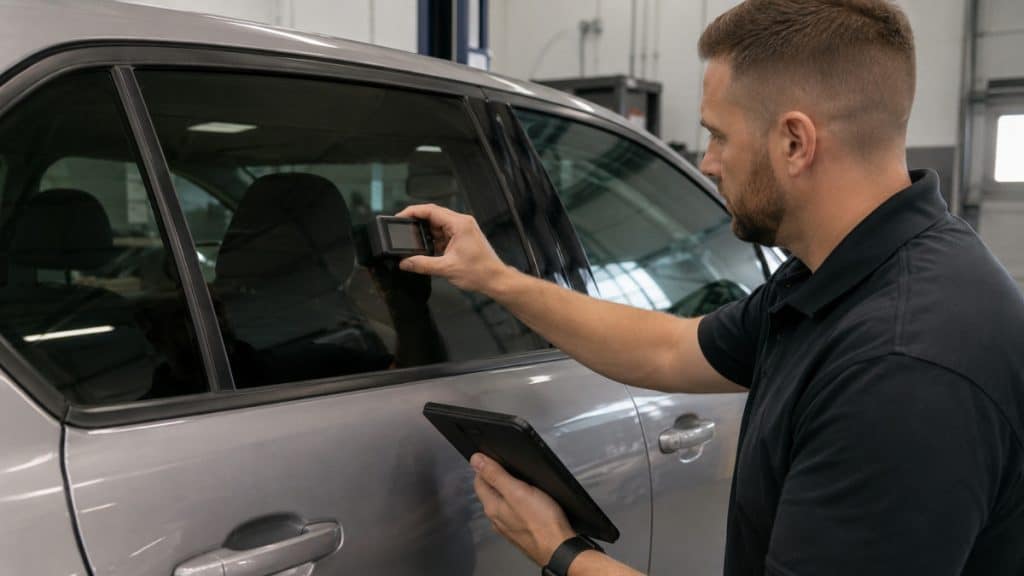
Georgia law generally requires regulated side and rear windows on standard passenger vehicles to allow at least 32% visible light transmission, with a tolerance of plus or minus three percentage points.
Material that reduces windshield light transmission is generally not permitted, apart from specific exceptions such as the uppermost six inches. Reflectance is also regulated.
Vehicle type and medical exemptions can change how the rules apply, so confirm the current requirements before installation. Georgia updated its medical-exemption process information in 2026.
A reputable installer should measure the final glass-and-film combination rather than looking only at the number printed on the film box.
The existing glass already has its own light-transmission properties, so adding “32% film” does not automatically produce a legal 32% final reading.
For more on factory windshield color and the darker band near the top, read why windshields are color-tinted at the top.
Why Not Use Both?
For drivers who regularly park outside, using legal window tint and a windshield sunshade together is often the most practical solution.
Tint reduces solar energy through the treated side and rear windows and continues working while you drive. The sunshade adds a more complete barrier across the windshield while the car is parked, helping protect the dashboard, steering wheel, touchscreen, and front seats.
Together, they cover more of the vehicle’s glass and handle both parked-car heat and on-road sun exposure.
Using both makes the most sense when:
- The vehicle is parked outdoors most days
- The car has a large windshield
- Strong sunlight enters through several windows
- The interior has dark seats or dashboard materials
- Rear passengers regularly sit beside sunny windows
Using both may be unnecessary if the vehicle is usually parked in a garage or covered area.
Neither option makes a closed parked car safe for children, pets, or vulnerable passengers. The cabin can still reach dangerous temperatures, even with tint and a sunshade.
Which One Should You Choose?
Choose a Windshield Sunshade When:
- You want the lowest-cost option
- The dashboard and steering wheel are the main problem
- You park outside only occasionally
- You do not want a permanent modification
- The vehicle is leased
- You want something you can install immediately
Choose Window Tint When:
- You drive frequently in strong sunlight
- Heat and glare enter through the side windows
- You want a permanent solution
- You regularly carry rear passengers
- You want privacy as well as solar control
- You are willing to pay for professional installation
Use Both When:
- The car stays outdoors most days
- The windshield receives strong direct sun
- The side windows also contribute noticeable heat
- You want parked protection and on-road comfort
- You live in a consistently hot, sunny area
Common Sunshade and Tint Mistakes
Buying a Sunshade That Is Too Small
Large gaps let sunlight continue hitting the dashboard. Measure the windshield or choose a vehicle-specific shade.
Installing the Shade Backward
Follow the manufacturer’s instructions. Reflective surfaces are usually intended to face the windshield and incoming sunlight, but product designs vary.
Choosing Tint Based Only on Darkness
Dark-looking film is not automatically the best at rejecting heat. Compare VLT with total solar-energy performance.
Ignoring the Existing Glass
The final legal VLT is based on the glass and film together, not the film by itself.
Using a Dark Heat-Absorbing Shade
A dark material may block visible light while absorbing heat. Reflective design, insulation, and fit all matter.
Assuming Either Product Keeps the Car Safe
A shade or tint may slow heat gain, but neither makes a parked vehicle safe for occupants.
Leaving the Sunshade in Place While Driving
Remove anything that blocks windshield visibility before moving the vehicle.
Expecting Tint or a Shade to Fix Weak AC
Reducing solar load may help the AC, but it cannot repair refrigerant leaks, poor airflow, or failing components. Read our guide on how to troubleshoot a vehicle’s air conditioner if the cabin stays warm after normal driving.
Frequently Asked Questions
Is a sunshade better than ceramic tint?
For direct dashboard protection while parked, a sunshade may be more effective. Ceramic or other high-performance tint provides broader protection and works while driving.
Does window tint make a sunshade unnecessary?
Not necessarily. Tint reduces solar energy through the glass, while a sunshade creates a more complete barrier across the windshield during parking.
Does darker tint always block more heat?
No. Visible darkness and total solar-energy rejection are different measurements. Compare the tested specifications of the film.
Do reflective sunshades work better?
Reflective shades are designed to redirect solar energy. Fit, coverage, insulation, and construction also affect performance.
Can a sunshade damage window tint?
A shade normally sits against the windshield, not the tinted side windows. If the windshield has any legal film or coating, avoid sharp edges and follow the installer’s care instructions.
Is a sunshade worth using for a short stop?
It can be, especially in direct summer sun. The easier it is to install and store, the more likely you are to use it consistently.
Will either option reduce how hard the AC works?
Reducing the solar heat entering the cabin can help the AC reach and maintain a comfortable temperature more easily. The amount of improvement depends on the vehicle, product, coverage, and weather.
What if my car already has factory privacy glass?
Factory-darkened glass does not automatically provide the same heat-rejection performance as aftermarket solar-control film. Check the glass specifications and have an installer measure the final VLT before adding film.
Choosing Your Heat Protection
A windshield sunshade is the better tool for one specific job: blocking direct sunlight through the windshield while the car is parked.
Window tint is the better all-day solution because it works across every treated window and continues helping while you drive.
For drivers who regularly park outdoors in hot Georgia weather, the strongest setup is not one or the other.
Use tint for the glass you drive with. Use a sunshade for the windshield you park behind.
External Resources
- Georgia Department of Public Safety: Georgia’s Window Tint Law
- Georgia Secretary of State: Window Tinting Requirements
- Georgia.gov: Medical Exemption for Window Tinting
- Florida Solar Energy Center: Analysis of Radiant Barrier Car Shade Performance
- SAE International: Impact of Different Types of Glazing on Thermal Comfort
- 3M: Automotive Window Film Technical Data
- NHTSA: Summer Driving and Hot-Car Safety


