 Skip to content

Winter does not break trucks in creative ways. It usually breaks them in boring, predictable ways.
Fluids get thick or freeze. Moisture turns into ice. Batteries get weak. Then one small problem snowballs into a no-start, a gelled fuel filter, frozen air lines, or a truck that technically runs but refuses to cooperate.
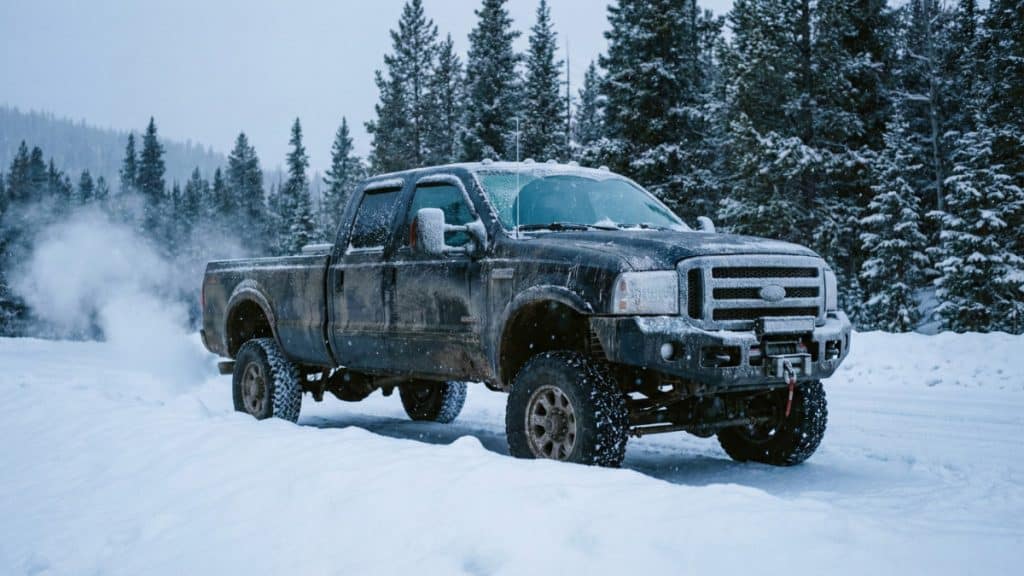
This guide is built to help you stay ahead of that. It is not “buy a thousand products and pray.” It is a simple winter routine that works for diesel pickups, work trucks, and heavy duty rigs, with just enough detail to explain the why without turning into a textbook.
Who this is for
If you drive a diesel pickup or a work truck, this checklist focuses on what actually strands people in winter: cold starts, fuel issues, batteries, coolant, corrosion, tires, and emergency readiness. If your truck uses DEF, we cover the winter rules that keep you out of trouble.
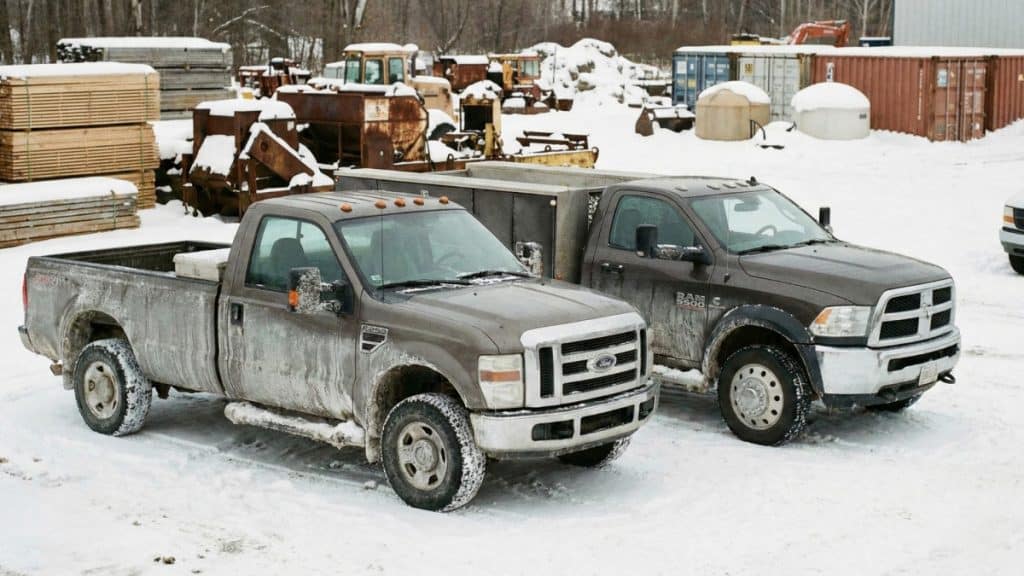
If you run medium-duty (box truck, dump truck, service truck), most of this still applies, but you also need to think about heavier electrical loads, longer idle time, and how hard winter is on connectors and wiring.
If you run Class 8 or anything with air brakes, treat the air system as life support. When moisture freezes in air valves, things get dangerous fast.
The idea behind winter reliability (so the checklist makes sense)
Winter reliability is a systems problem. The engine, fuel, coolant, electrical system, air system (if equipped), and even tires all interact. A weak battery makes cranking slower. Slow cranking makes combustion weaker. Weak combustion makes starts longer. Longer starts strain the starter and cables. Cold fuel and wax crystals push a marginal fuel filter over the edge. Then you are stuck wondering why it ran yesterday.
So instead of doing random winter “tips,” we are going to handle this in order:
- The quick daily walkaround
- The pre-winter prep that prevents 80% of breakdowns
- The weekly routine that keeps small problems from growing
- The cold snap protocol for sudden temperature drops
- A buyer-friendly used truck checklist for winter shoppers
- A winter emergency kit that is actually realistic
Quick start: the 10-minute winter walkaround (before every cold shift)
This is the fast routine. Do it before you commit to the highway, the jobsite, or a long tow.
Tires and traction
Tires are your only connection to the road, and winter makes that connection inconsistent. Check tread, sidewalls, and pressure while they are cold. If you are towing, check the trailer too, because a sketchy trailer tire in winter is a full day ruined.
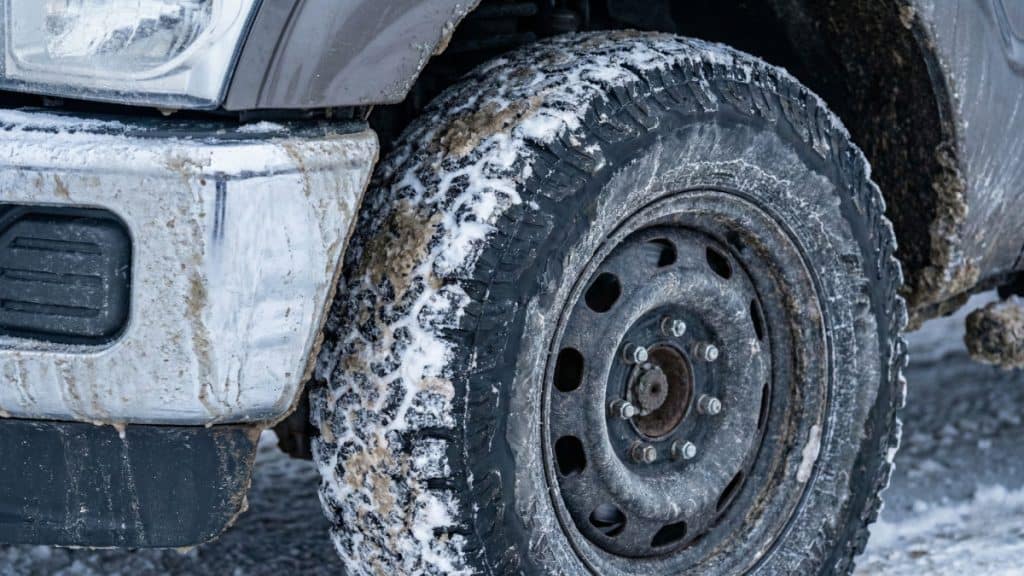
Bullet list time, because you want speed here:
- Tire pressure (cold reading)
- Visible damage or bulges
- Tread depth and uneven wear
- Traction plan for the route (chains, cables, approved device)
Lights, wipers, and washer fluid
Winter visibility is brutal. Snow spray, salt mist, and early darkness make “mostly working” lights and wipers feel useless.
Do a quick check: headlights, brake lights, signals, and any marker lights if you run a trailer. Then make sure your washer fluid is true winter rated and the sprayers actually hit the glass. A clogged nozzle is a tiny problem that becomes a safety problem at 60 mph.
Leaks and new smells
Look under the truck for fresh spots. Winter makes leaks worse because seals shrink and pressure changes. If you smell diesel, burnt electrical, or sweet coolant, treat it like information, not background noise.
Brakes and air system (if equipped)
If your truck has air brakes, listen for obvious leaks. If your setup requires manual draining per your SOP, do it consistently. Moisture management is what keeps winter air systems from turning into a mess.
Phase 1: Pre-winter prep (do this before temperatures swing hard)
This is where you win winter. Not with a miracle additive, but by setting the truck up to handle cold starts, cold fuel, and cold electrical demand.
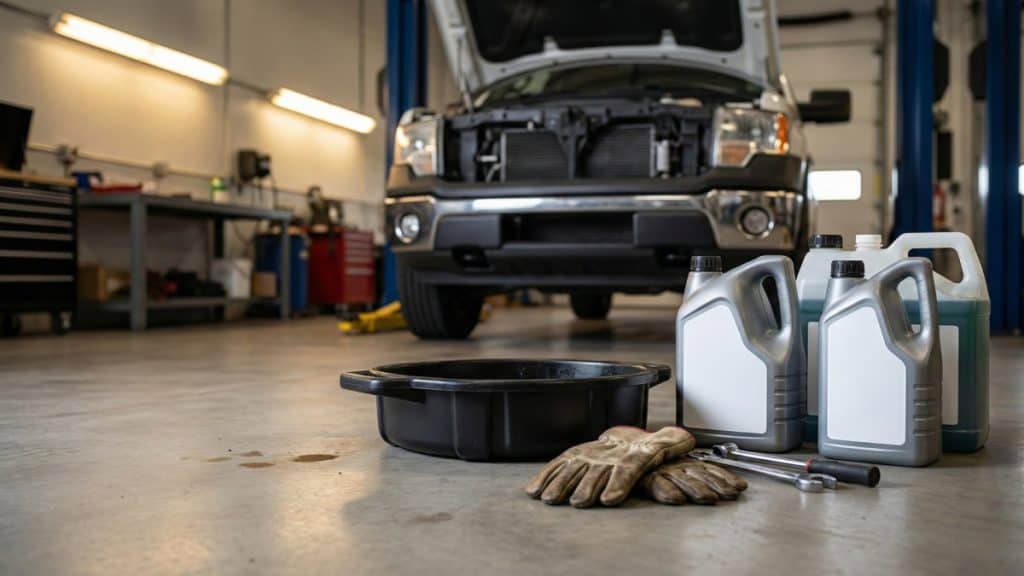
Engine oil: pick the right cold-start setup
Cold starts are where engines take the biggest wear hit, because oil takes time to flow. In winter, the wrong viscosity can make the starter work harder and delay oil reaching key components. That is why so many fleets and owner-operators move toward winter-friendly full synthetics when the temps drop.
The key is simple: follow your OEM spec first. Do not guess. Every engine family has its own requirements, especially newer diesels with tight tolerances, high pressure injection, and emissions equipment. If you manage more than one truck, make an “approved oil by engine” chart so nobody improvises when they are topping off.
If you want the short version, it is this: the colder it gets, the more you want oil that cranks easier and pumps faster, as long as it still protects at operating temperature. That balance is the whole game.
Cooling system: freeze protection plus system health
Coolant is not just about freezing. It is also about corrosion protection, system pressure, and keeping temperatures stable when the engine is working hard in cold air.
A lot of people assume the coolant is fine because it looks clean. Do not do that. Test the freeze protection. If you live in serious cold, you want to know the actual freeze point, not the color.
Also inspect the basics: hoses, clamps, radiator, reservoir, and the cap. A weak cap can cause pressure problems that show up as “mystery coolant loss.”
One more big rule: do not mix coolant types. Some systems use modern coolant chemistry that does not play nice with old-school green coolant. Mixing can create gel-like sludge, and winter is when that sludge ruins your day.
Diesel fuel: prevent gelling before it starts
Fuel problems are the classic winter diesel failure. What you are fighting is wax crystals forming as temperatures drop. Early on, the fuel still flows, but those crystals start coating the fuel filter media. Once the filter restricts, the truck loses power, surges, or just dies.
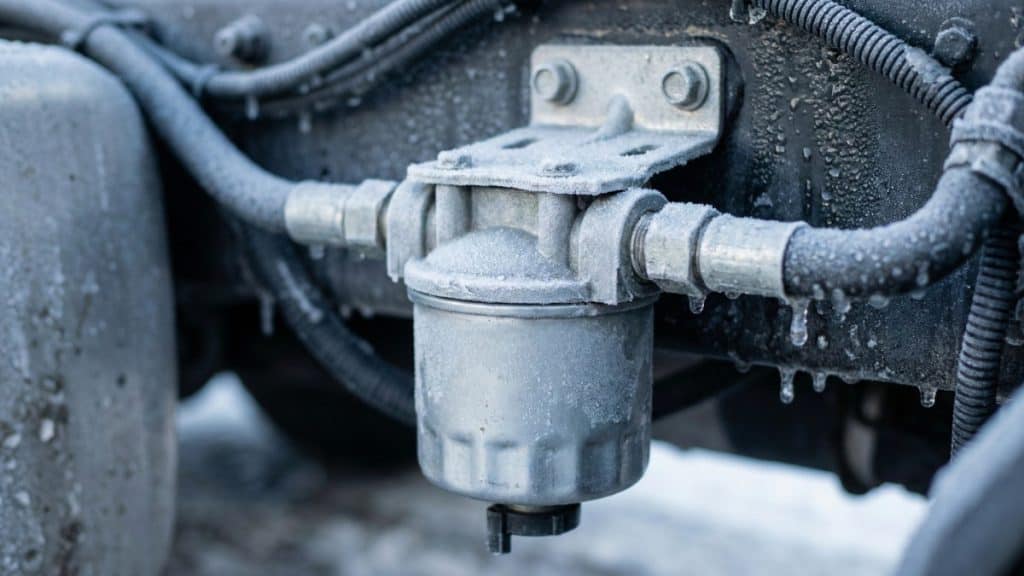
The best strategy is boring but effective: treat early, not after you are stuck. If your area gets winter blend diesel, use it. If you rely on additives, use them before temperatures drop into trouble territory. Waiting until it is already struggling is how people end up changing filters in a parking lot at night.
Water is the other enemy. Water freezes at 32°F, well before diesel gels. If your truck has a fuel water separator, follow your drain routine. In winter, free water drops out more easily and collects in places that later freeze and block flow.
A realistic winter rule that saves people: carry spare fuel filters and the basic tools you need to change them. You do not want your first winter filter change to be an emergency filter change.
Batteries and charging system: winter exposes weak batteries
This is one of those things that feels obvious after it happens. A battery can be “okay” in fall and then fail the first real cold snap.
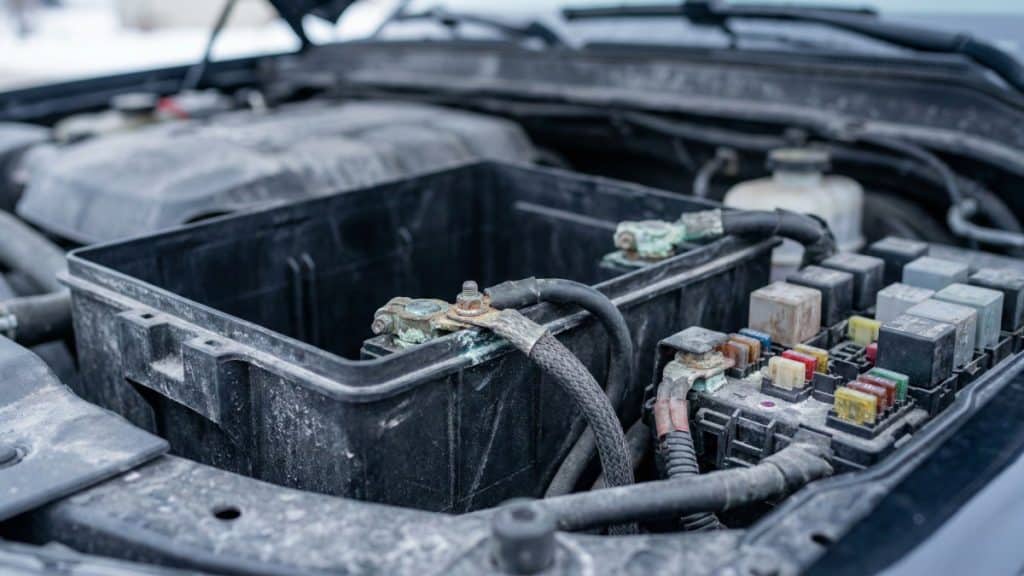
Cold slows battery chemistry. The starter needs big current. The truck also runs more electrical loads in winter: lights, defrost, heater fan, seat heaters, accessories, and sometimes telematics or work equipment. So the whole system is stressed at the exact moment the battery is weaker.
What to do before winter:
- Load test batteries, do not rely on voltage alone
- Clean terminals and grounds
- Inspect cables for swelling, corrosion, or loose connections
- Confirm alternator output is healthy
- Verify block heater operation if equipped (they fail quietly)
You are not chasing perfection. You are eliminating weak links before the weather finds them.
Air system winterization (air brake trucks)
If you run air brakes, moisture is the story. Compressed air creates condensation. If the air dryer is not doing its job, moisture ends up in tanks, lines, and valves. Then it freezes. One frozen valve can cause brakes to drag or not release properly.
Before winter, service the air dryer cartridge on schedule and confirm the purge valve heater actually works. Also check gladhands and seals. Standard rubber seals get hard in deep cold and leak more. Cold-friendly seals can make a noticeable difference.
If you operate in extreme cold, alcohol evaporators exist for a reason, but they are not a substitute for a functioning dryer. Use approved products only. Improvised alcohol choices can damage seals and create long-term leaks.
DEF system: don’t create your own DEF headache
DEF freezes around 12°F. That sounds scary until you realize modern systems are designed for it. Trucks circulate heat to thaw DEF after startup and can run for a limited time while that happens.
What is not normal is contaminated DEF. Do not add anything to the DEF tank. No anti-gel. No water. No hacks.
Also do not fill the DEF tank to the brim in winter. DEF expands when it freezes. Leave space so you do not stress the tank and components.
Rust and corrosion control (salt country rules)
Salt and de-icers attack everything. Electrical connectors, grounds, frame rails, trailer plugs, light sockets, brake hardware. Winter corrosion is the slow burn that creates “random” electrical problems all season.
A practical approach is better than perfection. Protect key connectors and exposed metal before the season, and plan a washing routine that removes salt without freezing the truck afterward. If you wash in freezing weather and then park outside, you can create new problems like frozen locks and ice-packed brake components. Timing matters.
Phase 2: Weekly winter routine (repeatable, prevents most breakdowns)
This is where you catch problems early. Keep it simple. Make it a habit.
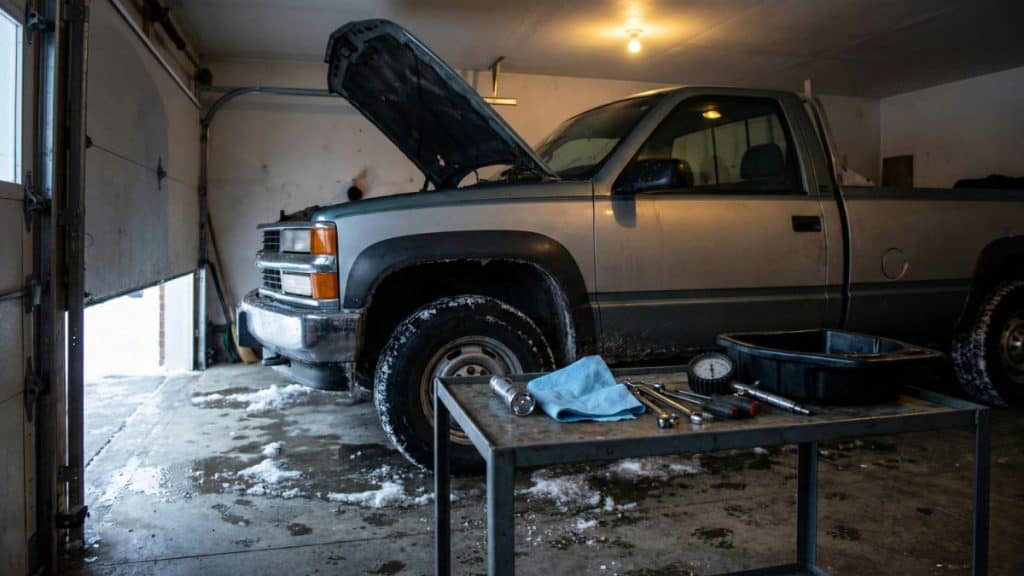
Here is a short weekly checklist that is worth using bullets for:
- Check oil level and watch for oil that smells like fuel
- Drain fuel water separator if your routine calls for it
- Pay attention to fuel restriction symptoms (hard starts, surging, loss of power)
- Monitor crank strength and consistency
- Verify block heater operation if equipped
- If air brakes: watch for slow pressure build, new leaks, or sticky behavior
- Check tire pressure cold and scan for uneven wear
The goal is not to inspect every bolt. The goal is to notice changes before they strand you.
Phase 3: Cold snap protocol (when it suddenly drops)
Cold snaps are when the “it was fine yesterday” trucks fail. This is the plan for those weeks.
Starting strategy
If you have a block heater, use it. It reduces strain on the starter and battery, improves combustion, and makes the engine happier overall.
Cycle glow plugs or grid heater correctly. Do not rush it. If your truck gives you a wait-to-start light, respect it. Hard starting is often not a “bad engine,” it is a cold engine being rushed.
After it starts, let it stabilize. Do not hammer the throttle immediately. Give oil a moment to circulate and idle to settle.
Fuel strategy
If temps are near gelling territory, treat fuel early and keep tanks from running low. Lower fuel levels can increase condensation and water issues, and it also makes the truck less forgiving.
If you are already gelled, your priorities shift: get the truck somewhere safe, address the fuel filter restriction, and add warmth to the system. “Rescue” products exist, but they are not a replacement for preventing the problem in the first place.
Air system warning signs (air brakes)
Winter air problems tend to show up as behavior changes: brakes dragging, odd release, slow pressure recovery, or valves that feel sticky. The important rule is this: do not use open flame on valves and lines. Use safe heat and fix the root cause, which is moisture management and air dryer function.
DEF behavior in real winter
Frozen DEF is not automatically a disaster. What matters is whether the truck thaws and returns to normal dosing. Pay attention to warnings about DEF quality or emissions faults, because those can trigger derates and limp modes that make the truck basically unusable.
Used Truck Buyer: What Matters Most for Winter
If you are shopping used and you live in snow country, winter should be part of the inspection. A truck that looks great in photos can still be a pain in winter.
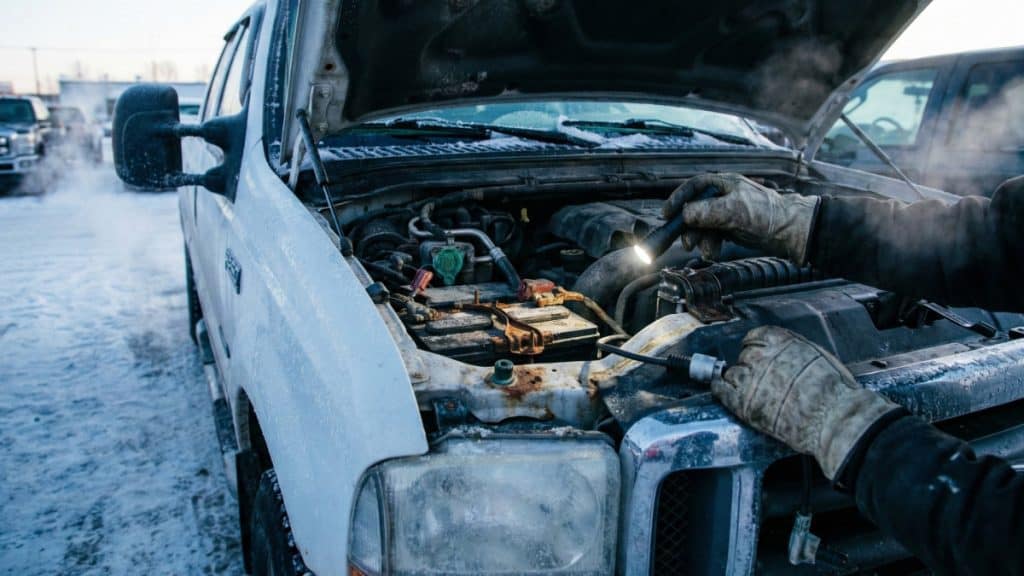
Here are the questions that matter most:
- Does it have a block heater, and does it actually work?
- Any history of fuel system issues, injector replacements, or repeated filter clogging?
- Battery age, alternator history, and any recurring electrical issues?
- If diesel, is the DEF system intact and working properly?
- If air brakes, when was the air dryer last serviced?
- Any heavy corrosion around grounds, harness connectors, trailer plugs, or frame areas?
The winter test drive (if you can do it)
If you can test it cold, do it. Cold starts reveal a lot. If you cannot, at least test heater and defrost output, blower function, wipers and washers, and make sure the truck does not throw charging or emissions warnings during normal driving.
A real winter truck emergency kit (not the “cute” version)
Most people build an emergency kit for the idea of being stuck for 20 minutes. Winter requires a kit that can handle hours.
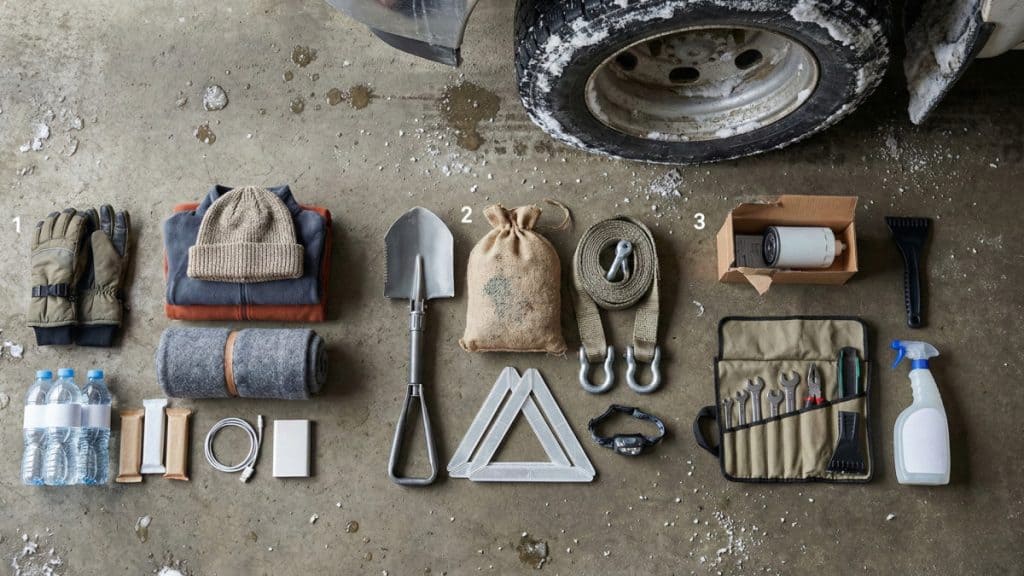
This is one place where bullets help, because you want to see the inventory clearly.
Tier 1: Survival basics
- Warm layers, gloves, hat
- Real blanket or sleeping bag
- Water and high-calorie food that still works in cold
- Phone charging cable and backup battery
Tier 2: Get unstuck and get seen
- Shovel
- Traction material (sand or non-clumping litter)
- Tow strap and proper hardware
- Reflective triangles or flares
- Headlamp or flashlight
Tier 3: Keep moving spares
- Spare fuel filters if you run diesel in real winter
- Basic tools you actually know how to use
- Winter windshield de-icer spray and scraper
Chain laws and winter enforcement (simple, not legalese)
Chain laws vary by state, route, and conditions. The practical advice is: check requirements before you roll, especially on mountain passes and winter corridors.
Also keep in mind that emergency declarations and Hours of Service relief can show up during severe storms. Those are not blanket exemptions and they are usually tied to specific “direct assistance” work. If it matters to your operation, verify what is active and what qualifies.
Troubleshooting quick guides (fast, saves time)
No-start in the cold
If it cranks slow:
- Suspect batteries, cable resistance, ground connections
- Consider oil viscosity drag if conditions are extreme
- Check starter health if it has been struggling for a while
If it cranks normal but will not fire:
- Suspect fuel delivery, gelled filter, water icing
- Check glow plug or grid heater operation
If it starts then dies:
- Suspect fuel restriction, air in fuel, or cold-related strategy issues
- Look for warning lights that hint at sensors or emissions system faults
Air system freeze symptoms (air brake trucks)
If air pressure builds slowly or brakes do not behave normally:
- Check for moisture management issues first
- Suspect a saturated air dryer cartridge or heater failure
- Look for leaks that keep the compressor cycling too often
Winter Reliability Is a Routine
Winter reliability is not one magic product. It is a routine. If you do the walkaround, prep the truck before the season, and keep a simple weekly rhythm, you prevent most winter failures before they start.
If you want, tell me what you drive (truck and engine) and what kind of winter you deal with. I can tighten this into a more model-specific checklist that fits your setup.
Related Resources
- https://www.fmcsa.dot.gov/sites/fmcsa.dot.gov/files/2026-01/ESC-MSC-SSC-WSC%20-%20Regional%20Emergency%20Declaration%20-%20No.%202026-001%20-%2001-23-2026%20-%20signed.pdf
- https://csp.colorado.gov/chain-law-information
- https://dot.ca.gov/travel/winter-driving-tips/chain-controls
- https://wsdot.com/travel/real-time/mountainpasses/tiresandchains
- https://bettstruckparts.com/wp-content/uploads/2020/02/Bendix-Cold-Weather-Air-Brake-Maintenance-Tech-Tip.pdf
- https://www.valvolineglobal.com/en/blog/product/diesel-engine-oil-viscosity/
- https://www.cummins.com/news/2016/01/04/6-answers-about-diesel-exhaust-fluid
- https://www.mtu-solutions.com/content/dam/mtu/technical-article/2022/how-to-store-and-handle-diesel-exhaust-fluid-effectively/22599_DEF_TA.pdf/_jcr_content/renditions/original./22599_DEF_TA.pdf
- https://www.michelinman.com/auto/auto-tips-and-advice/tire-buying-guide/guide-to-buying-winter-tires
- https://www.papekenworth.com/blog/winter-weather-emergencies-what-to-include-in-your-emergency-road-kit
- https://powerservice.com/psp_product/diesel-911/


