 Skip to content

The Ford Fiesta is known for its reliability and affordability, making it a popular choice for many drivers. However, like any vehicle, its lifespan depends on several factors. Let’s dive deeper into what determines how long your Ford Fiesta can last and what you can expect with proper care.
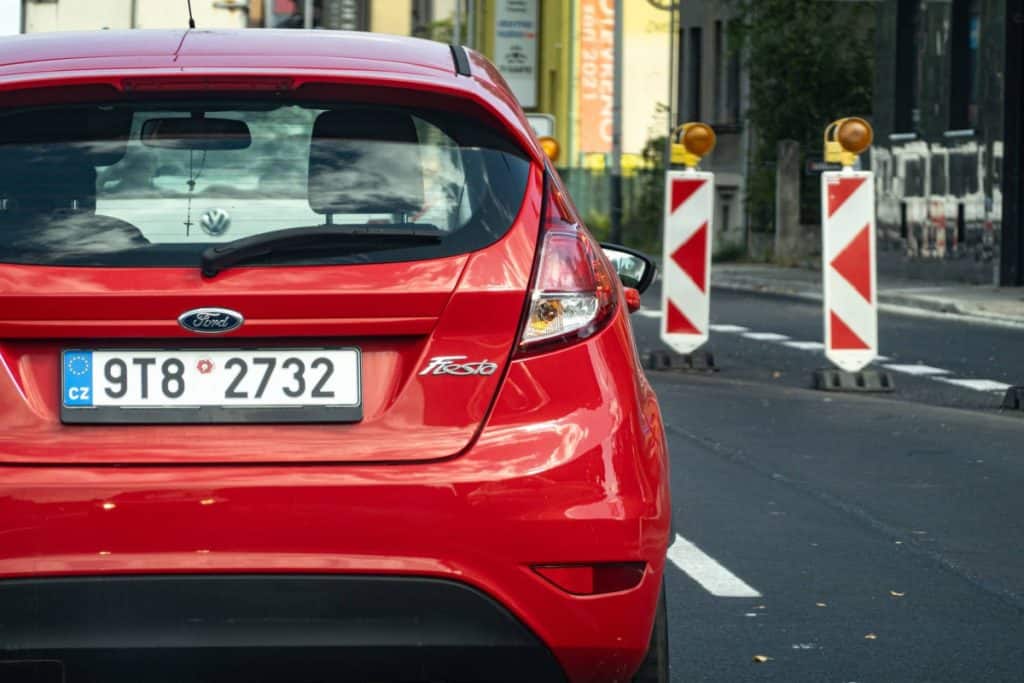
Average Lifespan of a Ford Fiesta
On average, a Ford Fiesta can last between 150,000 and 200,000 miles. This translates to about 10 to 15 years of use for the typical driver. Some owners have even reported their Fiestas lasting well beyond 200,000 miles with diligent maintenance.
Key Factors Influencing the Lifespan of Your Ford Fiesta
Several key factors play a role in how long your Ford Fiesta will last:
Regular Maintenance
This is the most important factor in extending the life of any vehicle, including the Fiesta. Ford recommends oil changes every 5,000 to 7,500 miles and regular inspections of the coolant, transmission fluid, and filters.
Driving Habits
City driving with frequent stops and starts puts more strain on the engine, brakes, and transmission than long highway drives. Stop-and-go traffic tends to increase the wear and tear on your Fiesta.
Environmental Conditions
Extreme temperatures, road salt (common in snowy regions), or consistently rough terrain can accelerate rust and wear on your vehicle. Keeping your car clean, especially the undercarriage, and parking in sheltered areas can help minimize environmental damage.
Owner’s Care and Attention
How well you take care of your car matters. Promptly addressing early warning signs like unusual noises or dashboard lights can prevent small problems from becoming major, expensive repairs.
Common Problems to Be Aware Of with Ford Fiesta
While the Ford Fiesta is generally reliable, some model years have common issues that may affect longevity:
Transmission Problems
Earlier models, particularly those from 2011 to 2016 with the PowerShift dual-clutch transmission, are known for shuddering, slipping, or delayed shifting. Ford has addressed these issues with service bulletins, but monitoring your transmission’s performance is essential if you own one of these models.
Electrical Problems
Some owners have reported minor electrical issues, like malfunctioning power windows or infotainment glitches. While these may not drastically affect the car’s lifespan, they can be frustrating and add to repair costs over time.
Rust and Corrosion
Like many small cars, the Fiesta is prone to rust, especially in winter areas where road salt is used. Washing and waxing your car regularly, especially in winter, can help reduce rust formation.
Can a Ford Fiesta Last Beyond 200,000 Miles?
Yes, a Ford Fiesta can certainly last beyond 200,000 miles with proper care and attention. Many owners have reported hitting this milestone, crediting consistent maintenance—especially oil changes and timely repairs—for their vehicle’s longevity. Using high-quality replacement parts also helps extend the car’s lifespan.
Tips to Maximize the Lifespan of Your Ford Fiesta
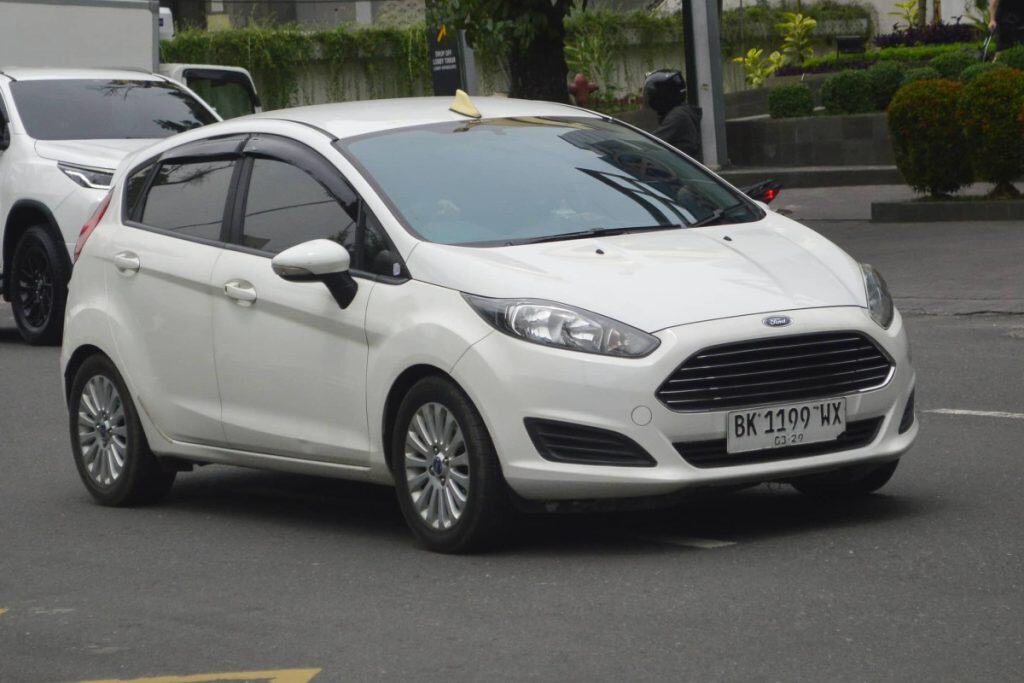
If you want to keep your Ford Fiesta running smoothly for as long as possible, here are some key tips:
Stick to the Manufacturer’s Maintenance Schedule
Follow Ford’s recommended maintenance schedule, outlined in your owner’s manual. Don’t skip any services, even if the car seems to be running fine.
Drive Gently
Avoid aggressive driving habits, like rapid acceleration and hard braking. Smooth driving puts less strain on the engine, brakes, and transmission.
Use Quality Parts
When replacing parts, opt for OEM (Original Equipment Manufacturer) parts or high-quality aftermarket alternatives. This is especially important for transmission, engine, and suspension components.
Check Fluids Regularly
Make sure your engine oil, transmission fluid, coolant, and brake fluids are at the correct levels and in good condition. Regular fluid checks and changes can prevent significant mechanical issues down the line.
Address Problems Early
If you notice unusual sounds, performance issues, or warning lights, don’t delay getting your car checked by a professional mechanic. Addressing small issues early can prevent them from becoming major, costly repairs.
What to Expect Over the Long Term
As your Ford Fiesta reaches around 100,000 miles, you may notice wear on parts like the suspension, brake pads, and minor electrical components. Around the 150,000-mile mark, larger repairs, such as replacing the timing belt, water pump, or transmission components, may become necessary—especially in models with the problematic PowerShift transmission.
However, if you handle these issues promptly and continue with regular maintenance, your Fiesta could easily surpass 200,000 miles.
When to Consider Replacing Your Ford Fiesta
At some point, the cost of repairs may outweigh the car’s value. If major repairs like a transmission rebuild or engine overhaul are required and would cost more than the vehicle’s current value, it may be time to consider replacing it. However, as long as the repairs are reasonable and the car remains reliable, there’s no need to rush into a new purchase.
Is the Ford Fiesta a Long-Lasting Car?
In conclusion, the Ford Fiesta can be a durable and long-lasting vehicle with proper care and attention. Its lifespan heavily depends on routine maintenance, awareness of common issues, and how it’s driven. For owners who stay on top of regular services, many Fiestas will easily reach 150,000 to 200,000 miles—or more. By being proactive about small issues and sticking to a maintenance schedule, you can enjoy many years of dependable service from your Fiesta.


