 Skip to content

Vehicle theft remains a significant concern for car owners worldwide. One effective method to deter thieves is installing a kill switch—a device that disrupts the vehicle’s ignition system, rendering it inoperable without proper activation. This article will guide you through selecting and installing the most suitable kill switch for your vehicle.
Understanding a Kill Switch
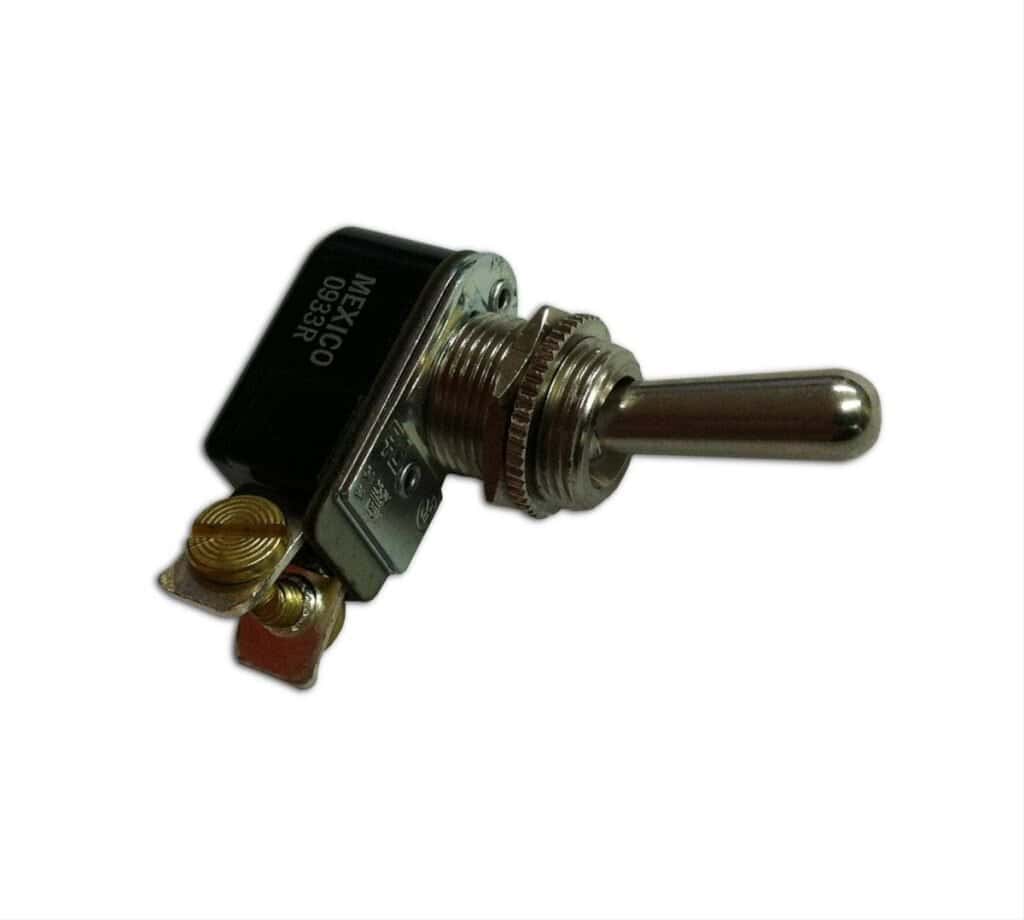
A kill switch is an anti-theft device that interrupts the flow of electricity to critical vehicle components, such as the ignition system or fuel pump. When activated, it prevents the engine from starting, deterring unauthorized use.
Types of Kill Switch
- Fuel System Relay Switch: Interrupts the fuel supply to the engine, preventing it from starting or running.
- Battery Disconnect Switch: Cuts off the power supply from the battery, making the vehicle appear completely dead.
- Ignition Wire Kill Switch: This switch disrupts the ignition circuit, preventing the engine from starting even if the thief has the key.
- Fuse Box Kill Switch: This involves removing or disabling a critical fuse, such as the fuel pump fuse, to prevent the vehicle from starting.
Choosing the Right Kill Switch
When selecting a kill switch, consider the following factors:
- Vehicle Compatibility: Ensure the switch matches your vehicle’s make and model.
- Installation Complexity: Some switches are straightforward to install, while others may require professional assistance.
- Visibility: A hidden switch is more effective, as it’s less likely to be discovered by thieves.
- Cost: Prices vary depending on the type and complexity of the switch.
Installation Guide
Note: If you need more time to get comfortable working with your vehicle’s electrical system, it’s advisable to seek professional assistance.
- Select the Switch Location: Choose a discreet yet accessible location inside the vehicle, such as under the dashboard or beneath the seat.
- Disconnect the Battery: Before starting, disconnect the battery’s negative terminal to ensure safety.
- Access the Target Circuit: Identify the wire or component you intend to interrupt (e.g., fuel pump wire, ignition wire).
- Cut the Wire: Carefully cut the selected wire, ensuring you have enough length on both ends to connect to the switch.
- Connect the Switch: Attach the two ends of the cut wire to the terminals on the kill switch. Secure the connections using appropriate connectors and insulate them with electrical tape.
- Mount the Switch: Secure the switch in the chosen location, ensuring it’s firmly in place and easily operable.
- Reconnect the Battery: Reconnect the negative terminal of the battery.
- Test the Switch: With the switch in the ‘off’ position, attempt to start the vehicle—it should not start. Flip the switch to the ‘on’ position and start the vehicle to confirm proper installation.
Enhancing Vehicle Security
While a kill switch adds a layer of security, consider combining it with other measures for enhanced protection:
- Alarm Systems: Provide audible deterrence and alert you to unauthorized access.
- Steering Wheel Locks: Physically prevent steering, making theft more difficult.
- GPS Tracking Devices: Allow real-time tracking of your vehicle’s location.
Fortifying Your Vehicle Against Theft
Installing a kill switch is a proactive step toward safeguarding your vehicle from theft. Understanding the different types available and following proper installation procedures can significantly reduce the risk of unauthorized use. Remember, combining multiple security measures will provide the most robust protection for your vehicle.
Resources:
https://mechanicbase.com/electric/different-kill-switches-to-prevent-car-theft
https://dashcameras.net/car-kill-switch/
https://www.electronicshub.org/types-of-kill-switches/


