Skip to content

Introduction
Seat belts are a cornerstone of vehicle safety, saving countless lives by reducing the risk of severe injury during accidents. However, for some individuals, standard seat belts may not provide the fit or accessibility they need. This is where seat belt extenders come into play.
Seat belt extenders are designed to lengthen the existing belt, catering to individuals with unique requirements such as larger body sizes, medical devices, or limited mobility. Given the growing demand for these devices, assessing whether seat belt extenders genuinely enhance safety and comfort or pose risks that outweigh their benefits is essential.
Understanding Seat Belt Extenders
What Are Seat Belt Extenders?
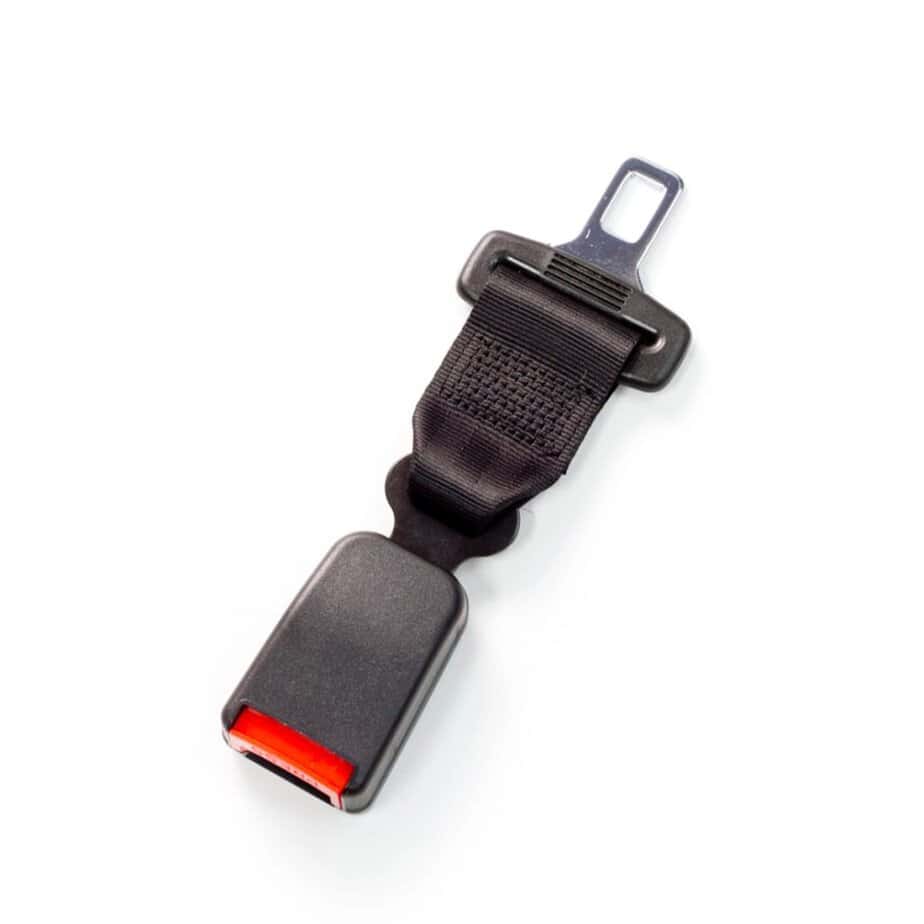
Seat belt extenders attach to the existing seat belt mechanism, increasing its length to provide a more accommodating fit. They come in various forms, including:
- Rigid Extenders: Solid and upright, making it easier to buckle the seat belt.
- Flexible Extenders: Feature a soft, bendable section for added adjustability.
- Adjustable Extenders: Offer customizable lengths to suit different needs.
Who Uses Seat Belt Extenders?
Seat belt extenders cater to individuals who find standard seat belts inadequate, such as:
- People with Larger Body Sizes: Extenders ensure a proper fit for those struggling with shorter belts.
- Individuals with Medical Needs: People using medical devices like insulin pumps or feeding tubes may benefit from the added space.
- Pregnant Women: Extenders provide comfort and safety for expectant mothers by accommodating their growing bellies.
- Elderly and Limited Mobility Individuals: Extenders make accessing and fastening seat belts easier.
Regulatory and Manufacturer Perspectives
Seat belt extenders must comply with safety standards, such as FMVSS 209 in the United States, to meet stringent performance criteria. However, manufacturers often warn against using extenders, citing concerns about altered safety performance or incompatibility with airbags and restraint systems.
Evaluating Safety Implications of Seat Belt Extenders
Potential Benefits
- Proper Fit: Extenders help individuals achieve the correct belt-positioning, which is crucial for effective restraint in a crash.
- Injury Reduction: Extenders can reduce the risk of injury during sudden stops or collisions by ensuring the belt lies across the pelvis and chest.
Risks and Concerns
- Geometry Alteration: Extenders can change the belt’s angle and position, potentially compromising its ability to protect occupants.
- Incompatibility with Airbags: Improperly positioned belts may interfere with the optimal deployment of airbags.
- Misuse: Using non-certified extenders or attaching them incorrectly can exacerbate safety risks.
Research and Expert Insights
Studies and crash tests reveal mixed results regarding the performance of seat belt extenders. Some manufacturers explicitly discourage their use, warning of potential liability issues in accidents caused by misuse.
Exploring Comfort Benefits of Seat Belt Extenders
Enhanced Fit and Accessibility
Seat belt extenders reduce discomfort caused by tight or poorly positioned belts, providing a tailored fit for:
- Individuals with broader body types.
- Passengers wearing bulky clothing, such as winter coats.
Ease of Use
- Hard-to-Reach Buckles: Extenders make fastening easier in vehicles with recessed or awkwardly placed buckles.
- Tight Cabin Spaces: Extenders are practical for sports cars or compact vehicles.
Real-Life Experiences
Many users report significant comfort improvements with extenders, particularly during long journeys. Testimonials highlight the added convenience and ease of access for individuals with specific needs.
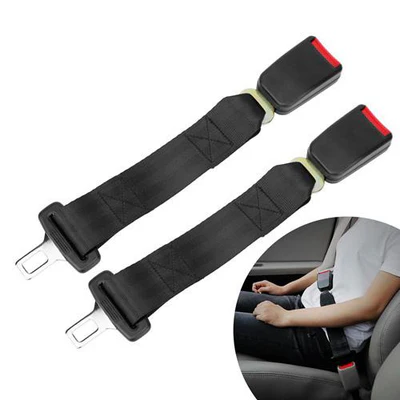
Choosing and Using Seat Belt Extenders Responsibly
Ensuring Compatibility
- Always select extenders designed for the specific make and model of the vehicle.
- Avoid third-party or uncertified extenders that may not meet safety standards.
Proper Use Guidelines
- Attach extenders securely and verify their stability before use.
- Do not leave extenders permanently attached, as this may lead to misuse by other passengers.
Considering Alternatives
- Adjusting car seat positions or seat belt anchor points.
- Exploring OEM (original equipment manufacturer) seat belt length adjustments for a permanent solution.
Legal and Manufacturer Guidelines
Vehicle Manufacturer Policies
- Many automakers discourage extender use, citing potential warranty issues.
- Consulting the vehicle’s owner manual or contacting the manufacturer is recommended before using extenders.
Legal Considerations
- Regulations governing seat belt extenders vary by region.
- Liability concerns may arise if extenders contribute to injury in an accident.
Driving Comfort and Safety Forward with Seat Belt Extenders
Seat belt extenders provide a practical solution for individuals facing challenges with standard seat belts. While they offer significant comfort and accessibility benefits, their use comes with safety considerations that must be carefully evaluated.
Responsible use of seat belt extenders—including ensuring compatibility, adhering to guidelines, and consulting manufacturers—is essential to maximizing safety without compromising comfort. By striking the right balance, individuals can enjoy enhanced safety and a more comfortable driving experience.
Resources:
- https://www.federalregister.gov/documents/2003/01/17/03-1134/federal-motor-vehicle-safety-standards-occupant-crash-protection-seat-belt-assemblies
- https://www.expertinstitute.com/resources/insights/could-seat-belt-extenders-be-to-blame-for-car-accident-injuries
- https://carbuzz.com/car-advice/seatbelt-extenders-when-and-why-you-should-use-them
- https://www.osha.gov/laws-regs/standardinterpretations/2004-02-04