Skip to content

Over 30 million vehicles were recalled in the United States last year, yet nearly 30% of car recall notices go unheeded by owners. This disconnect creates unnecessary safety risks on roads every day. Whether it’s faulty airbags, fire risks, or software glitches, promptly addressing recalls can prevent accidents, save money, and save lives.
Understanding Car Recall
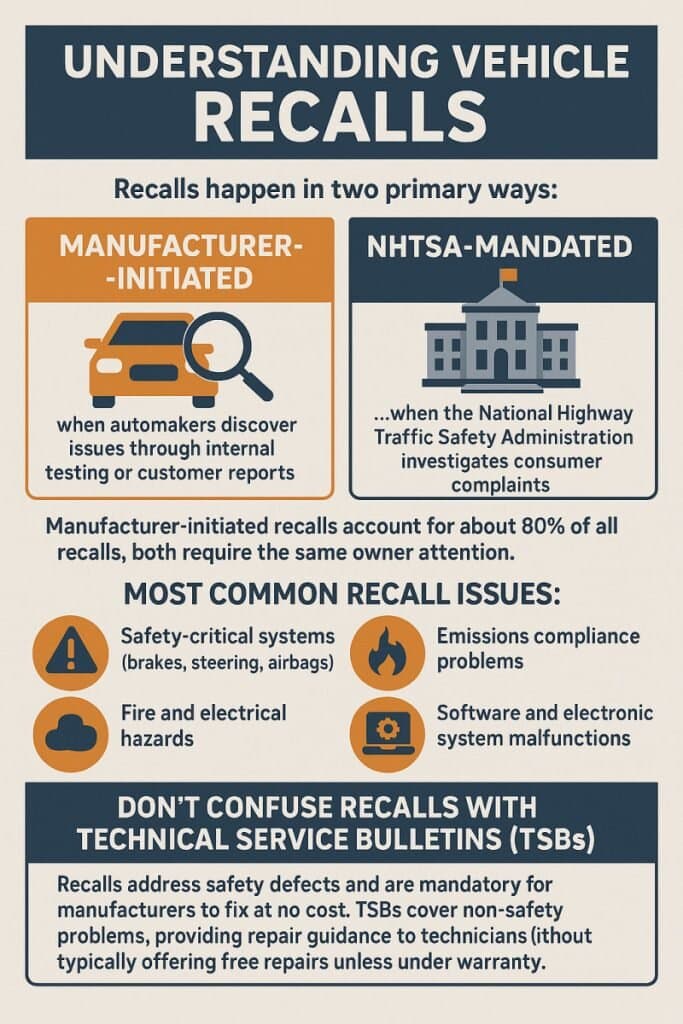
Recalls happen in two primary ways: manufacturer-initiated (when automakers discover issues through internal testing or customer reports) and NHTSA-mandated (when the National Highway Traffic Safety Administration investigates consumer complaints). While manufacturer-initiated recalls account for about 80% of all recalls, both require the same owner attention.
The most common recall issues involve:
- Safety-critical systems (brakes, steering, airbags)
- Fire and electrical hazards
- Emissions compliance problems
- Software and electronic system malfunctions
Don’t confuse recalls with Technical Service Bulletins (TSBs). Recalls address safety defects and are mandatory for manufacturers to fix at no cost. TSBs cover non-safety problems, providing repair guidance to technicians without typically offering free repairs unless under warranty.
Notable Recalls That Made Headlines
Over the past few decades, certain recalls have highlighted just how dangerous unresolved defects can be — and why prompt action is critical:
- Takata Airbag Recall (2000s–2020s): The largest recall in automotive history affected over 67 million vehicles. Airbags could explode with excessive force, sending metal shrapnel into occupants. Linked to at least 27 deaths in the U.S. (NHTSA Takata Recall Overview)
- Toyota Sudden Unintended Acceleration (2009–2011): Over 9 million Toyota and Lexus vehicles were recalled globally due to sticky accelerator pedals and floor mat interference. Dozens of deaths were linked to the issue. (AutoSafety Toyota Recall)
- GM Ignition Switch Recall (2014): Faulty ignition switches in millions of GM vehicles could unexpectedly shut off engines and disable airbags. The defect was linked to over 120 deaths. (GM Ignition Switch Defect Recall)
Current Recalls Making Headlines
Even today, high-profile recalls continue to make news, reminding us that no vehicle, old or new, is immune:
- Tesla Cybertruck (2024): Just months after release, early models were recalled because the accelerator pedal could dislodge and get stuck, posing a serious risk of unintended acceleration. (Cybertruck Drive Inverter Replacement Recall)
- Porsche 911 (2025): Porsche recalled specific 911 Carrera models due to improperly installed passenger-side airbags that may not deploy correctly in a crash. (2025 Porsche 911 Recalls)
- Hyundai & Kia Fire Risk (2024): Over 3 million vehicles were recalled due to brake fluid leaks and electrical short circuits that could cause engine fires, even while parked. (Hyundai & Kia Fire Risk Recall)
Finding Out If Your Vehicle Has Been Recalled
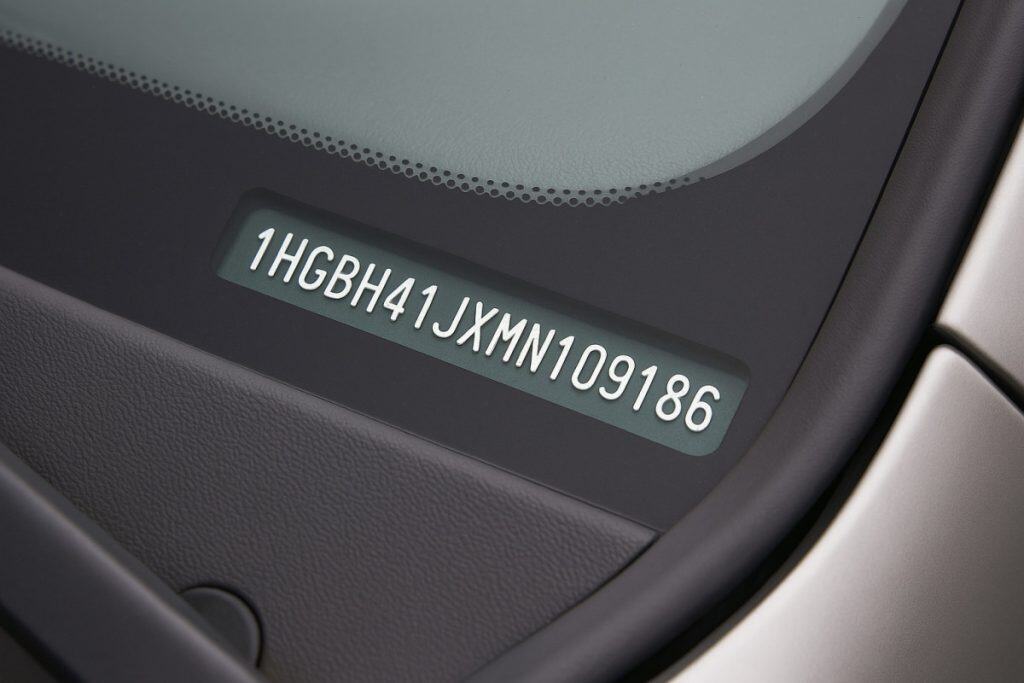
The most reliable way to check for recalls is using your 17-digit Vehicle Identification Number (VIN), which is found on your dashboard near the windshield or driver’s door jamb. Visit SaferCar.gov and enter your VIN to view all recalls specific to your vehicle. Most manufacturers also offer recall lookup tools on their websites, sometimes including service campaigns that NHTSA does not track.
Download NHTSA’s SaferCar app for automatic notifications, alerting when new recalls affect your registered vehicles. Mancar vehicles can receive recall notifications directly through their infotainment systems, and registering your vehicle with the manufacturer ensures you receive email notifications about recalls.
When reading a recall notice, consider the defect description, risk assessment, warning signs, recommended actions, repair availability timeline, and contact information. Safety-critical recalls involving airbags, brakes, or steering warrant immediate attention, while less critical issues can be scheduled at your convenience.
Taking Action on a Car Recall
First, assess its urgency based on the safety risk described when you discover all of it. Document the notification details, then contact your dealership’s service department (not sales) with your VIN and recall information ready.
Remember your rights: manufacturers must provide recall repairs free of charge regardless of where you purchased the vehicle, and there’s no time limit on most safety recalls. While not legally required, many manufacturers offer loaner vehicles for lengthy repairs.
When scheduling service, bring:
- Your recall notice
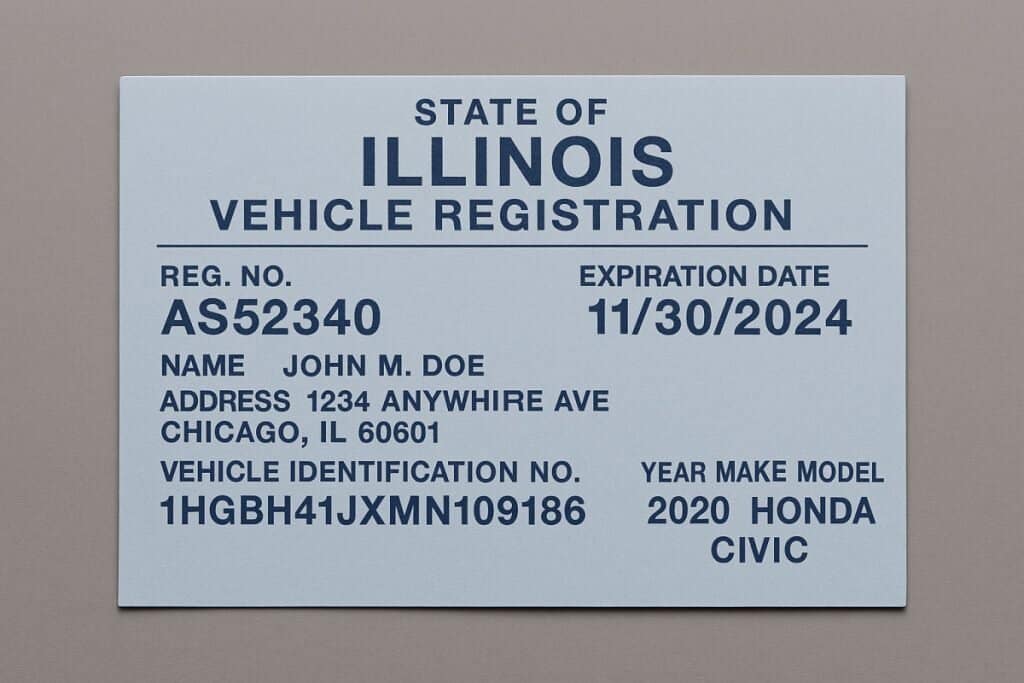
- Vehicle registration
- A photo ID when dropping off your vehicle
Simple recalls might take 1-2 hours, while complex ones involving major components could take several days. Software updates often take less than an hour. After repairs, request documentation of the completed work and confirm the repair has been reported to the manufacturer’s database.
Handling Challenging Situations
When Parts Aren’t Available
If parts aren’t available (common with large-scale recalls), request written documentation confirming your attempt to address the recall, ask about interim repairs, and inquire about alternative transportation if the defect poses an immediate safety risk. If unsatisfied with the dealership’s response, escalate to the manufacturer’s customer service or file a complaint with NHTSA.
If You’re Far from a Dealership
Contact the manufacturer directly about service options for those living far from dealerships, including possible travel expenses or mobile repair reimbursement, especially for major recalls.
If You’ve Already Paid for a Repair
If you already paid to fix a problem that later becomes a recall, gather your repair documentation with detailed invoices and submit a reimbursement claim to the manufacturer (not just the dealership). Most manufacturers reimburse reasonable costs for repairs completed within one year of the recall announcement.
Recalls and Used Cars
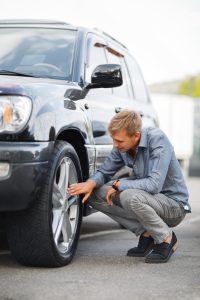
When buying a used car, check the VIN for recalls before finalizing any purchase. While dealerships can’t legally sell new cars with open recalls, most states allow them to sell used cars with unrepaired recalls. Private sellers have no legal obligation to disclose recalls in most jurisdictions, so the buyer is responsible.
When selling a car, disclose all known recalls to potential buyers and address open recalls before selling when possible. Open recalls can reduce a vehicle’s market value by 5-10%, with safety-critical recalls making a vehicle harder to sell.
Recall repairs sometimes trigger additional warranty protections. Many manufacturers extend the warranty on replaced components beyond the vehicle’s original warranty, and systemic issues often result in extended coverage for related components. Keep all recall repair documentation to support future warranty claims.
Managing Your Car Recall Status
Create a simple recall management system with quarterly VIN checks through SaferCar.gov and additional checks when buying/selling a vehicle or after major service. Consider using vehicle management apps like FIXD, aCar, or Drivvo, which can track recalls alongside regular maintenance.
Vehicle recalls represent a critical safety system that depends on owner participation. Understanding the process and taking prompt action when notified protects yourself, your passengers, and everyone sharing the road.
Have you ever experienced a car recall? What was your experience getting it repaired? Share your story in the comments below.