Skip to content

Common winter habit
Cold morning. You start the car, hear it stumble to life, and you just let it sit there. Five minutes. Ten minutes. Sometimes longer.
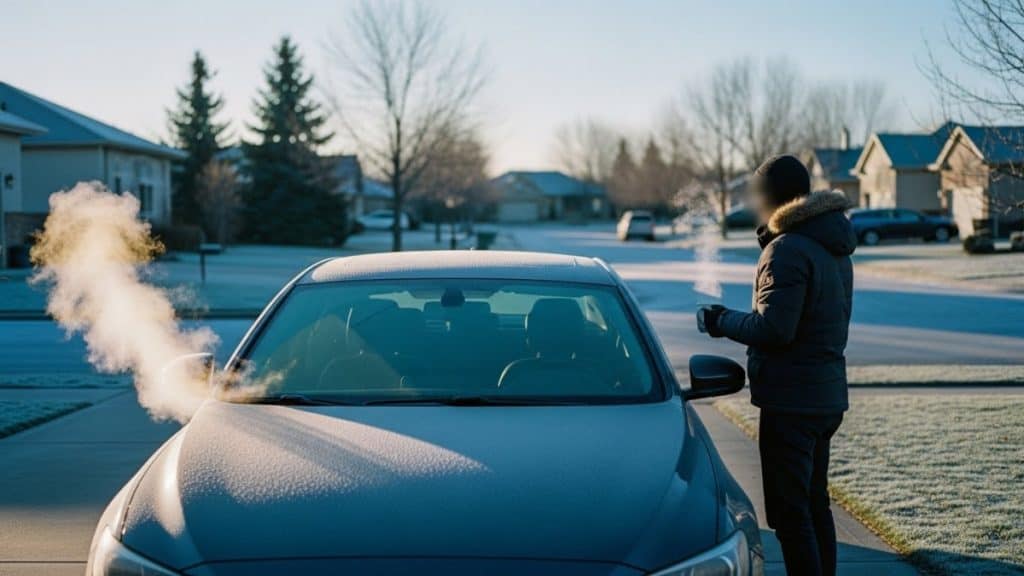
Maybe you’re finishing your coffee. Maybe you’re scraping ice. Maybe you’re just trying to “be nice” to the car engine.
A lot of people do this without thinking because it’s what they were taught. Parents did it. Grandparents did it. And it turned into a rule:
“Warming up is good for the car engine.”
The big question
With modern fuel injection, synthetic oil, and computers controlling everything under the hood, do you actually need to idle and warm up your car engine in cold weather?
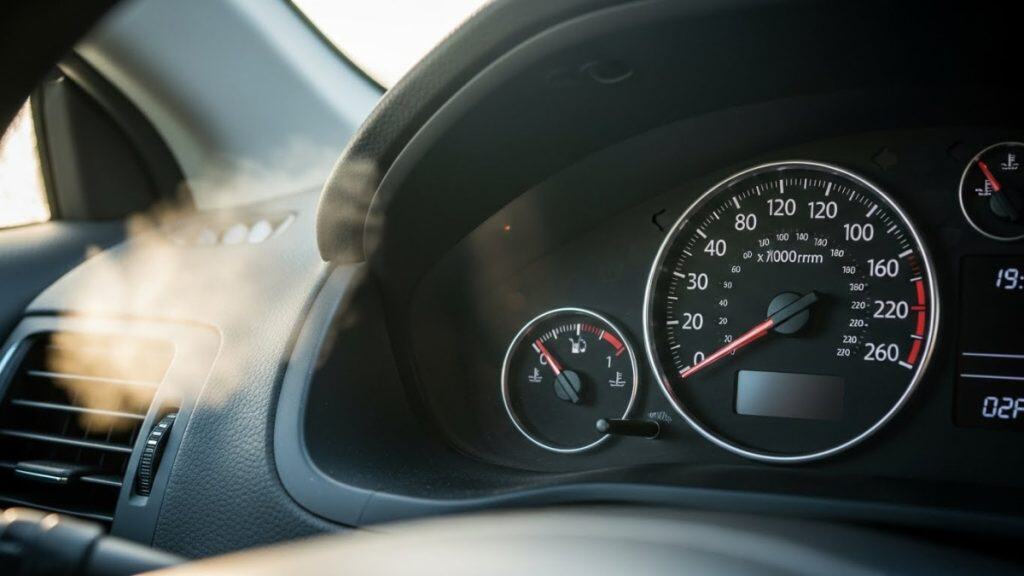
Short answer: not the way people used to.
Long answer: it depends on how cold it is, what you drive, and what you’re trying to do.
Let’s break it down.
Why warming up used to be necessary
Carburetor era
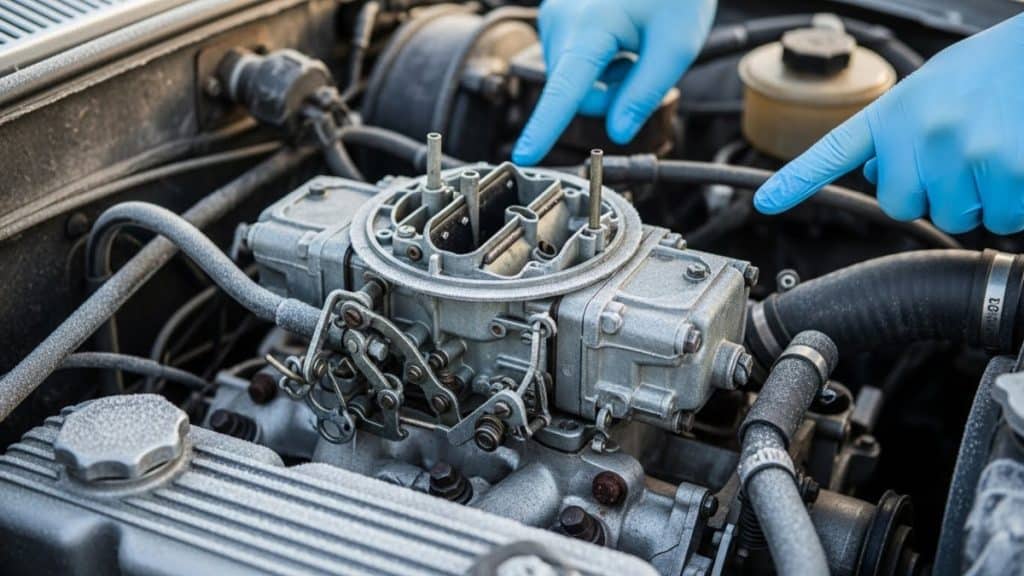
Back then, warming up wasn’t just a habit. It was sometimes required.
Older car engines used carburetors, which are mechanical devices that mix fuel and air. In cold weather, gasoline doesn’t atomize and vaporize as well. Instead of turning into a nice mist, it can stick to cold intake surfaces and condense.
That leads to rough idle, hesitation, and stalling.
So people had to:
- Pull the choke to enrich the mixture
- Let the car engine idle for a few minutes
- Wait for the intake and car engine to warm up enough to run cleanly
If you tried to start and drive immediately in a carbureted car on a really cold morning, it might bog, stumble, or die at the first stop sign. That old advice made total sense for those engines.
Modern fuel injection
Modern engines are different. Anything with electronic fuel injection and an ECU (engine computer) can adjust automatically during a cold start.
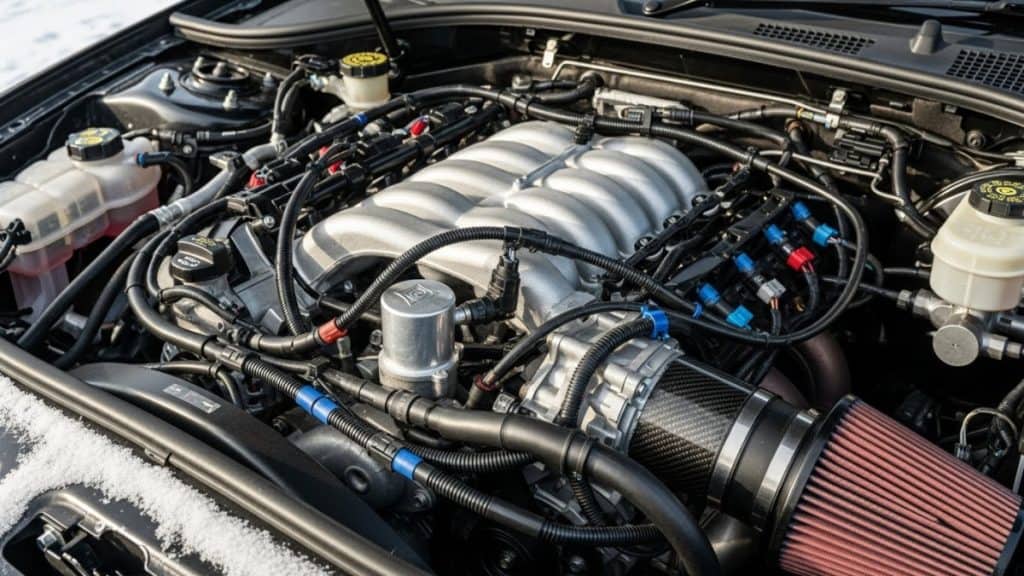
Your ECU reads sensors like:
- Coolant temperature
- Intake air temperature
- Oxygen sensors (once they warm up)
Then it adjusts fueling and idle speed to keep the engine running smoothly while cold.
That’s why many modern cars start cleanly, idle a bit high for a short moment, then settle down quickly. For these cars, the long driveway warm-up usually isn’t needed anymore.
What cold weather actually does to your car engine
Even if your car is smart, physics is still physics. Cold affects a few key things.
Thickened fluids
When it’s cold, fluids get thicker:
- Engine oil flows more slowly at startup
- Transmission fluid can feel sluggish
- Differential and gearbox oils get more viscous
- Power steering can feel lazy at first
Modern multi-grade oils (0W-20, 5W-30, etc.) help a lot, but cold oil still doesn’t behave like warm oil.
Big takeaway: cold starts are real, but you don’t fix them by idling forever. What helps most is avoiding hard driving right away.
Fuel and air mixture on startup
Cold engines run richer during startup, even with fuel injection:
- More fuel is used
- Combustion isn’t as clean at first
- You get more unburned fuel and condensates early on
That rich mixture keeps the engine stable, but it also means you’re burning extra fuel during the warm-up phase.
Catalytic converter and emissions equipment
Your catalytic converter works best once it’s hot. It needs to reach a certain temperature before it can clean up emissions properly.
When the car engine is cold:
- The catalytic converter is cold and less effective
- Emissions are higher
- Some sensors are still in warm-up mode
Here’s the part most people don’t realize: idling warms things up slowly, which can keep the catalytic converter cold longer than gentle driving does.
Do modern cars need to warm up?
No, not like the old days
For most modern fuel-injected cars, the best routine is simple:
Start the engine, wait about 20 to 30 seconds, then drive off gently.
That short pause gives:
- Oil a moment to circulate
- Idle a moment to stabilize
- You a moment to check that everything looks normal
After that, long idling doesn’t offer much benefit for the engine itself. Most cars warm up faster when you drive lightly than when they sit still.
Quick lubrication
Oil pressure builds quickly, usually within a few seconds. Once your idle is stable and there are no warning lights, lubrication is doing its job.
What isn’t fully warmed up yet:
- Oil temperature
- Transmission temperature
- Catalytic converter temperature
Those warm up better with light driving, not sitting still.
What manufacturers usually say
Many owners’ manuals say some version of:
- Avoid prolonged idling
- Drive off gently after starting
- Don’t warm up the engine by leaving it idling
So if you’re unsure, your manual usually supports the “short idle, then gentle drive” approach.
When a longer warm-up actually helps
In general, long idling isn’t ideal, but a few real-world exceptions exist.
Extreme cold
If you’re dealing with serious cold (well below freezing, especially around –15°C to –20°C or colder):
- Oil thickens more
- Rubber and plastic parts get stiff
- Transmissions can feel draggy
In those conditions, letting the engine idle for 1 to 2 minutes can help with drivability. But the real warm-up still happens when you drive, so take it easy and ease into the trip.
Diesel engines
Diesels can be pickier in the cold, especially older ones:
- They rely on glow plugs and high compression
- Diesel fuel can gel without the right winter blend
- Modern diesels have DPF systems that don’t love extended idling
Let it idle briefly to stabilize, then drive gently. In harsh winter climates, battery health, proper winter diesel, and block heaters matter more than idling for 10 minutes.
Older vehicles and classics
If you drive something older with:
- Carburetion
- Mechanical injection
- Basic engine management
Then a longer warm-up may be normal. What’s outdated for a 2020 car can be standard for a 1970 one.
Safety and visibility
This is the one exception nobody should argue with. If you can’t see, you don’t drive.
You may need to idle to:
- Run the defroster and blower
- Melt windshield and mirror ice
- Clear interior fog
That’s a safety choice, not an engine-protection requirement. Pair it with scraping and brushing so you’re not idling longer than necessary.
The downsides of long idling
You burn fuel while going nowhere
Idling means 0 MPG. Do it daily and it adds up over a winter.
It’s not always “gentler” on the engine
Extended cold idling can be rough in its own way:
- The engine runs rich longer than needed
- Over time, that can contribute to fuel dilution in the oil
- Deposits can build faster
- The engine stays in its cold phase longer
Most wear happens during startup and early warm-up. Dragging that phase out doesn’t magically reduce wear.
Emissions stay higher longer
Cold engines pollute more until everything is hot. Sitting still while cold usually means higher emissions for longer.
Legal and theft issues
Some places have anti-idling rules. And leaving a running car unattended is a real theft risk, even in “safe” neighborhoods.
Myths vs. facts
Myth: “You should idle for 5 to 10 minutes to protect your engine.”
Fact: For modern fuel-injected engines, this is outdated. A short idle is enough; gentle driving does the rest.
Myth: “Driving cold is bad, so warming up parked is safer.”
Fact: It’s not about driving cold. It’s about not driving hard while cold.
Myth: “Idling is always less stress than driving.”
Fact: Cold idling still means thick fluids, rich fueling, and slow warm-up. Light driving warms things faster and more evenly.
Myth: “I need a long idle warm-up or I won’t get heat and defrost.”
Fact: You do need some warmth, but gentle driving usually brings cabin heat faster. If you need to idle for visibility, do it. Just keep it practical.
What to do on a cold morning
Here’s the simple routine that works for most modern cars.
1) Start it and wait 20 to 30 seconds
Start the engine, check warning lights, let the idle settle.
2) Drive gently for the first few minutes
Keep RPM moderate, avoid hard acceleration, and treat the first part of the drive like a warm-up lap.
3) Clear the car properly
Windows, mirrors, lights, and snow on the roof. If you need to idle a bit longer to defrost safely, that’s fine.
4) Use the right oil and keep your battery healthy
Correct oil viscosity and a strong battery make cold starts much easier.
5) Consider a block heater in extreme cold
If you regularly deal with deep-freeze temps, a block heater (or oil pan heater) can reduce cold-start stress and get heat faster.
The bottom line
For most modern fuel-injected cars, you don’t need a long idle warm-up for engine protection.
A short idle (about 20 to 30 seconds), followed by gentle driving, is usually the best way to warm up the engine, transmission, and exhaust system.
The exceptions are real, but they’re specific: extreme cold, diesel engines, older classics, and visibility requirements.
If you tell me your typical winter temps and whether the car is gas or diesel, I can tweak the “cold morning routine” to fit your exact setup.
Check out my blog for more car care tips to make your life easier. I also have some products that I highly recommend.