Skip to content

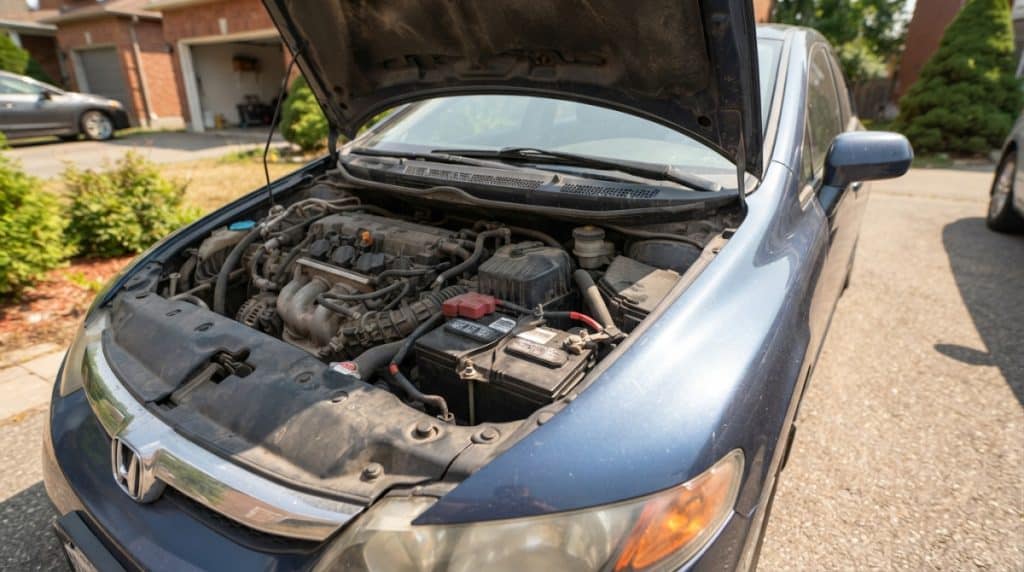
A lot of people blame winter when their car battery dies.
It makes sense. The car starts fine one week, the temperature drops, and suddenly the engine barely cranks. From the driver’s seat, it feels like the cold killed the battery overnight.
But in many cases, winter is not the whole story. The battery may have already been getting weaker for months. Summer heat can quietly wear it down, then winter cold exposes the problem when the battery no longer has enough power to start the car.
This article is about the regular 12-volt starting battery used in most gas and diesel vehicles. It is not about an EV’s high-voltage traction battery.
Quick Answer: Does Summer Heat Kill your Battery?
Summer weakens the battery. Winter reveals the weakness.
For long-term battery health, summer heat can be harder on a conventional 12-volt car battery than winter cold. Heat speeds up internal wear, increases chemical breakdown, and can shorten the battery’s service life.
Cold weather works differently. It reduces the battery’s available starting power, so an old or heat-weakened battery may finally fail during the first serious cold snap.
Most car batteries have a typical service life of about three to five years, so testing becomes more important once the battery is around the three-year mark. A battery, starter, and charging-system test can catch weakness before the car refuses to start.
Why Winter Cold Usually Gets Blamed
Winter gets blamed because that is when battery failure becomes obvious.
A battery that seemed fine in September may struggle in January. From the driver’s seat, it feels like the cold caused the entire problem because that is when the slow crank or no-start finally happens.
This is why a weak battery may seem fine in the fall but fail in the winter. It was not necessarily perfect before the cold arrived. It may have already lost capacity from age, heat, short trips, low charge, vibration, or internal wear.
How Summer Heat Damages a Car Battery
Summer battery damage is usually quieter.
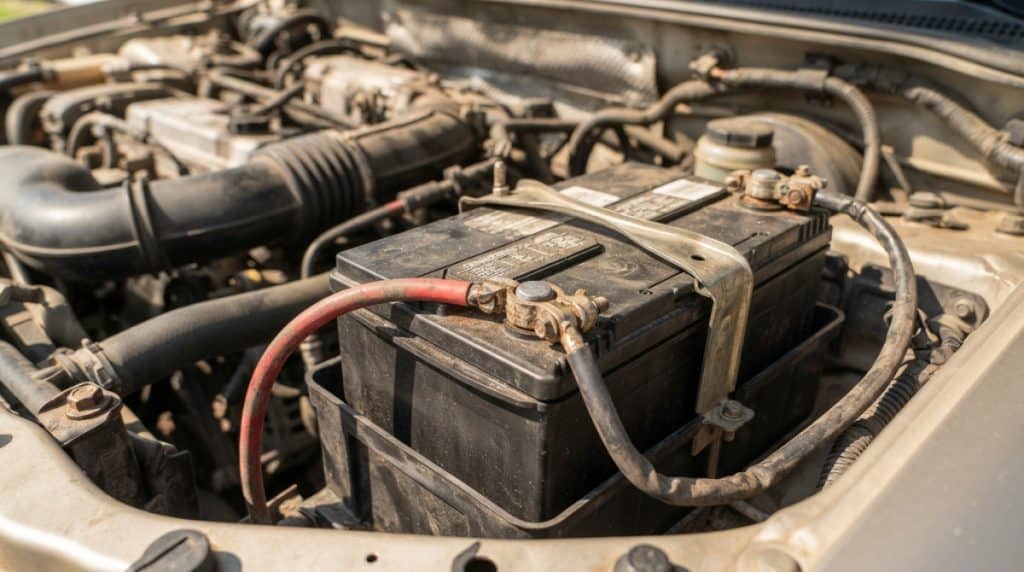
The car may still start. The lights may still work. Nothing may look obviously wrong. But under the hood, heat can slowly speed up the aging process inside the battery. In hotter areas, underhood temperatures can climb past 150°F, which is a rough environment for a battery that is already aging.
There are a few ways this happens.
First, heat speeds up chemical wear. A battery is basically a chemical power source, and higher temperatures make those internal reactions happen faster. That can sound like a good thing, but over time it speeds up aging too.
Second, heat can dry out flooded batteries. Older-style flooded lead-acid batteries contain liquid electrolyte around the plates. When heat and charging stress cause water loss, less of the plate area can stay properly covered. That makes the battery weaker and more prone to sulfation.
Third, heat speeds up grid corrosion. The internal metal grids help support the active material on the battery plates. Over time, those grids slowly degrade. Heat speeds up that electrochemical wear, which reduces capacity, weakens starting power, and eventually leads to failure.
Fourth, heat can make charging problems worse. A weak voltage regulator or bad charging system can overcharge or undercharge the battery. Either one can shorten battery life, but overcharging in hot conditions is especially rough because it can cook the battery even faster.
The real-world difference shows up by region too. Vehicle batteries in the southern United States have been reported to last an average of 17 months less than batteries in colder northern climates.
That is why heat is so sneaky. A battery can keep working while it is slowly losing reserve strength in the background.
What Cold Weather Does Differently
Cold weather mainly affects how well the battery can perform right now.
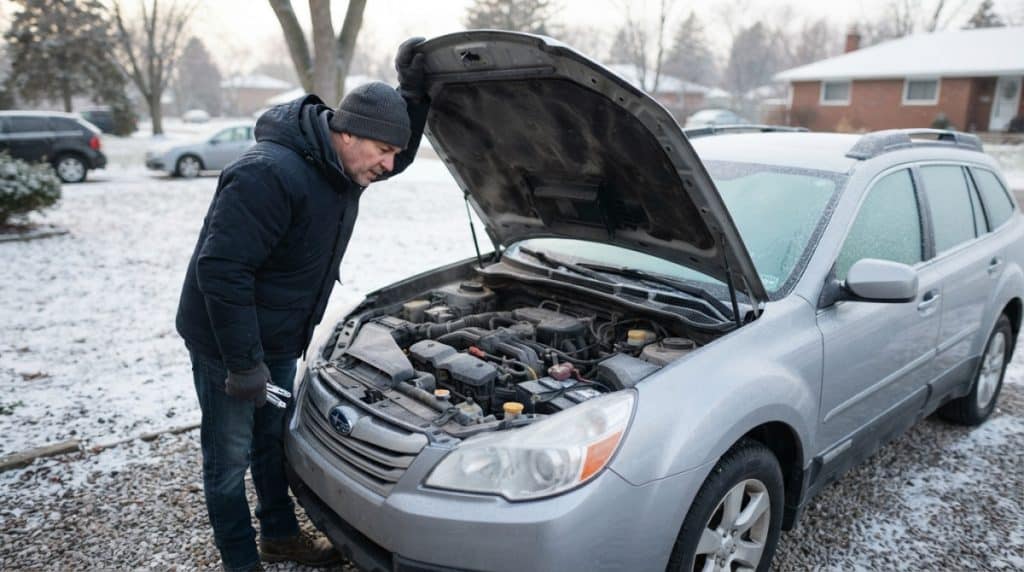
A battery needs chemical reactions to create electrical power. Cold slows those reactions down. The colder it gets, the harder it is for the battery to deliver strong cranking power.
This is why Cold Cranking Amps, or CCA, matters when replacing a battery. CCA measures how much current a battery can provide for 30 seconds at 0°F. Do not install a battery with a lower CCA rating than your vehicle requires. A lower-rated battery may struggle more during cold starts, even if it physically fits in the tray.
You do not need to chase the highest CCA number on the shelf. The battery also needs the correct group size so it fits securely, clears nearby parts, and lines up with the cables properly. The group size matters because it affects the battery’s physical fit, terminal location, and performance specs.
Summer Heat vs. Winter Cold: Which Is Worse?
Summer and winter hurt batteries in different ways.
| Question | Summer heat | Winter cold |
|---|---|---|
| What does it mainly do? | Speeds up internal aging and corrosion | Reduces available starting power |
| Is the damage obvious right away? | Not always | Often, yes |
| When does the driver notice it? | During a heatwave, road trip, or later in the year | During a cold start |
| What is the main risk? | Shorter battery life | Slow crank or no start |
| Which is worse long-term? | Usually summer heat | Usually not the main long-term cause |
So which one is worse?
For long-term battery health, summer heat is usually the bigger enemy. For immediate starting problems, winter cold is usually when drivers notice the issue first.
They work together more than people realize. Heat weakens the battery. Cold demands more from it.
Can a Battery Die During a Heatwave?
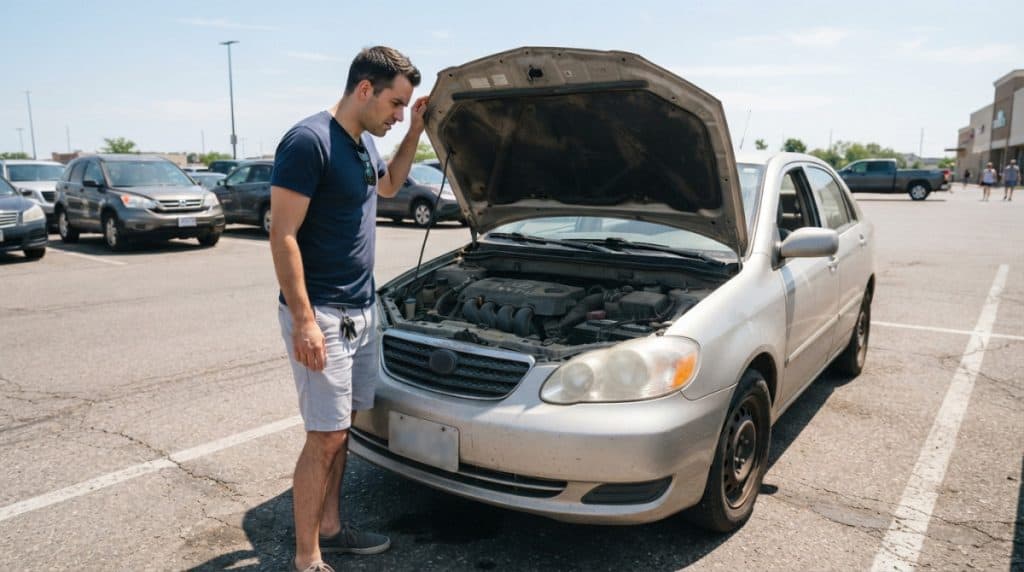
Yes. An older or already weak battery can die during a heatwave.
Heat can push a marginal battery over the edge, especially if the car has loose terminals, a weak charging system, or a battery that has been drained too many times.
This is also why summer road trips can expose battery problems. Long drives, traffic, extra electrical load, and high underhood temperatures can all add stress. In hotter parts of the country, underhood temperatures can climb past 150°F, which gives an aging battery an even rougher environment.
If your battery dies during summer, do not assume the heat is the only cause. Have the battery and charging system tested. Sometimes the battery is bad, the alternator is not charging correctly or the terminals are loose or corroded.
Guessing can lead you to replace the wrong part.
Flooded vs. AGM Batteries in Hot Weather
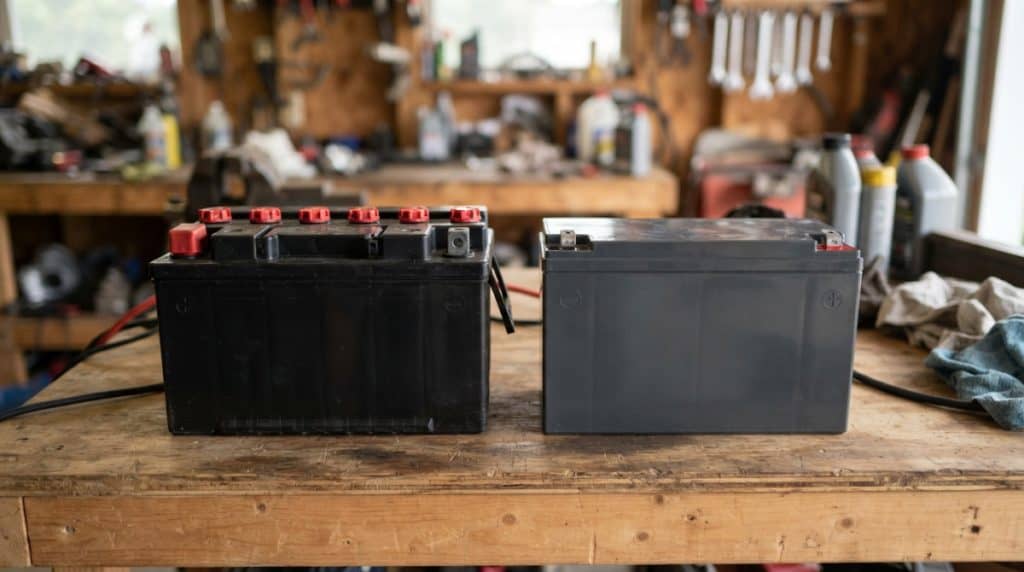
Not all 12-volt batteries are built the same way.
A traditional flooded lead-acid battery has liquid electrolyte inside. Heat can contribute to water loss, especially when the battery is overcharged or already aging. If the electrolyte level drops too far in a serviceable battery, the plates can be exposed and damaged.
An AGM battery, short for Absorbent Glass Mat, holds the electrolyte in fiberglass mats instead of letting it freely slosh around. AGM batteries are common in many newer vehicles, especially cars with start-stop systems or heavier electrical demands.
AGM batteries are usually more resistant to vibration and are sealed from normal water loss, but that does not mean heat cannot hurt them. Heat can still speed up internal corrosion and aging. AGM batteries also need the correct charging behavior, so replacing an AGM with the wrong type of battery can create problems.
Battery type matters too. A car that came with an AGM or EFB battery should usually be replaced with the same required type, not just the cheapest battery that fits.
The practical takeaway is simple: do not choose a replacement battery by price alone. Match the battery type, group size, terminal layout, and CCA rating your vehicle needs.
Other Things That Kill Batteries Faster
Weather matters, but it is not the only thing that shortens battery life.
Common battery killers include:
- Repeated short trips: The battery may not fully recover after starting the engine.
- Loose battery mounting: Vibration can damage internal parts.
- Corroded terminals: Poor connections can make a good battery act weak.
- Repeated deep drains: Starting batteries are not designed to be drained flat again and again.
- Charging-system problems: Overcharging or undercharging can shorten battery life.
- Long periods of inactivity: A parked car can slowly drain the battery through normal electrical loads.
If your battery keeps dying even after being replaced, the weather may not be the real problem. You may be dealing with a parasitic drain, charging issue, or poor connection.
Which Batteries Are More Vulnerable in Summer?
Some batteries are more likely to struggle in hot weather.
Higher-risk batteries include:
- Batteries more than three years old
- Batteries that have been jump-started several times
- Batteries in vehicles used mostly for short trips
- Batteries that sit unused for long periods
- Batteries with loose or corroded terminals
- Batteries that are not held securely in place
- Batteries exposed to charging-system problems
- Batteries missing a factory heat shield
- Batteries in cars parked outside most of the time
Age matters, but it is not the only factor. A newer battery can still have a shorter life if it is constantly exposed to heat, vibration, low charge, or electrical problems.
How to Help Your Battery Survive Summer and Winter
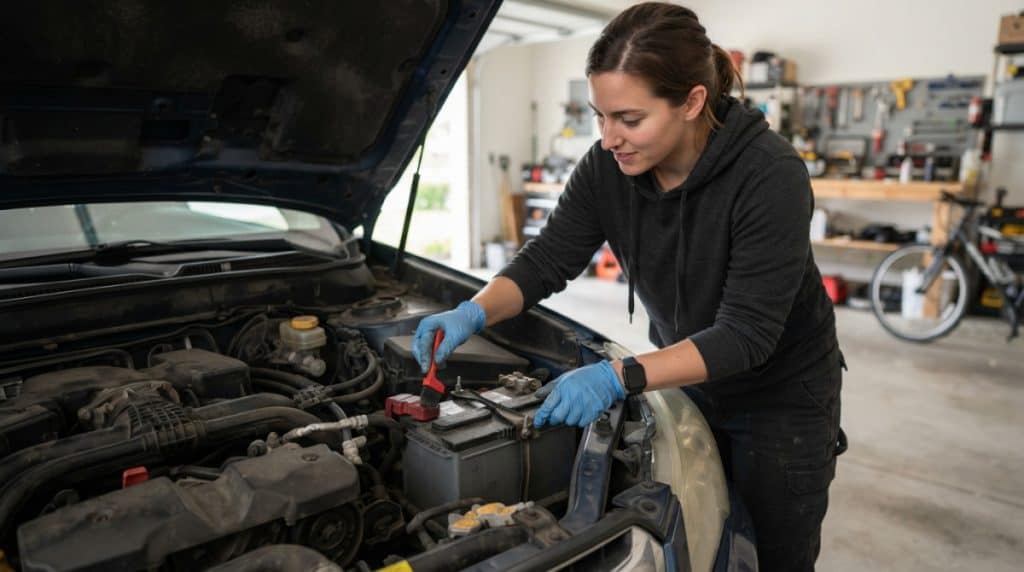
The best battery care depends on the season.
In summer, the goal is to reduce heat stress and vibration. In winter, the goal is to make sure the battery has enough power available for cold starts.
Summer Battery Protection Tips
Park in shade or a garage when possible. This will not remove all underhood heat, but it can reduce how hot the parked vehicle gets.
Keep the factory battery cover or heat shield installed. Some vehicles use a battery cover or shield for a reason. If it was removed during service, make sure it goes back on properly. If your vehicle came with a battery cover or heat shield, put it back after battery service or replacement. Automakers usually add those parts because the battery needs protection from heat, vibration, or nearby engine-bay conditions.
Make sure the battery is secure. A loose battery can vibrate while driving. That movement can damage internal parts over time.
Keep the terminals clean and tight. Corrosion and loose terminals can make the battery act weaker than it really is.
Avoid draining the battery repeatedly. Leaving lights, accessories, or electronics on with the engine off can shorten battery life, especially if it happens often.
Test the battery before a summer road trip. A quick battery test can catch a weak battery before it leaves you stuck away from home.
For more help spotting warning signs, read our guide on how to tell if your car battery is dead or dying.
Winter Battery Protection Tips
Have the battery tested before freezing weather. This is especially important if the battery is a few years old or the engine has started cranking slower than usual.
Use the correct replacement battery. The battery should match the proper group size, terminal layout, and CCA rating for your vehicle.
Keep the battery fully charged. A weak or partially discharged battery has a harder time starting the engine in cold weather.
Use a battery maintainer if the car sits for long periods. This is helpful for weekend cars, stored vehicles, or cars that do not get driven enough to recharge properly.
Use only proper automotive battery warmers in very cold areas. Some drivers in harsh winter climates use a battery blanket or battery warmer to help with cold starts. Use only a product designed for vehicle batteries. Do not wrap the battery with a random towel, blanket, or homemade material under the hood.
Turn off accessories before starting. Lights, heated seats, blower fans, and other accessories all use power. Turning them off before cranking gives the battery a better chance.
Do not jump-start a frozen battery. A frozen or damaged battery can be dangerous. Do not charge or jump-start a battery that looks frozen, swollen, cracked, or leaking. That is no longer a normal weak-battery situation, and it should be handled carefully.
For a deeper winter-specific guide, read how to keep your car battery from dying in cold weather.
When Should You Have the Battery Tested?
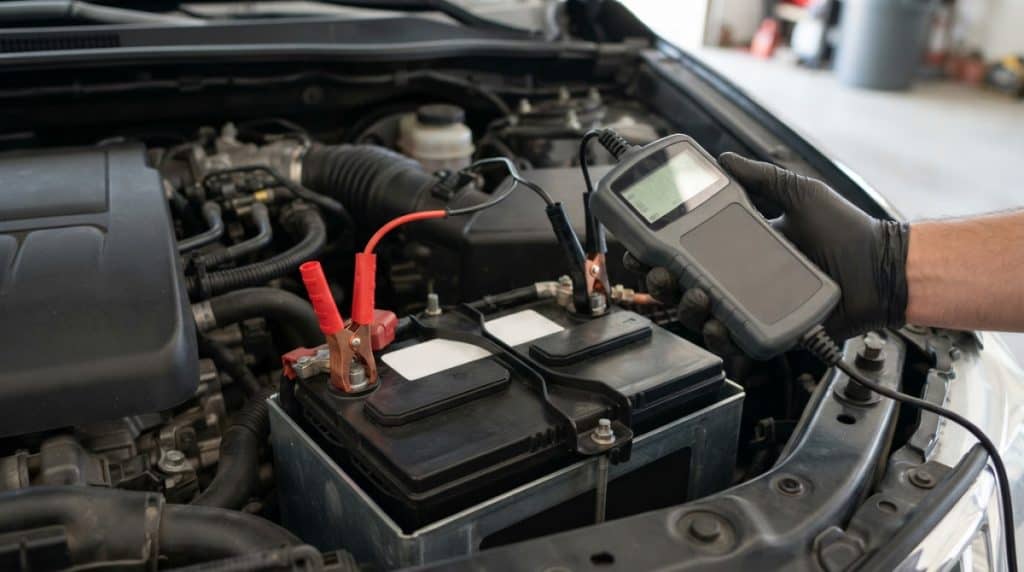
Testing is worth doing before the battery leaves you stranded.
Have it checked if:
- The battery is more than three years old
- The engine cranks slowly
- The car recently needed a jump-start
- The battery keeps losing charge
- The vehicle just went through a long heatwave
- You are getting ready for a road trip
- Winter is coming after a very hot summer
A proper battery test tells you more than just voltage. A battery can show decent voltage and still be weak under load.
A simple 12V battery tester can help you check for obvious battery weakness before extreme weather hits. The KONNWEI KW208 is useful for a quick at-home battery check, but it is not a replacement for a full shop diagnosis.
MotorHills may earn a commission from purchases made through this link, at no extra cost to you.

If the car sits unused for weeks at a time, also read our guide on how to safely store a car battery when not in use.
Common Misunderstandings About Weather and Batteries
“My Battery Worked All Summer, So Heat Did Not Hurt It”
Heat damage can build slowly. The battery may still start the car while losing reserve strength in the background.
“The Cold Killed a Perfectly Good Battery”
Maybe, but often the battery was already weak. Cold just made the weakness obvious.
“A New Battery Is Safe From Heat”
A new battery should handle normal use, but repeated heat exposure, vibration, low charge, and poor installation can still shorten its life.
“The Battery Light Will Warn Me First”
The battery light usually points to a charging-system problem. It is not a complete battery-health monitor.
FAQs
Why do car batteries seem to die more often in winter?
Because cold weather reduces the battery’s available starting power. A battery that had just enough strength in warm weather may not have enough once the temperature drops.
Can one hot summer ruin a battery?
One hot day probably will not ruin a healthy battery. Repeated heat exposure can shorten its life, especially if the battery is older or already weak.
Does running the AC damage the battery?
With the engine running and the charging system working correctly, normal AC use should not kill a healthy battery. Running accessories while the engine is off is different because that drains the battery directly.
Should I replace my battery before summer or winter?
Replace it based on age, test results, slow-cranking symptoms, and the correct battery specification for your car. The season matters, but testing matters more.
Is an AGM battery better in hot weather?
AGM batteries can handle vibration well and are common in newer vehicles with heavier electrical demands. However, heat can still shorten their life, and they need the right charging system. Use the battery type your vehicle requires.
Can heat make a battery swell or leak?
Yes. Excessive heat, overcharging, or internal failure can lead to swelling, cracking, or leakage. Do not casually handle a swollen or leaking battery.
Summer Causes the Damage, but Winter May Deliver the Final Blow
Winter gets the blame because that is when many batteries finally fail to start the car. But summer heat is often the season that quietly shortens the battery’s life.
The best move is simple: do not wait for the first freezing morning or the next heatwave. Keep the battery secure, keep the terminals clean, avoid repeated deep drains, and have it tested before extreme weather.
A battery that looks fine on the outside can still be weak inside. Testing it early is a lot better than finding out in a parking lot, driveway, or gas station when the engine refuses to start.