Skip to content

Understanding Vehicle Systems
Fundamentally, keeping the car going, saving dollars in repair, and prolonging its life all basically go to the root of understanding vehicle systems – powertrain, drivetrain, and chassis. Knowing the ways in which different parts of your vehicle function empowers you to detect problems at their fledgling stages, handle maintenance tasks with ease and efficiency, and make better decisions about repairs or upgrades that may be needed.
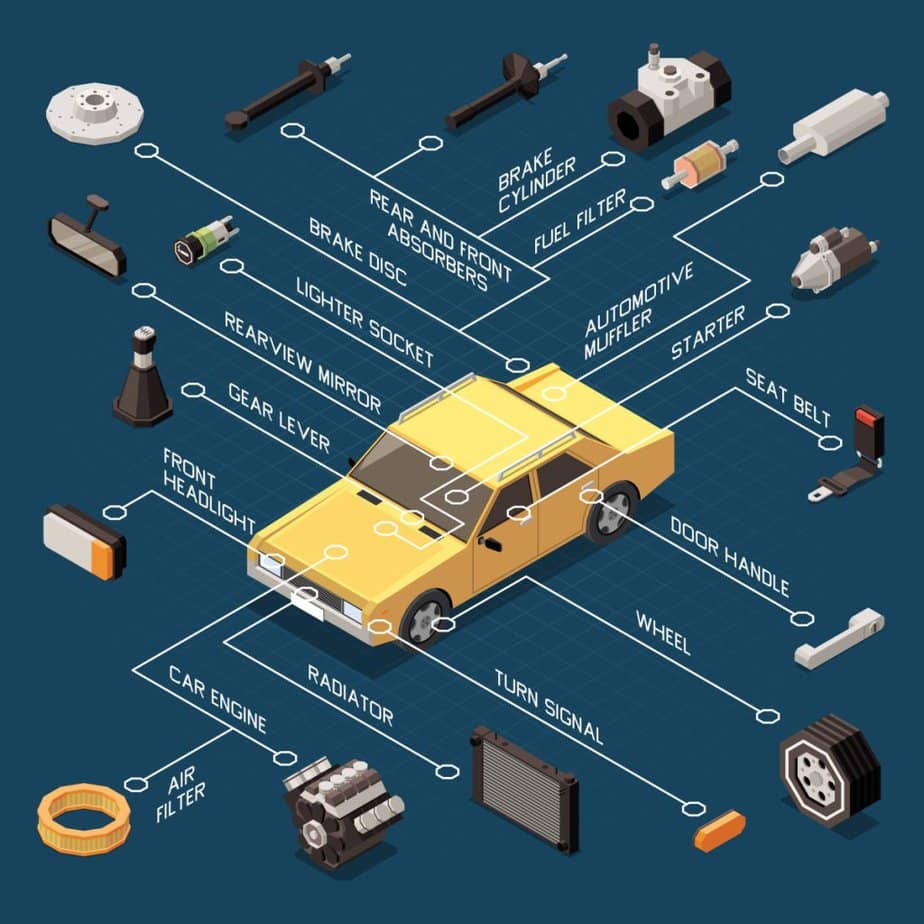
In the following article, we’ll cover the big three components of a vehicle systems: powertrain, drivetrain, and chassis. We’ll discuss every part of the system, including the engines, transmissions, differentials, suspension, steering, and brakes.
By the end, you’ll have developed the broad understanding that will help you keep your car purring right for many years to come.
Powertrain
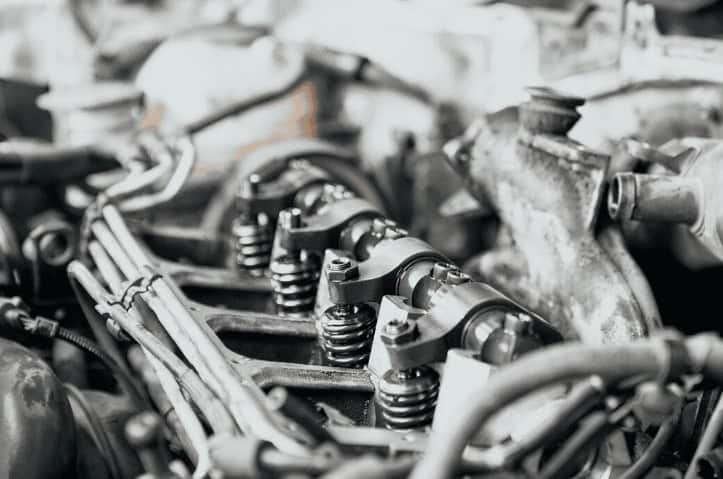
The powertrain describes those parts of an automobile that produce power and then transmit this power to the road. Such components include an engine, a transmission system, a driveshaft, differentials, and axles. Each of these components is paramount to your car’s performance, efficiency, and driving dynamics. Such regular maintenance keeps everything running right.
Engine: Think of the Engine as Your Car’s Heartbeat
Consider the engine the ‘heart’ of any vehicle; it turns fuel into energy to set the vehicle in motion. Essentially, that’s a lot of complicated machinery at the core of your car’s performance.
How a Combustion Engine Works
A combustion engine works based on internal combustion. In all, there are four major strokes: intake, compression, power, and output. During the intake stroke, an engine takes in a mix of air and fuel. The mixture is then squeezed by the piston during the compression stroke. Afterwards, a spark plug lights the fuel-air mixture that has become compressed, ultimately causing an explosion that pulls the piston down. We call this the power stroke. Finally, the exhaust stroke follows, allowing the burned gases to escape from the cylinder.
Different Kinds of Engines
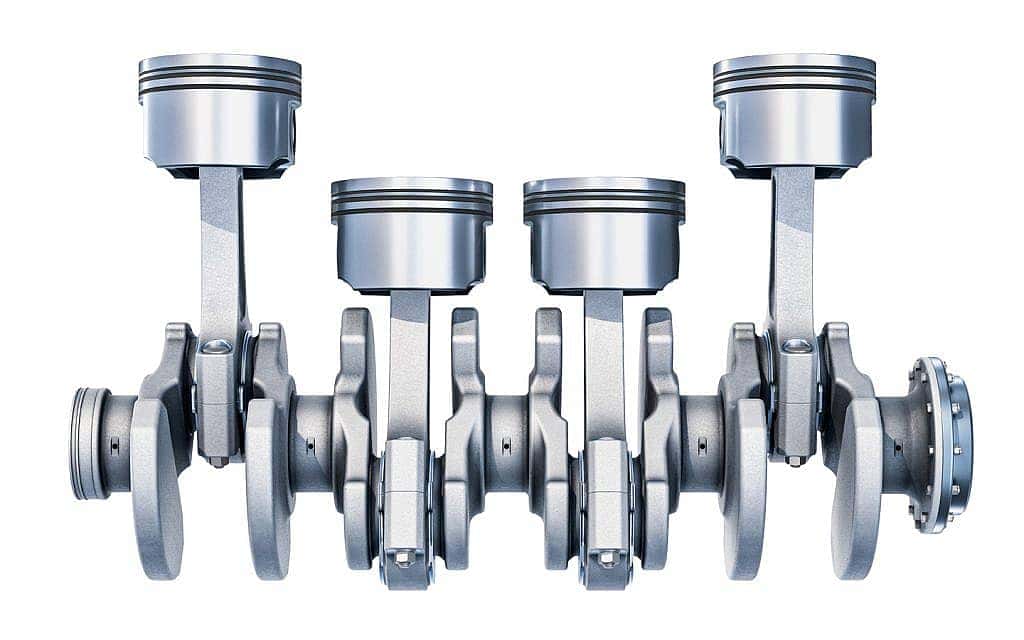
- Inline Engines: This kind has the cylinders aligned in a single line. The majority of the vehicles have them fitted due to its simplicity and balance.
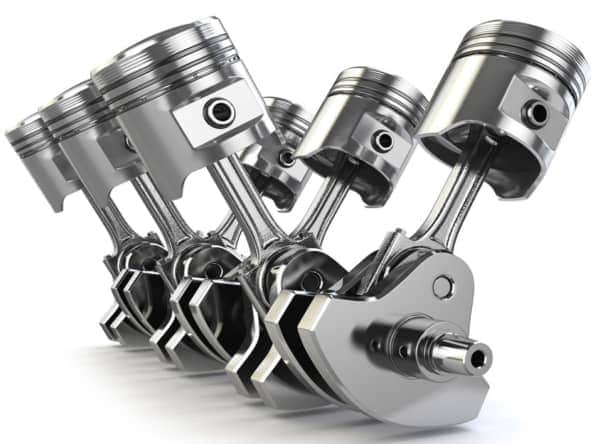
- V-Type Engines: It is where cylinders are mounted on two banks, bent into a “V” shape. This provides compact space to fit more number of cylinders, hence power, with smooth performance.
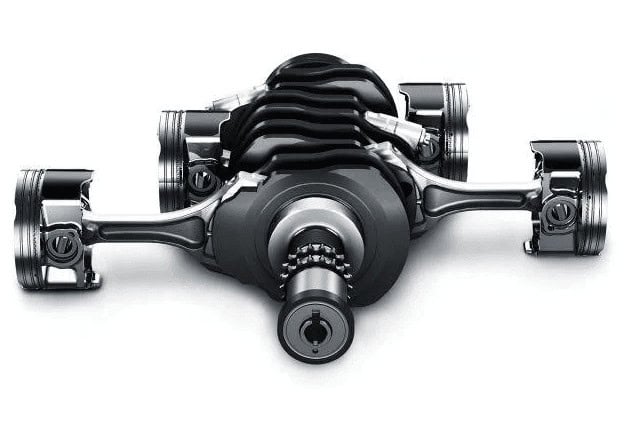
- Boxer Engines: Also known as flat engines; these have horizontally opposed cylinders. This design reduces the center of gravity, thus increasing stability and handling of the vehicle.
Major Components of an Engine
- Cylinders: The main chambers where fuel combustion takes place.
- Pistons: These are what’s inside the cylinder that move up and down due to the combustion.
- Crankshaft: It converts the engines’ linear motion into circular motion so that the wheels could rotate.
- Spark Plugs: These ignite the fuel-air mixture in the cylinders to create combustion. Camshaft: This is a component that opens and closes valves in an engine.
Maintenance Tips for Engines
- Regular Oil Changes: Standard oil changes lubricate the parts of an engine. This reduces friction and, hence, reduces wear. Regular oil changes will ensure a smooth running of the engine and increase its life.
- Checking and Replacing Air Filters: Air filters prevent the infusion of dust and dirt into the engine. A clean air filter improves the efficiency and performance of the engine by properly mixing the air-fuel mixture.
- Cooling System Checks: The cooling system prevents overheating of the engine. Check the level of coolant regularly and inspect the radiator and hoses for leakage.
- Use the Right Fuel and Additives: Doing so will maintain performance with the recommended grade of fuel. Adds to the fuel clean fuel system, reduces emissions, and gives better gas mileage.
- Regular Checks: Professional and regular checking of the engine will help save bucks on an expensive repair job while keeping performance at its best.
Drivetrain
The drivetrain refers to that part of the vehicle that conveys the power developed by the engine to the wheels, thus enabling the movement of a vehicle. The main parts in a drivetrain include transmission, driveshaft, differential, and axles. All these parts have crucial roles in ensuring that power output from the engine reaches the wheels efficiently.
Transmission: The Gear Shifter
It is responsible for controlling the speed and torque of your vehicle. The transmission controls the distribution of the power from the engine to the wheel with the help of gears.
Types of Transmissions
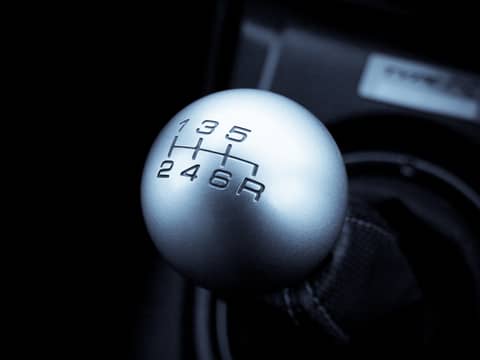
- Manual Transmissions: These are the ones in which the driver has to shift the gears themselves using a clutch and gear stick. It is said to give more control and thus be preferred among sports cars.
How does it work? – In this, the driver presses the clutch to disengage it and change the gears. This engages the different ratio gear settings to the driveshaft.
- Automatic Transmissions: This transmission automatically changes gears based on the vehicle’s speed and how hard the engine is working. This makes things easier on most drivers.
How does it work?–It uses a torque converter and planetary gear set to automatically engage the optimum gear ratio automatically.
- CVT (Continuously Variable Transmission): A continuously moving range of gear ratios provided by a belt and pulley system gives way to smoother and always constant acceleration.
How does it work?– Continuously varies the effective gear ratio with the adjustment of the belt and pulleys; no ratcheting gear changes
- Dual-Clutch Transmissions: It is an automated transmission that makes use of two clutches to enable shifting between gears faster and smoother; most used on high-performance cars
How does it work?– Pre-selects the next gear while the car is engaged in one gear. Almost instant shifting is achieved.
Why It’s Important To Keep Your Transmission in Good Shape
If the transmission is well maintained, one will have smooth transmission performance. This would also save one from huge repair costs. If your transmission system fails, your vehicle’s performance will be poor; sometimes the vehicle might not move.
Tips for Transmission Maintenance
- Check and change the fluid regularly: Transmission fluid lubricates and cools the transmission. This will ensure that the transmission runs smoothly, and the risk of damage is reduced.
- Notice Slip or Missed Changes, Rough Shifting, and Other Noises in Transmission Behavior: These can act as indicative warnings that something is possibly wrong.
- Need for Prompt Repairs: Early detection of any transmission problem will prevent bigger damages that may require costly repairs later.
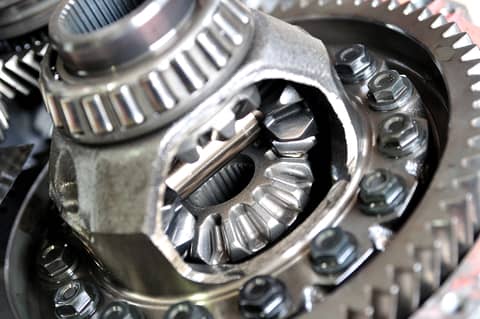
Differential: Handling and Stability
The differential is one of the most important components in your vehicle’s drivetrain, and it allows the wheels to rotate at different speeds, a feature extremely essential when you need to turn.
Types of Differentials
- Open Differential: The most common because it allows for wheels to spin independently of each other at different speeds.
- Limited-Slip Differential: Synchronizes wheel speed to provide more traction.
- Locking Differential: In low-traction scenarios, like little off-road, a differential locks both wheels on an axle and has them revolve at the same pace.
How They Help with Handling and Stability
Differentials balance out the power to the proper wheels, providing better handling and stability in turns or on slippery conditions.
Tips on Differential Maintenance
- Fluid checks: Fluid changes at regular intervals will keep the differential well lubricated and with smooth functioning.
- Monitoring for unusual noises: Grinding, whining sounds may tell of problems that may be of importance and immediate repair.
- Proper Lubrication: Check the differential fluid level regularly.
Chassis
The chassis of a vehicle serves as the structural framework to which all other components are attached. These systems are absolutely vital for maintaining vehicle stability, ensuring smooth handling, and maximizing safety.
Suspension: The Ride’s Unsung Hero
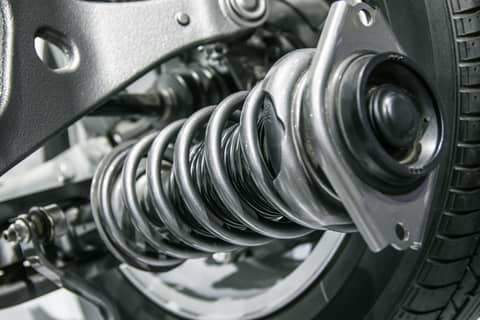
The suspension system is vital for absorbing shocks from the road, ensuring a smooth and stable ride. This increases comfort and retains contact between the tire and road, hence safe driving.
Suspension Types
- Independent Suspension: Each wheel travels independently, and it clearly provides better handling and comfort.
- Dependent Suspension: The wheels’ arrangement is connected and moves jointly; it is much simpler and cheaper, although less comfortable.
- Air Suspension: Variable ride height and improved comfort by using air springs.
Suspension Components
- Shocks and Struts: It absorbs and dampens the impact that comes from the bumps.
- Springs: This is what supports the weight of the vehicle, and at the same time, absorbs energy from impacts.
- Control Arms: These parts fasten the suspension to your vehicle’s frame and allow controlled wheel motion.
How Suspension Impacts Your Ride
Properly functioning suspension is crucial to the comfort, handling, and safety of your drive. Suspension supports the tires’ contact with the ground and ensures that you have optimal grip, which in turn minimizes wearing on tires.
Suspension Maintenance Tips
- Inspect for the wear and tear of shocks, struts, springs: Periodically check your shocks, struts, and springs for wear and tear.
- Replace Worn-Out Components: Immediately swap out any worn or damaged components in the system to ensure excellent results.
- Keep the system clean: Let not dirt and other materials accumulate and cause damage in the long run.
Steering: Navigating the Roads
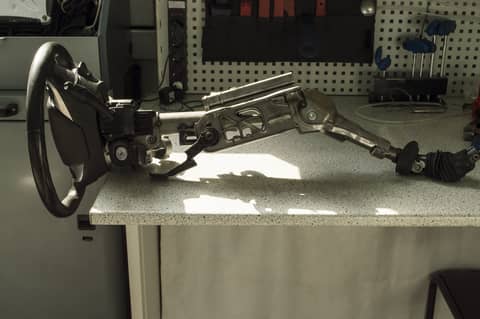
The steering system allows you to point your vehicle in a chosen direction. The steering system has evolved from the simple mechanical steering system to the complex power and electric steering systems.
Types of Steering Systems
- Manual Steering: It is a type of steering system that uses a direct mechanical link between the steering wheel and the wheels.
- Power Steering: It uses hydraulic or electric assist to make steering easier.
- Electric Power Steering (EPS): It uses electric motors to provide steering assistance to a vehicle for improved fuel efficiency and more control.
Components of a Steering System
- Steering Wheel: This is the element of the steering system that provides an interface to the driver regarding vehicle direction.
- Steering Column: This component connects the steering wheel with the steering mechanism.
- Rack and Pinion: A setup that converts the rotational movement provided at the steering wheel into linear movement, which turns the wheels.
Common Problems and Maintenance Tips
- Checking Fluid Levels Frequently (for Power Steering): Check that the quantity of power steering fluid is adequate to provide satisfactory performance.
- Checking the Alignment: Repeated checks avoid uneven tire wear and result in better handling. Look and fix any tightness or loose steering: Any tightness or loose steering will cause loss of directional control.
Brakes: Safety First
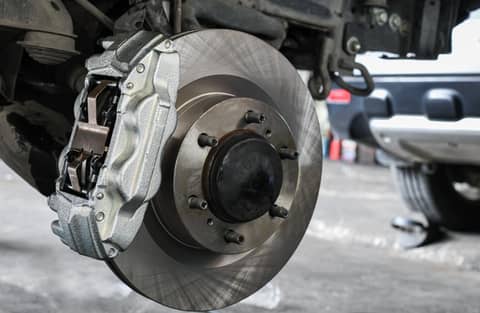
A vehicle braking system is only fully functional to enable one to slow down or completely stop at will. There are different types of brakes with varying advantages.
Types of Brakes
- Disc Brakes: It uses calipers to squeeze a pair of pads on a disc to provide great braking performance.
- Drum Brakes: These use brake shoes that rub on the inside of a drum.
- ABS (Anti-lock Braking System): This prevents you from locking up your wheels to hold your grip and control while braking.
Major Brake Components
- Calipers: These squeeze the brake pads into the rotors.
- Pads: Create friction to stop the car.
- Rotors: The discs the pads clamp onto to create the force needed to stop.
- Brake Lines: They carry brake fluid from the master cylinder to the brakes.
Signs Your Brakes Need Attention
- Squeaking noises or grinding noises: Normally, it is an indication of worn-out brake pads or other issues.
- Check your brake pads and rotors regularly for wear: Observe these for wear and change if need be.
- Brake fluid levels: Check to see that the fluid level is at the right amount for appropriate braking.
Keep Your Vehicle System in Top Shape
Having a thorough understanding of every element that makes up your vehicle systems–powertrain, drivetrain, and chassis really empowers you to keep your car running at its optimum level. Equipped with this knowledge, you can easily diagnose problems even before they have become major issues, perform basic maintenance checks, and make relevant decisions on repair and improvement.
Powertrain: This comprises the engine, transmission, driveshaft, differentials, and axles. This aspect seeks to ensure efficient power delivery and overall vehicle performance.
Drivetrain: Routine checks on components that transmit power from the engine down to the wheels are important.
Chassis: The suspension, steering, and brakes; attending to these ensures stability, handling, and safety.
Regular checks, timely repairs, and proper products will ensure the reliability of the vehicle for years of comfortable driving.
FAQs
1. Why is regular maintenance important for my car’s engine?
- Regular maintenance prevents major issues, enhances performance, and extends the engine’s life.
2. How often should I check my transmission fluid?
- Check your transmission fluid every 30,000 to 60,000 miles, depending on your vehicle’s make and model.
3. What signs indicate suspension problems?
- Common signs include uneven tire wear, bouncing, and a rough ride.
4. How do I know if my brakes need attention?
- Listen for squeaks, grinding noises, and check if the brake pedal feels soft or spongy.
5. What are the benefits of using a limited-slip differential?
- A limited-slip differential provides better traction and handling, especially in slippery conditions.
Resources: