Skip to content

Boxer engines are one of those things in the car world that quietly stand apart. The design is unusual, the sound is unmistakable, and the driving feel? Definitely different. If you’ve ever seen a Subaru or Porsche engine from the side, you’ll notice it doesn’t sit upright like most. Instead, it lies flat — like it’s hugging the road.

This article breaks down what makes boxer engines tick, where they shine, and what quirks they bring along for the ride. We’ll explain the basics, dig into the deeper engineering, and offer some grounded insight for real-world ownership.
Quick Answer
A boxer engine uses pistons that move in opposite directions on a horizontal plane. This design creates a low center of gravity, smooth operation, and a distinctive engine note. It’s most commonly found in Subarus and Porsches, offering benefits in handling and balance but also introducing some packaging and service challenges.
Boxer 101: What It Means and How It Works
In plain terms, a boxer engine (also called a flat or horizontally-opposed engine) has cylinders laid out in two opposing banks. Instead of the pistons firing up and down (like in an inline engine) or at angles (like in a V engine), they move side to side; one piston moves left as the opposite one moves right. Think of two people fist-bumping repeatedly across a table. That’s the basic motion.
Most boxer engines have a shared crankshaft with separate crankpins for each pair of pistons. This means the engine is inherently balanced — at least in primary motion — because each piston has a mirrored partner.
You’ll find boxer engines in:
- Subaru’s flat-fours
- Porsche’s flat-sixes
- A few aircraft engines and specialty applications
How It Differs from Inline and V Engines
Shape and Packaging
A boxer engine is wide but low, which helps lower the car’s center of gravity. Compared to an inline engine (tall and narrow) or a V engine (shorter but taller than a boxer), this flat shape influences everything from engine bay layout to crash structure.
Balance and Vibration
Boxers are known for their smoothness. The opposing pistons cancel out each other’s motion, leading to excellent primary balance. However, some secondary vibrations remain, especially in four-cylinder designs.
Crankshaft and Firing Order
Boxer cranks have crankpins set 180 degrees apart, which contributes to smoothness and a predictable firing order. It also affects how exhaust pulses line up, which ties directly into sound and performance tuning.
Going Deeper: Engineering Insights
Balance and NVH (Noise, Vibration, Harshness)
Because of their symmetry, boxers handle vibration better than many engine types. The flat layout reduces rocking motions, leading to a more refined idle and cruise. However, engine mounts and chassis tuning still matter — especially when tuning for sportier feedback.
Crankshaft Torsion and Load
Boxer cranks experience unique loading patterns. The crank is long and flat, and while well-supported, it can suffer from torsional effects at high RPM. That’s why bearing design and crank rigidity matter more than you might think.
Lubrication and Oil Control
The width of a boxer engine makes oil control tricky under lateral g-forces. In long corners or hard braking, oil can move away from pickups if the sump isn’t baffled properly. Subaru’s performance models and Porsche’s dry-sump systems address this differently but either way, proper oiling is critical.
Cooling
With the cylinders spread wide, coolant routing has to cover a lot of ground. Uneven cooling between the left and right banks can become an issue if the system isn’t designed well. That’s something Subaru owners often think about when adding power or changing radiators.
Exhaust and Sound
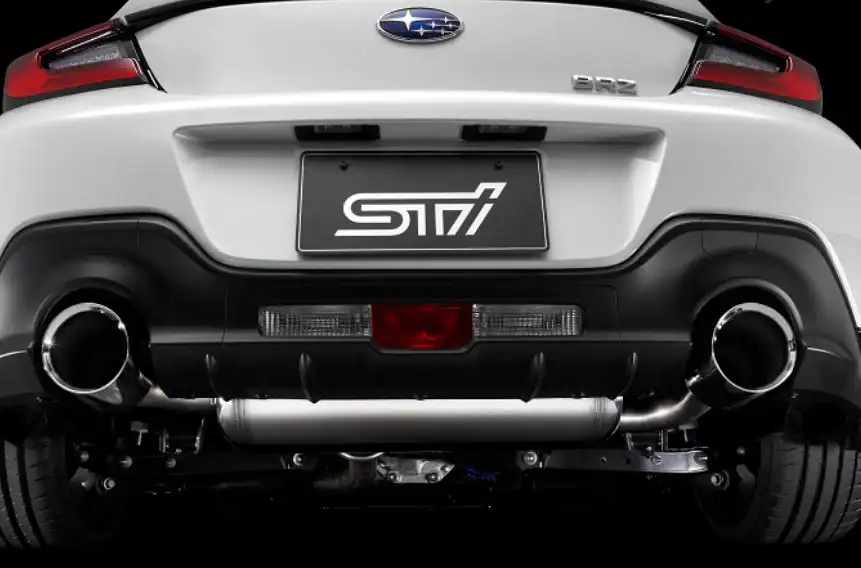
The boxer layout creates long, separated exhaust runners. In Subarus, unequal length headers are what give the car its signature burble. Porsches typically use equal-length headers for better scavenging and smoother tone. Either way, the exhaust path is long and laid out differently from most engines.
Real-World Advantages
- Low center of gravity: With the engine mass spread low and wide, body roll and weight transfer are reduced. That helps with turn-in and stability.
- Smooth power delivery: Boxer engines are naturally balanced, especially when compared to inline-fours.
- Short hood height: The flat design allows for a lower front end, which can help with aerodynamics and crash safety.
- Packaging for AWD: Subaru uses boxers in longitudinal layouts that pair well with symmetrical all-wheel-drive systems.
Real-World Tradeoffs
- Width: The same low stance also makes boxer engines wide, which can restrict space for steering components or make service around the heads harder.
- Heat concentration: Turbo models often pack heat near the firewall or under the intake. Managing underhood temps takes work.
- Oil control needs attention: Track use or hard cornering requires baffled oil pans or even dry sump setups.
- Complexity and parts count: Two heads, two manifolds, and more gaskets mean higher service time and more potential leak points.
Reliability and Maintenance Notes
Some patterns emerge depending on the make:
- Subaru flat-fours have a reputation for head gasket issues in older models. Watch for coolant mixing or overheating.
- Porsche flat-sixes (especially earlier water-cooled versions) may face IMS bearing concerns or coil failures.
- Spark plugs are harder to reach because of the cylinder angle. Same with timing components, especially on older belt-driven Subarus.
- Clutch service often requires engine removal on longitudinal layouts.
For longevity, oil changes and cooling system maintenance are essential. Turbo models benefit from synthetic oil, regular inspections, and careful warm-up.
Tuning and Sound
Tuning a boxer isn’t just about slapping on a turbo. The layout changes airflow and pulse timing:
- Header design shapes sound and performance. Unequal length? More burble. Equal length? More efficient scavenging.
- Turbo placement can vary, especially on Subarus. Older models had the turbo up high; newer ones move it down.
- Safe power levels depend on the platform. Subaru’s EJ engines, for example, don’t love high boost without internal upgrades.
If you want that signature boxer note, it’s mostly in the exhaust, but what works for sound might hurt power, and vice versa.
Who Still Uses Boxer Engines (and Why)

Subaru
Every current Subaru (except the electric Solterra) still uses a flat-four. They pair it with all-wheel drive, and the combination defines how the cars drive. Older models used unequal headers; newer ones often don’t.
Porsche
From air-cooled classics to modern 911s, flat-sixes are a Porsche signature. Many models use dry-sump oiling or hybrid scavenge systems to manage track abuse. Porsche engines are known for both high-revving character and long-term durability with the right care.
Aviation
Some aircraft still use horizontally opposed engines for balance and packaging, especially in smaller planes. That heritage influenced early automotive designs.
Buying or Owning a Boxer Car: What to Watch
If you’re eyeing a used boxer-powered car, keep these checks in mind:
- Cooling system health: Check for leaks, look at coolant condition, and watch the temp gauge on a test drive.
- Case seam or cam carrier leaks: Look under the car for oily residue around the engine block.
- Compression or leakdown test: Especially on turbo or older models.
- Idle quality and torque feel: Lumpy idle or flat low-end response could hint at sensor or vacuum issues.
- Exhaust tone: A raspy or uneven tone might mean a header leak or warped flange.
Planning mods? Focus on cooling and oil control before adding power. It’s tempting to go straight to boost, but a healthy boxer rewards the long game.
Practical Takeaway
Boxer engines do things differently, and that’s a big part of the charm. The low center of gravity helps with handling, the layout gives a signature sound, and there’s something satisfying about driving a car that’s just… not like the rest.
Yes, there are quirks. Service access can be tight, oiling and cooling need attention, and tuning takes thought. But if you plan around the platform’s needs, you get a drivetrain with real personality. One that feels balanced, smooth, and just a bit offbeat in the best way.