 Skip to content

Ford is known for designing and improving different car models. However, not every design passes the test of time. One of them was the Ford V10 engine that, after being produced for some time, was eventually abandoned. Many car lovers and drivers have been eager to find out what exactly made Ford stop designing the product. Let us see why.
Why Did Ford Stop Making the V10 Engine?
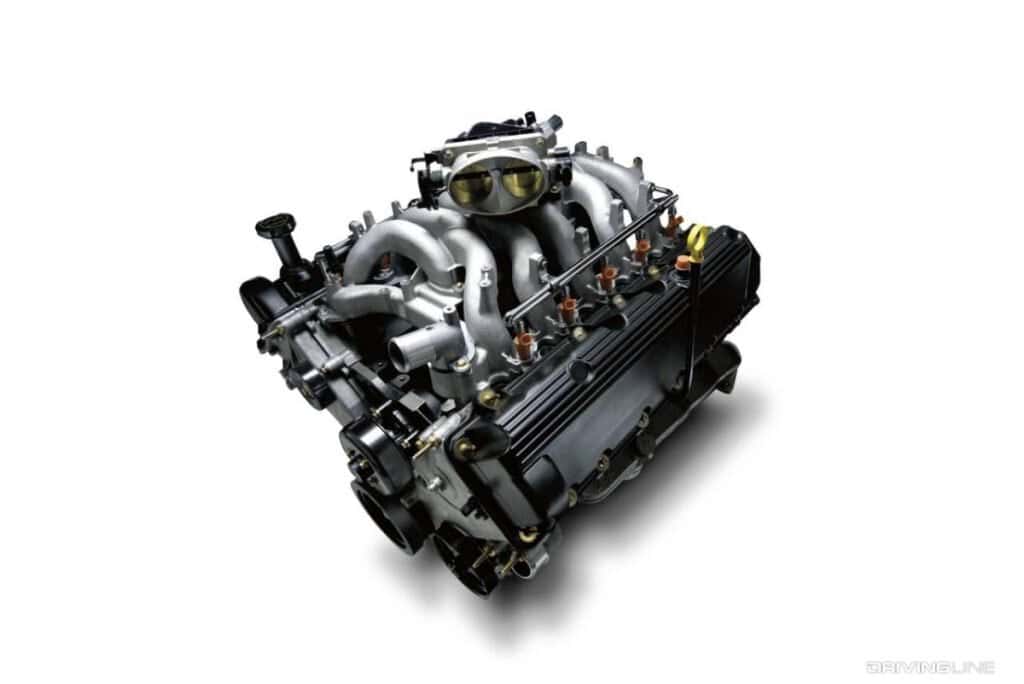
Image from drivingline.com
Ford replaced the V10 with a more versatile and powerful engine. This new option worked well in many vehicles, from trucks to SUVs. They marketed it as a solution for those who wanted more power than a V8 but didn’t want to pay for a diesel engine. However, several factors made Ford discontinue the V10:
- Inefficiency: Ford discontinued the V10 because it was less efficient than other engines. The V10 was very powerful, but this came at a cost in fuel economy for this particular engine. For example, consumption was high compared to Ford’s V8 engines. Some reached as low as 7 miles per gallon. This inefficiency made the V8 more attractive to most drivers.
- Spark Plug Issues: The problem with the earlier versions of this V10 engine frustrated many owners: spark plug blowouts. Ford fixed this problem in newer models, but the engine’s reputation was already damaged.
- Competition with V8 Engines: The more Ford worked on its V8 engines, the less of a performance difference existed between the V8 and V10. In effect, it made the V8 a much stronger, fuel-efficient, and reliable version; hence, this made it better for most drivers. Consequently, this led to the V10 becoming highly redundant, which contributed to the decline in the popularity of the V10.
- Market Preferences: Consumer preference gradually moved away from the V10 over the years. Those drivers who wanted power went to diesel, and those seeking better gas mileage favored V8s; this kept V10s in a sort of no-man’s land, at which they didn’t do either particularly well.
Which Ford Trucks Had a V10?
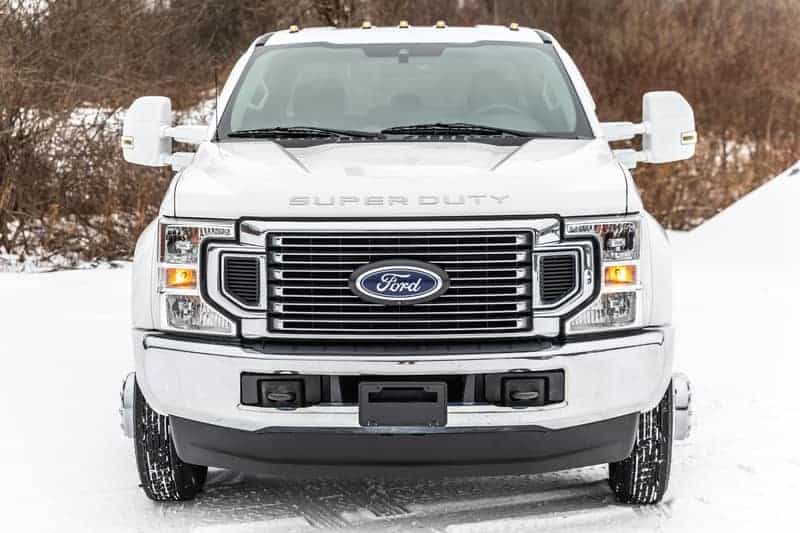
The V10 was most commonly used in Ford’s Super Duty trucks, like the F-250 and F-350, which were made between 2011 and 2019. Ford E-Series vans and motorhomes have some applications of the V10 engine. Ford no longer produces new vehicles with V10 engines. However, you can still find these trucks and vans in the used vehicle market.
Disadvantages of Ford’s V10 Engine
While the V10 had its advantages, offering a bit more oomph than a V8, the downsides were major:
- Poor Fuel Economy: While the V10 had its advantages, offering a bit more oomph than a V8, the downsides were major.
- Lower Torque Compared to Diesel: Although the V10 produced respectable horsepower, it simply was not able to return the same level of torque as diesel applications. This made this engine less suitable for heavy-duty towing and hauling, very common applications for Super Duty trucks.
- Reliability Issues: The V10 faced early spark plug issues. Critics often claimed that the V10 had poor overall reliability. They especially pointed this out when comparing it to Ford’s more established V8 and diesel powertrains.
Is Ford’s V8 Really Better?
In many respects, Ford’s V8 engines had advantages over the V10s: they became more powerful, more economical, and more reliable with improvements brought to technology. Let’s look at the below table to look at the differences:
| Attribute | V8 | V10 | Diesel |
| Fuel Economy | 18-24 mpg | 7-10 mpg | 15-20 mpg |
| Horsepower | 385-450 hp | 310-362 hp | 400-475 hp |
| Torque | 470-510 lb-ft | 425-457 lb-ft | 800-1,050 lb-ft |
Given these figures, it’s clear that the V-8 became a more balanced choice, offering more performance and less fuel use. For those who needed serious pulling power, the diesel engines provided torque that was way beyond compare.
Ford V10 Engine Performance
The V10 engine was a decent performer. However, it couldn’t keep up with the evolving capabilities of Ford’s other engines. Ford designed the V10 as an affordable alternative to diesel for those needing power. But over time, the improved V8 and diesel engines made it obsolete. Consumers realized that diesel was the better choice for power. For everyday driving, the V8 became more than sufficient.
FAQs
1. Can You Still Buy Ford V10s?
Ford has stopped the production of V10 engines; however, there is still a considerable used-market inventory of Ford’s 2011 to 2019 Super Duty trucks and E-Series vans equipped with the V10. These vehicles have relatively satisfactory performance capacities and can run pretty smoothly for an appreciable period if properly maintained.
2. Do Any Manufacturers Still Produce V10s?
Only a few cars have been running V10 engines in recent times. The list includes some very highly expensive performance machines, notably the Audi R8 and the Lamborghini Huracan. It is, therefore, all but phased out in the production of regular vehicles.
3. Were V10 Engines Seen as Obsolete from the Start?
The V10 wasn’t always redundant. It provided a useful option for clients who needed more power than a V8 but didn’t want to pay for a diesel motor. In any case, as V8 and diesel motors improved over time, the V10 became quite superfluous until it was at last disposed of.
4. What Were Some Common Problems with the Ford V10?
Many recurring issues with the Ford V10 made this engine quite unpopular. The first-generation engines had spark plug blowouts, causing a real hassle for owners. Other deficiencies of this V10 gas engine included poor fuel economy and less-than-impressive torque when compared to diesel engines.
5. What Vehicles Commonly Used the Ford V10?
Ford commonly installed the V10 in Super Duty trucks like the F-250 and F-350. They also used it in E-Series vans and motorhomes. The V10 gave these vehicles the power needed for towing and heavy-duty tasks, despite its inefficiencies.
The Legacy of the Ford V10: A Lesson in Automotive Evolution
Ford stopped making the V10 engine because it simply could not keep pace with the evolving standards of efficiency and performance set by the company’s V8 and diesel engines. What once filled a niche market for power and affordability eventually became obsolete as consumer preferences shifted and engine technology advanced. The V10’s legacy shows that innovation and changing demands can outpace even well-designed engines.
For those in the market for a Ford truck today, the decision is clear. Whether you prioritize fuel efficiency or need raw power for heavy-duty tasks, Ford’s V8 and diesel engines provide superior options that align with modern needs. The V10 may hold a place in automotive history, but its time has passed, leaving the stage to more capable and efficient contenders.


