 Skip to content

Inside every wheel on every vehicle resides a set of wheel bearings that guarantee smooth wheel rotation and travel down the road. Small yet very integral parts of your vehicle, they lubricate the friction and allow your wheels to spin without a problem while bearing the weight of your vehicle. Without functioning wheel bearings, your wheels would grind, struggle to move, and eventually cause large amounts of damage to your vehicle.
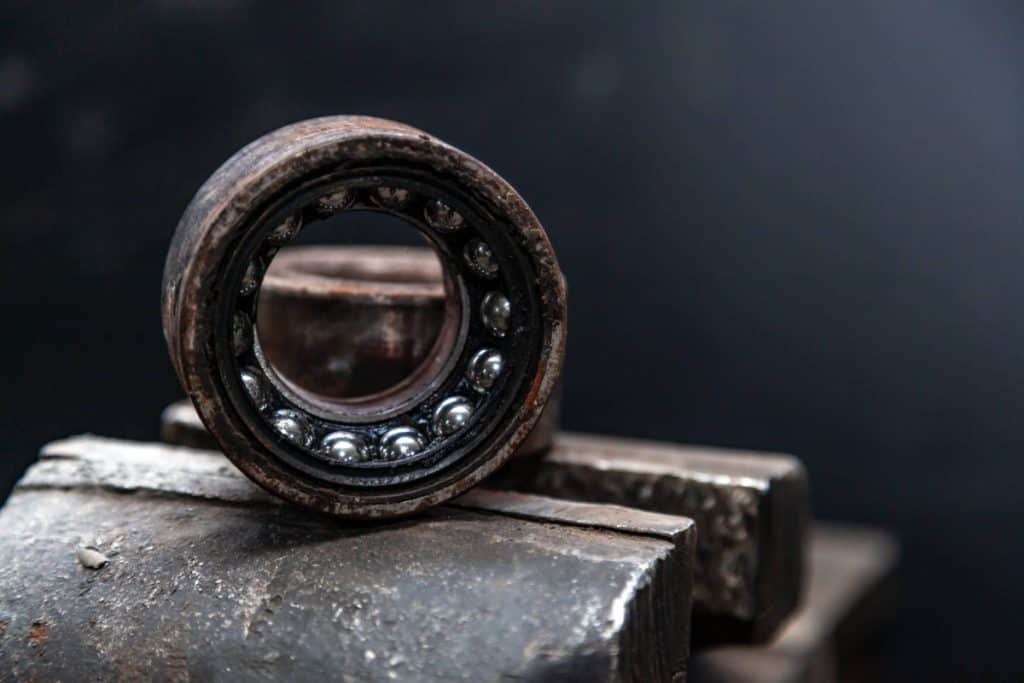
Maybe one question that gets asked by most vehicle owners is whether the wheel bearings are universal and can be used in all different vehicles. The simple answer would be—no. Indeed, every vehicle comes with a set of wheel bearings installed, but they all differ. Installation of incorrect bearings may result in serious problems, like wheel failure, increased friction, and even accidents.
Why Wheel Bearings Are Not Universal
- Variety in Sizes and Specifications: Different models, makes, and years of vehicles make for a huge variation in wheel bearings. Even for the same brand name, different models may take special bearings because of differences in design and engineering. For instance, the bearings will, in most cases, be different between front and rear. Vehicles with AWD or 4WD systems would also apparently have variations compared to their 2WD versions.
- Impact of Vehicle Customizations: Any of these—lifting or lowering your vehicle, or suspension modification—that change the normal factory suspension geometry may impact the kind of wheel bearings that should fit into your vehicle. Customizations change the suspension’s geometry and put new stresses on the wheel bearings. This might require different types or sizes to handle the new load.
- Precision and Fitment: You must ensure that your vehicle’s wheel bearings are perfectly matched to the specifications for proper fitment and functioning. The bearings will support the weight while allowing the wheel to rotate smoothly. Using the wrong size or type causes improper weight distribution. This increases abrasion and can lead to bearing failure, along with its dangers.
Importance of Choosing the Correct Wheel Bearings
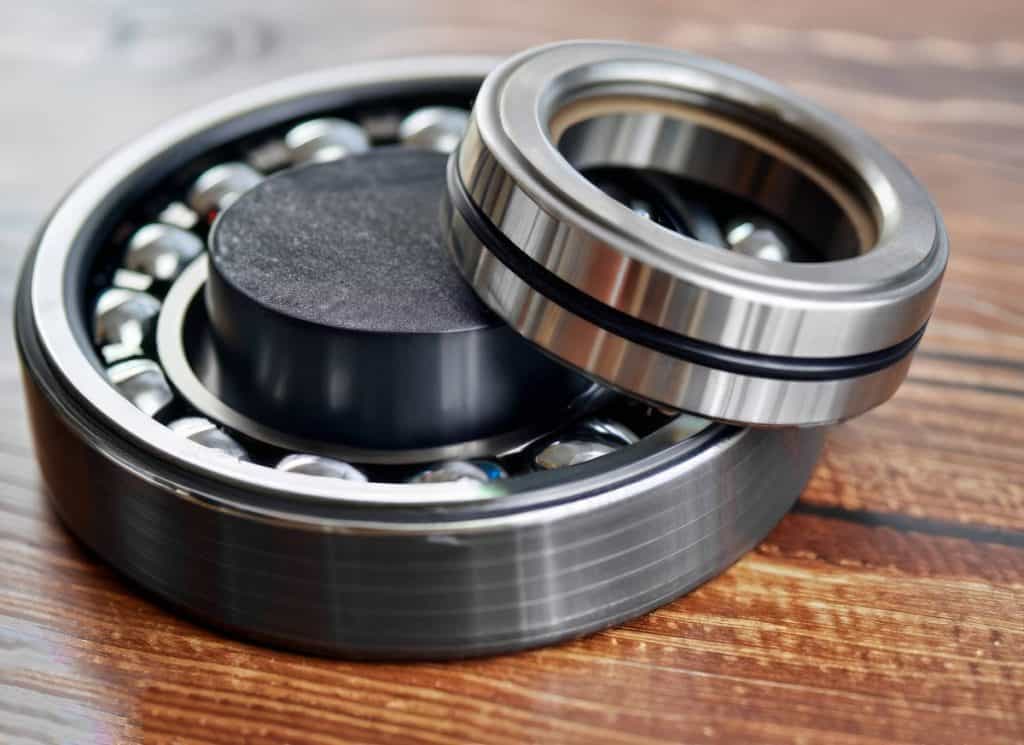
The correct wheel bearings are very important in the maintenance of any vehicle for better performance, long life, and safety. The right bearing makes your wheels rotate smoothly, reduces wear of other parts of your vehicle, and thereby provides a safe drive. Here’s why it’s essential:
- Support for Vehicle Weight: Wheel bearings are designed to take on a specified weight and load distribution of your vehicle. Wrong bearings can’t sustain the pressure, resulting in hazardous driving conditions.
- Smooth Wheel Operation: Correctly fitted wheel bearings minimize friction, allowing smooth wheel rotation. A wrong-fit wheel bearing would cause more friction, which builds up heat and consequently increases wear, leading to failure.
- Avoiding Damage: If you fit the wrong wheel bearings, it will irrevocably damage your wheel hub, axle, and sometimes even your suspension components. This is both very expensive to repair and highly unsafe to drive on the road.
Finding the Right Wheel Bearings
Although it sounds difficult, finding the right wheel bearings for your vehicle involves a fairly easy process if you go about it the right way:
- Vehicle Owner’s Manual: The owner’s manual for your vehicle is a good place to start. It lists the manufacturer’s recommended part numbers, sizes, and types of bearings.
- Online Resources: Websites like RockAuto and AutoZone allow you to search for wheel bearings by entering your vehicle’s make, model, and year. These platforms often provide a range of options, including OEM (Original Equipment Manufacturer) and aftermarket bearings.
- Consulting a Mechanic: If you’re unsure about which bearings to use, a trusted mechanic or tire shop can help. They can identify the correct bearings for your vehicle and offer installation services to ensure everything is fitted correctly.
Signs and Symptoms of Wheel Bearing Issues
Like most other car parts, the wheel bearings are wearing and tear parts and are therefore replaced from time to time. Accordingly, it becomes very essential to spot as early as possible any signs that may be indicative of worn or failing wheel bearings. Some common symptoms of problems with the wheel bearings include those enumerated below:
- Grinding Noise: If there is a grinding sound when driving, more so during a turn, then this clearly shows that the wheel bearings are worn out. The metal-on-metal contact within the bearing assembly may be the source of flapping or grinding noise, indicative of a bearing no longer functioning properly.
- Rumbling Sound or Feeling: You may feel the rumbling noise or sensation when driving at a higher speed, which can be due to deteriorating bearings. Such kinds of sound, in normal cases, are more felt on rough roads.
- Pulling to One Side: If your vehicle is pulling to one side while you drive, then it might be due to the uneven wearing out of the wheel bearings. It can be risky as it affects the handling and stability of the vehicle.
- Clicking Sound: A clicking sound while turning or going over bumps is usually a sign that the bearings are about to fail. Most of the time, this is a sign of loose or damaged bearings that should not be ignored in any case.
- Wheel Play: This can happen as a result of worn-out wheel bearings, causing wheels to experience extra play or wobbling. It can cause handling problems with the vehicle, as well as too much tire wear, making driving dangerous.
If any of the above symptoms are noticed, the vehicle should be immediately taken for inspection by a skilled professional mechanic. These are merely early warning signs of more serious damage, probably including wheel separation, which can be dangerous if these symptoms go ignored.
FAQs
1. Can I Use Old Bearings to Replace My Current Bearings?
Well, this can be done, but it is highly unadvised. The thing is, bearings wear out over time because of their continuous friction and load. The risk of failure is increased when you use old bearings. Choosing new and high-quality bearings will guarantee a better run and longer life.
2. Do I Have to Replace My Bearings When I Customize My Car?
Most of the time, whenever your car needs personalization through lifting or lowering, it will need to have new wheel bearings. The new suspension geometry changes the loads the bearings see. The use of original equipment bearings can result in premature wear and failure. Fitting bearings compatible with the new set-up is a best practice.
3. Can I Simply Replace My Wheel Bearings When They Break?
Do not drive your vehicle to the ground until the bearings break down before you replace them. In most instances, bearings will give symptoms of weariness way before they collapse. Therefore, detecting these symptoms early enough will forestall damage to other parts such as the wheel hub, axle, and suspension, and prevent an expensive repair.
4. What Happens if I Drive with Bad Wheel Bearings?
It can be very dangerous to drive a car with bad wheel bearings. When they wear out, they can quickly cause uneven tire wear, poor handling, and even wheel detachment in some instances. You must resolve any bearing failure symptoms quickly to ensure your safety.
5. How Long Do Wheel Bearings Typically Last?
Overall, the wheel bearings can last from 85,000 to 100,000 miles, depending on driving conditions and maintenance. Driving in water, on salt-covered roads in winter, or with aggressive habits can significantly shorten a vehicle’s lifespan.
Final Thoughts on Wheel Bearings
Probably, among the most overlooked yet very critical parts that ensure a smooth ride and safety of your vehicle are the wheel bearings. You need to know and understand that wheel bearings are not universal, and what’s more, you need to be very selective about the wheel bearings meant for your vehicle. Be aware of the danger signals of bearing wear and fix the problems on time to avoid much more expensive damage.
When replacing worn bearings or making other modifications, use the right parts to ensure your vehicle’s efficiency and safety.


